
Learning how to clean your whiteboard properly keeps it looking crisp, readable, and ready for your next brainstorm session. Whether you’re managing a classroom, running a business, or just keeping notes at home, a grimy whiteboard defeats its whole purpose. The good news? It’s dead simple once you know the right techniques and materials.
Table of Contents
Daily Wipe Down Routine
The easiest way to keep your whiteboard in top shape is tackling it every single day. Grab a dry cloth—microfiber works best—and give the surface a quick swipe. This removes loose marker dust and prevents buildup from getting out of hand. Think of it like brushing your teeth; a little daily effort beats major cleanup later.
A soft cloth or eraser specifically made for whiteboards will do the trick. Avoid paper towels because they can leave residue and actually scratch the surface over time. Keep your eraser handy near the board so you’re more likely to use it regularly. Your future self will thank you when you don’t face a crusty, stained board next month.
Dry Erase Cleaner Method
Commercial dry erase cleaners are purpose-built for this job, and they deliver solid results. Spray the cleaner directly onto the board or onto your cloth, then wipe in smooth, circular motions. The formula breaks down marker residue without damaging the whiteboard surface. Most bottles are inexpensive and last forever since you only use a little at a time.
Look for products specifically labeled “dry erase board cleaner” at office supply stores or online. Apply a light mist—you don’t want the board soaking wet. Let it sit for a few seconds if you’re dealing with stubborn marks, then wipe clean with a dry cloth. This method works great for weekly deep cleaning and keeps that glossy finish intact.
Rubbing Alcohol Approach
Isopropyl rubbing alcohol is a DIY powerhouse for whiteboard cleaning. Grab a bottle of 70% or 90% alcohol from any pharmacy, dampen a cloth with it, and start wiping. The alcohol dissolves dried marker ink effectively and evaporates quickly, leaving no streaks behind. This is especially useful when you’ve got permanent marker accidentally on your board—yes, it happens.
Pour a small amount onto a soft cloth rather than spraying directly on the board. Work in sections, using gentle pressure and circular motions. The fumes are pretty minimal, but make sure you’ve got decent ventilation. Alcohol dries fast, which means less waiting around and less chance of water damage to your board’s edges.
Tackling Stubborn Ink Buildup
Sometimes markers leave ghost images or heavy stains that won’t budge with basic cleaning. This ink buildup happens when the same area gets written on repeatedly over months. For these stubborn spots, you need a stronger approach. Combine rubbing alcohol with a tiny bit of baking soda to make a gentle paste—this adds mild abrasive action without gouging the surface.
Apply the paste to the problem area and let it sit for 30 seconds. Use a soft cloth to gently rub in circular motions, then wipe clean with a damp cloth. If that doesn’t work, try a magic eraser sponge (the melamine foam kind), but test it on a corner first because it can be aggressive. Never use scouring pads or steel wool—those will permanently damage your whiteboard.
Water and Vinegar Solution
If you prefer all-natural cleaning, a simple water and white vinegar mix does the job. Combine equal parts distilled water and white vinegar in a spray bottle. This solution cuts through marker residue and disinfects the surface at the same time. It’s safe, affordable, and you probably have both ingredients at home already.
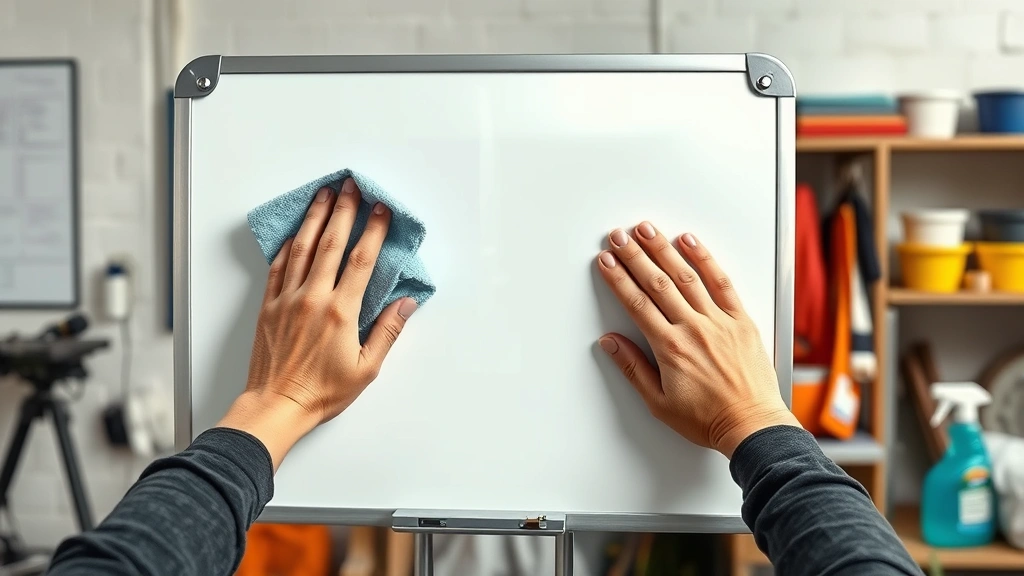
Spray the solution onto a cloth and wipe the board down thoroughly. The vinegar smell fades quickly as it evaporates. For tougher stains, let the solution sit for a minute before wiping. This method is perfect for schools and offices where you want to avoid chemical fumes, and it’s gentle enough for daily use without wearing down the board’s protective coating.
Prevention and Maintenance
An ounce of prevention beats a pound of cure when it comes to whiteboard care. Always use quality dry erase markers—cheap ones leave stubborn residue. Store your markers with caps on tight so they don’t dry out and become harder to erase. Avoid using permanent markers on whiteboards unless you’re prepared for a serious cleanup battle.
Keep the area around your board clean too. Dust and debris can settle on the surface and make cleaning harder. If you’re dealing with a whiteboard in a high-traffic area like an office, wipe it down every few days rather than waiting for visible grime. Also, don’t let water or cleaning solution pool at the bottom edge—moisture trapped there can damage the frame and seals over time.
Materials You’ll Need
Stock your whiteboard cleaning kit with these essentials: soft microfiber cloths (not paper towels), a whiteboard eraser, dry erase cleaner or rubbing alcohol, distilled water, and white vinegar as a backup. Optional items include a magic eraser sponge for tough stains and baking soda for making a gentle paste. Keep everything in one spot near your board so you’re never tempted to skip cleaning because you can’t find supplies.
Invest in quality cloths because cheap ones shed fibers onto your board. Microfiber is worth the small extra cost. You’ll want at least two cloths on rotation so one can dry while you use the other. A small spray bottle is handy for applying cleaning solutions evenly. These items are inexpensive and will last you years, making this the cheapest maintenance investment you can make.
Common Mistakes to Avoid
Don’t use harsh solvents like acetone or paint thinner—these destroy the whiteboard’s protective surface. Avoid abrasive scrubbers, scouring pads, or rough cloths that scratch and dull the finish. Never soak your board in water or let cleaning liquid pool on it. Don’t use hot water because it can warp the board and loosen the frame.
Skip the newspaper and paper towels; they leave lint and residue. Don’t mix different cleaning products together—stick with one method at a time. And here’s a big one: don’t leave markers uncapped sitting on the board surface. The ink can stain permanently if it sits long enough. Finally, avoid cleaning right after writing because the ink hasn’t fully dried yet and will smudge everywhere.
If you’ve got other surfaces that need attention around your workspace, check out our guides on how to clean baseboards and how to clean a rug to keep your whole office looking sharp. For more detailed cleaning projects, we also have resources on how to get paint out of carpet and how to clean pennies if you’re tackling other household tasks.
Frequently Asked Questions
Can I use Clorox wipes on my whiteboard?
Avoid Clorox wipes and bleach-based cleaners on whiteboards. The harsh chemicals can damage the protective coating and cause discoloration. Stick with dry erase cleaners, rubbing alcohol, or vinegar solutions instead.

What’s the best way to remove permanent marker from a whiteboard?
If permanent marker gets on your board, don’t panic. Use rubbing alcohol on a cloth and rub the mark firmly. You might need to repeat this several times. Some people have success with hairspray or hand sanitizer as well. Test any new solution on a hidden corner first.
How often should I deep clean my whiteboard?
Daily wipe-downs with a dry cloth should be your routine. Do a deeper cleaning with cleaner or alcohol once a week if the board gets heavy use. For boards used occasionally, monthly deep cleaning is usually enough. Adjust based on how much writing happens on your board.
Will Magic Erasers ruin my whiteboard?
Magic erasers can work for stubborn stains, but they’re abrasive and can dull the board’s finish if overused. Test on a corner first and use light pressure. They’re a last resort, not a regular cleaning method. Stick with gentler solutions for routine maintenance.
Why does my whiteboard still look cloudy after cleaning?
Cloudiness usually means mineral deposits from tap water or old marker residue buildup. Try the vinegar and water solution, which cuts through mineral deposits. You might also need a stronger cleaner like isopropyl alcohol. Make sure you’re using a clean cloth too—a dirty cloth just spreads grime around.
Can I use Windex on my whiteboard?
Windex isn’t ideal for whiteboards because it can leave streaks and the ammonia may damage the surface over time. Stick with products designed for dry erase boards or the natural alternatives. If you’ve already used Windex, don’t worry—one application won’t destroy your board, but switch methods going forward.
Final Thoughts
Keeping your whiteboard clean doesn’t require fancy techniques or expensive products. A daily dry wipe, weekly deep cleaning with your preferred method, and smart marker choices will keep your board looking fresh and functional for years. Whether you go with commercial dry erase cleaner, rubbing alcohol, or the water-vinegar combo, consistency matters more than which method you pick.
The real secret to how to clean your whiteboard successfully is staying on top of it before grime builds up. Five minutes of regular maintenance beats an hour of scrubbing later. Your board will stay readable, your workspace looks professional, and you’ll never dread looking at a grimy, stained surface again.


