
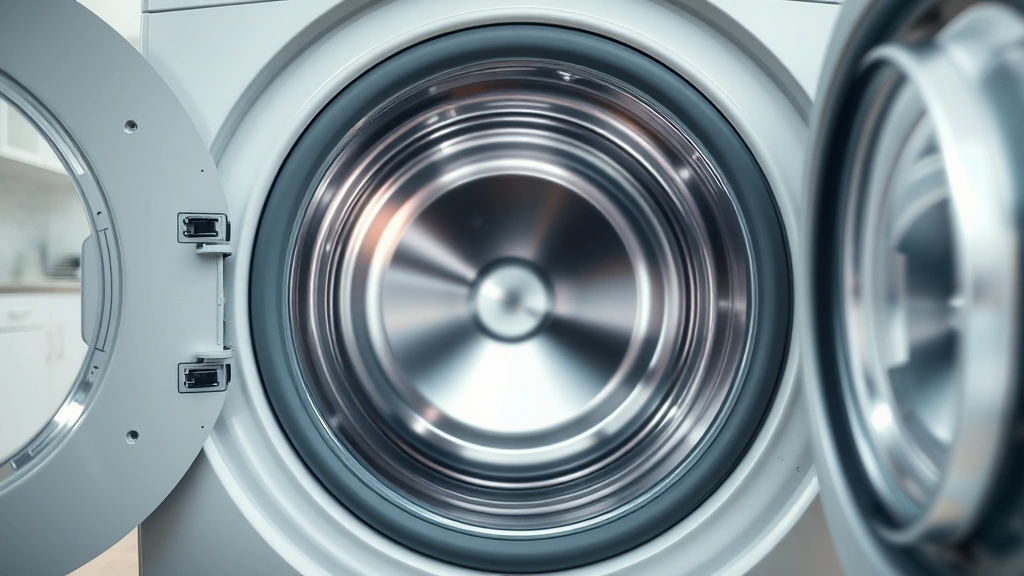
Learning how to clean your laundry washer is one of those maintenance tasks that’ll save you money and keep your machine running like new for years. Your washing machine works hard every single day, and over time it accumulates detergent buildup, hard water deposits, mold, and mildew that can affect performance and create funky smells. The good news? You don’t need to call a professional or buy expensive cleaning kits. With some basic household items and about 30 minutes of your time, you can get your washer spotless and fresh.
Table of Contents
Why Your Washer Needs Cleaning
Your washing machine is basically a dark, damp environment where bacteria and mold absolutely thrive. Every time you run a load, you’re leaving behind residue from detergent, fabric softener, and lint. Modern high-efficiency washers are especially prone to buildup because they use less water. That means deposits accumulate faster and create a breeding ground for unpleasant odors and nasty growth. If your clothes smell musty even after washing, or you notice visible mold around the rubber seal, it’s definitely time to clean. Regular cleaning prevents these issues and keeps your machine operating at peak efficiency, which means cleaner clothes and lower energy bills.
Gather Your Cleaning Supplies
Before you start, grab these items from around your house. You’ll need white vinegar (the cleaning workhorse), baking soda (nature’s deodorizer), and a few old toothbrushes or soft-bristled brushes for scrubbing. Some people swear by commercial washer cleaning tablets, but honestly, vinegar and baking soda work just as well and cost pennies. You might also want rubber gloves to protect your hands, and some old rags or towels for wiping. If your machine is particularly nasty, grab a spray bottle to apply vinegar directly to stubborn spots. That’s it—no fancy chemicals required. For a detailed guide on machine maintenance, check out our comprehensive washing machine cleaning article.
Clean the Drum Thoroughly
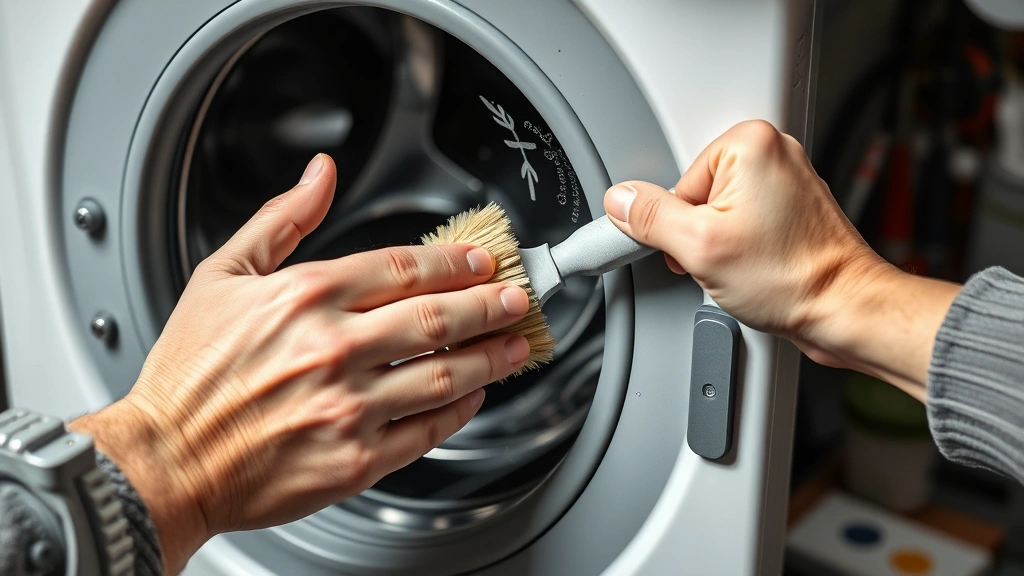
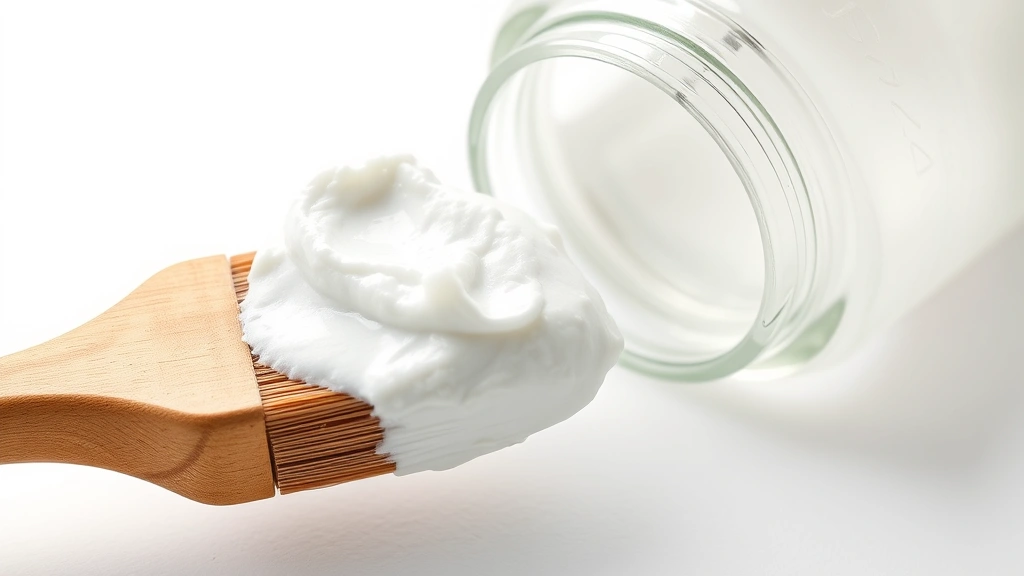
Start with an empty machine and no clothes inside. Pour two cups of white vinegar directly into the drum. Now run your washer on the hottest water setting available, using the longest cycle your machine offers. The hot water and vinegar combination will dissolve detergent residue and kill bacteria. While that cycle runs, mix baking soda with a little water to create a paste. When the vinegar cycle finishes, use this paste and a brush to scrub the visible interior surfaces of the drum, paying special attention to corners and crevices where gunk likes to hide. This two-step approach tackles buildup from multiple angles and really gets things sparkling clean.
Scrub the Rubber Gasket
The rubber gasket (that seal around the door) is mold central. Pull it back gently and you’ll probably find a nasty surprise lurking underneath. Use an old toothbrush dipped in vinegar to scrub every fold and crevice. Don’t be shy—get in there and really work it. You might find black mold, pink bacteria, or just gross slime. All of it comes off with some elbow grease and vinegar. Wipe everything down with a clean, damp cloth afterward. Some people use a mixture of equal parts vinegar and hydrogen peroxide for extra mold-fighting power. If the gasket is severely damaged or has permanent staining that won’t come clean, you might need to replace it, but usually cleaning brings it back to acceptable condition.
Clean the Detergent Dispenser
Your detergent dispenser drawer is another gunk magnet. Pull it out completely (most machines allow you to remove it entirely) and soak it in hot vinegar for 15 minutes. Use a toothbrush to scrub away any hardened detergent or mineral deposits. Pay attention to the small channels and corners where liquid detergent can crystallize over time. Rinse it thoroughly under running water and dry it completely before reinstalling. While the drawer is out, take a quick look at the dispenser cavity in the machine itself and wipe it clean with a vinegar-dampened cloth. This step might seem minor, but a clean dispenser ensures your detergent actually gets where it needs to go, improving wash quality.
Run a Hot Water Cycle
After you’ve done all the manual scrubbing, run another hot water cycle with one cup of baking soda in the drum. This final rinse cycle removes any remaining vinegar smell and ensures all the loosened debris gets flushed out. Your machine will smell fresh and clean when it’s done. Some washers have a dedicated “clean” or “tub clean” cycle specifically designed for this purpose—if yours does, use it instead of a regular wash cycle. The whole process from start to finish takes about an hour, including the time the machine runs. It’s honestly less time than you’d spend scrolling social media, and the results are totally worth it.
Monthly Maintenance Tips
Once your washer is clean, keep it that way with simple monthly habits. Run a vinegar cycle once a month to prevent buildup from returning. Leave the door open between loads so moisture can evaporate and prevent mold growth. Wipe down the gasket occasionally, especially if you notice moisture collecting there. Use the recommended amount of detergent—more soap doesn’t mean cleaner clothes, it just means more residue. If you have hard water, consider using a water softener or adding a commercial water softening agent to your loads. These small preventative steps mean you’ll never have to deal with a truly gross washer again. For additional maintenance insights, check out this Family Handyman guide on washing machine care.
Common Cleaning Mistakes
Don’t mix vinegar and bleach—that creates toxic chlorine gas, which is dangerous. Stick with vinegar or baking soda, not both at the same time in high concentrations. Don’t use abrasive scrubbers on the drum or gasket, as you can damage the surface. Soft brushes and cloths work better anyway. Another mistake is not cleaning the detergent dispenser regularly; people focus on the drum and forget about this crucial area. Some folks also neglect to run a final rinse cycle, leaving vinegar smell in their machine. And here’s a big one: don’t assume your washer doesn’t need cleaning just because it looks okay from the outside. The buildup happens inside where you can’t see it. According to This Old House, regular cleaning prevents 90% of washing machine problems before they start.
Frequently Asked Questions
Can I use bleach to clean my washing machine?
You can use a small amount of bleach in a rinse cycle, but vinegar and baking soda are safer and equally effective. Never mix bleach with vinegar or ammonia. If you do use bleach, use no more than one cup and run it on an empty machine with hot water. Some modern machines have stainless steel drums that can be damaged by bleach, so check your manual first.
How often should I clean my washer?
A deep clean once a month keeps your machine in top shape. If you notice odors or visible mold sooner, clean it immediately. Between deep cleans, run a hot water vinegar cycle every two weeks as preventative maintenance. Machines in humid climates or with hard water may need more frequent cleaning.
Why does my washer still smell after cleaning?
You might have missed some buildup in the gasket or dispenser. Run another vinegar cycle and scrub the gasket again, really getting into those folds. If the smell persists after a thorough second cleaning, you might have a drainage issue or mold deeper in the machine that requires professional service.
Is it safe to use vinegar in my washing machine?
Absolutely. White vinegar is safe for all washer types, including high-efficiency machines. It won’t damage seals, gaskets, or the drum. The smell dissipates quickly once you run a rinse cycle. Some people worry about vinegar’s acidity, but the amount used for cleaning is minimal and diluted by the water in the machine.
Can I clean my washer while it’s running?
No, never open the door or put your hands inside while a cycle is running. Wait for the cycle to complete fully. Most modern washers have safety locks that prevent opening during operation anyway. Always ensure the machine is completely stopped and empty before you start cleaning.
What’s the best commercial washer cleaner?
Affresh and OxiClean make solid products specifically designed for washing machines. However, they’re more expensive than vinegar and baking soda, and the results are comparable. If you prefer commercial products, follow the package directions carefully and ensure your machine is empty before using them.
Final Thoughts
Learning how to clean your laundry washer is genuinely one of the easiest maintenance tasks you can do, and it pays dividends in machine longevity and performance. The five-step process of running a vinegar cycle, scrubbing the gasket, cleaning the dispenser, scrubbing the drum with baking soda paste, and running a final rinse cycle takes minimal time and costs almost nothing. Your clothes will smell fresher, your machine will run more efficiently, and you’ll avoid expensive repairs down the road. Make it a monthly habit and you’ll never deal with a smelly, moldy washer again. For more detailed troubleshooting, Bob Vila offers additional washing machine maintenance tips. Now get out there and give your hardworking machine the care it deserves!


