
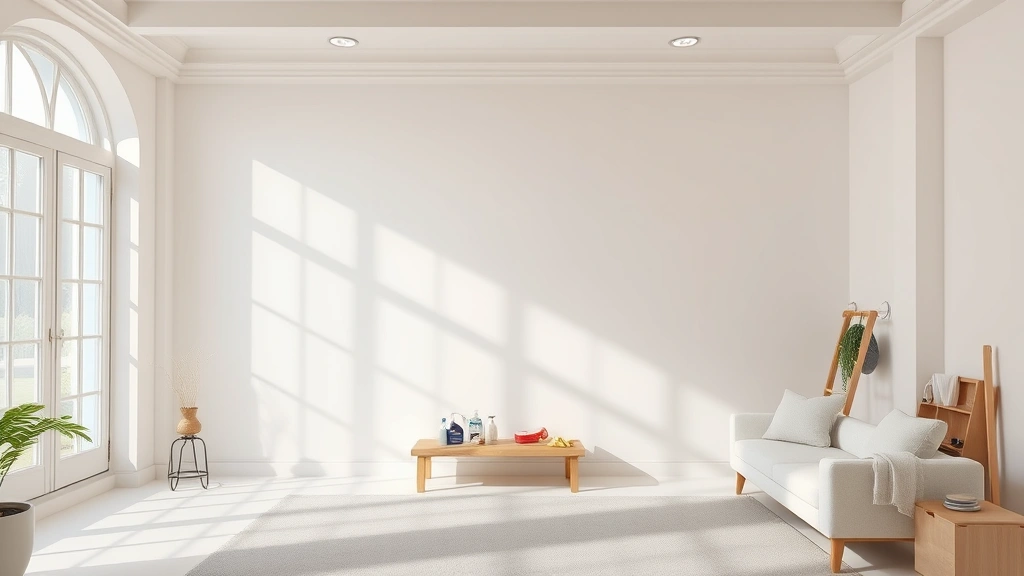
Learning how to clean walls is one of those foundational skills that transforms your entire home—and honestly, it’s easier than most people think. Whether you’re dealing with scuffs from moving day, dust buildup, or mysterious marks from kids and pets, I’ve got you covered with proven techniques that actually work.
Table of Contents
Gather Your Cleaning Supplies
Before you start, round up the right tools. You’ll want a soft-bristled brush or microfiber cloth, two buckets (one for solution, one for rinsing), warm water, mild dish soap, and a sponge. For tougher jobs, keep Magic Erasers, white vinegar, and baking soda on hand. Don’t grab anything abrasive—walls are more delicate than you’d think, and aggressive scrubbing leaves permanent damage.
A step ladder or sturdy stool helps you reach high spots without straining. Grab some old towels too; they’ll catch drips and protect your baseboards and flooring. Pro tip: lay down a drop cloth or old sheet along the base of your walls—water will drip, and you want to protect your floors.
Assess Your Wall Type First
Different wall finishes require different approaches. Flat paint is more porous and stains easily, while satin and semi-gloss finishes are more washable. Matte finishes need gentler treatment than glossy ones. If you’re unsure about your paint type, test your cleaning solution on an inconspicuous spot first—like inside a closet or behind a door.
Textured walls (popcorn ceilings or knockdown texture) trap dust differently and can’t handle aggressive wet cleaning. These need a lighter touch: focus on dusting first, then spot-clean only visible marks. Drywall is more fragile than plaster, so adjust your pressure accordingly.
Dust Before You Get Wet
This step separates amateurs from people who actually know how to clean walls properly. Start dry—use a soft brush or microfiber cloth to remove dust, cobwebs, and loose debris from top to bottom. Work systematically: start at the ceiling and work downward so dust falls away from already-cleaned areas.
Pay special attention to corners, baseboards, and around light switches where dust accumulates. A dry cloth removes about 80% of the grime without any water damage risk. This prevents you from turning dust into mud when you apply your cleaning solution.
Spot Treat Stubborn Marks
Before washing entire walls, address specific problem areas. Scuffs from furniture respond well to Magic Erasers—just use light pressure and test first. For greasy kitchen walls, a solution of equal parts white vinegar and warm water works wonders. Crayon marks? Rubbing alcohol on a cloth removes them without damaging paint.
Ballpoint pen marks need a different approach—try hairspray or rubbing alcohol on a small cloth. Water stains respond to a paste of baking soda and water applied gently. The key is treating these spots individually before general washing, which saves time and prevents spreading grime around.
Wash Walls Systematically
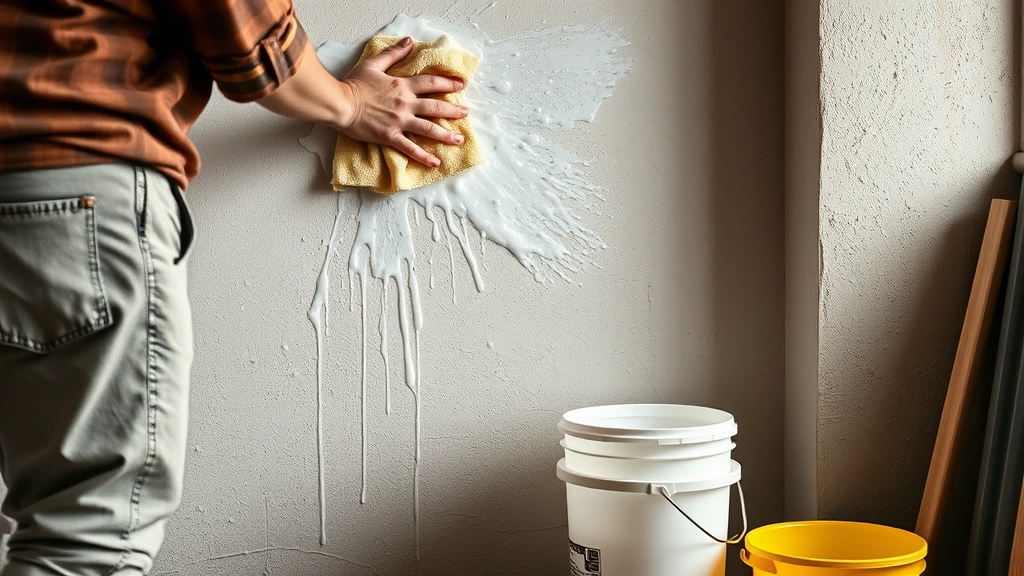
Mix a bucket of warm water with a few drops of mild dish soap—you want sudsy water, not a chemical bath. Dip your sponge or soft cloth, wring it out thoroughly (excess water damages drywall), and work in manageable sections about 3 feet wide.
Start at the top of each section and work downward in overlapping strokes. Use gentle pressure; let the soapy water do the work. Rinse your cloth frequently in your second bucket of clean water. After washing a section, wipe it down with a damp cloth using clean water to remove soap residue. This systematic approach prevents you from missing spots and keeps the work manageable.
Tackle Scuffs and Stains
Scuffs from shoe marks, furniture, or doorknob dings respond well to targeted treatment. A Magic Eraser (melamine foam) works on most scuffs—dampen it slightly and rub gently in circular motions. For tougher marks, make a paste of baking soda and water, apply it to the mark, let it sit for 5 minutes, then gently rub and rinse.
Grease stains in kitchens need stronger action. Mix equal parts white vinegar and water, apply to the stain, let it sit briefly, then wipe. For set-in stains, TSP (trisodium phosphate) is effective, but use it carefully following label directions. Always test any solution on hidden areas first to ensure it won’t damage your paint finish.
Dry Properly to Avoid Streaks
This final step determines whether your walls look professionally cleaned or streaky and dull. After washing, go back over walls with a clean, dry microfiber cloth. Work section by section, buffing gently to remove water spots and prevent streaking. Microfiber cloths are superior to paper towels—they absorb more water and leave fewer lint particles.
Open windows and increase air circulation to help walls dry completely. Avoid cleaning on humid days when possible; moisture in the air slows drying and can cause water marks. If streaks appear after drying, a barely-damp cloth with a tiny drop of white vinegar buffed over the area fixes them quickly.
Prevent Future Wall Damage
Smart maintenance keeps walls cleaner longer. Wipe spills immediately before they set. Use corner guards and door protectors to prevent scuffs from furniture and doorknobs. Keep furniture pulled slightly away from walls to prevent dust accumulation behind pieces. Regular light dusting—monthly or every few months—prevents buildup that becomes harder to clean.
In high-traffic areas like kitchens and bathrooms, consider semi-gloss or satin finish paint for your next refresh. These finishes are more washable than flat paint. Keep a Magic Eraser handy for quick spot-cleaning of fresh marks before they become permanent.
Frequently Asked Questions
Can I use bleach to clean walls?
Avoid bleach on painted walls—it can damage paint finish and cause discoloration or fading. Bleach is appropriate only for mold or mildew on non-painted surfaces. For most wall cleaning, mild dish soap and water is safer and equally effective. If you encounter actual mold, use a dedicated mold-killing solution and ensure proper ventilation.
What’s the best way to clean textured walls?
Textured walls need gentler treatment since texture traps dust and water can damage the coating. Use a soft-bristled brush or duster for dry cleaning first. For wet cleaning, use minimal water and focus on spot-treating visible marks rather than washing entire sections. Avoid scrubbing textured surfaces, as you’ll damage the texture.
How often should I clean my walls?
Light dusting every 2-3 months keeps walls in good shape. Spot-cleaning happens as needed when you notice marks or spills. Deep cleaning of entire walls is typically needed annually, though kitchens and bathrooms might need it semi-annually due to grease and moisture. High-traffic areas around doorways and light switches need more frequent attention.
Will Magic Erasers damage my paint?
Magic Erasers work by very fine abrasion, so they can dull paint finish if used aggressively. Use light pressure and test on inconspicuous areas first. They work best on semi-gloss and satin finishes; flat paint is more vulnerable to damage. For most scuffs, try gentler methods first before resorting to Magic Erasers.
What if my walls have crayon or marker marks?
Test rubbing alcohol on a small cloth first—it removes most crayon marks without damaging paint. For permanent markers, try hairspray or isopropyl alcohol. Apply to a cloth (not directly to the wall) and rub gently. If marks persist, a Magic Eraser is your next option. Always test in hidden areas before treating visible marks.
Can I use vinegar on all wall types?
White vinegar is generally safe on most painted walls, but test it first on inconspicuous areas. Avoid vinegar on natural stone, unsealed wood, or specialty finishes. The acidity is mild enough for most painted drywall and plaster, making it excellent for grease and water stains. Mix it 50/50 with water for general use.
Final Thoughts
Knowing how to clean walls properly means your home stays looking fresh without damage. The key is working systematically: dust first, spot-treat problem areas, wash gently with appropriate solutions, and dry thoroughly. This approach handles everything from everyday dust to stubborn scuffs and stains. For more home maintenance tips, check out our guides on how to adjust door hinges and how to bind a book for other household projects.
Start with one room, and you’ll develop a rhythm that makes wall cleaning quick and easy. Your walls will thank you, and you’ll notice how much brighter and fresher your space feels. For professional-level results on stubborn stains, Family Handyman offers additional wall cleaning techniques. Keep supplies handy for spot-cleaning as needed, and your walls will maintain that fresh, clean appearance year-round.


