

Learning how to clean urine from mattress is one of those skills that separates the prepared homeowner from the panicked one. Whether you’re dealing with a kid’s accident, a pet mishap, or an aging parent’s situation, urine stains and odors can wreck a perfectly good mattress if you don’t act fast. The good news? With the right approach and materials, you can neutralize the problem completely and save your mattress from the landfill.
Table of Contents
Act Quickly Before It Sets
Time is your enemy when urine hits fabric. The longer it sits, the deeper it penetrates into the mattress layers, and the harder it becomes to remove completely. Fresh urine is actually easier to handle than you’d think—it hasn’t bonded with the fibers yet. If you catch it within the first few hours, you’re looking at a much simpler cleanup process.
The urine compounds start breaking down and creating that stubborn ammonia smell within 8-12 hours. After 24 hours, you’re dealing with crystallized uric acid that’s embedded in the padding. This is why speed matters more than anything else. Even if it’s 2 AM and you’re exhausted, strip that mattress and start the cleaning process immediately.
Gather Your Cleaning Arsenal
Before you touch the mattress, assemble everything you’ll need. Running around mid-cleanup looking for supplies wastes precious time. Here’s what you should have on hand:
- White vinegar (the acidity breaks down uric acid crystals)
- Baking soda (absorbs odors at the molecular level)
- Enzymatic cleaner (specifically designed for urine)
- Hydrogen peroxide (3% solution works best)
- Spray bottles for application
- Clean white towels or cloth rags
- Plastic sheeting or waterproof mattress protector
- A wet/dry vacuum or shop vac
- Rubber gloves for protection
The enzymatic cleaner is the MVP here. Unlike regular cleaners, enzymes actually break down the uric acid molecules rather than just masking the smell. Brands like Nature’s Miracle or Rocco & Roxie are specifically formulated for pet and human urine and actually work on the chemical level.
Blot Excess Moisture First
Never rub or scrub fresh urine stains. Rubbing spreads the liquid deeper into the mattress layers and makes your job infinitely harder. Instead, blot with clean, dry towels using firm downward pressure. Think of it like absorbing, not cleaning.
Start from the outer edges of the stain and work toward the center. This prevents pushing the urine toward uncontaminated areas. Change to fresh towels frequently—you’re trying to pull moisture out, not redistribute wet spots. Press down hard for 10-15 seconds per spot, then move to a fresh section of the towel.
If the stain is still wet after your initial blotting, keep going until the mattress feels only damp, not soaked. This step alone removes 30-40% of the problem. Don’t skip it thinking the cleaning solutions will handle everything—they work much better on damp surfaces than saturated ones.
Apply Enzymatic Cleaner Solution
This is your first real offensive against the urine. Enzymatic cleaners contain proteins that literally break apart the uric acid molecules. Follow the product instructions exactly—don’t dilute it more than recommended or you’ll reduce its effectiveness.
Spray the enzymatic cleaner generously over the affected area. You want the mattress noticeably wet but not dripping. Let it sit for the full time recommended—usually 10-15 minutes, sometimes up to 24 hours depending on the product. This is when the enzymes do their work, so patience pays off.
After the sitting time, blot again with fresh towels. You’ll be amazed at how much additional moisture and odor comes out. The enzymatic cleaner is doing heavy lifting that vinegar and baking soda alone cannot accomplish. This step is non-negotiable if you want complete odor elimination.
Vinegar and Baking Soda Method
Once you’ve tackled the problem with enzymatic cleaner, the vinegar-and-baking-soda combo handles residual odors and any remaining uric acid crystals. This is the classic one-two punch that’s been proven effective for decades.
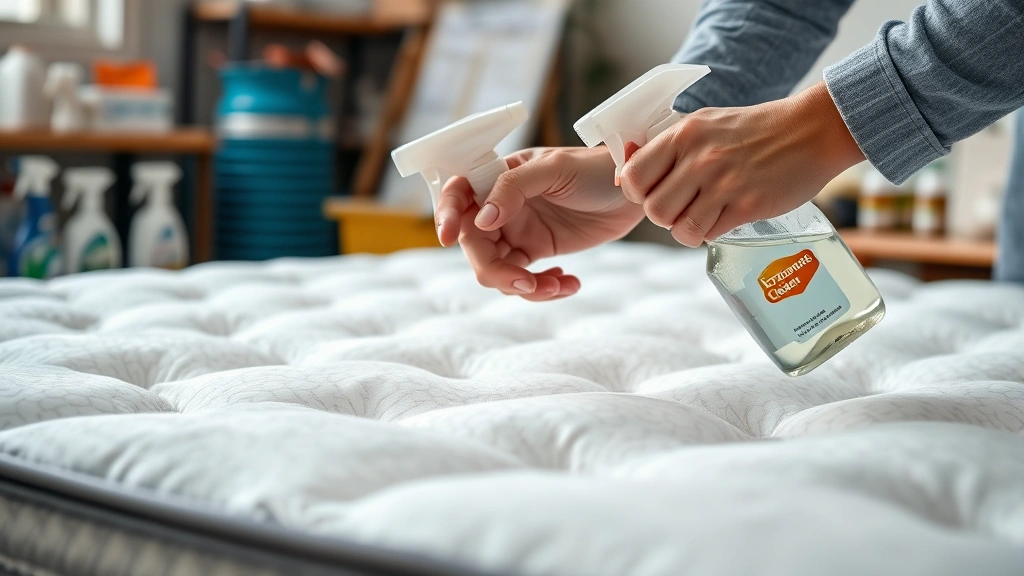
Mix equal parts white vinegar and water in a spray bottle—typically 1 cup of each works well for a single accident. Spray this solution over the entire stained area, making the mattress damp again. Let it sit for 5-10 minutes. The vinegar’s acidity dissolves remaining uric acid crystals that the enzymatic cleaner might have missed.
After the vinegar treatment, blot thoroughly with clean towels. Now comes the baking soda phase. Sprinkle baking soda generously over the damp area—don’t be stingy. The baking soda will absorb remaining moisture and trap odor molecules. Leave it sitting for at least 8 hours, preferably overnight. The longer it sits, the more odors it neutralizes. This is similar to how you’d use baking soda to clean a coffee maker with vinegar, using natural ingredients to break down buildup.
Hydrogen Peroxide Technique
For stubborn stains or older accidents, hydrogen peroxide is your secret weapon. The 3% solution available at any drugstore is safe for fabrics and incredibly effective at breaking down organic compounds. This step works especially well after enzymatic treatment hasn’t completely eliminated the smell.
Mix hydrogen peroxide with a small amount of dish soap—about 1 cup of peroxide to 1 tablespoon of soap. Spray this mixture onto the stained area and let it bubble for 5-10 minutes. The bubbling action is the peroxide breaking down remaining urine compounds. You’ll actually see the chemical reaction happening.
Blot thoroughly with white towels. Use white towels specifically because hydrogen peroxide can bleach colored fabrics. The peroxide treatment is particularly effective for older stains that have set in and become stubborn. Some people swear this is the final step that eliminates odors that other methods couldn’t touch.
Complete Drying is Critical
This step is absolutely essential and often overlooked. A damp mattress is an invitation for mold, mildew, and bacteria growth. Incomplete drying can actually make the problem worse by creating new odors. You need the mattress completely dry before anyone sleeps on it again.
Start by using a wet/dry vacuum to extract as much moisture as possible. Run it over the affected area multiple times, overlapping your passes. A shop vac is ideal because it has serious suction power. This single step removes an enormous amount of moisture that air drying alone would take days to handle.
After vacuuming, open windows and run fans directly at the mattress. Point box fans at the stained area and keep them running for at least 24 hours. In dry climates, this might be sufficient. In humid areas, you might need 48-72 hours of fan drying. Some people use a hair dryer on low heat to speed up the process, but be careful not to overheat the mattress.
Don’t put the mattress back on the bed frame until you’re absolutely certain it’s dry. Press your hand firmly against the surface—if you feel any coolness or dampness, it’s not ready. A damp mattress will smell within days as bacteria colonize the moisture.
Eliminate Lingering Odors Completely
Even after all these steps, you might notice a faint smell. This is normal and doesn’t mean you failed. Odor molecules can linger in the air and fabric long after the urine is gone. Several additional tactics can finish the job.
Activated charcoal is phenomenal for absorbing remaining odors. Place activated charcoal briquettes (the kind used in aquariums or air purifiers) around and under the mattress. Replace them every few days for a week. The charcoal works silently and continuously, pulling odor molecules from the air and fabric.
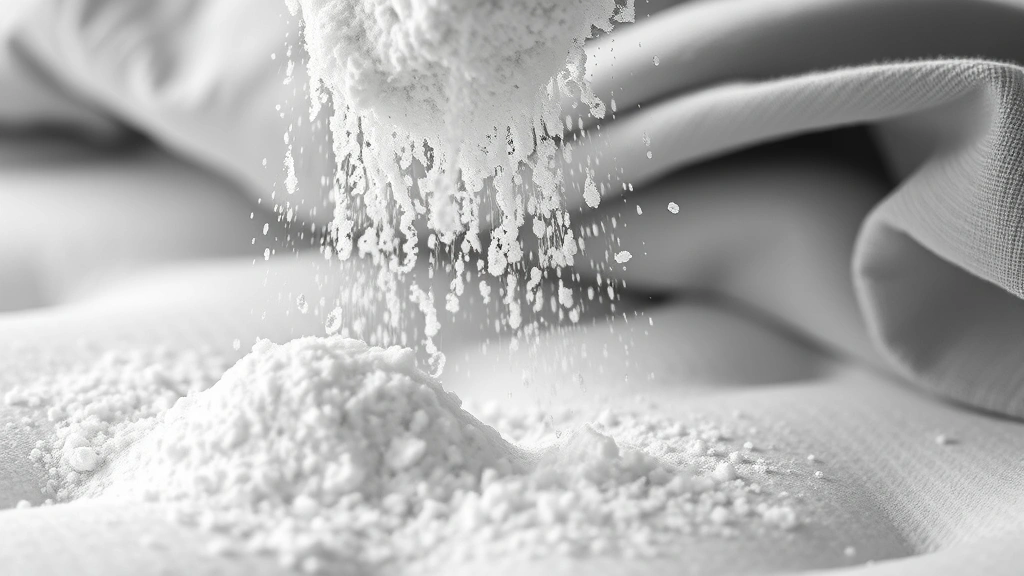
Baking soda can be reapplied after the first application has dried. Sprinkle a fresh layer, let it sit for another 24 hours, then vacuum it up. Some stubborn odors respond better to multiple applications of baking soda than a single heavy application.
A blacklight UV flashlight reveals any remaining urine residue you might have missed. Urine glows under blacklight, so you can see exactly where to focus your cleaning efforts. This is especially useful if the accident covered a larger area than you initially thought.
Prevention Strategies That Work
The best cleanup is the one you never have to do. Mattress protectors are your first line of defense. A waterproof, washable mattress protector costs $30-60 and saves your mattress from disaster. This should be standard equipment on every mattress, especially in homes with young kids or pets.
For ongoing protection, consider a quality mattress encasement that zips completely around the mattress. These are more expensive ($100-200) but provide complete protection against all liquids and allergens. They’re particularly valuable if you’ve already dealt with a urine accident and want to prevent it from happening again.
Establish bathroom routines with kids before bedtime. Limit fluids in the hour before sleep. Use waterproof pull-ups or training pants for young children. For pets, establish a consistent bathroom schedule and crate training to prevent nighttime accidents. These preventive measures are far easier than dealing with cleanup.
Frequently Asked Questions
How long does it take to completely remove urine smell from a mattress?
With immediate treatment using enzymatic cleaners and proper drying, you can eliminate most odors within 24-48 hours. Stubborn cases might require 3-5 days of treatment and drying. The key is starting immediately and not rushing the drying phase. Incomplete drying can extend the timeline significantly.
Can I use bleach to clean urine from a mattress?
Avoid bleach on mattresses. While bleach kills bacteria, it can damage fabrics, cause discoloration, and the chemical reaction with urine can produce toxic fumes. Stick with enzymatic cleaners, vinegar, baking soda, and hydrogen peroxide—these are safer and more effective for mattress cleaning.
What if the urine has soaked through to the mattress padding?
This is why speed matters. Once urine reaches the internal padding, removal becomes much harder. You’ll need to repeat the enzymatic treatment and vinegar-baking soda steps multiple times. Some people inject enzymatic cleaner directly into the mattress using a syringe to reach deep layers. If the smell persists after a week of treatment, the mattress might be unsalvageable.
Is it safe to use essential oils to mask the smell?
Essential oils might cover the smell temporarily but don’t eliminate it. You’re masking the problem, not solving it. The urine compounds are still there, and the smell will return once the essential oil fades. Focus on actual removal rather than masking.
Should I throw away the mattress if it’s heavily soiled?
Not immediately. Try the full treatment process first—enzymatic cleaner, vinegar, baking soda, hydrogen peroxide, and proper drying. Most accidents can be completely eliminated with this approach. Only consider replacement if the smell persists after a full week of treatment and the mattress is old enough that replacement makes financial sense anyway.
Can I use a steam cleaner on the mattress?
Steam cleaning can help, but it’s not a first step. Steam adds moisture that needs to be removed, extending the drying time. Use steam only after enzymatic treatment, and only if you have strong drying capability afterward. The heat can help activate enzymatic cleaners, but it’s not necessary for success.


