
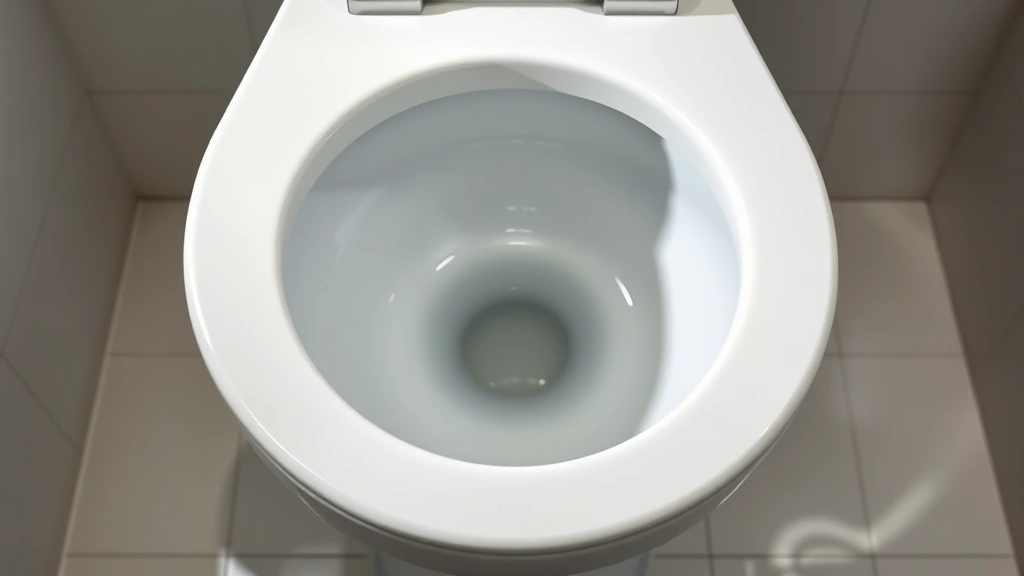
Learning how to clean toilet bowl stains is one of those skills that separates the folks who live with crusty, discolored toilets from those who keep their bathrooms looking fresh. Whether you’re dealing with hard water rings, rust streaks, or stubborn brown stains, I’ve got tested solutions that actually work without requiring you to scrub until your arms fall off.
Table of Contents
Understanding Stain Types First
Before you start attacking those stains, you need to know what you’re actually dealing with. Hard water stains are those white, crusty deposits that build up around the waterline—they’re mineral deposits, mostly calcium and magnesium. Brown or rust-colored stains usually come from iron in your water supply or from the toilet’s internal components deteriorating. Yellow stains typically indicate tannins or bacteria growth. Black stains are the most concerning because they often signal mold or mildew, which we’ll address separately.
The type of stain matters because different solutions work better for different problems. A method that blasts through hard water deposits might be useless against rust stains, and vice versa. That’s why I’m giving you multiple approaches—you’ll find the one that works for your specific situation.
Vinegar and Baking Soda Method
This is my go-to first approach because it’s safe, effective, and you probably already have these ingredients sitting in your kitchen. White vinegar is acidic enough to dissolve mineral deposits without the harshness of commercial chemicals. Baking soda acts as a gentle abrasive that helps scrub without scratching the porcelain.
Here’s the process: First, drain as much water from the bowl as you can. Use a plunger or scoop out water with a cup. Pour about 2 cups of white vinegar directly into the bowl and let it sit for 30 minutes. For stubborn stains, overnight is even better. While that’s soaking, sprinkle baking soda generously over the stained areas. The vinegar and baking soda will react and fizz—that action helps break down the stain. Use a toilet brush to scrub in circular motions, paying extra attention to the waterline where deposits love to accumulate.
This method works particularly well for hard water stains and light rust discoloration. If the stains are still visible after one treatment, repeat the process. I’ve found that patience beats elbow grease every time with this approach.
Bleach for Heavy Stains
When you’re dealing with serious staining or black mold spots, bleach-based cleaners step up the game. Bleach is a powerful oxidizing agent that breaks down stubborn organic stains and kills bacteria and mold spores. However, respect this stuff—it’s potent and requires proper ventilation and careful handling.
Pour about 1 cup of bleach directly into the toilet bowl. Make sure your bathroom is well-ventilated—open windows and doors. Let the bleach sit for 15-30 minutes depending on stain severity. Never mix bleach with other cleaners, especially ammonia-based products, as this creates toxic chlorine gas. Use your toilet brush to scrub the stained areas, working the bleach solution around the entire bowl. For really stubborn spots, you might need to repeat this process.
One pro tip: if you have hard water issues combined with staining, bleach works better after you’ve loosened deposits with vinegar first. The combination approach tackles multiple stain layers more effectively than either method alone. Always flush thoroughly after bleaching to ensure no residual bleach remains.
Pumice Stone Technique
This old-school method surprises people with how well it works, especially for rust stains that won’t budge with chemicals alone. A pumice stone is a porous volcanic rock that’s gentle enough not to scratch modern toilet porcelain but abrasive enough to physically scrub away stains. You can find pumice stones in the foot care section of most drugstores or online.
Before using a pumice stone, soak the bowl thoroughly with water or vinegar to soften the stain area. Keep the stone wet while you’re working—this prevents scratching. Use light to medium pressure and gentle circular motions rather than aggressive scrubbing. The goal is to work with the stone’s texture, not force it. Test in an inconspicuous area first if you’re nervous about scratching, though modern porcelain is tougher than you’d think.
This technique works best for rust stains and stubborn mineral deposits. It’s chemical-free and gives you direct control over the scrubbing action. Just be patient and consistent rather than trying to remove everything in one session.
Commercial Toilet Bowl Cleaners
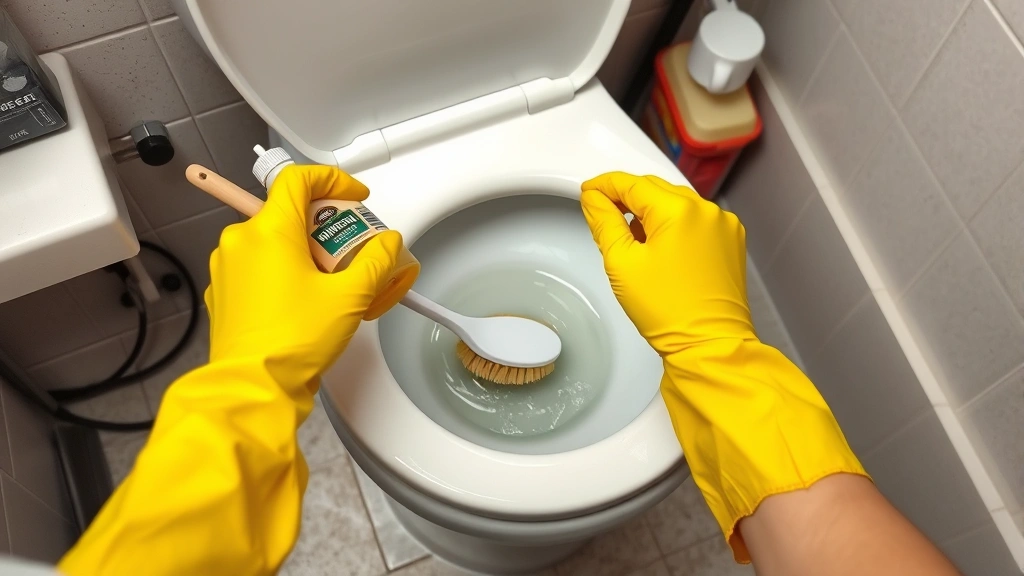
Sometimes you need the heavy artillery. Commercial toilet bowl cleaners contain stronger acids and surfactants specifically formulated to attack tough stains. Look for products containing hydrochloric acid or phosphoric acid—these are particularly effective against mineral deposits and rust stains. Brands like Clorox Toilet Bowl Cleaner and Lysol Power Toilet Bowl Cleaner are reliable workhorses that most people have good success with.
Follow the product instructions carefully. Most require you to apply the cleaner under the rim so it coats the entire bowl, then let it sit for 15-30 minutes before scrubbing. Ventilation is essential with these products—they have strong chemical odors and you don’t want to be breathing in fumes. Wear gloves to protect your skin and avoid splashing the cleaner on your clothes or skin.
Commercial cleaners are particularly good for stubborn stains that resist natural methods, but they’re overkill for routine maintenance. Save them for when you really need the firepower. If you’re dealing with how long it takes for mold to grow in your bathroom, commercial cleaners are your friend for prevention.
Prevention and Maintenance Strategy
The best stain is one you never have to scrub. Prevention is dramatically easier than dealing with heavy staining after months of neglect. Clean your toilet bowl at least once a week with a toilet brush and regular cleaner. This prevents stains from building up in the first place.
If you have hard water in your area, consider adding a water softener or installing a point-of-use filter on your toilet supply line. These reduce mineral content before it ever hits your bowl. You can also add a drop of vinegar or a commercial hard water prevention product to your regular cleaning routine—just a small amount goes a long way.
Keep your bathroom well-ventilated to prevent moisture buildup that encourages mold growth. Run your exhaust fan during and after showers, and keep the toilet seat up when not in use to allow air circulation. These simple habits prevent the conditions that lead to stubborn staining.
Tackling Hard Water Deposits
Hard water is the nemesis of clean toilets. Those white, chalky deposits form because minerals in your water crystallize and stick to the bowl. The best approach combines prevention with aggressive treatment. If you’re dealing with severe hard water stains, try the vinegar soak method first, then follow up with a commercial hard water cleaner if needed.
For ongoing hard water issues, install a water softener system in your home. This is a bigger investment but pays dividends throughout your plumbing system, not just your toilet. Alternatively, use a whole-house filter or a point-of-use filter specifically for the toilet. Regular vinegar treatments—even just pouring a cup in the bowl weekly—help prevent mineral buildup from becoming a major problem.
Safety Precautions Matter
Working with toilet cleaners means handling chemicals that deserve respect. Always ventilate your bathroom thoroughly before, during, and after cleaning. Open windows, turn on exhaust fans, and keep the door open. Never mix different cleaning products—this is especially critical with bleach, which creates toxic fumes when combined with ammonia or acids.
Wear rubber gloves to protect your skin from chemical burns. If you’re using commercial cleaners, follow the label instructions exactly. Don’t exceed recommended contact times or concentrations thinking it’ll work better—it won’t, and you risk damaging the toilet or your health. Keep cleaners away from children and pets, and store them in their original labeled containers in a cool, dry place.
If you have sensitive skin or respiratory issues, consider sticking with natural methods like vinegar and baking soda. They’re slower but safer, and honestly, they work fine for most routine staining. Your health is worth the extra time.
Frequently Asked Questions
Can I use bleach and vinegar together to clean toilet stains?
No. Mixing bleach with vinegar creates toxic chlorine gas. Use them separately in different cleaning sessions, or stick with one method at a time. If you use vinegar first, flush thoroughly and let the bowl air out before using bleach.
How often should I clean my toilet bowl to prevent stains?
Weekly cleaning prevents most stain buildup. If you have hard water or heavy use, twice weekly is better. Regular maintenance beats intensive scrubbing every time.
What’s the difference between hard water stains and rust stains?
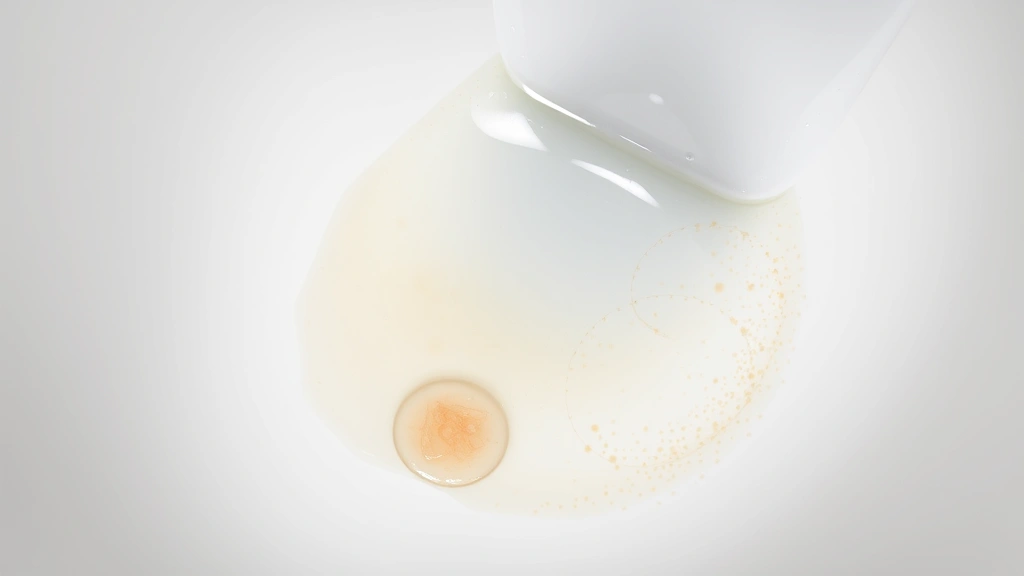
Hard water stains are white or light gray mineral deposits, usually calcium. Rust stains are brown or orange and come from iron in your water. They require different treatment approaches—vinegar works better for hard water, while pumice or bleach works better for rust.
Is pumice stone safe for all toilet bowls?
Modern porcelain toilets are durable enough for pumice stone use, but older or lower-quality toilets might scratch more easily. Test in a hidden area first if you’re unsure. Always keep the stone wet to minimize scratching risk.
Why do some stains keep coming back?
If stains return quickly, your water likely has high mineral content or iron. Prevention through regular cleaning and water treatment is essential. A one-time deep clean won’t solve the underlying water quality issue.
Can I use the same methods for black mold stains?
Black stains require bleach-based cleaners for effective mold killing. Vinegar and baking soda won’t eliminate mold spores. Use bleach, ensure good ventilation, and address moisture issues in your bathroom to prevent regrowth.
What should I do if nothing works?
If stains persist after trying multiple methods, your toilet might have internal damage or the staining might be permanent discoloration. Consider professional plumbing assessment or toilet replacement if the bowl is severely damaged. Sometimes the porcelain itself is compromised.
For comprehensive home maintenance, check out our guide on how to clean a self-cleaning oven for similar deep-cleaning strategies. And if you’re looking to improve overall home upkeep, learning how to aerate lawn is equally important for outdoor maintenance.
Final Thoughts on Clean Toilets
Getting your toilet bowl sparkling clean doesn’t require expensive products or backbreaking scrubbing. You’ve got five solid methods to choose from depending on your stain type and what you have available. Start with the gentlest approach—vinegar and baking soda—and escalate to stronger methods only if needed.
The real secret is consistency. Weekly cleaning prevents the buildup that leads to stubborn stains. If you’re dealing with hard water or high iron content, address the root cause with water treatment rather than just treating symptoms. Your bathroom will thank you, and you’ll spend way less time scrubbing.
Remember, safety comes first. Ventilate properly, never mix cleaners, and wear gloves. These aren’t suggestions—they’re requirements when working with bathroom chemicals. Now get in there and make that toilet shine. You’ve got this.


