
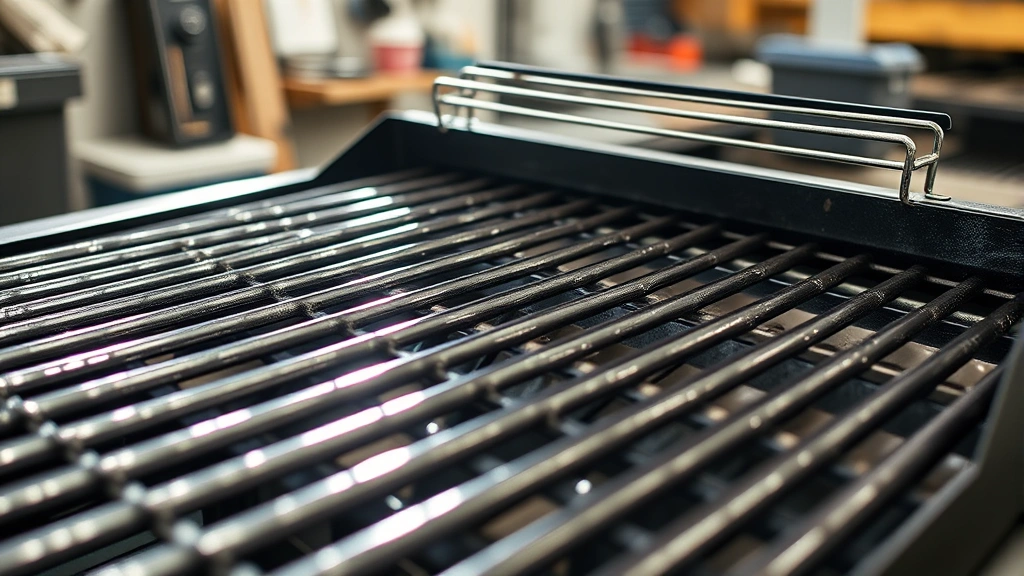
Learning how to clean the barbecue grill grate is one of those skills that separates weekend warriors from actual pitmasters. A grimy grate doesn’t just look rough—it affects heat distribution, imparts off-flavors, and turns your next cookout into a stick-fest. The good news? You don’t need fancy chemicals or expensive equipment. I’m going to walk you through the exact process I use, whether you’re dealing with a crusty cast iron beast or a stainless steel beauty.
Table of Contents
Why Grate Cleaning Matters
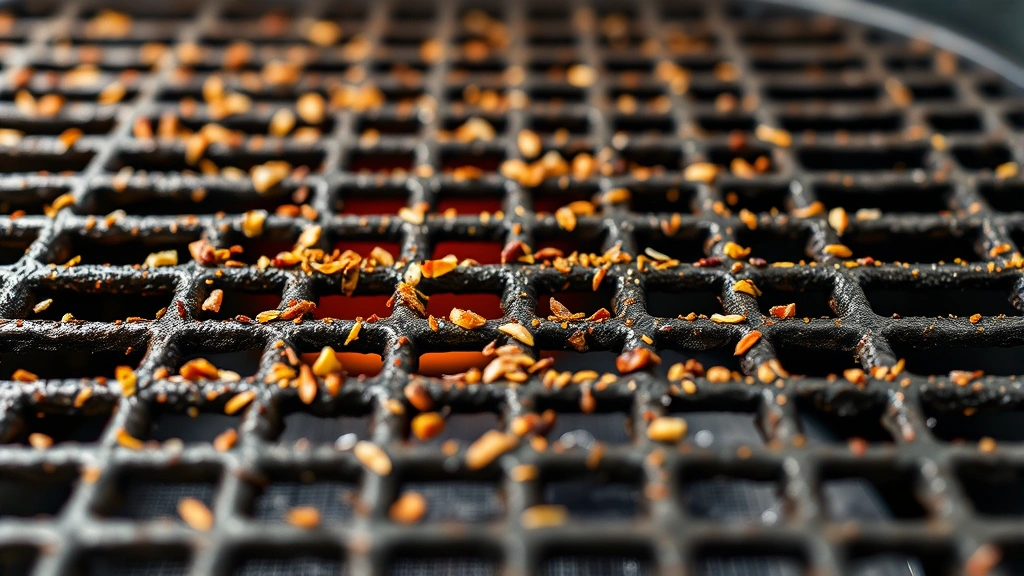
Before you grab a brush, understand what’s actually happening on that grate. Every time you cook, meat juices, grease, and carbon deposits build up in layers. This stuff doesn’t just look nasty—it creates hot spots, prevents proper heat contact with your food, and can actually taste acrid when it burns off during your next cook. Clean grates mean better searing, more even cooking, and food that tastes like it should. Think of it like tuning a guitar before a gig; you’re not being fussy, you’re being professional.
Gather Your Tools First
You don’t need much. Here’s what I keep in my grilling arsenal: a grill brush (brass or stainless steel bristles, never steel wool on stainless), a spray bottle with water, a putty knife or grill scraper, and optionally some aluminum foil. That’s genuinely it. Some people swear by commercial grill cleaners, but honestly, they’re overkill for regular maintenance. Save your money and stick with what works.
The Hot Grate Method Works
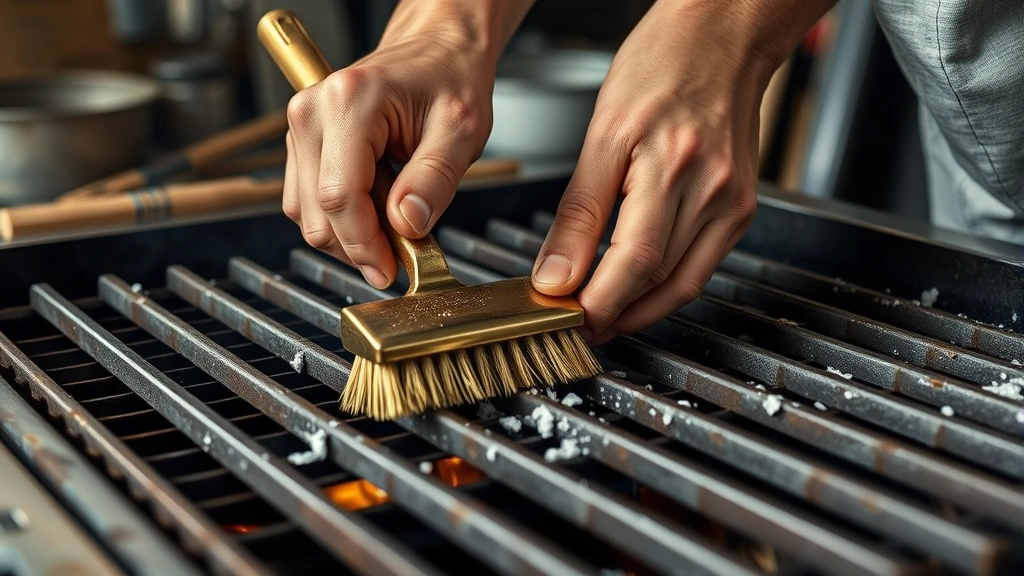
Here’s the insider move: always clean your grate while it’s hot. I’m talking 400°F or hotter. Fire up your grill 10-15 minutes before you plan to clean. The heat loosens carbon buildup and makes scrubbing exponentially easier. Cold grates? That’s a losing battle. The residue hardens and clings like it’s welded on. Hot grates release their grip. Once the grate reaches temperature, use your grill brush with firm, directional strokes—always brush lengthwise along the bars, not across them. This prevents debris from settling between the grates.
Scrubbing Techniques That Stick
Technique matters more than elbow grease here. Use medium pressure and let the brush do the work. Aggressive scrubbing doesn’t clean better; it just wears out your brush faster and can damage certain grate finishes. Work in sections, hitting both the top and bottom surfaces. The bottom gets neglected but collects just as much gunk. If you’re dealing with cast iron grates (like those on cast iron skillets), you can be slightly more aggressive, but still respect the metal. For stainless steel appliances-grade grates, stay gentle to avoid scratching the finish.
Dealing With Stubborn Buildup
Sometimes you’ll hit a grate that looks like it hasn’t been cleaned since the Clinton administration. Here’s your nuclear option: crumple up aluminum foil into a ball (shiny side out) and use it as a scrubber on the hot grate. Seriously. The foil is just soft enough to not damage the grate but abrasive enough to remove serious carbon. Wear a glove—the foil heats up fast. For really baked-on stuff, let the grate preheat to 500°F, then scrub with foil. The extra heat makes all the difference. You can also use a putty knife for leverage on stubborn spots, but go carefully near edges.
Seasoning After Cleaning
After you’ve scrubbed everything clean, the grate is now bare and vulnerable. This is when you season it. While the grate is still hot (around 350°F), use a paper towel with a tiny bit of high-heat oil (vegetable, canola, or grapeseed work great) and wipe it across the grate. The heat helps the oil bond to the metal and creates a protective layer that prevents rust and improves non-stick properties. This step takes 30 seconds but extends your grate’s life by years. Don’t oversaturate—a light coating is all you need.
Maintenance Between Cookouts
The secret to never having a gross grate is doing a quick brush-down right after you finish cooking, while everything’s still hot. Takes two minutes. Grab your brush and give it a once-over before the grate cools completely. This prevents buildup from hardening and means your next cleaning session is laughably easy. I do a full deep clean maybe once a month during grilling season, but these quick touch-ups happen every single cook. It’s the difference between maintenance and remediation.
Different Grate Materials Matter
Not all grates are created equal. Cast iron grates are forgiving and actually improve with age as seasoning builds up. They can handle aggressive scrubbing without complaint. Stainless steel grates are tougher but can scratch, so use softer brushes and avoid steel wool. Chrome-plated grates need gentle handling because the chrome layer is thin and can flake if you go full caveman on them. Porcelain-coated grates? Those are the divas of the grate world—use only soft brushes and never use metal scrapers. Know what you’ve got before you start scrubbing.
Frequently Asked Questions
Can I use a wire brush on all grate types?
No. Wire brushes work fine on cast iron but can scratch stainless steel and damage chrome plating. Stick with brass or soft nylon brushes if you’re unsure about your grate material. When in doubt, check your grill’s manual.
Should I clean the grate before or after cooking?
Both, actually. Do a quick brush right after cooking while it’s hot to prevent buildup. Then do your thorough cleaning before your next cook. The post-cook cleanup is maintenance; the pre-cook cleaning is preparation.
What’s the best grill cleaner product?
Honestly? Hot water and a brush beat most commercial products. If you want something stronger, white vinegar in a spray bottle works surprisingly well for loosening carbon. For tough situations, there are commercial grill cleaners, but they’re not necessary for regular maintenance.
How often should I deep clean my grates?
During active grilling season (spring through fall), I do a deep clean monthly. Off-season? Once before storage and once when you pull it out. If you do those quick post-cook brush-downs, the deep cleans are genuinely easy.
Can I soak my grates in something?
You can soak cast iron grates in white vinegar overnight to help loosen rust, but don’t soak stainless or chrome-plated grates—extended moisture exposure can cause corrosion. For cast iron, vinegar works; for everything else, stick with mechanical cleaning.
Why do my grates rust after cleaning?
You’re probably not seasoning them afterward. After cleaning, apply a light coat of high-heat oil while the grate is still warm. This creates a protective barrier. If rust still appears, you might have humidity issues in your storage area.
Summary
Cleaning your barbecue grill grate isn’t complicated—it just requires the right approach and consistency. Heat is your best friend here; a hot grate releases buildup way better than a cold one. Use appropriate brushes for your grate material, always season after cleaning, and develop the habit of doing quick touch-ups after every cook. Your food will taste better, your grill will last longer, and you’ll actually enjoy the maintenance instead of dreading it. That’s the difference between owning a grill and actually grilling like you mean it.


