
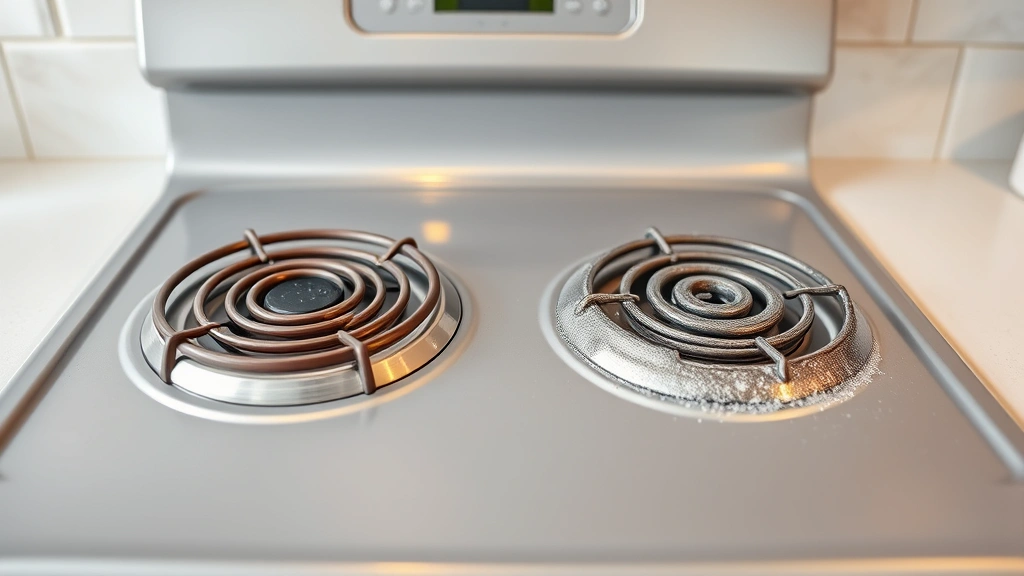
Learning how to clean stove burners is one of those skills that saves you money and keeps your kitchen looking sharp. Whether you’ve got baked-on gunk from last week’s dinner or just general grime buildup, there’s a method that’ll work for your situation. I’ve tested these approaches in real kitchens, and they all deliver results without requiring you to replace expensive burner components.
Table of Contents
Why Clean Your Burners
Your stove burners work hard. Every time you cook, heat causes spills and splatters to bake onto the surface. Over time, this buildup affects heat distribution, makes your stove look neglected, and can actually create smoke and odors during cooking. Regular cleaning of your stove burners ensures even heating, extends the life of your equipment, and keeps your kitchen hygienic. Plus, a clean stovetop is one of those quick wins that makes your whole kitchen feel more organized.
Baking Soda Paste Method
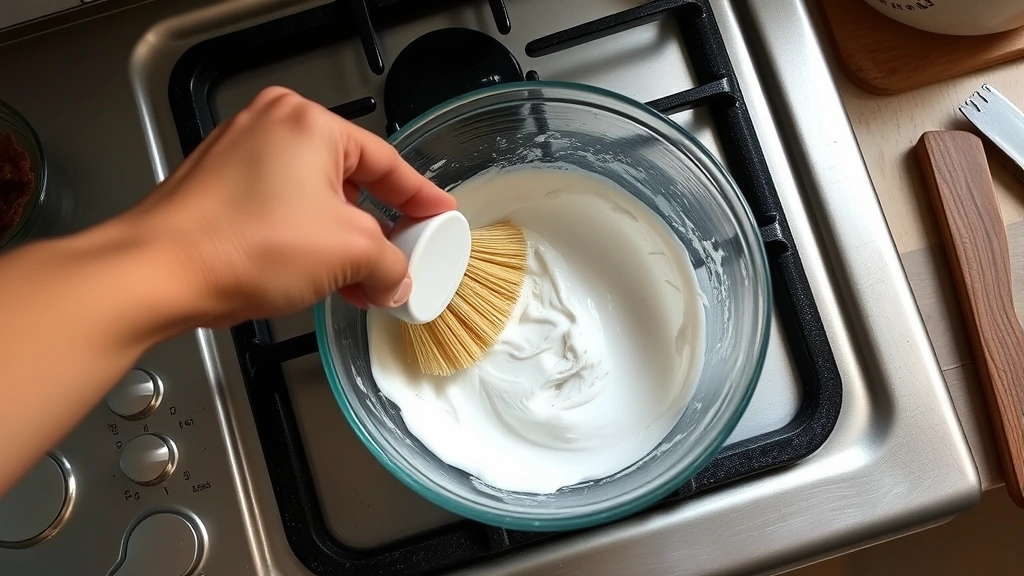
This is my go-to approach for moderate buildup. Baking soda is gentle, non-toxic, and works surprisingly well on stubborn spots. Here’s exactly what to do:
First, remove the burners from your stove if possible. Most modern ranges let you lift them straight out. Mix baking soda with just enough water to create a thick paste—think peanut butter consistency. Spread this paste generously over the burner surface, getting into all the crevices and around the heating coils. Let it sit for 15-30 minutes. The longer you wait, the more time the baking soda has to break down the grime.
After waiting, use a soft brush or old toothbrush to gently scrub the burner. You’ll see the paste darken as it lifts away the buildup. For stubborn spots, apply more paste and let it sit another 10 minutes. Rinse thoroughly with warm water and dry completely before reinstalling. This method works particularly well for everyday cooking residue and won’t damage coil burners.
White Vinegar Soak
White vinegar is acidic enough to cut through grease and mineral deposits without harsh chemicals. This method works best for burners that have been neglected for a while. Fill a large pot or basin with equal parts white vinegar and water. Submerge your removed burners completely and let them soak for 30 minutes to an hour.
The vinegar will soften the buildup significantly. Use a scrub brush to work away the loosened debris. For really stubborn spots, you can boil the vinegar-water solution with the burners inside—this intensifies the cleaning power. After scrubbing, rinse with clean water and dry thoroughly. Your burners will smell a bit like vinegar initially, but that odor disappears once they dry.
This approach is excellent for removing grease and food particles that accumulate during regular meal preparation. The natural acidity makes it safe for all burner types.
Ammonia Overnight Trick
For the most stubborn, baked-on messes, ammonia is a powerhouse. This method requires patience but delivers impressive results. Place your removed burners in a large plastic bag or container. Pour a small amount of ammonia into the bottom—you’re not soaking them, just creating fumes. Seal the bag tightly and let it sit overnight or for at least 8 hours.
The ammonia fumes work to loosen the buildup without you having to scrub as hard. In the morning, open the bag outside or in a well-ventilated area (ammonia is strong-smelling). The grime should wipe away much more easily now. Use warm soapy water and a brush to finish the job. This method is incredibly effective but requires proper ventilation and careful handling of ammonia.
Safety note: Never mix ammonia with bleach or other cleaners. Use ammonia only in well-ventilated spaces and keep it away from children and pets.
Boiling Water Treatment
Sometimes the simplest approach works best. Fill a large pot with water and bring it to a rolling boil. Carefully place your burners into the boiling water—you may need to do this in batches depending on pot size. Let them boil for 10-15 minutes. The heat and moisture work together to soften baked-on food and grease.
Remove the burners carefully with tongs and place them on a towel to cool slightly. Once they’re cool enough to handle, use a soft brush or cloth to wipe away the loosened debris. For extra cleaning power, add a tablespoon of baking soda to the boiling water. This method is safe, chemical-free, and works well for regular maintenance cleaning. It’s also perfect before you tackle using your burners for special cooking projects.
Commercial Oven Cleaner
When all else fails, commercial oven cleaners are designed to handle serious buildup. These products contain stronger chemicals that break down stubborn grime quickly. Always follow the manufacturer’s instructions carefully. Typically, you’ll spray the cleaner on the burner, let it sit for the recommended time, and then scrub and rinse thoroughly.
Wear gloves and ensure good ventilation when using commercial cleaners. They’re effective but shouldn’t be your first choice because of their chemical nature. Reserve this method for burners that haven’t been cleaned in months or for particularly stubborn spots that other methods won’t touch. After using chemical cleaners, rinse your burners extremely well before reinstalling them on your stove.
Preventing Future Buildup
The best approach to cleaning stove burners is preventing excessive buildup in the first place. Wipe up spills immediately after they cool—don’t wait until they bake on. Keep a damp cloth near your stove during cooking and quickly address any splatters. Use burner covers or splatter screens when cooking messy foods.
Establish a weekly maintenance routine: remove your burners and do a quick rinse with warm soapy water. This takes five minutes and prevents grime from accumulating. Check your burners monthly for any developing buildup and address it before it becomes stubborn. When you’re planning longer cooking projects, take extra care to monitor your burners for spills.
Electric vs Gas Burners
Electric coil burners and gas burner grates require slightly different approaches. Electric coils are more delicate—never submerge them completely or use excessive water around the electrical connections. Instead, use the baking soda paste method or ammonia fumes approach, keeping moisture away from the base where the coil connects to your stove.
Gas burner grates are tougher and can handle soaking methods more easily. You can boil them, soak them in vinegar, or use commercial cleaners without worry. The caps that sit on top of gas burners can usually be soaked and scrubbed vigorously. If your gas burner has a spark ignitor, keep it dry and clean it gently with a dry brush rather than water.
Safety Considerations
Always unplug your stove or turn off the breaker before removing burners. Let electric coils cool completely if they were recently used. Never use water on electric burners while they’re plugged in. When using chemical cleaners like ammonia or commercial oven cleaner, ensure your kitchen is well-ventilated and keep the products away from children and pets.
If you have a gas stove, make sure the gas is turned off at the valve before removing grates. Don’t force burners that seem stuck—gently wiggle them side to side while pulling. If a burner won’t come out, consult your stove’s manual rather than forcing it and risking damage. When reinstalling burners, make sure they’re completely dry and properly seated before turning your stove back on.
Frequently Asked Questions
How often should I clean my stove burners?
For regular use, a weekly quick rinse keeps buildup minimal. Do a deeper clean monthly using one of the methods above. If you cook frequently or have spill incidents, clean more often. The goal is preventing buildup before it becomes stubborn.
Can I use steel wool on my burners?
Steel wool can scratch electric coil burners and damage their surface. For gas grates, fine steel wool is acceptable on tough spots, but soft brushes are gentler. Always test in an inconspicuous area first, and use gentle pressure.
What’s the fastest way to clean stove burners?
The boiling water method is fastest for light to moderate buildup—just 15 minutes total. For heavier grime, the ammonia overnight method requires patience but minimal active work from you. The baking soda paste method offers a good middle ground at about 30-45 minutes.
Is it safe to use bleach on stove burners?
Avoid bleach on stove burners. It can damage the metal surface and create toxic fumes if mixed with other cleaners. Stick with vinegar, baking soda, or ammonia instead.
Why do my burners keep getting dirty so quickly?
This usually means spills are baking on immediately. Use splatter screens, wipe spills quickly before they harden, and ensure your pots and pans fit your burner size properly. Oversized cookware causes more splattering.
Can I replace just the burner coils instead of cleaning them?
Yes, replacement coils are inexpensive and available for most electric ranges. However, cleaning usually solves the problem and keeps your original burners functioning. Reserve replacement for coils that are damaged or won’t heat properly.
Final Thoughts
Knowing how to clean stove burners properly saves you money and keeps your kitchen in top shape. You’ve got five solid methods to choose from, depending on how stubborn your buildup is and how much time you want to invest. Start with the gentlest approach that matches your situation, and move to stronger methods only if needed.
The real win is preventing excessive buildup through quick weekly maintenance. Spend five minutes a week wiping down your burners, and you’ll rarely need to do deep cleaning. Your stove will heat more evenly, look better, and last longer. That’s the kind of simple maintenance that pays dividends in your kitchen.


