
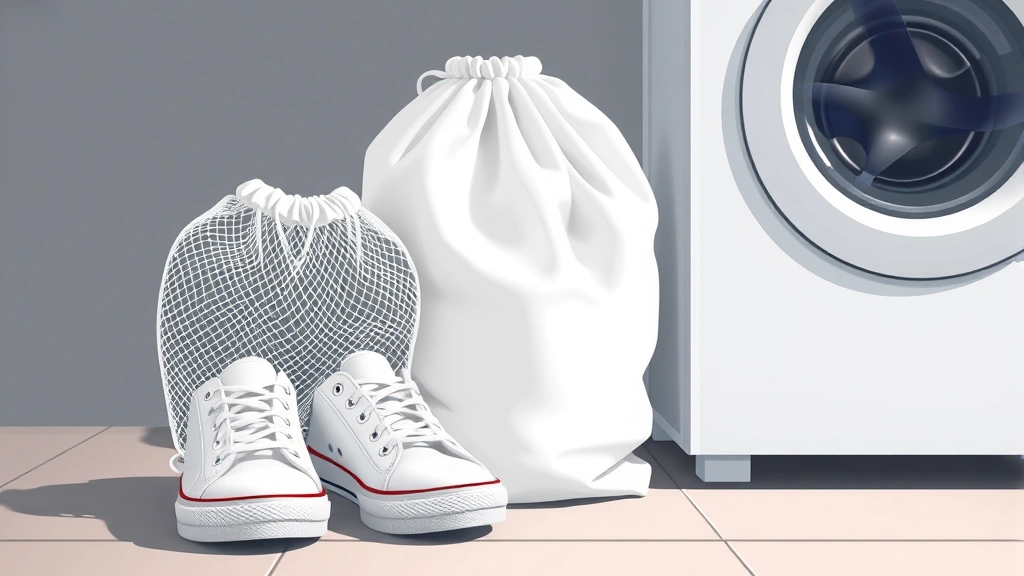
Let’s be real—throwing your dirty shoes in the washing machine feels like cheating, and honestly, it kind of is. But here’s the thing: how to clean shoes in washing machine is actually one of the smartest moves you can make if you do it right. Most people either ruin their shoes or their machine trying to figure this out. This guide walks you through exactly what works, what doesn’t, and how to keep both your kicks and your washer in good shape.
The fear is real. You’ve heard horror stories about shoes bouncing around like a pinball machine, damaging the drum, or coming out looking worse than they went in. But when you follow the right steps, how to clean shoes in washing machine is fast, effective, and way less labor-intensive than scrubbing by hand. Let’s dig in.
Which Shoes Are Safe for the Washing Machine?
Not all shoes belong in a washing machine. This is the first rule, and it’s non-negotiable. Canvas sneakers, athletic shoes, and most rubber-soled trainers? Absolutely. Leather dress shoes, suede boots, or anything with glued components? Hard pass. Think of it like this: if your shoe is held together by adhesive rather than stitching, heat and water are its enemies.
Safe shoes to wash:
- Canvas sneakers (Converse, Vans, etc.)
- Athletic running shoes (mesh uppers)
- Synthetic sports shoes
- Most casual trainers
- Plimsoles and slip-ons
- Nylon hiking shoes
Shoes you should avoid:
- Leather or suede anything
- Dress shoes with glued soles
- Wool or felt uppers
- Shoes with delicate embellishments
- Anything vintage or expensive
- Shoes with cardboard insoles
Check the manufacturer’s tag inside your shoe. Most modern athletic brands actually recommend machine washing now. If there’s no tag or you’re unsure, err on the side of caution—hand wash instead. A few minutes of scrubbing beats replacing a $150 pair of shoes.
Prep Work: Getting Your Shoes Ready
This step separates people who get great results from people who end up with muddy shoes that still smell. Prep work takes maybe five minutes and makes all the difference.
Step 1: Remove the Insoles
Always take out the insoles before washing. They’re usually glued in and can fall apart, clog your machine, or come out looking like soggy cardboard. Wash them separately by hand with warm soapy water and let them air dry completely. If they’re beyond saving, this is a good time to replace them.
Step 2: Knock Out the Loose Dirt
Take your shoes outside and bang them together over a trash can or garden bed. Get the mud, dirt, and debris out. This prevents your washing machine from becoming a mudslinger. If there’s caked-on mud, use an old toothbrush or soft brush to loosen it. Don’t go crazy—just enough to remove the heavy stuff.
Step 3: Check the Laces
Laces can get tangled and cause problems. You have two options: remove them entirely and wash separately, or tie them in a loose knot so they don’t flail around. Most people remove them. Laces wash fine in a mesh bag or even just loose in the machine, but keeping them separate means they dry faster and you can replace them if they’re worn out.
Step 4: Spot-Treat Stains
If there are obvious stains (grass, blood, grease), pre-treat them. Use a small brush with a bit of laundry detergent or stain remover and gently work it in. Let it sit for 10-15 minutes. This gives you a much better chance of getting those marks out in the wash.
The Washing Process: Settings That Actually Work
This is where most people go wrong. They throw shoes in on a regular cycle and wonder why they come out damaged or still dirty. The key is understanding that shoes need gentler treatment than clothes but still need real cleaning power.
Use a Mesh Laundry Bag
This is non-negotiable if you want to protect your machine and your shoes. A mesh laundry bag (also called a wash bag) costs about $5 and keeps your shoes from banging around the drum. It also prevents laces from getting caught in the drum seal. Put both shoes in the same bag—they’re a pair, and they’ll balance each other out.
Water Temperature: Warm, Not Hot
Use warm water (around 80-90°F). Hot water can damage the glue on shoe soles and degrade certain materials. Cold water works too, but warm water is more effective at breaking down dirt and oils. Think of it like washing dishes—warm water just works better than cold.
Cycle Selection: Gentle or Delicate
Use your washing machine’s gentle, delicate, or hand-wash cycle. Not the normal cycle. Not heavy-duty. Gentle. These cycles have slower spin speeds and less agitation, which means your shoes get clean without getting beaten up. The cycle usually runs 30-40 minutes, which is plenty of time.
Detergent Amount: Less Than You Think
Use about half the amount of detergent you’d normally use for a regular load. Too much detergent leaves residue on your shoes and can be hard to rinse out completely. A liquid detergent works better than powder for shoes because it dissolves more easily. Skip the fabric softener entirely—it can leave a slippery coating on shoe soles.
Load Size: Don’t Overstuff
Wash a maximum of two pairs of shoes per load. If you try to wash four pairs at once, they won’t get clean and they’ll bang into each other. Your washing machine isn’t a laundromat.
Here’s a real-world example: I recently washed a pair of white canvas sneakers that had been through a whole summer of yard work. Mesh bag, warm water, gentle cycle, half a cap of detergent. Thirty-eight minutes later, they looked brand new. No damage to the machine, no damage to the shoes.
Drying Your Shoes the Right Way

This is where people mess up almost as much as they do in the washing stage. Throw your wet shoes in the dryer on high heat? That’s how you end up with shoes that are permanently warped and falling apart at the seams.
Never Use a Clothes Dryer
The heat will damage the glue, warp the shoe structure, and potentially melt synthetic materials. It’s just not worth it. Even on low heat, you’re taking a risk.
Air Drying: The Right Way
Remove your shoes from the mesh bag immediately after the cycle finishes. Stuff the insides loosely with newspaper or paper towels—this helps them maintain their shape and absorbs moisture. Change the newspaper every few hours if they’re really wet. Place them in a well-ventilated area at room temperature, away from direct sunlight or heat sources.
Direct sunlight can fade colors and degrade materials over time, so a shaded spot is better. A garage, mudroom, or laundry room works great. Most shoes take 24-48 hours to dry completely depending on humidity and how wet they are. Don’t rush this. Wet shoes left in a bag or closed space will develop mildew and smell terrible.
Speed Up Drying (The Safe Way)
If you need them dry faster, place them in front of a fan. Air circulation is your friend. Some people use a shoe rack or hang them by the laces near a window. Just keep them away from direct heat.
Once they’re completely dry, put the cleaned insoles back in and thread the laces back through (if you removed them). Your shoes should smell fresh and look significantly better than when you started.
Special Cases: Leather, Suede, and Delicates
I know I said don’t wash these in a machine, but let me explain why and what to do instead, because there’s a middle ground for some situations.
Leather Shoes
Leather is porous and absorbs water. Machine washing will cause it to shrink, crack, and lose its shape permanently. Hand wash leather shoes instead. Use a soft cloth, warm soapy water, and gently wipe the surface. For stubborn stains, use a specialized leather cleaner. According to Family Handyman, leather requires gentle care that machines simply can’t provide. Condition leather shoes after cleaning to restore moisture and flexibility.
Suede and Nubuck
These materials are even more delicate than leather. They’ll pill, stain permanently, and lose their soft texture in a washing machine. Use a soft suede brush to remove surface dirt, and for stains, use a specialized suede eraser or cleaner. If your suede shoes get soaked, let them dry naturally and then brush them gently.
Shoes with Embellishments
If your shoes have sequins, beads, rhinestones, or other decorations, keep them out of the washing machine. The agitation will loosen or tear off the decorations. Hand wash these carefully or have them professionally cleaned.
Wool and Felt Uppers
Wool shrinks in hot water and can felt permanently. If you have wool shoes, hand wash in cool water with a gentle detergent designed for wool. Rinse thoroughly and dry flat.
Protecting Your Washing Machine
Your washing machine isn’t designed to wash shoes, so you need to take steps to protect it. The good news is that when you follow the mesh bag method, you’re already doing most of the work.
The Mesh Bag Is Essential
I keep mentioning this because it’s that important. The mesh bag prevents shoes from hitting the drum seal, getting caught in the pump, or damaging the drum itself. It’s cheap insurance. Buy a quality one that won’t tear easily.
Clean Your Machine After
After washing shoes, run an empty cycle with hot water and a cup of white vinegar or a commercial washing machine cleaner. This removes any residual dirt or detergent that might have escaped the mesh bag. Check out our guide on how to clean a washing machine for detailed instructions on deep cleaning.
Inspect the Rubber Gasket
After washing shoes, open the door and check the rubber gasket (the seal around the door) for any debris. Wipe it clean with a dry cloth. Dirt trapped in there can cause mold and mildew growth.
Don’t Make It a Habit
Washing shoes occasionally is fine. Washing shoes every week? That’s pushing it. Hand wash or spot-clean your shoes most of the time, and reserve machine washing for when they really need it—after a muddy hike, heavy yard work, or when they’re visibly dirty all over.
Common Mistakes People Make
Let me save you some grief by calling out the mistakes I see most often.
Mistake 1: Skipping the Mesh Bag
People think they can just throw shoes in loose. Then they hear a horrible banging noise and pull out shoes that are scuffed and a machine that’s potentially damaged. Use the mesh bag.
Mistake 2: Using Hot Water
Hot water feels like it should clean better, right? Not with shoes. It damages glues and materials. Warm water is the sweet spot.
Mistake 3: Throwing Shoes in the Dryer
This is the most common way to ruin shoes after washing them. The heat warps them permanently. Air dry every time.
Mistake 4: Washing Shoes That Shouldn’t Be Washed
Someone hands you their expensive leather boots and asks if you can wash them in the machine. The answer is no. Know your shoe types and stick to what’s safe.
Mistake 5: Not Removing Insoles
Insoles fall apart, clog machines, and don’t dry well. Remove them. Wash them separately by hand.
Mistake 6: Overcrowding the Load
Four pairs of shoes in one load means nothing gets clean and everything gets damaged. Two pairs maximum.
Mistake 7: Using Too Much Detergent
This leaves residue that makes shoes stiff and uncomfortable. Less is more here.
According to This Old House, proper technique is everything when it comes to appliance care and longevity. The same principle applies to washing shoes—doing it right takes minimal extra effort but makes a huge difference.
Frequently Asked Questions
Can I wash my expensive running shoes in the washing machine?
– Most modern running shoes with mesh uppers and synthetic materials can handle a gentle machine wash. Check the manufacturer’s tag first. If they’re premium shoes with special cushioning or if the tag says hand wash only, don’t risk it. The cost of replacing them probably exceeds the time you’d save machine washing.
What if my shoes still smell bad after washing?
– Smell usually comes from bacteria and mildew in the insoles and inside the shoe. Make sure you removed the insoles and washed them separately. When drying, stuff the shoes with newspaper and change it frequently. If they still smell, soak the insoles in a mixture of equal parts white vinegar and water for 30 minutes, then rinse and dry. You can also sprinkle baking soda inside the shoes while they’re drying.
Is it safe to wash shoes with other laundry?
– Technically yes, but I don’t recommend it. Shoes shed dirt and debris, and they can damage delicate fabrics. Plus, they take longer to dry than clothes. Wash shoes in their own load.
How often can I machine wash my shoes?
– Once every few months is fine. If you’re washing shoes weekly, you’re putting unnecessary wear on your machine and your shoes. For regular maintenance, spot-clean or hand wash instead.
Can I use bleach or oxygen cleaner in the wash?
– Bleach can discolor shoes, so avoid it unless they’re white and you’re specifically trying to brighten them. Even then, use it sparingly. Oxygen-based cleaners (like OxiClean) are gentler and work well for stains. Use about half the recommended amount and only on white or light-colored shoes.
What about washing shoes with orthotics or custom insoles?
– Remove custom insoles before washing. Most custom orthotics are made with materials that can be damaged by water and detergent. Wash them by hand with a damp cloth only, never submerge them. Let them air dry completely before putting them back in the shoes.
Do I need special detergent for washing shoes?
– No. Regular laundry detergent works fine. Liquid detergent is slightly better than powder because it dissolves more easily, but either works. Use about half the normal amount.
Can I wash canvas shoes the same way as athletic shoes?
– Yes. Canvas sneakers (like Converse) actually do great in the washing machine. Use the same method: mesh bag, warm water, gentle cycle, half-dose detergent. They’ll come out looking fresh.
What if my shoes have metal parts or eyelets?
– Metal eyelets and lace hooks are fine. They won’t rust from one wash. If you’re concerned, you can remove the laces and wash them separately to avoid any potential for metal corrosion, but it’s usually not necessary. Just make sure shoes dry completely afterward.
Is it better to hand wash or machine wash shoes?
– Machine washing is faster and uses less water. Hand washing is gentler and gives you more control. For everyday athletic shoes that are just dirty, machine washing is fine and saves time. For delicate shoes or anything you’re unsure about, hand wash. There’s no universal “better”—it depends on the shoe and your situation.
Can I wash my work boots in the washing machine?
– It depends on the boots. Rubber work boots with synthetic uppers? Sure, go ahead. Leather work boots? Absolutely not. Leather will shrink and crack. If your work boots are mostly leather, stick to hand washing or professional cleaning. If they’re synthetic or rubber, the same method as athletic shoes works fine.
What should I do if my shoes come out of the wash still dirty?
– Run another gentle cycle. Sometimes heavily soiled shoes need two washes. Make sure you’re using enough detergent (not too little) and that the shoes had room to move around in the mesh bag. If they’re still dirty after a second wash, there might be stains that need pre-treatment or professional cleaning.
For more information on maintaining your appliances properly, check out our guide on how to clean a washing machine and learn about keeping your equipment in top shape.

Pro Tip: Keep a dedicated mesh laundry bag just for shoes. Mark it clearly so nobody accidentally uses it for regular laundry. This keeps your shoe-washing setup simple and prevents cross-contamination of dirt into your regular clothes.
How to clean shoes in washing machine is genuinely one of those life hacks that works when you do it right. The mesh bag, warm water, gentle cycle, and air drying—that’s the formula. Your shoes come out cleaner than hand washing would get them, your machine stays protected, and the whole process takes maybe five minutes of actual hands-on time. It’s not complicated, it’s not risky if you follow these steps, and it absolutely works.
The real key is understanding that shoes aren’t clothes. They need different treatment. Respect that, use the mesh bag, skip the dryer, and you’ll be washing shoes in your machine for years without any problems. Your shoes will thank you, and so will your washing machine.


