

Learning how to clean rug doesn’t require expensive equipment or professional services—just a solid strategy and the right approach. Whether you’re dealing with everyday dust, stubborn stains, or that mysterious odor that won’t quit, I’ve got you covered with five proven steps that’ll have your rugs looking spotless and feeling fresh.
Table of Contents
Vacuum Thoroughly First
Before tackling any stains or deep cleaning, you need a clean foundation. Grab your vacuum and go over the entire rug surface, hitting it from multiple angles. This removes dust, dirt, pet hair, and debris that can trap moisture and make stains worse. Don’t rush this step—spend at least 5-10 minutes per room depending on rug size. Pay special attention to high-traffic areas where dirt accumulates most. If your vacuum has adjustable height settings, set it for rug pile height to maximize suction without damaging fibers. For stubborn debris, make two or three passes in different directions.
Identify Your Stain Type
Different stains require different treatments. Is it a greasy food stain? A water-based spill? Pet accident? Organic matter like blood or wine? Each needs a specific approach. Greasy stains respond well to dry solvents and baking soda. Water-based stains need acidic solutions like vinegar. Protein-based stains (blood, urine) require enzymatic cleaners. Take a moment to assess what you’re dealing with before mixing chemicals. This prevents you from accidentally setting a stain or damaging your rug’s fibers. When in doubt, test any cleaning solution on a hidden corner first to check for color bleeding or damage.
Spot Treat Problem Areas
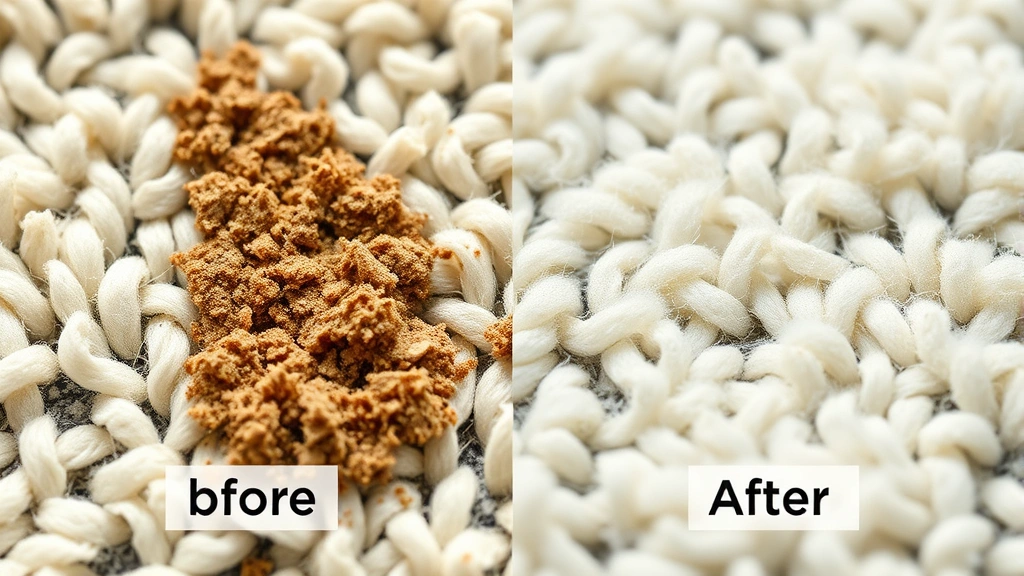
Now it’s time to attack individual stains. For fresh spills, blot immediately with a clean cloth—never rub, as that spreads the stain deeper into the fibers. For greasy stains, sprinkle baking soda and let it sit for 15 minutes to absorb oils, then vacuum thoroughly. Mix a solution of one part white vinegar to three parts water for organic stains, apply it with a spray bottle, let it sit for 5 minutes, then blot repeatedly until the stain lifts. For stubborn marks, consider using a commercial enzyme cleaner following package directions. Always work from the outside of the stain toward the center to prevent it from spreading. Keep blotting with fresh cloth sections until no more color transfers—this is crucial for complete removal.
Deep Clean Your Entire Rug
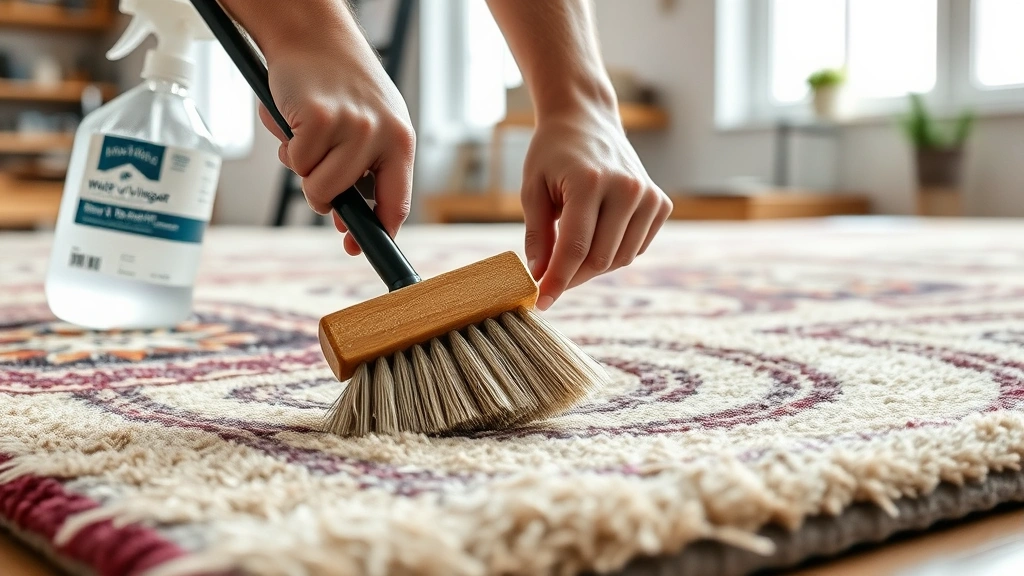
After spot treatment, your rug deserves a full deep clean. You’ve got three main options: rental carpet cleaning machines (like Rug Doctor), hiring professionals from services like Family Handyman’s recommended cleaners, or using the hot water extraction method with household supplies. For the DIY hot water method, mix equal parts white vinegar and dish soap in a bucket of hot water. Using a stiff brush, work this solution into the rug in circular motions, section by section. This agitation helps loosen embedded dirt and stains. Let the solution sit for 10-15 minutes on heavily soiled areas. The key is patience—rushing this step reduces effectiveness significantly.
Drying and Finishing Touches
Proper drying prevents mold and mildew while protecting your rug’s fibers. After cleaning, extract as much moisture as possible using towels—roll up sections and press down firmly to absorb water. Open windows and turn on fans to increase air circulation. If you have a wet-dry vacuum, use it to extract remaining moisture. Avoid walking on the rug until it’s completely dry, typically 24-48 hours depending on humidity. For faster drying, position a dehumidifier in the room and crack windows for cross-ventilation. Never use high heat directly on the rug as this can damage certain fibers. Once dry, vacuum again to restore pile texture and remove any residual cleaner particles.
Regular Maintenance Schedule
The secret to keeping rugs spotless long-term is consistent maintenance. Vacuum high-traffic areas twice weekly and the entire rug once weekly. Place doormats at entries to catch dirt before it reaches your rugs. Rotate your rug every 6-12 months to ensure even wear. Address spills immediately—the faster you act, the easier removal becomes. Consider professional cleaning annually, especially for expensive or delicate rugs. This deep maintenance schedule prevents dirt from accumulating and keeps your investment looking fresh for years. Think of it like car maintenance: regular attention beats expensive repairs later.
Eliminate Stubborn Odors
Sometimes rugs smell worse than they look. Baking soda is your secret weapon here. Sprinkle it generously over the entire rug, let it sit overnight or at least 8 hours, then vacuum thoroughly. For pet odors specifically, enzymatic cleaners break down urine compounds at the molecular level—much more effective than masking scents. White vinegar also neutralizes odors naturally; spray a light mist (not soaking) and let dry. If odors persist after treatment, the issue might be underneath the rug. Pull it back and check the floor—moisture or mold underneath requires addressing the source before the smell fully disappears. Activated charcoal placed under or near the rug also absorbs lingering smells over several days.
Professional vs DIY Cleaning
DIY cleaning saves money but requires effort and time. Professional cleaners like those recommended by This Old House bring industrial equipment and expertise, particularly valuable for delicate, antique, or expensive rugs. They handle large areas efficiently and often provide guarantees. However, professional services cost $200-600+ depending on rug size and condition. For most household rugs, DIY methods work perfectly well when done correctly. Save professional cleaning for annual maintenance or when dealing with specialized fibers like silk or wool where mistakes are costly. For rental machines, you’ll spend $40-100 per day plus cleaning solution costs—sometimes worth it for whole-house cleaning projects.
Frequently Asked Questions
Can I use bleach on my rug?
Avoid bleach unless your rug is white and made from synthetic fibers. Bleach can permanently damage colors and weaken natural fibers like wool or cotton. For stubborn stains on light-colored rugs, hydrogen peroxide is safer than bleach. Always test any solution on a hidden area first.
How often should I deep clean my rug?
Deep clean high-traffic rugs every 6-12 months, less frequently for light-use rugs. Regular vacuuming (weekly) extends the time between deep cleans significantly. Pet owners or families with children might need to deep clean every 3-6 months depending on activity level.
What’s the best way to remove pet stains?
Enzymatic cleaners specifically designed for pet messes work best because they break down uric acid. Blot fresh accidents immediately, apply the enzyme cleaner, let it sit per instructions (usually 10-15 minutes), then blot again. For old stains, soak the area and let the enzyme work longer—sometimes 24 hours for stubborn spots.
Can I use a steam cleaner on all rug types?
Steam cleaning works well for synthetic rugs and most wool, but delicate fibers like silk or antique rugs need gentler methods. Check your rug’s care label first. When in doubt, test on a hidden corner or consult Bob Vila’s rug care guides for your specific fiber type.
Why does my rug smell after cleaning?
Improper drying causes musty odors—moisture trapped in fibers promotes mold growth. Ensure complete drying with fans and dehumidifiers. If odor persists, sprinkle baking soda, let it sit overnight, then vacuum. The smell should disappear once the rug is completely dry.
Is vinegar safe for all rugs?
Vinegar is generally safe but test it first on hidden areas, especially on delicate or antique rugs. Dilute it properly (1:3 ratio with water) and never oversaturate. Some people worry about vinegar smell, but it dissipates as the rug dries.
Knowing how to clean rug effectively transforms your living space and extends your rug’s lifespan significantly. Start with thorough vacuuming, identify stain types, spot treat problem areas, deep clean using proven methods, and finish with proper drying. Maintain consistency with regular vacuuming and address spills immediately. Whether you choose DIY methods or professional services depends on your budget, time, and rug value—but either way, these five proven steps work. Your rugs will thank you with years of fresh, spotless appearance. Now get out there and give your rugs the care they deserve!


