
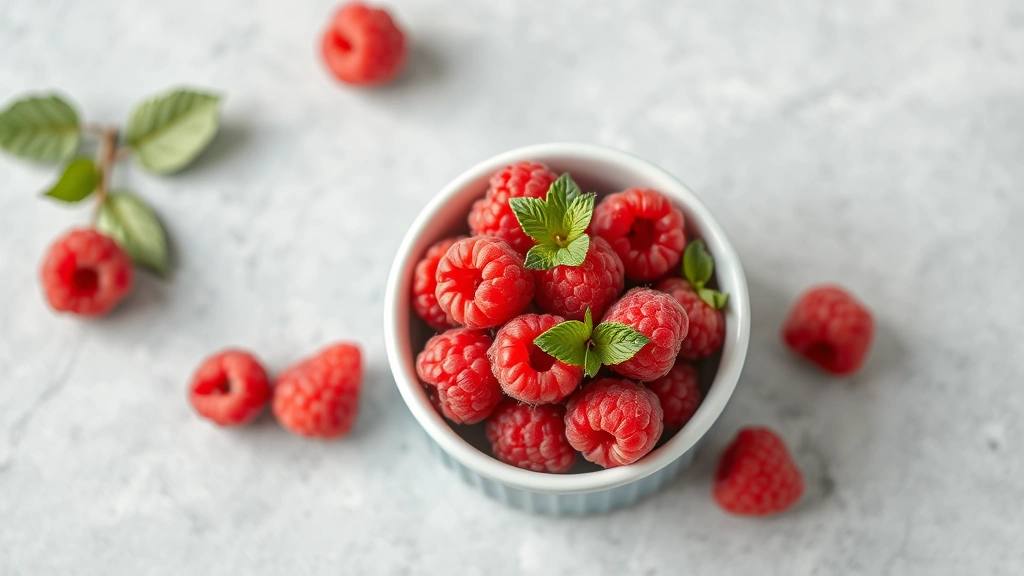
Learning how to clean raspberries properly is one of those kitchen skills that seems simple but makes a real difference in taste and food safety. These delicate berries are packed with flavor and nutrients, but they’re also prone to picking up dirt, debris, and unwanted hitchhikers during harvest and transport. The good news? It takes just a few minutes and some basic technique to get them pristine and ready to eat.
Table of Contents
Why Clean Raspberries Matter
Raspberries sit high on the delicate produce list. Their hollow structure and fuzzy exterior make them natural dirt magnets. When you pick up a container from the grocery store or farmers market, you’re getting berries that have been handled multiple times—by pickers, sorters, packers, and store staff. Dust, soil particles, and potential bacteria can settle into those tiny crevices.
The reason this matters goes beyond just appearance. Proper cleaning removes surface contaminants that could carry pathogens. It’s especially important if you’re serving these to kids, elderly folks, or anyone with a compromised immune system. Plus, taking 60 seconds to rinse them properly means better flavor and texture when you bite into them later.

The Water Rinse Method
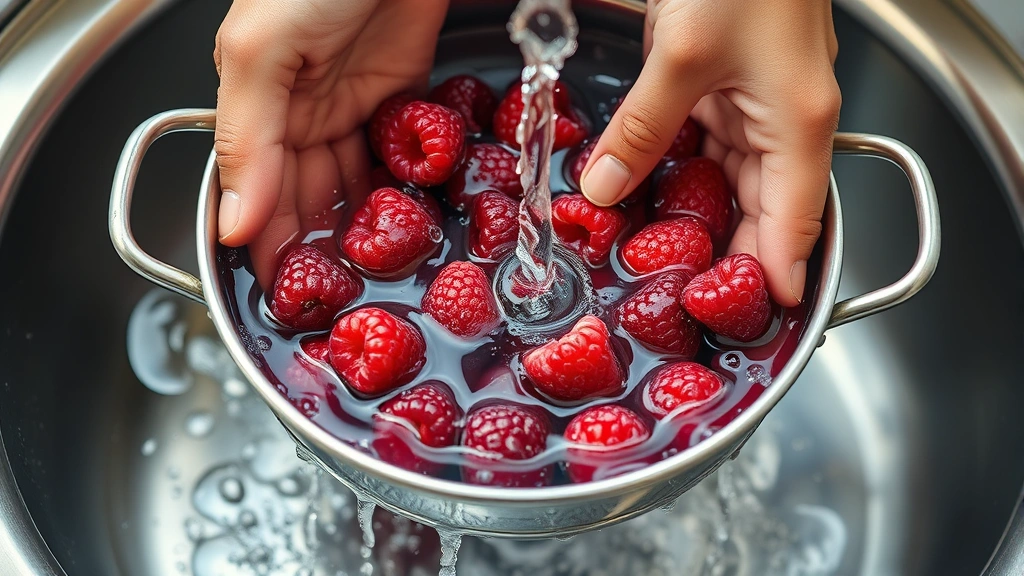
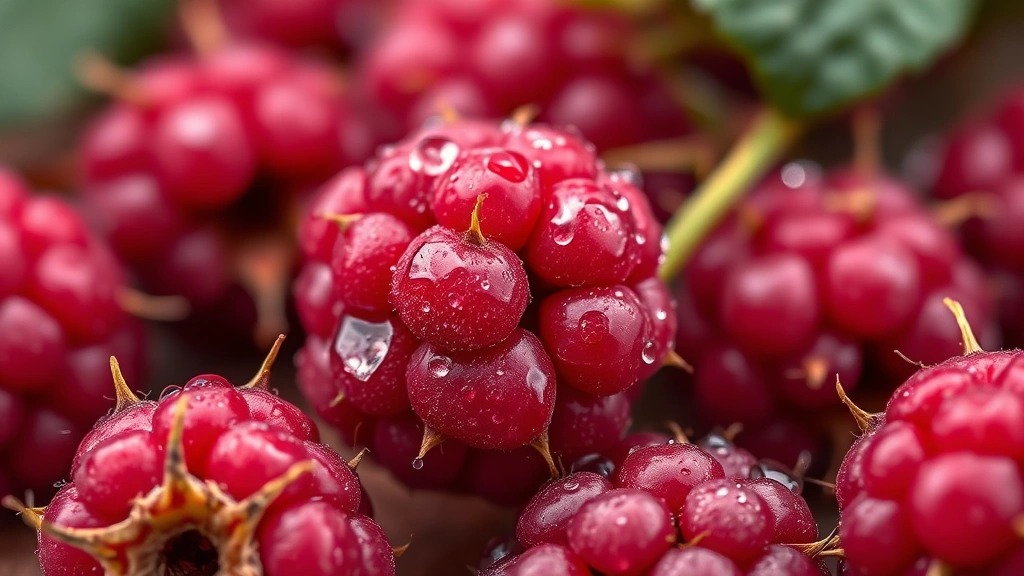
The simplest and most common approach is the gentle water rinse. Fill a colander with your raspberries and hold it under cool running water. Here’s the critical part: use a light touch. Don’t run water at full blast or agitate the berries with your hands. Let the water do the work while the colander’s holes let debris fall away.

Keep the water temperature cool—not cold, not warm. Cold water can shock the berries and cold water can sometimes cause them to absorb excess moisture. Aim for a gentle, steady stream for about 10-15 seconds. This removes surface dust and loose particles without damaging the delicate skin.

For stubborn dirt, you can very gently swish the berries in the colander under running water, but avoid squeezing or pressing them together. Think of it like shampooing hair—you want to be thorough but gentle. Once they’re rinsed, immediately move to the drying stage.

Vinegar Soak Technique
If you want to go a step beyond basic rinsing, try the vinegar soak method. This approach is especially useful if your raspberries came from a farmers market or you’re not 100% certain of their source. Mix one part white vinegar with three parts water in a bowl. The vinegar helps kill bacteria and remove any waxy residue or pesticide buildup.

Gently place your raspberries in this mixture and let them soak for about 30 seconds. Don’t leave them longer—the vinegar can start breaking down the delicate flesh. Swirl them very gently with your hand, then transfer them to a colander. Rinse thoroughly under cool running water to remove any vinegar smell or taste. The berries will smell completely normal once the water rinse is done.

This method is particularly valuable when you’re planning to use the raspberries in easy dessert recipes to feed a crowd, where food safety is paramount. You want to eliminate any doubt about contamination before serving to a group.
Paper Towel Drying Tips
Drying is where most people mess up. Wet raspberries lead to mold, mushiness, and shortened shelf life. After rinsing, place your colander over a bowl or in the sink and let gravity do the initial work for 30 seconds. Water will drain naturally.

Then comes the careful pat-dry phase. Spread raspberries on a paper towel-lined plate in a single layer. Use additional paper towels to gently blot the tops. Don’t rub or roll them around—just press down lightly with a fresh paper towel to wick away surface moisture. You’re aiming for “barely damp” not “bone dry.” Some surface moisture is fine and actually helps preserve them.

If you’re cleaning a large batch, work in sections. Don’t pile all your raspberries on one plate. The goal is air circulation and even drying. Once they’re mostly dry, you can transfer them to a storage container.

Common Cleaning Mistakes
The biggest mistake people make is using too much water pressure. High-pressure rinses damage the delicate skin and create tiny wounds where bacteria can enter. You want a gentle approach—think spa day for berries, not power wash.
Another frequent error is soaking raspberries for too long. Even in plain water, extended soaking causes them to absorb moisture and become mushy. Stick to 10-15 seconds for plain water, 30 seconds maximum for the vinegar solution. Speed matters here.

Some folks make the mistake of cleaning raspberries immediately upon bringing them home, then storing them wet. This creates the perfect environment for mold. Instead, clean them just before you plan to eat or use them. If you must clean ahead of time, ensure they’re completely dry before storing.

Finally, don’t use soap, bleach, or commercial fruit washes. These leave residues that are worse than the dirt. Stick to water and vinegar—that’s all you need.
Storage After Cleaning
Once your raspberries are clean and dry, proper storage extends their life significantly. Keep them in their original ventilated container if possible—those clamshell packages exist for a reason. The holes allow air circulation while preventing them from rolling around.
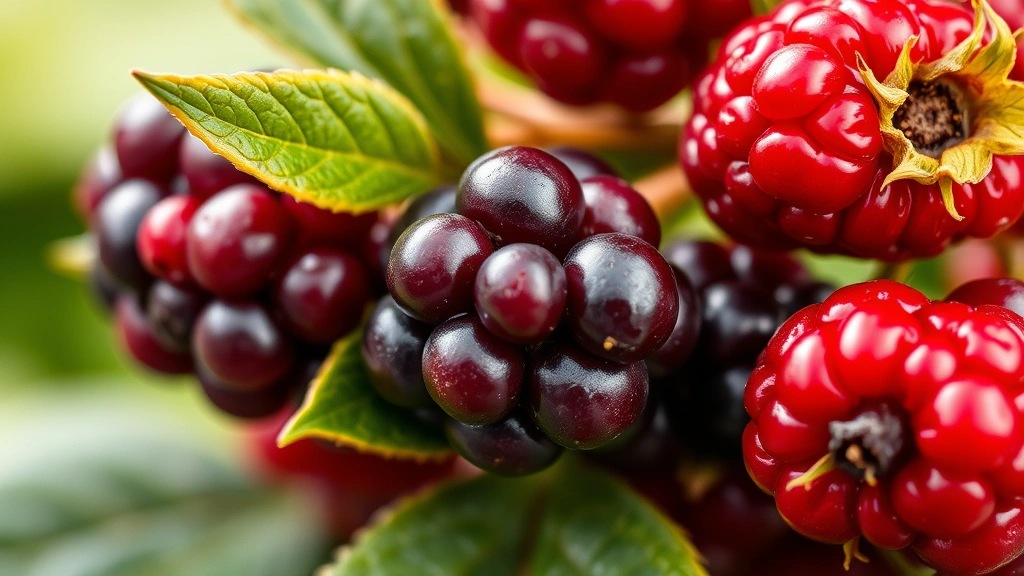
Store them in the coldest part of your refrigerator, ideally the back of the bottom shelf where temperature is most stable. Don’t wash them again before eating unless they’ve been sitting for several days. If you’re planning an elaborate dessert bar, clean the raspberries the morning of your event.
Properly cleaned and stored raspberries last 3-5 days in the fridge. If you notice any with mold or soft spots, remove them immediately to prevent spread. One bad berry can spoil the whole batch quickly.

When Not to Wash Raspberries
Here’s a pro tip: if you’re buying raspberries and planning to freeze them, don’t wash them first. Clean them after thawing if needed, or skip cleaning altogether since freezing kills most surface bacteria. Washing before freezing creates ice crystals that damage the texture even more.

Similarly, if you’re using raspberries in a smoothie or blended dessert where texture doesn’t matter, a quick rinse is sufficient. Save the thorough cleaning for situations where you’re eating them fresh or using them whole in presentations.
If your raspberries came directly from your own garden and you know they haven’t been treated with anything, a very light rinse or even just a visual inspection might be enough. The cleaner your source, the less aggressive your cleaning needs to be.
Frequently Asked Questions
Can I clean raspberries with a salad spinner?
Technically yes, but it’s risky. The centrifugal force can damage delicate raspberries, especially if you spin them too long. If you use one, do a very gentle spin at the lowest speed for just 2-3 seconds. A colander and paper towels is safer and just as effective.
Should I remove the stems before cleaning?
No, leave them on during cleaning. The stem helps protect the berry’s hollow center from water penetration. Remove stems after cleaning, just before eating or using.
How do I clean raspberries without losing them down the drain?
Always use a colander with small holes. The holes should be small enough that berries can’t fall through. If you don’t have a fine-mesh colander, place a paper towel in a regular colander to catch them while water drains away.
Is the vinegar method necessary?
Not always. If your raspberries came from a reputable source and you’re eating them fresh, a plain water rinse is fine. Use the vinegar method if you want extra assurance, if they’re for immunocompromised people, or if you’re uncertain about their source.
Can I clean raspberries days in advance?
It’s not ideal. Clean them as close to eating or using them as possible. If you must clean ahead, ensure they’re completely dry and store them in the coldest part of your fridge. Most will still be fine for 24 hours, but quality diminishes quickly.
What if my raspberries have white fuzz or mold?
Discard them immediately. That’s not dirt—that’s mold growth. Don’t try to clean it off. Remove any berries touching the moldy ones as well, since mold spores spread quickly.
Conclusion
Learning how to clean raspberries properly is genuinely one of those small skills with big payoffs. Whether you’re prepping them for seasonal recipes or just grabbing a handful for breakfast, the method is straightforward: gentle water rinse or vinegar soak, careful drying, and smart storage. The whole process takes less than two minutes per batch. Your raspberries will taste better, last longer, and be safer to eat. That’s a win across the board.


