
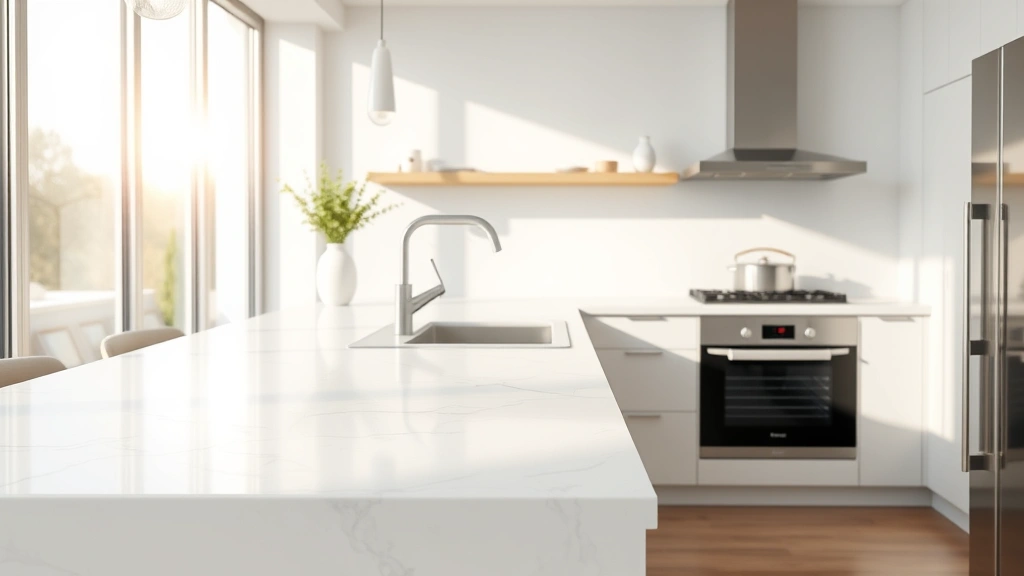
Learning how to clean quartz countertops properly is one of the smartest investments you can make in protecting your kitchen’s most visible real estate. Unlike natural stone, quartz is engineered to be low-maintenance, but that doesn’t mean you can just wipe it down with whatever’s under your sink. Get this right, and your counters will stay pristine for decades. Get it wrong, and you’ll spend money on repairs you didn’t need.
Table of Contents
Daily Cleaning Basics
The foundation of keeping quartz countertops looking fresh starts with a simple daily routine. Right after you finish cooking or eating, grab a soft cloth or microfiber towel and wipe down the surface with warm water. That’s it. No fancy products needed for everyday messes like crumbs, spills, or water spots.
The key here is consistency. Those five seconds of wiping prevent buildup and keep your counters looking showroom-ready. Think of it like brushing your teeth—daily maintenance beats emergency intervention every single time. Use a gentle touch; you’re not scrubbing a campfire skillet, you’re caring for engineered stone that’s designed to last.
What You Actually Need
Here’s the reality: you don’t need a cabinet full of specialized cleaners. For routine cleaning, stick with these essentials:
- Warm water – your primary tool
- Mild dish soap – a drop or two in water
- Microfiber cloths – soft and non-abrasive
- Spray bottle – for mixing your solution
- Soft sponge – non-scratching side only
That’s genuinely all most people need for 95% of their quartz cleaning tasks. Skip the granite cleaners, the stone-specific products, and definitely skip the vinegar and bleach solutions. Those are designed for different materials and can actually damage quartz over time by dulling the surface or causing discoloration.
Avoid These Common Mistakes
Before we talk about what works, let’s cover what doesn’t. I’ve seen homeowners make these mistakes repeatedly, and they’re all preventable:
Using Acidic Cleaners: Vinegar, lemon juice, and other acidic solutions will etch quartz over time. Your counters might look fine after one cleaning, but repeated exposure breaks down the surface finish. Save the vinegar for other cleaning projects around your house.
Abrasive Scrubbers: Steel wool, scouring pads, and harsh brushes are the enemy. Even though quartz is tough, these tools scratch the surface and create dull spots that catch light differently than the rest of your counter.
Bleach and Harsh Chemicals: Bleach can cause yellowing or discoloration in some quartz colors, especially lighter shades. Stick with gentle, pH-neutral solutions instead.
Excessive Water: While quartz is non-porous and water-resistant, standing water or constant moisture can eventually seep into seams. Always dry your counters after cleaning, especially around sink edges.
Deep Cleaning Method
Once a week or whenever your counters look like they need extra attention, do a deeper clean. This takes maybe ten minutes and keeps buildup from becoming a problem.
Start by clearing your counter completely. Move the coffee maker, fruit bowl, and everything else off the surface. Mix warm water with a tiny squirt of mild dish soap in your spray bottle—we’re talking a drop or two, not a glug. You want barely-soapy water, not a bubble bath.
Spray the entire surface generously and let it sit for 30 seconds. This gives the soap time to break down any oils or residue without you having to scrub like crazy. Use a soft cloth or non-abrasive sponge to wipe in circular motions, paying extra attention to areas around the stove and sink where grease tends to accumulate.
For textured quartz finishes, use a soft-bristled brush (like an old toothbrush) to gently work into the texture. Don’t press hard—let the bristles do the work. Rinse thoroughly with clean water and dry immediately with a microfiber cloth. That’s your deep clean done.
Handling Tough Stains
Sometimes life happens. You leave a glass of red wine sitting too long, or cooking oil splatters and dries on. Here’s how to handle the stubborn stuff without damaging your quartz:
For Oil and Grease: Make a slightly stronger soap solution—a teaspoon of dish soap in a cup of warm water. Spray it on the stain and let it sit for two minutes. Wipe with a soft cloth, using gentle pressure. If needed, repeat once more. The key is patience, not pressure.
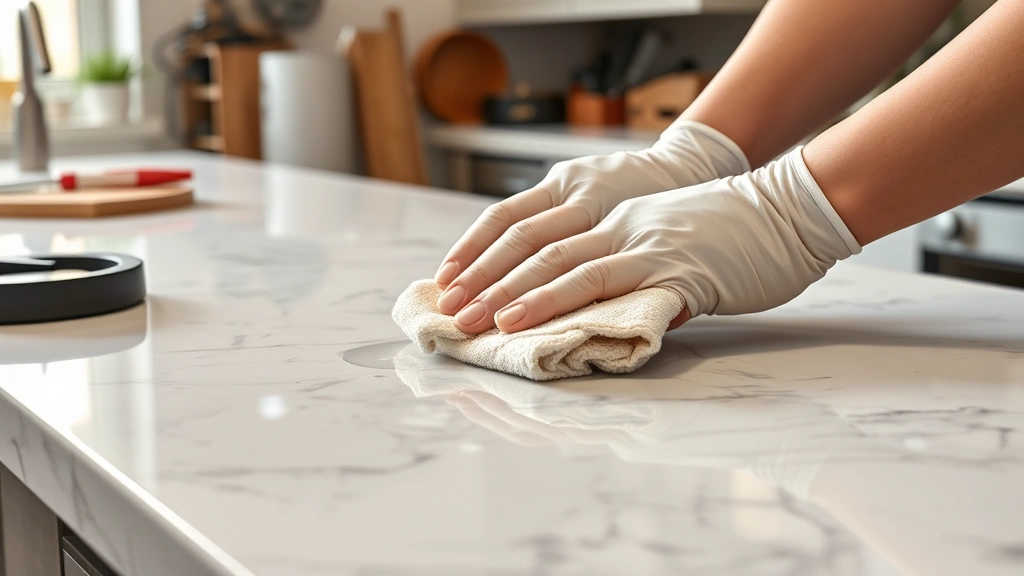
For Food Stains: Mix baking soda with a tiny bit of water to create a paste. Apply it directly to the stain and let it sit for five minutes. Gently rub with a soft cloth, then rinse thoroughly and dry. Baking soda is mildly abrasive but gentle enough for quartz when used carefully.
For Dried Spills: Soften the spot with warm water first. Spray it and let it sit for a minute to loosen the dried material. Then use a plastic scraper (the kind you’d use on a stovetop) to gently lift the debris. Follow up with your regular cleaning routine.
Never use a metal scraper or knife on quartz—that’s a guaranteed way to create visible scratches. If something’s really stuck, patience beats force every single time. Let water and time do the work, then gently remove what’s loosened.
Sealing and Protection
Here’s something that surprises people: most quartz countertops don’t need sealing. Unlike natural granite or marble, quartz is engineered with a protective resin that makes it non-porous right out of the factory. That’s one of its biggest advantages over natural stone.
However, some manufacturers recommend a protective coating after installation, and some high-traffic kitchens benefit from an annual refresh. Check your warranty and manufacturer’s recommendations—they’ll tell you exactly what’s needed for your specific product.
If you do apply a sealer, use one specifically designed for quartz (not granite sealers). Apply it according to the manufacturer’s instructions, usually letting it cure for 24-48 hours before using your counters normally. This creates an extra layer of protection against stains and UV damage.
Preventing Damage Long-Term
The best maintenance strategy is prevention. A few simple habits keep quartz looking new for decades:
Use Trivets and Hot Pads: While quartz can handle brief contact with hot cookware, sustained heat can damage the resin. Always use a trivet under hot pots and pans. This is especially important near the edges where heat can cause separation from the substrate.
Protect from Impact: Quartz is tough but not indestructible. Dropping a heavy cast iron skillet or hitting it with a hammer can chip or crack it. Store heavy items carefully and be mindful when moving appliances or cookware.
Avoid Harsh Chemicals: Beyond cleaners, be careful with things like nail polish remover, paint thinner, and other solvents that might spill during projects. These can damage the surface finish. If something spills, wipe it up immediately with a damp cloth.
Manage Moisture Around Sinks: The area around your sink is ground zero for water damage over time. Wipe up standing water daily and make sure your sink’s edge is properly sealed. If you notice water pooling, that’s a sign the seal needs attention.
Your Maintenance Schedule
Let’s make this simple. Here’s what you actually need to do:
Daily: Wipe spills and crumbs with a damp cloth. Takes 30 seconds.
Weekly: Do your deep clean with soapy water. Takes 10 minutes.
Monthly: Inspect seams and edges for any issues. Check that everything’s still sealed properly.
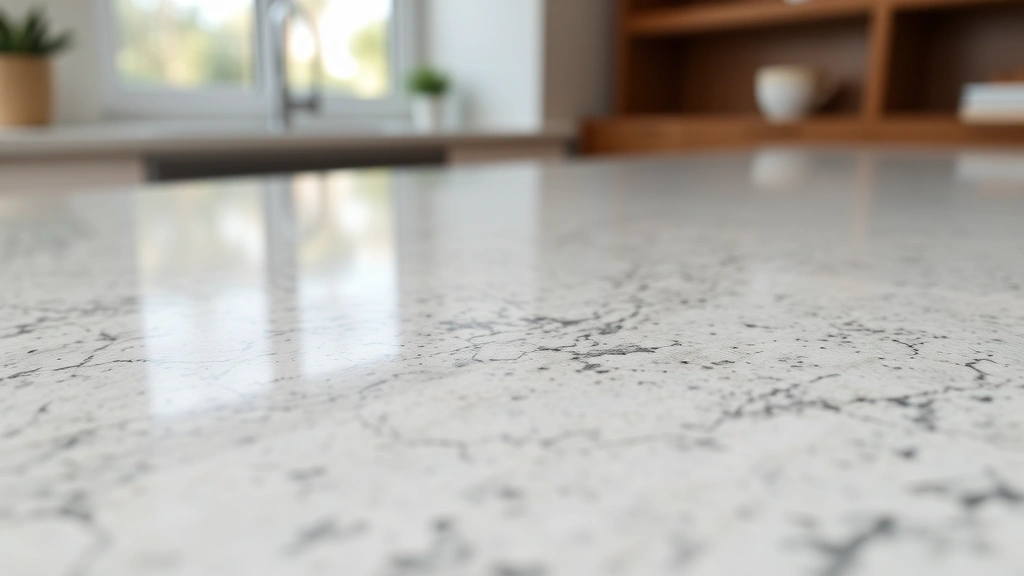
Annually: Consider a protective coating refresh if your manufacturer recommends it. Check the warranty for any maintenance requirements.
That’s genuinely it. Quartz is low-maintenance by design, and this schedule keeps it that way. Compare this to natural stone that needs sealing every 1-3 years and special cleaners every time, and you’ll understand why so many people choose quartz for their kitchens.
Frequently Asked Questions
Can I use Windex on quartz countertops?
Technically, Windex won’t destroy your quartz, but it’s not ideal. It contains ammonia, which can leave streaks and dull the finish over time. Stick with plain water or a mild soap solution instead. Your counters will look better and last longer.
What’s the best cleaner for quartz?
The best cleaner is warm water with a tiny drop of mild dish soap. That’s it. If you want a commercial option, look for pH-neutral cleaners specifically labeled for quartz. Avoid anything acidic, abrasive, or bleach-based.
Can quartz countertops be damaged by heat?
Yes. While quartz can handle brief contact with hot cookware, sustained heat above 150°F can damage the resin binder. Always use trivets under hot pans and pots. This is especially important near edges and seams.
Do quartz countertops need to be sealed?
Most don’t. Quartz comes pre-sealed from the factory because it’s non-porous. Check your manufacturer’s recommendations—some suggest an optional protective coating, but it’s not required for basic maintenance.
How do I remove hard water stains from quartz?
Make a solution of equal parts white vinegar and water—yes, I know I said to avoid vinegar, but diluted vinegar for hard water stains is different from using it as a regular cleaner. Spray it on, let it sit for 30 seconds, and wipe dry immediately. Don’t let it sit longer. Follow up with plain water to remove any vinegar residue.
Can I use a dishwasher-safe cloth on my quartz?
Absolutely. In fact, microfiber cloths that have been through the dishwasher are perfect because they’re clean and soft. Just avoid any cloths with rough or abrasive textures.
What if my quartz has a matte finish?
Matte finishes require the same cleaning approach as glossy finishes. Use warm water and mild soap, avoid acidic cleaners, and dry thoroughly. The only difference is that matte finishes hide dust and water spots better than glossy ones, so they can sometimes go longer between cleanings.
Final Thoughts
Learning how to clean quartz countertops properly is straightforward once you understand the basics: warm water and mild soap for daily cleaning, gentle handling, and avoiding harsh chemicals. Your quartz counters are an investment in your kitchen, and this simple maintenance routine protects that investment for decades.
The beauty of quartz is that it doesn’t demand much. No special sealers, no expensive cleaners, no complicated procedures. Just a soft cloth, warm water, and a few minutes of your time each week. That’s the whole system, and it works because quartz is engineered to be durable and low-maintenance from day one.
If you’re dealing with other household cleaning challenges, check out our guides on how to clean a rug, how to clean a washing machine, and even how to clean a mousepad—because keeping your whole home clean doesn’t have to be complicated.
For more authoritative guidance on stone care, check resources from Family Handyman, This Old House, and Bob Vila—all excellent sources for kitchen maintenance best practices.


