
Learning how to clean oven glass is one of those skills that separates the frustrated home cook from the confident kitchen master. That baked-on grime buildup isn’t just ugly—it blocks your view of what’s cooking inside, and honestly, it makes your whole kitchen feel neglected. The good news? You don’t need expensive commercial cleaners or hours of elbow grease to get that glass sparkling again.
Table of Contents
Baking Soda Paste Method
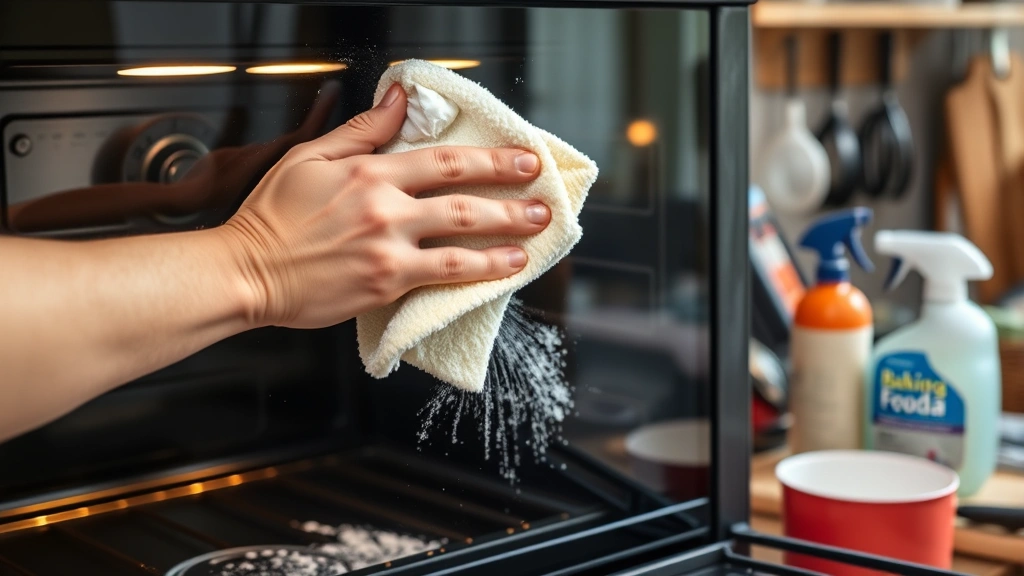
This is the workhorse approach that’s been cleaning ovens for generations. Baking soda is alkaline, which means it breaks down acidic burnt-on food particles without scratching glass. Mix three parts baking soda with one part water to create a thick paste—you want something that sticks to vertical surfaces without running off immediately.
Spread this paste generously across the glass, making sure you cover all the grime. Let it sit for at least 30 minutes, though overnight is even better if you’ve got stubborn buildup. The longer it sits, the more time the baking soda has to penetrate and loosen that baked-on mess. When you’re ready to work, use a damp cloth or soft sponge to scrub in circular motions. You’ll feel the paste breaking down the grime—that’s exactly what you want. Wipe clean with a fresh damp cloth, then dry with a microfiber towel to prevent water spots.
Vinegar and Water Spray
Once you’ve used the baking soda paste, here’s the secret: spray vinegar on any remaining baking soda residue. The chemical reaction between the two creates a fizzing action that lifts stubborn particles right off the glass. This combination is particularly effective for how to clean oven glass that has moderate buildup but isn’t completely caked on.
Mix equal parts white vinegar and water in a spray bottle. After your baking soda treatment, spray this solution liberally over the glass and let it work for 10-15 minutes. The fizzing action does the heavy lifting—you’re just there to wipe away the loosened grime. This method is safe for all glass types and won’t leave chemical residue. The vinegar smell dissipates quickly, and your glass will be crystal clear.
Commercial Oven Cleaners
Sometimes you need the heavy artillery. Commercial oven cleaners contain stronger alkaline compounds designed specifically for baked-on food. Products like Easy-Off or similar brands work faster than natural methods, typically requiring just 20-30 minutes of sitting time. Always follow the manufacturer’s instructions carefully—these products are potent.
Apply the cleaner in a well-ventilated area or with your kitchen window open. Wear gloves to protect your skin, and avoid breathing the fumes directly. Spray or apply the cleaner according to package directions, let it sit, then scrub with a sponge or soft cloth. Rinse thoroughly with clean water multiple times to remove all chemical residue. This approach is ideal when you’re dealing with months of neglect or particularly stubborn buildup.
Razor Blade Scraping Technique
For the truly stubborn stuff, a razor blade scraper is your secret weapon—but you must be careful. Hold a single-edge razor blade at a 45-degree angle to the glass and gently scrape away the buildup. The key word here is gently. You’re not trying to attack the glass; you’re using the blade’s sharpness to separate the grime from the surface.
Always scrape away from your body and keep your other hand clear of the blade’s path. Work in small sections, checking your progress frequently. This technique works best after you’ve softened the buildup with baking soda or commercial cleaner—don’t try scraping completely dry, baked-on food. Once you’ve removed the bulk of the grime, follow up with your chosen cleaning solution to get the glass truly clean.
Steam Cleaning Approach
If you have a steam cleaner at home, you’ve got a fantastic tool for this job. Steam loosens baked-on food without chemicals, making it ideal if you’re concerned about residue or have sensitive skin. Heat your steam cleaner according to its instructions, then direct the steam at the oven glass from about 6 inches away.
The heat and moisture work together to soften the buildup. After steaming for 5-10 minutes, wipe the glass with a microfiber cloth or soft sponge. You may need to repeat this process for heavily soiled glass, but most moderate buildup comes off with one or two passes. This method is particularly gentle on the glass itself and leaves no chemical residue behind.
Prevention and Maintenance
The easiest way to keep your oven glass clean is to prevent heavy buildup in the first place. Place a sheet of aluminum foil on the oven rack below your cooking item to catch drips and splatters. This simple trick reduces the amount of baked-on food that reaches your glass by about 80 percent. When spills do happen, let them cool completely, then wipe them away while they’re still somewhat soft—this takes seconds and prevents them from becoming permanent fixtures.
Wipe down your oven glass monthly with a damp cloth, even if it doesn’t look dirty. This maintenance approach means you’ll never face the heavy-duty cleaning challenge. Think of it like brushing your teeth—a little regular attention beats emergency dental work every time. Check your oven door seal regularly too; a damaged seal allows more heat and moisture to escape, which can accelerate buildup.
Handling Stubborn Buildup
Sometimes you inherit an oven that hasn’t been cleaned in years, or you simply missed the maintenance window. For really stubborn buildup, combine methods. Start with a commercial oven cleaner or baking soda paste and let it sit overnight. The next day, use a razor blade scraper to remove loosened material, then apply your chosen cleaning solution again and scrub. This two-stage approach tackles even the most neglected glass.
Don’t be afraid to repeat steps. If baking soda and vinegar alone aren’t cutting it, switch to a commercial product. If the commercial product needs backup, grab that razor blade. The goal is results, not stubbornness—use whatever combination works for your specific situation. Most heavily soiled glass clears up within a day of treatment using this escalating approach.
Safety Considerations
When cleaning oven glass, always ensure your oven is completely cool. Never use abrasive scrubbers like steel wool on glass—they’ll scratch it permanently. Wear gloves when using commercial cleaners or working with vinegar, as these can dry out your skin. If you’re using a razor blade, keep a first aid kit nearby and work slowly and deliberately.
Ensure good ventilation, especially when using commercial oven cleaners or vinegar solutions. Open windows and doors to allow fumes to escape. If you have respiratory sensitivities, consider wearing a dust mask during the scraping phase. Keep children and pets away from the area while you’re working, particularly when using chemical cleaners. Store all cleaning products safely out of reach after use.
Frequently Asked Questions
Can I use a magic eraser on oven glass?
Magic erasers are melamine foam products that work through mild abrasion, and they can scratch glass if used aggressively. While they might work on very light buildup, they’re not ideal for oven glass. Stick with softer methods like baking soda paste or vinegar spray for better results without risk of damage.
How often should I clean my oven glass?
With regular maintenance, monthly cleaning is sufficient. Wipe spills immediately when cool, and do a thorough cleaning monthly. If you cook frequently or have spill-prone dishes, you might increase this to every two weeks. This preventative approach means you’ll never face heavy buildup.

Is it safe to use oven cleaner on glass?
Yes, commercial oven cleaners are safe for glass when used according to package directions. Always wear gloves, ensure good ventilation, and rinse thoroughly. The chemicals are designed to break down food buildup without damaging glass surfaces.
What’s the fastest way to clean really dirty oven glass?
For speed, use a commercial oven cleaner. Apply it, wait 20-30 minutes, then scrub and rinse. If you want to avoid chemicals, combine baking soda paste with a razor blade scraper for the fastest natural method. Expect 1-2 hours total time for heavily soiled glass.
Will vinegar and baking soda damage my oven glass?
No, these are completely safe for glass. They’re non-toxic, non-abrasive, and won’t scratch or damage any glass type. This makes them ideal if you’re concerned about chemical residue or have a preference for natural cleaning methods.
Can I prevent oven glass from getting dirty?
Absolutely. Use aluminum foil on the rack below your cooking item, wipe spills immediately when cool, and do monthly maintenance cleaning. These three habits eliminate 90 percent of heavy buildup issues before they start.
The Bottom Line
Learning how to clean oven glass doesn’t require fancy equipment or expensive products. Whether you choose the natural baking soda and vinegar route, grab a commercial cleaner, or use a combination approach, the key is actually doing it. Start with the method that fits your comfort level and available time, then adjust based on results. Most importantly, establish a monthly maintenance routine—it’s the difference between a quick 15-minute wipe-down and a weekend-long scrubbing marathon. Your future self will thank you when you can actually see through that oven door.
For more kitchen cleaning tips, check out our guide on how to chop an onion to keep your prep area clean, or learn about how to char grill for outdoor cooking maintenance. You might also find our article on how to clean battery corrosion useful for general cleaning techniques around your home.
For additional professional guidance, check out Family Handyman’s cleaning resources, This Old House’s kitchen maintenance guides, and Bob Vila’s home care recommendations.


