
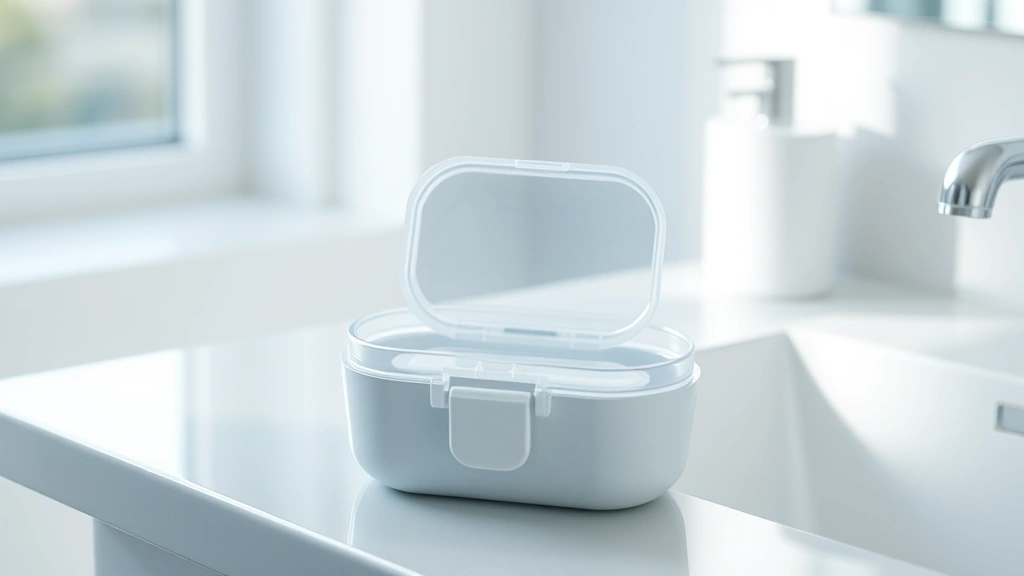
Learning how to clean night guard is one of those simple habits that makes a massive difference in your oral health and comfort. Your night guard works hard while you sleep, protecting your teeth from grinding and clenching, but it also collects bacteria, plaque, and buildup that can turn it into a breeding ground for nasty stuff if you’re not careful. The good news? Cleaning your night guard takes just a few minutes and requires nothing fancy—just some basic supplies you probably have around the house already.
Table of Contents
Why Cleaning Your Guard Matters
Your night guard sits in your mouth for six to eight hours every night, making it a magnet for bacteria and oral debris. When you don’t clean it regularly, you’re basically creating a petri dish that sits against your teeth and gums all night long. This can lead to bad breath, gum irritation, tooth decay, and even fungal infections. Think of it like your toothbrush—you wouldn’t use the same toothbrush for a week without rinsing it, right? Your night guard deserves the same attention. A clean guard also lasts longer, stays more transparent (so you can actually see your teeth through it), and feels fresher in your mouth.
Gather Your Cleaning Supplies
Before you start, grab these basic items from your bathroom or kitchen:
- Soft-bristled toothbrush (dedicated to your guard, not your teeth)
- Lukewarm water (never hot—heat warps the plastic)
- Mild dish soap or denture cleaner
- Baking soda (optional but excellent for stubborn stains)
- White vinegar (natural disinfectant)
- Clean towel or cloth for drying
- Storage container with ventilation holes
You don’t need expensive commercial cleaners. The simple stuff works just as well and won’t damage your guard’s material. If you want to level up your cleaning game, denture tablets (like Polident) are fantastic and cost just a few bucks.
Rinse Immediately After Use
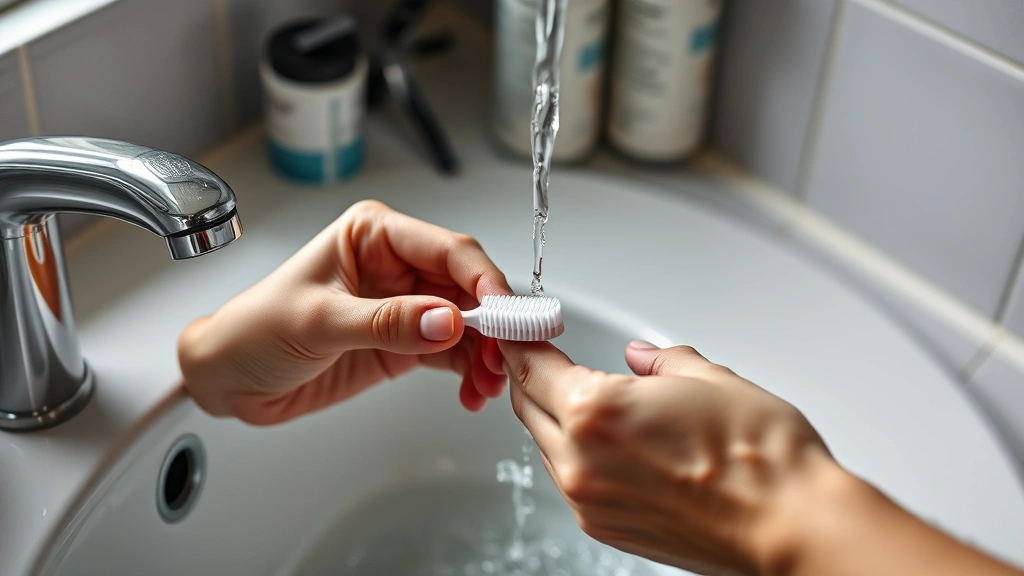
This is the easiest step and the most important one. Right after you take your guard out in the morning, rinse it under lukewarm running water for about 30 seconds. This removes saliva, loose debris, and bacteria before they have a chance to harden onto the surface. Don’t use hot water—high temperatures can warp the acrylic or plastic material, ruining your guard’s fit. A quick rinse takes literally 30 seconds and prevents 80% of buildup problems. Make this your non-negotiable first step every single morning.
The Soak Method Works Best
Soaking is the workhorse of night guard cleaning. Fill a small cup or container with lukewarm water and add one of these solutions:
- One denture tablet (dissolved according to package directions)
- Two tablespoons of white vinegar mixed with one cup of water
- One teaspoon of baking soda in one cup of water
- A few drops of mild dish soap in lukewarm water
Drop your guard into the solution and let it soak for 15 to 30 minutes. This loosens stubborn plaque, disinfects the surface, and removes odors. The denture tablet method is probably the most effective because those tablets are specifically formulated to break down the biofilm that builds up on dental appliances. If you’re dealing with tough stains or discoloration, the vinegar solution works wonders—vinegar is a natural acid that cuts through mineral deposits and bacteria without being harsh on the material.
Brush Gently and Thoroughly
After soaking, use your soft-bristled toothbrush to gently scrub every surface of your guard. Pay special attention to the areas that contact your teeth and gums, plus any visible stains or buildup. Use gentle circular motions—aggressive scrubbing can scratch the material and create tiny grooves where bacteria hide. Brush the inside, outside, and all the edges. This step physically removes anything the soak didn’t dissolve. If you’ve got stubborn stains, make a paste with baking soda and water and gently work it into the stained areas. Rinse thoroughly under lukewarm water until all soap, vinegar, or baking soda residue is gone.
Dry and Store Properly
Pat your guard dry with a clean cloth—don’t let it air dry sitting in a wet container because moisture promotes mold and mildew growth. Store your guard in a ventilated container at room temperature. Never store it in a sealed plastic bag or container without airflow. A perforated storage case (the kind that comes with most guards) is perfect. Keep it away from direct sunlight, heat sources, and pets. Some people store their guards in a small cup with a paper towel underneath to absorb any moisture. The key is air circulation and a dry environment. Never wrap it in a tissue or napkin because you might accidentally throw it away—trust me, I’ve heard that horror story more times than I can count.
Weekly Deep Cleaning Routine
Once a week, give your guard a more thorough cleaning. Use the denture tablet soak method but let it sit overnight (8 to 12 hours). This deep soak tackles buildup that daily cleaning might miss. Alternatively, soak it in equal parts white vinegar and water for one hour, then brush and rinse thoroughly. For really stubborn stains, you can also try soaking in hydrogen peroxide (3% solution) for 30 minutes—it’s a gentle bleach that won’t damage the material but will whiten and disinfect. After any deep clean, brush gently and rinse multiple times to ensure no cleaning solution remains.
Common Mistakes to Avoid
Don’t make these cleaning blunders that can damage your guard or reduce its effectiveness:
- Hot water: Warps and distorts the material, ruining the fit
- Abrasive cleaners: Scratches the surface and creates hiding spots for bacteria
- Toothpaste: Contains abrasives that damage the guard’s smooth surface
- Boiling: Destroys the material completely
- Chlorine bleach: Eats away at acrylic and can cause discoloration
- Storing while wet: Promotes mold, mildew, and odor
- Leaving it exposed: Dust, pet hair, and bacteria settle on it
- Skipping daily rinses: Allows bacteria to multiply exponentially
Treat your night guard like you’d treat a pair of prescription glasses—gently, carefully, and with respect. It’s a precision appliance that costs money to replace, and proper cleaning extends its lifespan significantly.
Frequently Asked Questions
How often should I clean my night guard?
Rinse it every morning immediately after removing it, brush it daily, and do a deep soak at least once a week. If you notice buildup or odor, increase the frequency of deep cleans.
Can I use my regular toothbrush to clean my guard?
You could, but it’s better to use a dedicated soft-bristled brush. This prevents cross-contamination and keeps your toothbrush bristles in better shape. A cheap soft toothbrush costs a couple dollars and lasts months.
What if my night guard smells bad?
Soak it in white vinegar and water (equal parts) for one hour, or use a denture tablet overnight. If the smell persists, it might be mold growth—switch to daily deep soaks and ensure it’s drying completely between uses. If the smell won’t go away after a week of intensive cleaning, contact your dentist because the material might be compromised.
Is denture cleaner safe for my night guard?
Yes, absolutely. Denture cleaners are specifically formulated for dental appliances and work great on night guards. Just follow the package directions and rinse thoroughly afterward.
Can I soak my guard in mouthwash?
Alcohol-based mouthwash isn’t ideal because it can dry out and crack the material over time. Stick with water-based solutions, vinegar, baking soda, or denture tablets.
What’s the best way to remove stains from my guard?
Baking soda paste works wonders for stains. Make a paste with baking soda and water, gently apply it to stains, let it sit for 10 minutes, then brush and rinse. For tough stains, try a vinegar soak overnight or hydrogen peroxide for 30 minutes.
Should I clean my guard before or after brushing my teeth?
It doesn’t matter much, but many people find it easier to clean their guard first thing in the morning before brushing their teeth. This way, you’re not rushing. Just make sure you rinse it immediately after taking it out—don’t wait until later.
Can I use an ultrasonic cleaner on my night guard?
Yes, ultrasonic cleaners designed for dentures work well on night guards. Fill the tank with water and a denture tablet, drop your guard in, and run it for 15 to 20 minutes. This is excellent for a weekly deep clean.
Keep Your Guard Fresh and Functional
Cleaning your night guard doesn’t require special skills or expensive products. Stick to the basics—rinse daily, soak regularly, brush gently, and store it properly—and your guard will stay fresh, clear, and effective for years. A clean guard protects your teeth better, feels more comfortable, lasts longer, and keeps your breath fresher. Plus, you’re preventing bacterial infections and gum problems that could cost you way more money down the road. Think of these five minutes of weekly cleaning as an investment in your teeth and your wallet. Your future self will thank you.
If you’re interested in maintaining other household items with care and precision, check out our guide on how to clean shoes in washing machine for similar gentle-care techniques. For more information on maintaining dental appliances, the American Dental Association provides excellent resources on oral care. And if you want to keep your entire home in top shape, understanding how to change smoke alarm battery is part of that same maintenance mindset. For additional expert guidance on dental health and night guard care, consult resources from the American Dental Association.


