
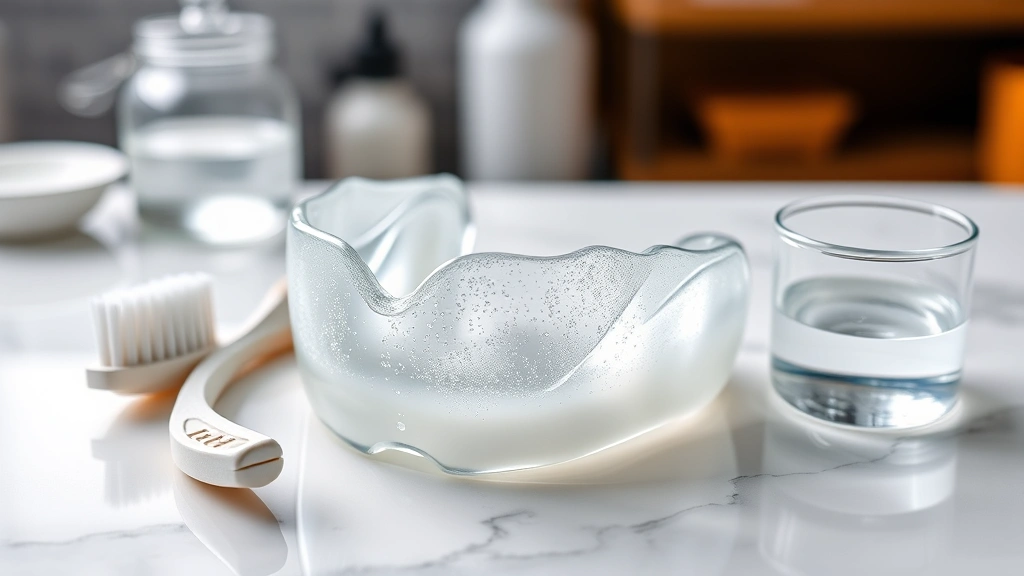
Knowing how to clean mouth guard properly is essential for maintaining your oral health and extending the life of your protective gear. Whether you wear a sports mouthguard, night guard for teeth grinding, or orthodontic retainer, the buildup of bacteria, plaque, and mineral deposits can turn your guard into a breeding ground for germs faster than you’d think. Just like you wouldn’t skip brushing your teeth, you shouldn’t skip cleaning your mouthguard—it deserves the same attention and care.
Table of Contents
Daily Rinse Routine
The foundation of keeping your mouthguard fresh starts with a simple daily rinse. Right after you remove your guard—whether that’s after a sports practice, workout, or sleeping—run it under cool running water immediately. This isn’t just a quick splash; spend 15-20 seconds rinsing both the inside and outside surfaces. Cool water is your friend here; hot water can warp the material and compromise the fit. The goal is to remove loose food particles, saliva residue, and bacteria before they have a chance to settle in and create that funky smell your guard develops.
Use your fingers to gently rub the surface while rinsing. Don’t use a toothbrush at this stage—you want to avoid scratching the material. Think of it like rinsing a delicate dish rather than scrubbing a pan. This quick habit takes less than a minute but makes a massive difference in odor control and longevity.
Basic Cleaning Method
Once daily, perform a basic cleaning with a soft toothbrush and gentle soap. Use lukewarm water and a tiny drop of dish soap or mild hand soap—nothing with harsh chemicals. Wet your toothbrush (use a separate one from your regular toothbrush, or grab an old one you’ve retired) and apply the soap. Gently brush all surfaces of the guard, paying special attention to the crevices and ridges where bacteria love to hide.
Work methodically: inside surface first, then outside, then the edges. Spend about 30 seconds total. Rinse thoroughly under cool running water until all soap residue is gone. Any leftover soap tastes terrible and can irritate your gums. Pat dry with a clean paper towel or cloth. This method mimics how you’d clean other personal items like how to clean baseball caps—gentle, consistent, and effective.
Deep Soak Technique
Once or twice a week, your mouthguard needs a deep soak to eliminate stubborn buildup. Fill a small cup or container with cool water—just enough to fully submerge your guard. Drop in your mouthguard and let it soak for 30 minutes to 2 hours. The water alone won’t do much heavy lifting, so you’ll want to add a cleaning agent to the mix.
During the soak, mineral deposits and hardened plaque begin to soften, making them easier to remove. After soaking, use your soft toothbrush again to gently scrub away the loosened debris. You’ll be surprised how much comes off compared to a dry brushing. Rinse thoroughly and dry completely before storing. This deep soak is your guard’s equivalent to a professional spa day—it keeps everything running smoothly.
Vinegar & Baking Soda
One of the most effective natural cleaning solutions combines two pantry staples: white vinegar and baking soda. Mix equal parts white vinegar and water in a small container—about 1/4 cup of each works well for a standard mouthguard. Add 1 tablespoon of baking soda and stir until it stops fizzing. The chemical reaction between the vinegar and baking soda creates a gentle but powerful cleaning action.
Submerge your mouthguard in this solution and let it soak for 1-2 hours. The acidity of vinegar breaks down mineral deposits and kills odor-causing bacteria, while baking soda acts as a mild abrasive and deodorizer. After soaking, use your soft toothbrush to gently scrub, then rinse thoroughly with cool water. This approach is safer than commercial cleaners and won’t damage your guard’s material. Your guard will smell fresher and look noticeably cleaner. This method follows the same principle as maintaining other household items—using natural, proven ingredients for best results.
Denture Tablet Method
Denture cleaning tablets work remarkably well for mouthguards because they’re specifically formulated to clean similar materials and remove similar buildup. Drop your mouthguard into a cup of cool water and add one denture tablet. Let it fizz and soak for the time recommended on the tablet package—usually 15 minutes to several hours depending on the brand.
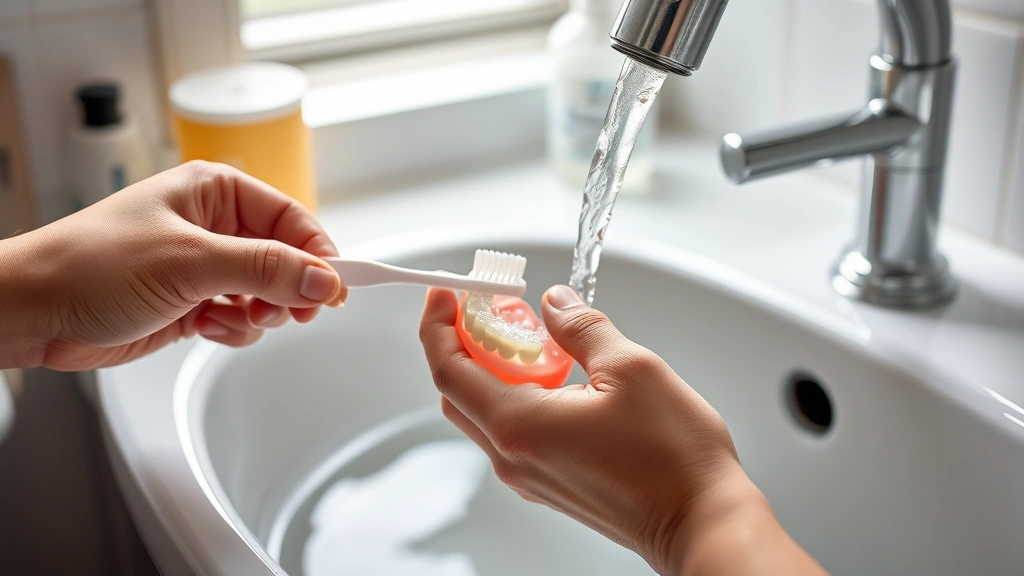
The tablets contain mild abrasives and enzymes that break down organic material and mineral deposits without being harsh on the guard’s material. After soaking, remove the guard and gently brush it under running water with your soft toothbrush. The combination of the tablet’s cleaning action and gentle brushing removes stubborn stains and odors effectively. This method is particularly useful if your guard has developed discoloration or persistent smell. Keep a box of denture tablets on hand for weekly deep cleans—they’re inexpensive and highly effective.
Proper Storage Tips
How you store your mouthguard between uses matters just as much as how you clean it. Always store your guard in a ventilated case or container—never in an airtight plastic bag where moisture gets trapped and bacteria thrive. A perforated case allows air circulation and prevents mold growth. Make sure your guard is completely dry before storing it; any residual moisture creates an ideal environment for bacterial growth.
Keep your storage case in a cool, dry place away from direct sunlight and heat sources. Heat can warp the guard’s shape, compromising its fit and effectiveness. Don’t leave your guard in your gym bag, car, or locker where temperatures fluctuate wildly. Store it at room temperature in a consistent environment. Some people keep their case on their nightstand or bathroom counter—wherever they’ll remember to use it. Think of storage like how you’d store other delicate items; protection and proper conditions matter.
Common Mistakes to Avoid
Don’t use hot water on your mouthguard—ever. Hot water warps the thermoplastic material, ruining the fit and protective properties. Stick with cool or lukewarm water exclusively. Don’t use abrasive scrubbers, stiff toothbrushes, or scouring pads; these scratch the surface and create tiny grooves where bacteria hide. Use only soft toothbrushes designed for sensitive teeth.
Avoid harsh chemicals like bleach, hydrogen peroxide, or aggressive mouthwashes. These can damage the material and leave residues that irritate your gums. Skip the dishwasher, washing machine, and boiling water treatments—all will destroy your guard. Don’t leave your guard sitting in water for extended periods beyond the recommended soak times. And never store a wet guard; always dry it completely first. These mistakes are easy to make but can significantly shorten your guard’s lifespan.
Weekly Maintenance Schedule
Create a simple maintenance routine to keep your guard in top condition. Daily: Rinse immediately after use and perform basic cleaning with soft brush and mild soap. Three times weekly: Do a 30-minute soak in your chosen cleaning solution (vinegar mixture, denture tablets, or plain water). Once weekly: Perform a thorough inspection—check for cracks, tears, or permanent discoloration. If you notice damage, consult your dentist about replacement.
This schedule ensures your guard stays clean, fresh, and functional without requiring excessive effort. Write it on your calendar or set phone reminders if needed. Consistency is more important than intensity—regular gentle cleaning beats occasional aggressive scrubbing. Think of it like maintaining other personal protective equipment or household items; a little effort regularly prevents big problems later. Just as you’d maintain how to clean your washing machine regularly, your mouthguard deserves the same preventative approach.
Frequently Asked Questions
Can I use toothpaste to clean my mouthguard?
Avoid regular toothpaste on your mouthguard. Most toothpastes contain abrasive ingredients designed to clean teeth enamel, which can scratch and dull your guard’s surface. Additionally, toothpaste can leave residues that taste unpleasant. Stick with mild dish soap or specialized denture cleaners instead. If you must use toothpaste, choose a non-abrasive, whitening-free formula and use it sparingly.
How often should I replace my mouthguard?
With proper cleaning and care, most mouthguards last 1-3 years. Sports guards may need replacement more frequently if they experience heavy use or visible wear. Night guards for teeth grinding can last longer with consistent care. Check your guard regularly for signs of damage like cracks, tears, permanent discoloration, or loss of fit. If your guard no longer fits properly or feels uncomfortable, schedule an appointment with your dentist for a replacement.

Why does my mouthguard smell bad even after cleaning?
Persistent odor usually indicates bacteria or mold growth in hard-to-reach areas. Try the vinegar and baking soda soak method for 2 hours, followed by gentle brushing. If the smell persists, switch to denture tablets weekly. Make sure you’re drying your guard completely before storage and using a ventilated case. If the smell won’t go away after a week of proper cleaning, the guard may be nearing the end of its life and replacement may be necessary.
Is it safe to use mouthwash to clean my guard?
Regular mouthwash is too harsh and can damage your guard’s material. Alcohol-based mouthwashes are particularly problematic. However, you can dilute mouthwash significantly (1 part mouthwash to 10 parts water) for occasional soaks if you prefer. Better alternatives are denture tablets, vinegar solutions, or plain water soaks. Always rinse thoroughly after any mouthwash exposure.
Can I clean my mouthguard in the dishwasher?
Absolutely not. Dishwashers use hot water and harsh detergents that will warp and damage your guard irreversibly. The heat alone will destroy the thermoplastic material’s shape, ruining the fit. Always clean your guard by hand using the methods described in this guide. Hand washing takes only a few minutes and preserves your investment.
What’s the best way to remove stains from my mouthguard?
For surface stains, try the denture tablet method—they’re specifically designed to remove discoloration. Soak for the full recommended time, then gently brush. For stubborn stains, use the vinegar and baking soda solution with an extended soak time (2-3 hours). If stains persist after multiple treatments, they may be permanent discoloration that doesn’t affect function. If stains are accompanied by odor, focus on the vinegar method to eliminate bacteria. Some discoloration is normal and doesn’t indicate a problem with your guard’s effectiveness.
Final Thoughts
Learning how to clean mouth guard properly is a simple investment in your oral health and the longevity of your protective gear. The five-step process—daily rinsing, basic cleaning, deep soaking, specialized solutions, and proper storage—takes minimal time but delivers maximum results. Your mouthguard protects your teeth and mouth during sports, prevents damage from grinding at night, or keeps your orthodontic work aligned. It deserves the same care you give your teeth.
Start with the daily rinse and basic cleaning routine, then add one deep-cleaning method to your weekly schedule. Whether you choose vinegar and baking soda, denture tablets, or simple soaking, consistency matters more than complexity. Within a week, you’ll notice your guard smells fresher, looks cleaner, and feels more comfortable. Within a month, you’ll have established a habit so automatic you barely think about it.
For additional household cleaning guidance, check out our guides on how to clean stainless steel appliances and how to clean baseboards—the same principles of gentle, consistent care apply across all your household maintenance tasks. Your mouthguard will thank you, and more importantly, your mouth will feel healthier and fresher every single day. For comprehensive oral health information, the American Dental Association provides excellent resources on protective equipment care.


