
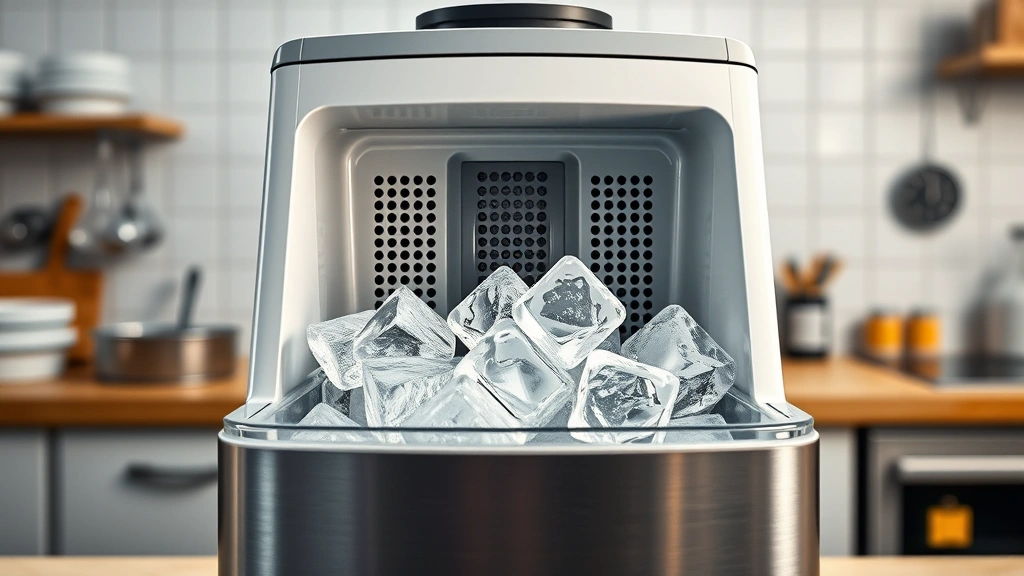
Learning how to clean ice maker units is one of those maintenance tasks that’ll save you from murky, funky-tasting ice and keep your appliance running like a champ. Whether you’ve got a built-in fridge ice maker or a standalone unit, mineral buildup and mold can sneak in faster than you’d think. The good news? It’s straightforward work that takes about an hour and requires nothing fancy—just some basic household supplies and a little elbow grease.
Table of Contents
Why Clean Your Ice Maker
Your ice maker pulls water through supply lines that can accumulate mineral deposits over time, especially if you’re in a hard water area. Mold and bacteria can also take hold in the dark, damp environment inside the unit. When you neglect cleaning, you’ll notice your ice tastes stale, smells funky, or comes out discolored. Beyond taste issues, a clogged ice maker works harder and burns through more energy. Regular cleaning extends the lifespan of your unit and keeps your ice actually refreshing instead of questionable.
Gather Your Supplies
Before you start, round up what you’ll need. White vinegar is your best friend here—it cuts through mineral deposits naturally without harsh chemicals. You’ll also want:
- White vinegar (distilled preferred)
- Soft-bristle brush or old toothbrush
- Clean towels or microfiber cloths
- Spray bottle
- Warm water
- Baking soda (optional, for stubborn stains)
- Flashlight (helps you see inside)
- Small bowl or cup
If you’re dealing with a particularly nasty buildup, commercial ice maker cleaner works too, but vinegar is safer and just as effective for most situations. Think of this as similar to how to clean washing machine units—mineral deposits are the common enemy.
Disconnect Power First
Safety first, always. Unplug your ice maker or flip the breaker if it’s a built-in model. If you can’t unplug it directly, turn off the ice maker function at the control panel and wait a few minutes for any electrical charge to dissipate. This protects you from shock and prevents the unit from running while you’re poking around inside. Leave it unplugged for the entire cleaning process—no shortcuts here.
Remove the Ice Bin
Pop out the ice bin first. Most bins slide out with a gentle tug or have a release lever. Empty any remaining ice into your sink or a cooler. Look inside the bin for visible mold, discoloration, or slime buildup. That’s what we’re fighting. Set the bin aside—you’ll clean it separately in a moment. While the bin is out, take a flashlight and peek into the cavity where it sits. You’ll likely see the ice maker’s mechanical arm and the water inlet. Make note of what you see; you’ll be targeting those spots next.
Flush Water Supply Lines
This is where the vinegar does heavy lifting. Fill your spray bottle with equal parts white vinegar and warm water. Locate the water inlet valve—it’s usually a small opening where water enters the ice maker mechanism. Spray the vinegar solution directly into the inlet and around the mechanical arm. Let it sit for 15 minutes so the acidity can dissolve mineral buildup. Use your soft-bristle brush to gently scrub around the inlet and any visible mineral deposits. Spray again, let it sit another 10 minutes, then flush with plain warm water from a cup or spray bottle. Repeat this cycle twice more for thorough cleaning. You’re essentially giving those water lines a spa treatment—flushing out the gunk that’s been accumulating.
Clean Interior Components
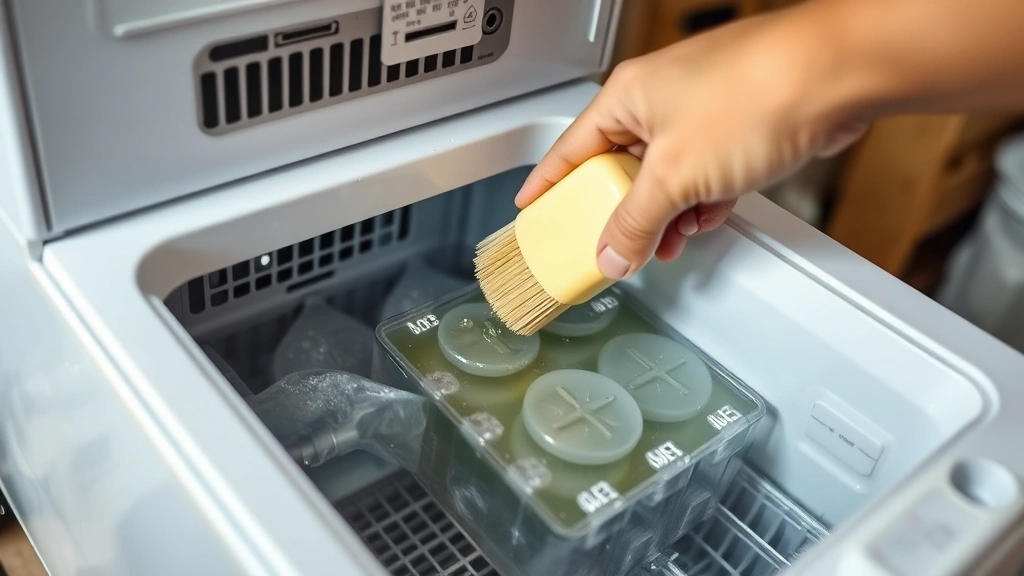
Now target the interior surfaces. Spray the vinegar solution on the walls of the ice maker cavity, the mechanical arm, and any visible components. Use your brush to scrub gently—you’re not trying to damage anything, just remove deposits and mold. Pay special attention to corners and crevices where mold loves to hide. If you spot stubborn stains, sprinkle a little baking soda on a damp cloth and rub gently. The combination of vinegar and baking soda creates a mild fizzing action that helps break down tough mineral deposits. Wipe everything down with clean, damp towels until no vinegar smell remains. A lingering vinegar smell means residue is still there, so keep wiping.
Sanitize the Ice Bin
Take that ice bin to your sink and give it a thorough wash. Fill it with warm water and add a cup of white vinegar. Let it soak for 20 minutes, then scrub the interior and exterior with your brush, especially the bottom where mold tends to hide. For stubborn stains inside the bin, make a paste of baking soda and water and scrub with a cloth. Rinse thoroughly under running water until the vinegar smell is completely gone. Dry it completely with a clean towel before reinstalling. Any moisture left behind invites mold right back in.
Reassemble and Test
Slide the clean ice bin back into place. Make sure it’s seated properly and any locking mechanisms are engaged. Plug the ice maker back in or flip the breaker. Turn on the ice maker function and listen for the familiar hum and click of the mechanism starting up. Let it run through one complete cycle—usually 30 to 60 minutes depending on your model. Discard that first batch of ice. It might still have vinegar residue or loosened particles from the cleaning. Run a second cycle and taste-test the ice from that batch. It should taste clean and fresh, nothing funky. If you still detect a vinegar smell or taste, run one more cycle with plain water only.
Maintenance Schedule Tips
Don’t wait until your ice tastes like a swimming pool to clean again. Set a maintenance schedule based on your water quality. If you’re in a hard water area or notice buildup quickly, clean every three months. In softer water areas, every six months usually works fine. Some folks do a quick vinegar flush monthly just to stay ahead of the game. Think of it like maintaining other appliances—regular care beats emergency repairs every time. If your ice maker has a replaceable water filter, change that too during your cleaning session. A clogged filter reduces water flow and stresses the system, similar to how neglecting filter changes affects your how to install a car battery or other appliances’ efficiency.
Common Issues and Fixes
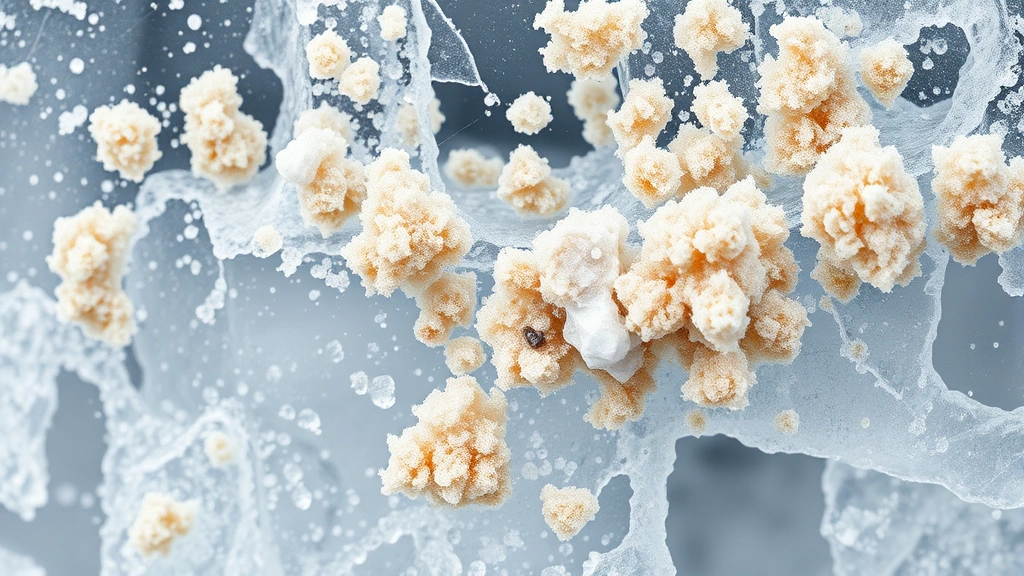
If your ice maker still isn’t producing ice after cleaning, check a few things. Make sure the water supply valve is fully open—sometimes it gets partially closed accidentally. Verify that the water inlet valve isn’t still clogged; you might need to repeat the vinegar flush. If the mechanical arm seems stuck, don’t force it; a little more vinegar and patience usually frees it up. For ice that comes out with a white, chalky coating, that’s mineral deposits on the ice itself. This usually clears up after a few cycles post-cleaning. If mold returns within weeks, you might have a bigger issue—check for leaks in the water line or standing water somewhere in the system.
Frequently Asked Questions
How often should I clean my ice maker?
Every three to six months is standard, depending on your water hardness. If you notice taste or smell issues sooner, don’t wait—clean it then. Hard water areas might need quarterly cleanings, while soft water areas can go six months between cleanings.
Can I use bleach to clean my ice maker?
Avoid bleach. It’s too harsh for ice maker components and can leave residue that taints ice even after rinsing. Vinegar and baking soda are safer, gentler, and just as effective for normal buildup and mold.
Why does my ice maker still smell after cleaning?
You likely have vinegar residue remaining. Run several cycles with plain water only, discarding the ice each time, until the smell completely disappears. Don’t skip this step—vinegar-flavored ice is nobody’s friend.
Is it safe to use commercial ice maker cleaner?
Yes, commercial cleaners designed for ice makers are safe if you follow the instructions exactly. They often work faster than vinegar on heavy mineral buildup. Just make sure to flush thoroughly afterward with multiple water cycles.
What if my ice maker has a water filter?
Change the filter during your cleaning session. A new filter helps prevent future mineral buildup and improves water quality going into the ice maker. Check your manual for the correct replacement filter model.
Can I clean my ice maker without unplugging it?
No. Always disconnect power before cleaning. This protects you from electrical shock and prevents the mechanism from running while you’re working inside. Safety beats convenience every single time.
Wrapping Up
Cleaning your ice maker isn’t complicated, but it’s easy to put off until your ice tastes questionable. Tackle it with the same straightforward approach you’d use for other household maintenance—gather your supplies, follow the steps methodically, and don’t skip the safety stuff. Your ice will taste fresher, your ice maker will run more efficiently, and you’ll avoid costly repairs down the road. Set a reminder on your phone for every three to six months, and this job becomes routine. Just like learning how to clean mousepad or other household tasks, a little regular attention keeps everything running smoothly. Now get in there and give that ice maker the care it deserves.


