
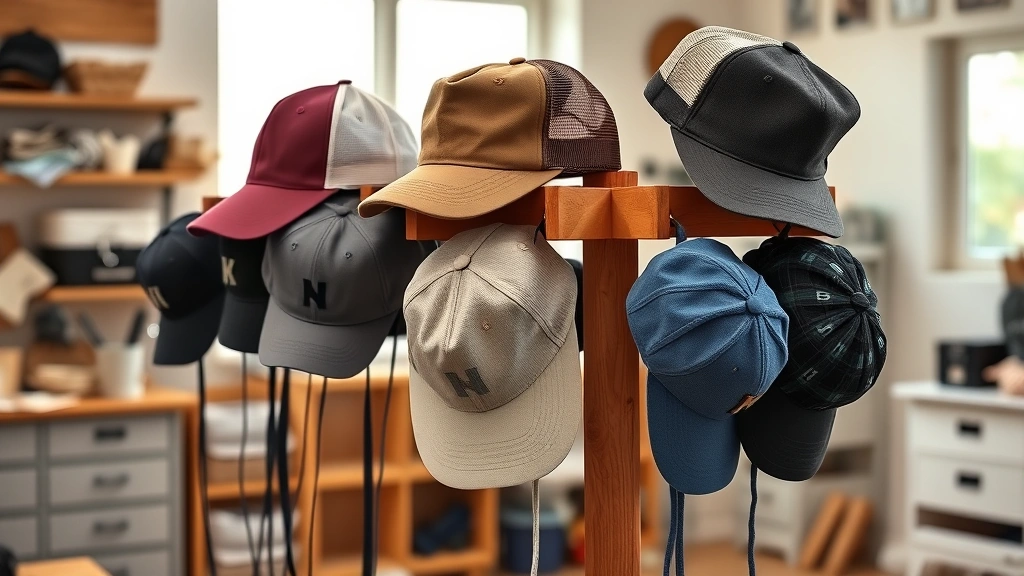
Learning how to clean hats properly can extend the life of your favorite headwear by years, whether you’re dealing with a treasured baseball cap, a delicate fedora, or a well-worn trucker hat. Most people toss their dirty hats in the washing machine or ignore the grime altogether, but that’s a quick way to ruin the shape, fabric, and structural integrity of a quality hat. In this guide, I’ll walk you through five battle-tested methods I’ve used on everything from vintage Stetsons to everyday snapbacks, so you can keep your hats looking sharp without the guesswork.
Table of Contents
Spot Cleaning for Quick Fixes
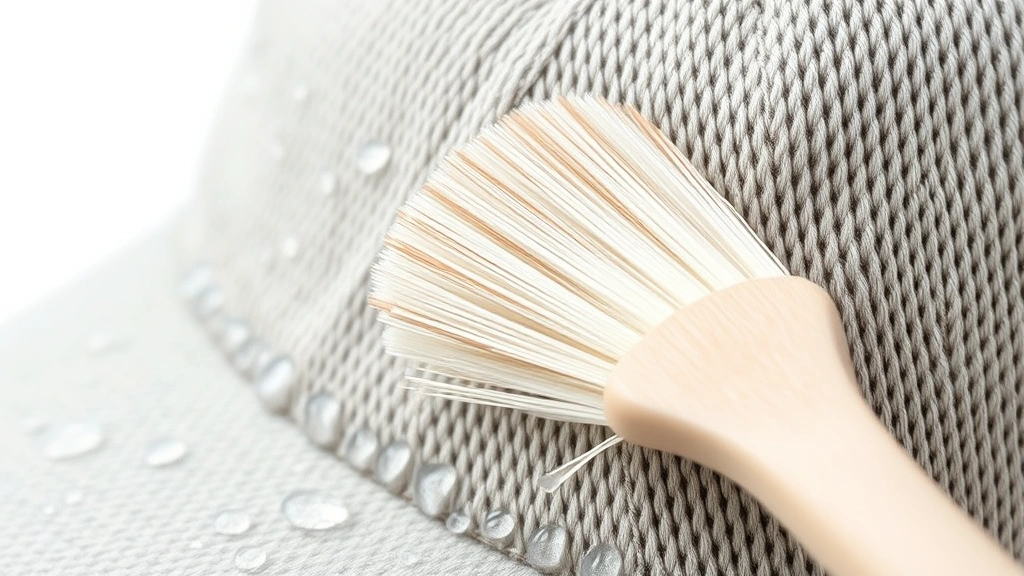
The fastest way to keep your hats looking fresh between deep cleans is spot cleaning. Grab a soft-bristled brush—I use an old toothbrush or a dedicated hat brush—and gently work it over any visible dirt or stains. For minor smudges, a barely-damp microfiber cloth works wonders. The key here is restraint: you’re not trying to scrub the hat clean, just lift away surface dust and light grime.
For stubborn spots on cotton or wool hats, mix a tiny amount of mild dish soap with cool water and dab the stain with a cloth. Work from the outside edges toward the center to avoid spreading the stain. This method takes maybe two minutes and keeps your hat looking decent without subjecting it to a full washing. I do this every week or two on my everyday caps, and they stay looking nearly new for months.
Hand Washing the Right Way
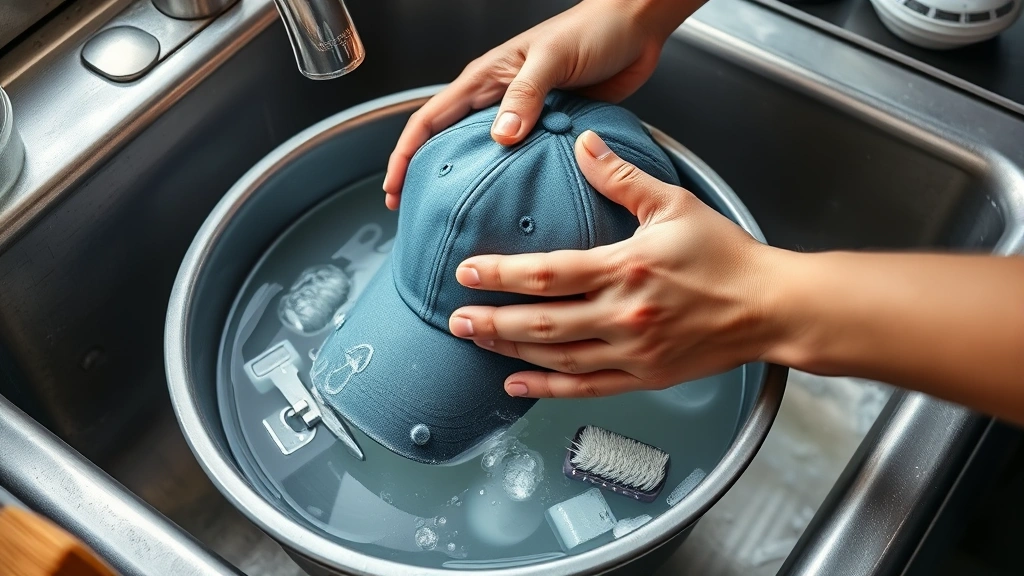
When spot cleaning isn’t enough, hand washing is your go-to method for most hats. Fill a basin with cool water—never hot, as heat can warp the bill and shrink fabrics—and add a small squirt of mild detergent. Wool hats and vintage caps especially benefit from this gentle approach.
Submerge your hat and let it soak for about 10-15 minutes. Use your fingers or a soft brush to gently work the soapy water through the fabric, paying extra attention to the sweatband where body oils and dirt accumulate. Rinse thoroughly under cool running water until the water runs clear. Don’t wring or twist the hat; instead, gently squeeze out excess water by cradling it in your hands. This is where patience pays off—rushing this step can damage the hat’s structure. Once you’ve mastered hand washing, you’ll understand why it’s the preferred method for professional hat cleaning services.
Steaming to Remove Wrinkles
A garment steamer is one of the best tools for refreshing hats between washes. The gentle heat and moisture help relax fabric fibers, eliminate odors, and remove minor wrinkles without the aggressive heat of an iron. Hold the steamer about 6-8 inches away from the hat and move it slowly across the surface. Never point the nozzle directly at one spot for more than a second or two.
This method works particularly well on felt hats and structured caps. I use steaming as a maintenance step after hand washing—it helps the hat dry into its proper shape while removing any remaining odors. If you don’t have a garment steamer, you can hold your hat above steam from a boiling kettle, but keep your hands clear and be extra careful not to let the hat get waterlogged. The steaming process typically takes 5-10 minutes and leaves your hat looking refreshed and smelling clean.
Cleaning Mesh and Synthetic Caps
Baseball caps and trucker hats with mesh panels require a slightly different approach than solid-fabric hats. The mesh is more delicate and can snag or tear if you’re rough with it. Hand washing is still the best method, but use even gentler pressure when scrubbing. A soft sponge works better than a brush for mesh sections.
For the bill, which typically takes the most abuse, you can use a slightly stiffer brush and a bit more elbow grease since the bill is usually made of sturdy material. Pay special attention to the underside of the bill where sweat and grime accumulate. After washing, reshape the bill while it’s still damp—gently curve it back to its original form and let it air dry. This prevents the bill from becoming permanently warped or creased. Many people make the mistake of throwing these caps in the dishwasher (which can work in a pinch, but isn’t ideal), when a 10-minute hand wash does a far better job.
Delicate Fabrics Need Care
Vintage hats, silk linings, and delicate materials like linen or lace require extra caution. For these treasures, skip the soaking method and instead use the spot-cleaning approach exclusively, or take them to a professional cleaner. If you must hand wash a delicate hat, use distilled water and a tiny amount of pH-neutral shampoo designed for delicate fabrics.
Never submerge these hats fully. Instead, dampen a soft cloth with the cleaning solution and gently wipe the exterior. Rinse with a cloth dampened in distilled water only. The goal is to minimize water exposure while still removing dirt. Let delicate hats air dry completely in a shaded area—direct sunlight can fade colors and damage fragile fibers. If you own hats made from expensive or irreplaceable materials, professional cleaning is worth the investment. Think of it as insurance for pieces you genuinely care about.
Drying and Storage Tips
How you dry your hat is just as important as how you clean it. Never use a clothes dryer or direct heat source—this is a guaranteed way to shrink, warp, or damage your hat. Instead, gently squeeze out excess water and place the hat on a clean, dry surface or hang it on a hat rack. Air drying in a cool, shaded location takes 24-48 hours but preserves the hat’s shape and integrity.
For storage, use a hat box or hang your hat on a dedicated hat rack rather than tossing it in a closet. This prevents creasing and allows air circulation. If you must store hats in a box, stuff the interior with acid-free tissue paper to help maintain shape. Keep hats away from direct sunlight, extreme heat, and humidity, as these conditions can fade colors, encourage mold growth, and warp the structure. Proper storage extends the lifespan of your hats dramatically—I’ve seen 20-year-old hats look nearly new simply because they were stored correctly.
Materials You’ll Need
You don’t need fancy equipment to clean hats properly. Here’s what I keep on hand: a soft-bristled brush or old toothbrush, microfiber cloths, mild dish soap or hat-specific cleaner, a basin or sink, cool water, and optionally a garment steamer. That’s it. Total investment is under $20 if you don’t already have these items.
For deep cleaning, consider investing in a hat brush designed specifically for delicate fabrics—these are gentler than regular brushes and cost around $10-15. A garment steamer is optional but invaluable if you own multiple hats. If you’re serious about hat maintenance, similar attention to detail applies to other fabric care tasks, like knowing how to clean a couch, which uses many of the same principles of gentle fabric care.
Mistakes to Avoid
The biggest mistake I see is using hot water, which shrinks fabrics and warps hat structure. Another common error is machine washing or drying—this is almost guaranteed to ruin your hat. Don’t use bleach or harsh chemicals unless you’re specifically treating a white cotton cap, and even then, test on an inconspicuous area first.
Avoid wringing or twisting your hat to remove water—this stresses the fibers and can permanently damage the shape. Don’t store hats in plastic bags or airtight containers, as this traps moisture and promotes mold growth. And please, don’t iron your hat directly. If you need to remove wrinkles, use a steamer or hang the hat in a steamy bathroom. Finally, don’t ignore the sweatband—this area accumulates the most grime and odor, so give it special attention during cleaning.
Frequently Asked Questions
Can I put my hat in the washing machine?
Most hats shouldn’t go in the washing machine because the agitation damages the structure, the heat can shrink fabrics, and the spin cycle can warp the bill. Hand washing gives you far better control and results. The only exception might be some sturdy cotton baseball caps without structured bills, but even these are better served by hand washing. If a hat is precious to you, hand wash it every time.
What’s the best way to remove odors from hats?
Steaming and air drying in sunlight both help eliminate odors naturally. For stubborn smells, place your hat in a box with an open container of baking soda overnight—the baking soda absorbs odors without damaging the hat. You can also spray the interior lightly with white vinegar solution (equal parts vinegar and water) and let it air dry. Avoid scented sprays, which can damage fabrics and create an artificial smell.
How often should I clean my hats?
Spot clean weekly or bi-weekly depending on how much you wear the hat and how dirty it gets. Full hand washing every 1-2 months keeps most hats in excellent condition. Hats worn daily in dusty environments may need more frequent cleaning, while hats worn occasionally might only need cleaning a few times per year. Trust your eyes and nose—if the hat looks or smells dirty, it’s time to clean it.
Can I use regular laundry detergent?
Mild dish soap works better than laundry detergent because it’s gentler on delicate fabrics. If you use laundry detergent, choose a gentle, fragrance-free formula and use much less than you would for a full load of laundry. Specialty hat cleaners are available online and work well, but they’re not necessary for regular maintenance. Dish soap is my go-to for 99% of my hat cleaning.
What about leather sweatbands?
Leather sweatbands need special care. Clean them with a barely-damp cloth and mild soap, then dry immediately with a soft cloth. Never soak leather. After cleaning, condition the leather lightly with a leather conditioner made for delicate items. This keeps the leather supple and prevents cracking. If the sweatband is heavily soiled, professional cleaning is your safest bet.
Final Thoughts
Cleaning your hats properly isn’t complicated, but it does require patience and a gentle touch. Whether you’re maintaining everyday caps or caring for treasured vintage pieces, these five methods—spot cleaning, hand washing, steaming, specialized approaches for mesh and synthetics, and delicate fabric care—cover virtually every scenario you’ll encounter. The investment in proper technique pays dividends in longevity and appearance. Your hats will thank you by looking sharp for years to come. Start with the method that matches your hat’s material, and you’ll quickly develop an intuition for what works best. Just like learning how to wash a mousepad or maintaining any cherished item, hat care is about respect for the objects you use daily.


