
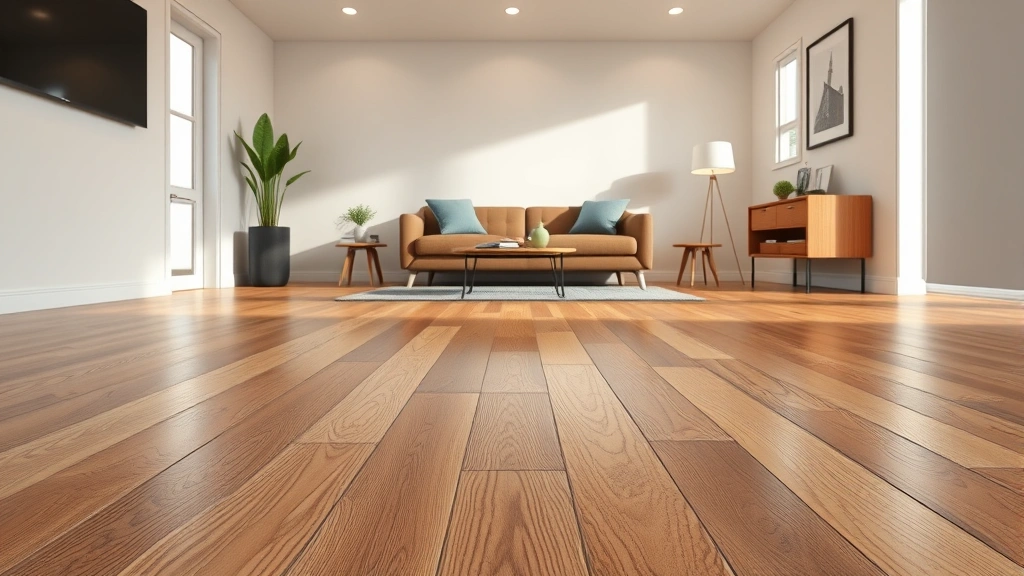
Learning how to clean hardwood floors properly is one of those skills that separates folks who just live in their homes from those who actually take pride in maintaining them. Your hardwood floors are an investment, and they deserve better than a quick vacuum and a prayer. I’m going to walk you through exactly what I’ve learned from years of keeping my own hardwood looking pristine—no fancy equipment required, just solid technique and the right approach.
Table of Contents
Vacuum First, Always
Before you even think about water or cleaner, you need to remove all the dry debris. This is non-negotiable. Dust, dirt, and grit are basically tiny sandpaper particles that’ll scratch your finish if you mop over them. I use a soft-bristle broom or a vacuum with a hardwood floor attachment—never a stiff broom that can leave marks.
Vacuum in the direction of the wood grain, working methodically from one end of the room to the other. This takes maybe five minutes for an average room, but it’s the difference between a floor that looks dull and one that gleams. Don’t skip this step thinking you’ll get the debris with the mop water. That’s how you end up with muddy streaks and a cloudy finish.
Choose Your Cleaning Solution
This is where people get confused. You’ve got options, and not all of them are created equal. The safest bet for regular maintenance is a hardwood floor cleaner specifically formulated for sealed wood—something like Bona Hard-Surface Floor Cleaner or similar products designed for this exact purpose. These are pH-neutral, which matters because extreme acidity or alkalinity can damage your finish.
If you want to go the DIY route, a mixture of equal parts white vinegar and water works in a pinch, but I’m honest with you: it’s not ideal for frequent use. The vinegar can dull polyurethane finishes over time. For a deeper clean, some folks use a tiny drop of dish soap in a gallon of water, but you’ve got to be careful with the water content—more on that in a moment.
Never use oil-based cleaners, furniture polish, or anything with wax on sealed hardwood floors. These leave buildup that makes your floor slippery and dull-looking. If you’re unsure what finish your floors have, check with whoever installed them or do a small test in a closet first.
Master the Mop Technique
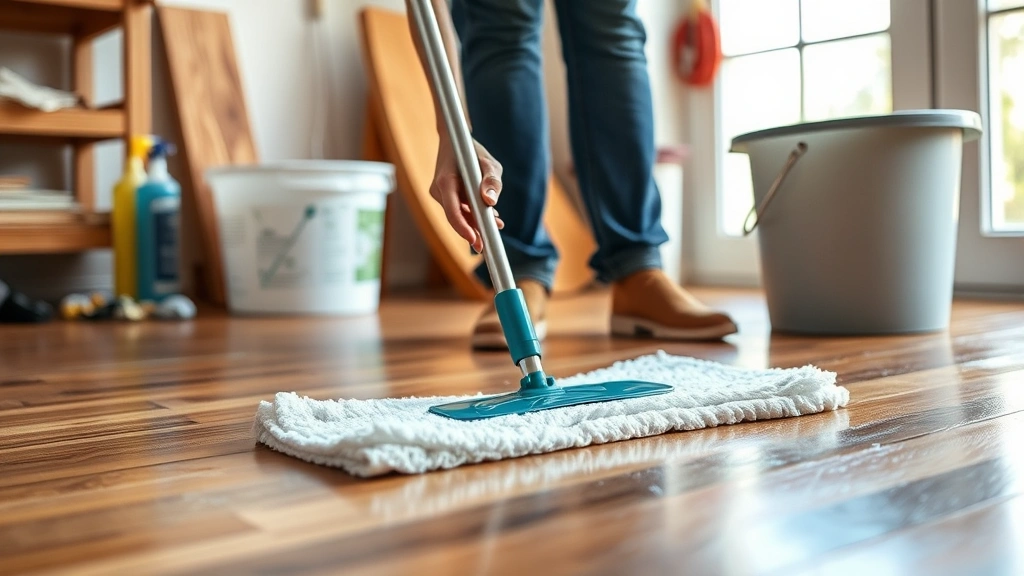
Here’s the thing most people get wrong: they treat their mop like it’s a sponge that should be dripping wet. That’s the enemy of hardwood floors. Your mop should be damp, not wet. I’m talking barely damp—squeeze out your mop until it looks almost dry, then wring it out again. If water is dripping from it, you’ve gone too far.
Work in sections, moving with the grain of the wood. Use smooth, overlapping strokes rather than aggressive scrubbing. Let the cleaner do the work, not your elbow. For stubborn spots, make a second pass or let the cleaner sit for 30 seconds before wiping. Most people rush this part and end up with streaky floors because they’re not giving the solution time to break down the grime.
The key difference between how to clean hardwood floors effectively versus just pushing dirty water around is patience. Slow, methodical passes beat fast, aggressive ones every single time.
Spot Treat Problem Areas
Before you do a full clean, identify your problem spots—high-traffic areas, kitchen entry points, or anywhere you’ve noticed buildup. These need special attention. Mix a slightly stronger solution (or use your commercial cleaner at full strength) and apply it directly to the area. Let it sit for a minute, then wipe with your damp mop using circular motions.
For sticky spots or dried spills, a microfiber cloth slightly dampened with cleaner works better than a mop. Microfiber is your friend here because it grabs dirt without scratching. If you’ve got something really stubborn—like dried food or a sticky residue—a plastic scraper used gently in the direction of the grain can help, but only as a last resort and only if you’re careful.
Dry Immediately After
The moment you finish mopping a section, go back over it with a clean, dry microfiber cloth or towel. This is the step that separates amateur cleaners from people who actually know what they’re doing. Any moisture left on hardwood will eventually soak into the wood and cause swelling, warping, or finish damage. You’re not being paranoid—you’re being smart.
I keep a dedicated dry towel just for this purpose. Some folks use a second mop head that’s completely dry, which works too. The point is: wet mop, then immediately dry. Don’t let it air dry. Don’t assume it’ll dry on its own. You dry it.
Build Your Maintenance Routine
Consistency beats intensity when it comes to hardwood floor care. A quick damp mop once a week keeps your floors looking great and prevents the buildup that requires aggressive cleaning. On weeks when you don’t do a full clean, just vacuum and spot-clean as needed. This approach means you’re never dealing with months of accumulated grime.
For high-traffic areas like entryways, consider adding an extra vacuum pass or damp mop every few days. It’s easier to maintain than to rehabilitate. I also recommend keeping a microfiber cloth handy for quick spill cleanup—the faster you address spills, the less likely they’ll cause problems. This ties into how you maintain other household surfaces too, like how to buy furniture that complements and protects your flooring investment.
Avoid These Common Mistakes
Let me save you some headaches by listing what NOT to do. First, don’t use steam cleaners on hardwood floors—the heat and moisture combo is a disaster waiting to happen. Second, don’t use vinegar-based cleaners more than once a month, if at all. Third, don’t vacuum with a regular upright vacuum that has a beater bar—it can damage the finish.
Fourth mistake: using too much cleaner. People think more product means cleaner floors, but it actually leaves residue that makes your floor look dull and sticky. A little goes a long way. Fifth: ignoring spills. The longer something sits on hardwood, the more likely it is to stain or damage the finish. Treat spills immediately—blot first, then clean.
Sixth: using wax on polyurethane-finished floors. Wax doesn’t stick to polyurethane and just creates a slippery mess. If your floors are wax-finished (older homes sometimes have these), you need a different approach entirely—but that’s a conversation for another day. According to Family Handyman, one of the most common mistakes is using excessive water, which I can’t stress enough.
Seasonal Floor Care
Your hardwood floors respond to seasonal changes. In winter, heating systems dry out the air, which can cause wood to shrink slightly and create small gaps. In summer, humidity can cause the opposite—slight swelling. This isn’t something you can prevent entirely, but you can minimize it by maintaining consistent humidity levels (ideally 30-50%) and adjusting your cleaning routine slightly.
In winter, you might need to clean more frequently because dry air kicks up more dust. In summer, focus on preventing moisture damage by being extra vigilant about spills and maintaining good ventilation. Spring and fall are good times for a deeper clean—consider renting a professional hardwood floor buffer if your floors are looking dull, though regular maintenance should prevent you from needing this.
Seasonal maintenance also means checking for any finish wear or damage that needs attention. Catching small issues early prevents them from becoming big problems that require refinishing.
Frequently Asked Questions
Can I use a steam mop on hardwood floors?
No. Steam cleaners introduce too much heat and moisture into hardwood, which causes swelling, warping, and finish damage. Stick with damp mopping instead. The moisture control is crucial to protecting your investment.
How often should I clean hardwood floors?
Light maintenance (vacuuming) should happen weekly. A full damp mop clean works best every 1-2 weeks depending on foot traffic. High-traffic areas might need weekly mopping, while less-used rooms can go longer between deep cleans.
What’s the best mop for hardwood floors?
Microfiber mops are your best bet. They’re gentle on the finish, absorb moisture effectively, and clean really well. Avoid traditional string mops that can leave excess water and fiber residue behind. Make sure whatever you choose has a mechanism for wringing out excess water.
Can I use furniture polish on hardwood floors?
Not on sealed hardwood with polyurethane finish. Furniture polish creates buildup and makes floors slippery. If your floors have a wax finish (older homes), you might use wax-based products, but most modern hardwood is polyurethane-sealed and requires different care.
What should I do about scratches in hardwood floors?
Minor scratches that only affect the finish can sometimes be buffed out or touched up with matching stain markers. Deep scratches that go into the wood itself might need professional repair or refinishing. Prevention through proper cleaning and furniture pads is easier than repair.
Is vinegar safe for hardwood floors?
In diluted form (equal parts vinegar and water), it can work occasionally, but it’s not ideal for frequent use on polyurethane-finished floors. The acidity can dull the finish over time. Commercial hardwood floor cleaners are specifically formulated to be safe for your finish.
The Bottom Line
Knowing how to clean hardwood floors properly doesn’t require expensive equipment or complicated procedures. It’s about understanding the fundamentals: vacuum first, use the right cleaner, mop with barely damp application, and dry immediately. Build this into a consistent weekly routine, and your hardwood floors will look beautiful for years.
The investment you make in proper maintenance now saves you thousands down the road in refinishing costs. Your floors are one of the biggest features in your home—treat them that way. And remember, this same attention to detail applies to other areas of your home too, whether you’re cleaning stainless steel appliances or maintaining other surfaces. According to This Old House, hardwood floor maintenance is one of the most important aspects of home care that gets overlooked. Don’t be that person.
Start with your next cleaning session. Vacuum thoroughly, use the right cleaner in the right amount, mop with a barely damp mop, and dry immediately. You’ll see the difference immediately, and your floors will thank you.


