
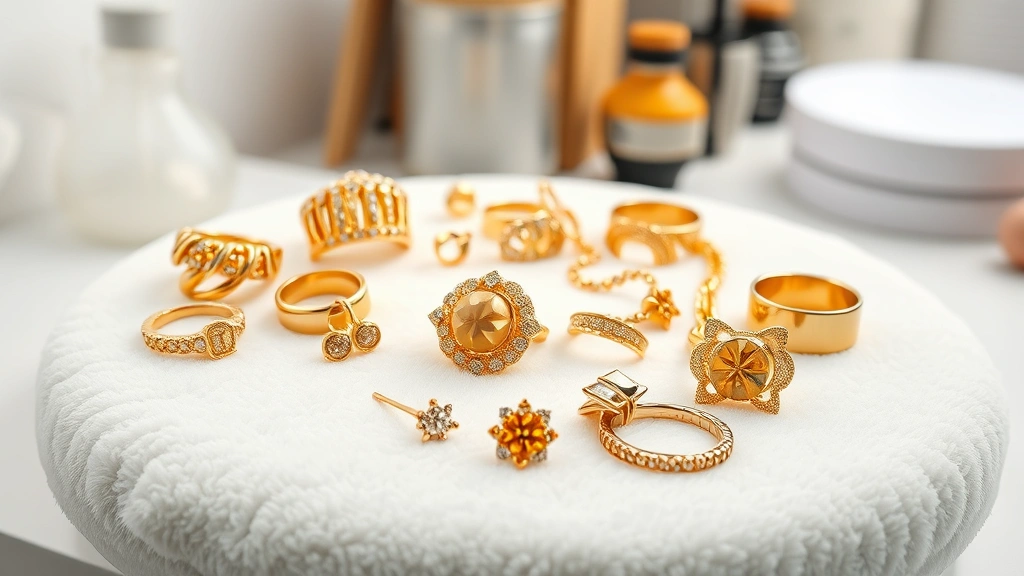
Learning how to clean gold jewelry is one of those essential skills that keeps your treasured pieces looking brilliant for decades. Whether you’re dealing with a tarnished heirloom, an everyday ring, or a delicate chain that’s lost its luster, you don’t need expensive professional cleaning or harsh chemicals. I’ve tested five proven methods in my workshop, and I’m sharing exactly what works without damaging your precious metals.
Table of Contents
Gentle Soap and Water Method
This is your go-to first defense for regular cleaning. It’s safe, effective, and uses stuff you already have at home. Fill a small bowl with lukewarm water—not hot, because extreme temperatures can stress the metal and any gemstones. Add a drop or two of mild dish soap, like Dawn, and stir gently.
Drop your gold jewelry into the solution and let it soak for about five to ten minutes. This gives the soapy water time to break down oils and dirt buildup. Use a soft-bristled toothbrush (one you’ve dedicated to this job, not the one you brush your teeth with) to gently scrub the piece, paying special attention to crevices and settings where grime loves to hide.
Rinse thoroughly under running water, making sure you catch the piece in a strainer so it doesn’t disappear down the drain. Pat dry immediately with a soft, lint-free cloth. This method works beautifully for everyday pieces and won’t harm even delicate gold chains or pieces with gemstones.
Baking Soda Paste Technique
When your gold jewelry needs more aggressive cleaning, baking soda paste is your secret weapon. Mix three parts baking soda with one part water to create a consistency that’s thick enough to stay put but spreadable. You want a paste that clings to the jewelry rather than dripping off.
Apply this paste directly onto the gold using your soft toothbrush, working in circular motions. The mild abrasive action of baking soda lifts stubborn tarnish and oxidation without scratching the metal. Spend extra time on heavily tarnished areas, but be gentle around any gemstones—baking soda is safe for most stones, but you’re not trying to polish them, just the gold surrounding them.
Rinse under cool running water and dry immediately. This method is particularly effective for solid gold pieces and works wonders on vintage jewelry that’s been sitting in a drawer for years. The beauty of baking soda is that it’s completely natural and won’t leave chemical residue on your pieces.
Vinegar and Ammonia Solution
This combination is powerful for deep cleaning, but it demands respect and caution. Mix equal parts white vinegar and household ammonia in a glass bowl—never use plastic, as ammonia can degrade it. The solution will smell strong, so work in a well-ventilated area.
Submerge your gold jewelry in this mixture and let it soak for no more than five to ten minutes. The chemical reaction between vinegar and ammonia breaks down stubborn tarnish and oxidation rapidly. Don’t leave pieces in longer than recommended, as extended exposure can potentially affect the metal’s surface finish.
Remove the jewelry with tweezers or a small strainer, rinse thoroughly under cool running water multiple times, and dry immediately with a soft cloth. This method is best reserved for heavily tarnished pieces that won’t respond to gentler methods. Never use this solution on jewelry with porous gemstones like opals or pearls, as they can absorb the chemicals and become damaged.
Cream of Tartar Polish
Cream of tartar creates a gentle but effective polishing paste that’s less aggressive than baking soda but more targeted than soap and water. Mix cream of tartar with a small amount of lemon juice to form a spreadable paste. The citric acid in lemon juice enhances the cleaning power without being harsh.
Apply this paste to your gold jewelry with a soft cloth or soft-bristled brush, working in circular motions. The combination gently removes tarnish and restores shine without scratching. This method is excellent for pieces that have intricate details or settings, as you can control the pressure and coverage precisely.
Rinse under cool water and dry thoroughly. Cream of tartar is a natural substance that won’t leave harmful residue, making it ideal for jewelry you wear frequently. The paste also has a pleasant citrus smell, unlike some harsher chemical cleaners.

Ultrasonic Cleaner Option
If you own multiple pieces of gold jewelry or clean regularly, an ultrasonic cleaner is a worthwhile investment. These devices use high-frequency sound waves to create tiny bubbles that dislodge dirt and tarnish from every surface, including hard-to-reach spots.
Fill the cleaner with water and add a small amount of mild dish soap or specialized jewelry cleaning solution. Place your gold pieces inside and run the cycle, typically lasting three to five minutes. The vibrations do the work for you, reaching into intricate designs and gemstone settings that brushes can’t access.
Remove pieces carefully, rinse under cool running water, and dry immediately. Ultrasonic cleaners are particularly effective for jewelry with lots of detail work or multiple gemstones. However, avoid using them on pieces with porous stones, delicate clasps, or vintage items that might have fragile solder joints. When in doubt, check the manufacturer’s recommendations or consult a professional jeweler.
Proper Drying and Storage
How you dry and store your gold jewelry matters as much as the cleaning method itself. Always use a soft, lint-free cloth—microfiber cloths are ideal because they won’t leave fibers behind. Dry each piece thoroughly immediately after cleaning; water left on gold can lead to spotting and oxidation.
Store cleaned jewelry in a cool, dry place away from direct sunlight and humidity. A jewelry box with soft compartments or individual cloth pouches prevents pieces from rubbing against each other and becoming scratched. Moisture and air exposure cause tarnishing, so avoid leaving jewelry in bathrooms or other humid environments.
Consider storing pieces in airtight containers or bags with silica gel packets to minimize exposure to oxygen and moisture. This is especially important for jewelry you don’t wear regularly. Proper storage extends the time between cleanings and keeps your gold looking brilliant longer.
What Not to Do
Never use abrasive materials like steel wool, scouring pads, or rough cloths on gold jewelry. These will scratch the surface and ruin the finish. Avoid harsh commercial jewelry cleaners unless specifically formulated for gold—some products designed for silver or other metals can damage gold.
Don’t use toothpaste on gold, despite old advice suggesting otherwise. Modern toothpastes contain abrasives designed to clean teeth, not delicate metals, and they’ll scratch your jewelry. Avoid chlorine and bleach entirely; these chemicals react with gold and can cause permanent damage.
Never soak jewelry with porous gemstones like opals, pearls, turquoise, or emeralds in any liquid for extended periods. These stones absorb water and chemicals, which causes discoloration and deterioration. For pieces with these stones, stick to gentle wiping with a damp cloth and immediate drying. If you’re unsure about a stone’s porosity, consult a jeweler before cleaning.
Regular Maintenance Tips
The key to keeping gold jewelry looking brilliant is regular light cleaning rather than occasional deep cleaning. Wipe pieces with a soft cloth after wearing them, especially if you’ve been sweating or in humid environments. This prevents buildup of oils and dirt.
Remove gold jewelry before showering, swimming, or exercising. Chlorine in pools damages gold, and sweat combined with soap creates residue that accumulates quickly. Removing jewelry during these activities reduces cleaning frequency and extends the life of the pieces.
Check settings and clasps regularly. Loose gemstones or weak clasps should be addressed by a professional jeweler before they become serious problems. If you notice any damage, have it repaired promptly rather than waiting until the piece breaks completely.
For valuable pieces or heirlooms, consider professional cleaning once a year or every two years. Professional jewelers have specialized equipment and expertise to handle delicate work safely. This is especially important for pieces with intricate designs, antique settings, or irreplaceable gemstones. Understanding how many grams to the ounce in gold can help you appreciate the value of what you’re maintaining.
Frequently Asked Questions
Can I use toothpaste to clean gold jewelry?
No, avoid toothpaste entirely. Modern toothpastes contain abrasive particles designed to clean teeth, not delicate metals. These abrasives will scratch gold and damage the finish. Stick with the proven methods outlined in this guide instead.
Is it safe to use vinegar on all gold jewelry?
Vinegar alone is generally safe for solid gold, but the ammonia-vinegar combination should only be used on sturdy pieces without porous gemstones. Never use this solution on pearls, opals, emeralds, or turquoise, as these stones absorb the chemicals and can be permanently damaged.
How often should I clean my gold jewelry?
Light cleaning with a soft cloth after wearing is ideal for regular maintenance. Deep cleaning depends on how often you wear the pieces and your environment. If you wear jewelry daily, a thorough cleaning every two to four weeks keeps it looking brilliant. Pieces worn occasionally need cleaning less frequently.
Will cleaning gold jewelry remove the patina or antique finish?
Gentle methods like soap and water or baking soda paste won’t remove intentional patina. However, if you’re cleaning a deliberately aged or antique-finished piece, use only the gentlest method and test on a small area first. Some vintage finishes are delicate and should be cleaned only by professionals.
What’s the best way to clean gold jewelry with gemstones?
For most gemstones, the gentle soap and water method is safest. Avoid soaking porous stones and don’t use abrasive methods on the stones themselves. Focus cleaning efforts on the gold, and gently wipe stones with a barely damp cloth. When in doubt, consult a jeweler about the specific stone’s care requirements.
Can I use an ultrasonic cleaner on all gold jewelry?
Ultrasonic cleaners work great on solid gold pieces, but avoid using them on jewelry with porous gemstones, delicate clasps, or antique solder joints. These components can be damaged by the intense vibrations. Check manufacturer guidelines or ask a jeweler before using an ultrasonic cleaner on valuable or antique pieces.
Why does my gold jewelry tarnish?
Pure gold doesn’t tarnish, but most jewelry is made from gold alloys mixed with other metals like copper or silver. These metals oxidize when exposed to air, moisture, and sulfur compounds, creating the dark tarnish layer. Regular cleaning and proper storage minimize tarnishing.
Keep Your Gold Shining Bright
Learning how to clean gold jewelry doesn’t require expensive products or professional help for routine maintenance. The five methods I’ve shared—gentle soap and water, baking soda paste, vinegar and ammonia solution, cream of tartar polish, and ultrasonic cleaning—cover every situation from light daily maintenance to heavy restoration work.
Start with the gentlest method appropriate for your piece, and only escalate to stronger solutions if needed. Remember that prevention through proper storage and regular light cleaning is always easier than dealing with heavy tarnish later. Treat your gold jewelry with the same care you’d give any valuable possession, and these pieces will remain brilliant and beautiful for generations.
The most important takeaway: consistency beats intensity. Regular gentle cleaning keeps gold looking magnificent far better than occasional harsh treatment. Now get out there and make those pieces shine like you just brought them home from the jeweler. For more cleaning wisdom, check out our guide on how to clean washing machine to apply similar principles to household appliances.


