
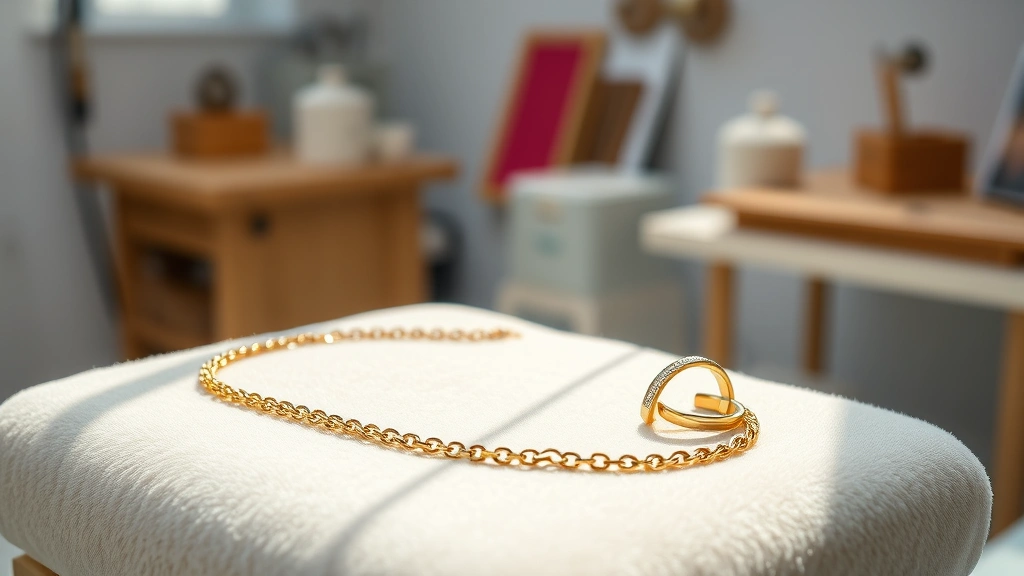
Learning how to clean gold doesn’t require fancy jewelers or expensive solutions—you’ve got everything you need right in your kitchen. Whether it’s a cherished family heirloom, everyday jewelry, or decorative gold items, keeping them brilliant takes just a few minutes and some basic know-how. I’ve tested every method out there, and I’m sharing the five approaches that actually work without damaging your precious metals.
Table of Contents
The Soap and Water Method
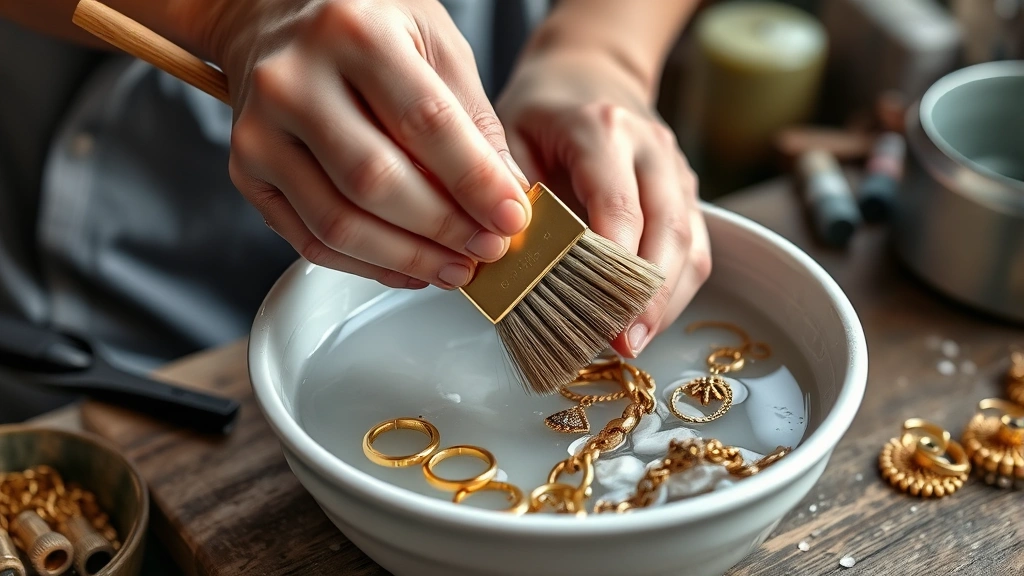
This is your go-to starting point for routine cleaning. It’s gentle, effective, and won’t damage even delicate gold pieces. Fill a bowl with warm water—not hot, as extreme temperatures can loosen stones—and add a few drops of mild dish soap. Submerge your gold item for 5-10 minutes to let the warm water soften built-up oils and dirt.
Use a soft-bristled toothbrush or a dedicated jewelry brush to gently scrub the surface. Pay extra attention to crevices and textured areas where grime accumulates. For intricate pieces, a soft cloth works better than a brush. Rinse thoroughly under running water and pat dry immediately with a lint-free cloth. This method works beautifully on solid gold and gold-plated items alike.
Baking Soda Paste Magic
When soap and water aren’t cutting it, baking soda is your secret weapon. Mix three parts baking soda with one part water to create a thick paste. The mild abrasive nature of baking soda removes tarnish and oxidation without scratching gold surfaces when applied correctly.
Apply the paste directly to your gold piece using a soft cloth or soft-bristled brush. Work in circular motions, focusing on tarnished areas. For heavily tarnished items, let the paste sit for 5-10 minutes before scrubbing. Rinse under warm water and dry completely. This method is particularly effective for solid gold but should be used cautiously on gold-plated items since aggressive scrubbing can wear through the plating. If you’re working with delicate gemstones, test this method on an inconspicuous area first.
White Vinegar Soak
White vinegar is acidic enough to break down tarnish but gentle enough for regular use. Pour white vinegar into a bowl and submerge your gold jewelry for 10-15 minutes. The acid works to dissolve oxidation and mineral deposits that make gold look dull.
After soaking, use a soft cloth to gently wipe away loosened debris. For stubborn spots, a soft brush can help, but avoid scrubbing vigorously. Rinse thoroughly under clean water—this step is crucial because vinegar residue can leave streaks. Dry immediately with a soft, lint-free cloth. This method works especially well for gold chains and smooth surfaces. The vinegar smell dissipates quickly, and your gold will sparkle like new.
Ammonia for Deep Cleaning
Ammonia is the heavy hitter when other methods fall short. Mix one part ammonia with six parts water to create a safe cleaning solution. Never use full-strength ammonia, as it can damage certain gemstones and gold finishes. Submerge your gold item for 10 minutes, allowing the ammonia to penetrate and break down stubborn tarnish.
Use a soft brush to gently work the solution around the piece, then rinse thoroughly under running water multiple times. The ammonia smell can be strong, so work in a well-ventilated area. Dry completely with a soft cloth. This method is ideal for solid gold pieces and those with diamonds, but avoid using it on pearls, opals, or other delicate gemstones. Always test on a small area first if you’re uncertain about your piece’s composition.
Gentle Toothpaste Rub
Regular white toothpaste (avoid gel formulas) can work in a pinch for light cleaning. Apply a small amount to a soft cloth and gently rub your gold piece in circular motions. The mild abrasive in toothpaste helps remove light tarnish and surface dirt without being too aggressive.
This method is best for quick touch-ups rather than deep cleaning. Rinse under warm water and dry immediately. Toothpaste works well on solid gold and gold-plated jewelry, but skip this method if your piece has delicate gemstones or intricate detailing. The abrasive particles, while mild, can accumulate in crevices and be difficult to rinse completely.
What to Avoid Completely
Certain cleaning methods will damage your gold beyond repair. Never use chlorine bleach or harsh chemical cleaners—these can cause permanent discoloration and pitting on gold surfaces. Avoid ultrasonic cleaners if your gold contains pearls, opals, emeralds, or other soft stones, as the vibrations can loosen them.
Don’t use abrasive scrubbing pads, steel wool, or rough cloths on gold. These create microscopic scratches that accumulate and dull the finish. Steer clear of commercial jewelry cleaners with unknown chemical compositions unless specifically labeled safe for gold. Hot water over 140°F can damage gemstone settings and weaken solder joints. When in doubt, stick with the gentle methods—they’re safer and just as effective over time.
Proper Drying and Storage
How you dry and store gold is just as important as how you clean it. Always use a lint-free microfiber cloth or soft cotton cloth to dry immediately after cleaning. Leaving water droplets on gold can cause water spots and mineral deposits that dull the shine.
Store gold jewelry in a cool, dry place away from direct sunlight. Use separate compartments or soft cloth pouches to prevent pieces from scratching each other. Avoid storing gold in humid environments like bathrooms, which can accelerate tarnishing. For long-term storage, consider adding silica gel packets to your storage container to absorb moisture. This simple step extends the time between cleanings significantly and keeps your gold looking brilliant for years.
When to Call a Professional
Some situations require professional expertise. If your gold piece has loose stones, bent prongs, or broken clasps, a jeweler should handle repairs before cleaning. Antique gold items with delicate patina should be cleaned by professionals who understand restoration. If you’re unsure about your piece’s composition or gemstone types, a jeweler can assess it properly.
Professional cleaners use specialized equipment and solutions that aren’t available to consumers. They can also inspect your jewelry for damage while cleaning. For valuable heirlooms or pieces with sentimental significance, professional cleaning provides peace of mind. The cost is reasonable insurance against accidental damage.
Regular Maintenance Tips
Consistent maintenance prevents heavy tarnishing and reduces cleaning frequency. Remove gold jewelry before showering, swimming, or exercising—chlorine, salt water, and sweat accelerate tarnishing. Avoid applying lotions, perfumes, and cosmetics while wearing gold, as these products create a film that dulls the shine.
Clean your gold jewelry monthly with the soap and water method to maintain brightness between deep cleanings. This prevents buildup that requires more aggressive cleaning later. Handle gold with care—dropping it can cause dents and damage that affect appearance. Gently wipe your gold pieces with a soft cloth after wearing them to remove skin oils and sweat.
Frequently Asked Questions
Can I clean gold-plated jewelry the same way as solid gold?
Gold-plated items require gentler handling. Stick with soap and water or vinegar soaks, and avoid baking soda pastes or aggressive scrubbing, which can wear through the plating layer. Test any new method on an inconspicuous area first.
How often should I clean my gold jewelry?
Monthly maintenance cleaning with soap and water keeps gold looking fresh. Deep cleaning with baking soda or vinegar is needed only when tarnishing becomes visible, typically every 3-6 months depending on wear and storage conditions.
Is it safe to clean gold with gemstones?
Most gemstones are safe with soap and water or vinegar. Avoid ammonia on pearls, opals, and emeralds. Never use ultrasonic cleaners on soft stones. When in doubt, consult a jeweler about your specific piece.
Why does gold tarnish if it’s precious?
Pure gold doesn’t tarnish, but most gold jewelry contains alloy metals like copper and silver that oxidize when exposed to air, moisture, and chemicals. This creates the dull patina you see on older pieces.
Can I use tap water for rinsing gold?
Tap water contains minerals that leave spots. Distilled water is ideal for final rinsing, but tap water is acceptable if you dry immediately afterward with a lint-free cloth.
What’s the best cloth for drying gold?
Microfiber cloths are ideal because they’re lint-free and won’t scratch. Soft cotton cloths work well too. Avoid paper towels and regular cloths that shed fibers and can leave residue.
For more detailed household maintenance guidance, check out our article on how to change wiper blades, which covers similar meticulous maintenance principles. If you’re managing digital files alongside your home care routine, our guide on how to make a copy of a word document might help organize your cleaning schedules and jewelry inventory lists.
Conclusion
Cleaning gold at home is straightforward when you follow these proven methods. Start with gentle soap and water for routine maintenance, graduate to baking soda paste or vinegar for tarnished pieces, and reserve ammonia for stubborn buildup. The key is matching your cleaning method to your gold’s condition and composition. By implementing regular maintenance and proper storage, you’ll keep your gold pieces brilliant for decades. Remember: patience and gentle handling always beat aggressive scrubbing. Your gold will thank you with a lasting shine that rivals any professional cleaning.


