
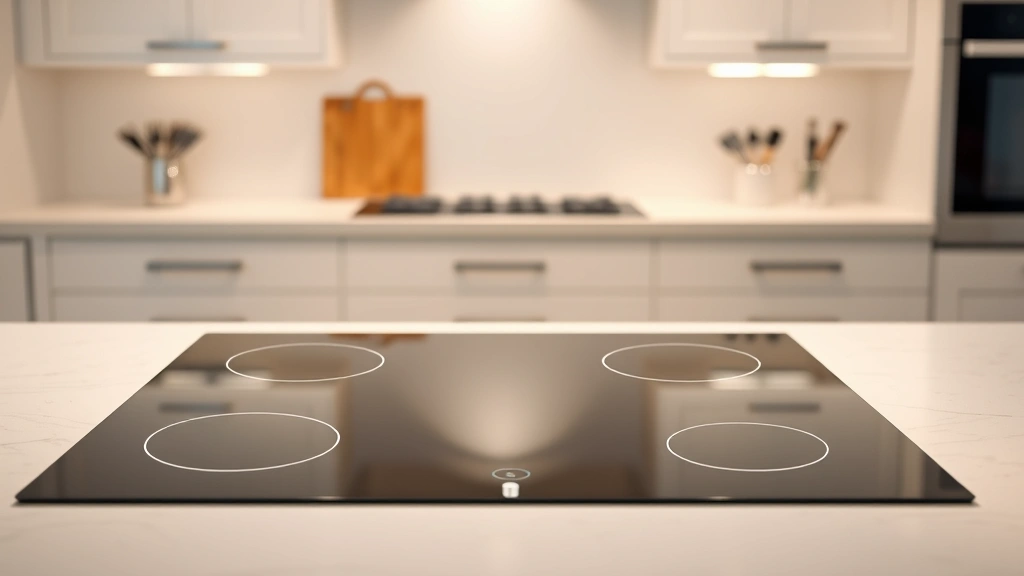
Learning how to clean glass stove top surfaces doesn’t require expensive chemicals or hours of elbow grease—just the right technique and a few common household items. A sparkling glass cooktop transforms your kitchen instantly, and keeping it clean actually extends its lifespan by preventing buildup that can damage the surface. Whether you’re dealing with baked-on food, grease splatters, or stubborn stains, I’ve got you covered with methods that actually work.
Table of Contents
Why Regular Cleaning Matters
Glass stovetops look sleek and modern, but they’re also magnets for spills and splatters. The thing is, leaving food and grease on your cooktop doesn’t just look bad—it actually damages the surface over time. Heat cycles cause buildup to bond permanently with the glass, making future cleaning exponentially harder. I’ve seen cooktops that looked permanently stained, only to discover they just needed proper cleaning technique.
Regular maintenance prevents those stubborn marks from becoming permanent etchings. Plus, a clean cooktop heats more evenly and efficiently, which means your cooking times stay consistent. It’s one of those kitchen maintenance tasks that pays dividends immediately.
Gather Your Supplies First
Before you start, assemble everything you’ll need. This prevents mid-cleaning frustration and makes the whole process smoother. Here’s what works best for cleaning a glass stove top:
- Baking soda (the workhorse of this method)
- White vinegar (the activator)
- Dish soap (for general degreasing)
- Soft cloths or microfiber towels (never paper towels—they scratch)
- Plastic scraper (metal will damage the surface)
- Spray bottle (for water distribution)
- Warm water
Optional but helpful: a squeegee for water removal and a glass cooktop cleaner like Cerama Bryte if you want a commercial backup option. Most people find the baking soda and vinegar combo works just as well without the price tag.
Step 1: Prep the Surface
Start with a cold cooktop. Never clean a hot or warm glass surface—thermal shock can crack it, and you’ll burn yourself. Let it cool completely after cooking, which usually takes 15-30 minutes depending on how hot it got.
Once it’s cool, remove any loose debris by hand. Crumbs, bits of food, anything that’s sitting on top—brush it into the sink. This takes 30 seconds and saves you from grinding debris into the glass during cleaning. If you’ve got dried-on food that’s basically glued down, don’t force it yet. That’s what the next steps handle.
Step 2: Scrape Away Debris
This is where a plastic scraper becomes your best friend. Metal scrapers will permanently scratch glass, so don’t even think about grabbing a steel one. Use steady, gentle pressure at a 45-degree angle, working from the center outward. You’re not trying to remove everything in one pass—just loosen what you can.
For really stubborn, baked-on spots, dampen the area first with warm water and let it sit for 2-3 minutes. This softens the bond between food and glass. Then scrape again. Patience here prevents you from damaging the surface by forcing things.
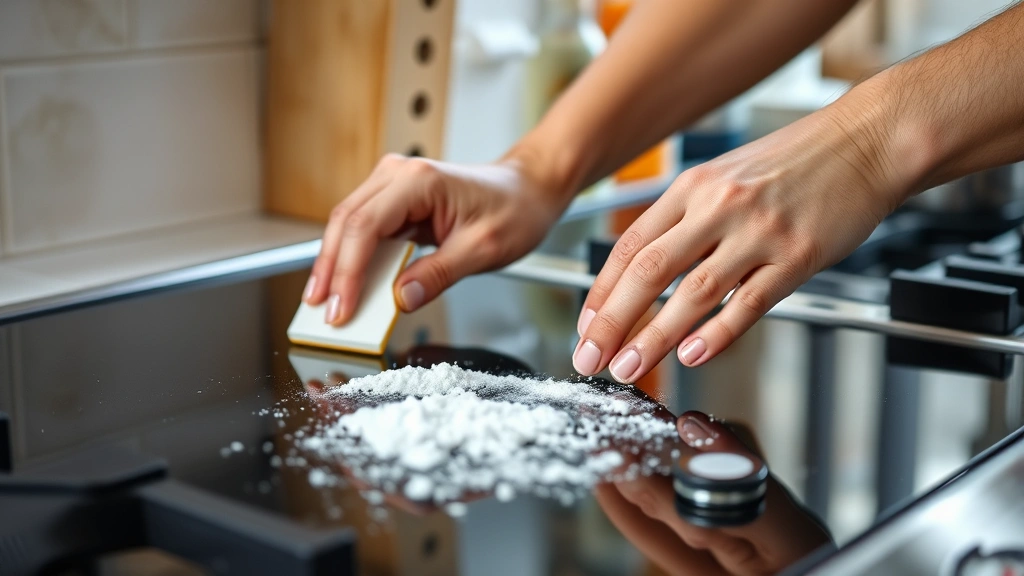
Step 3: Apply Baking Soda Paste
This is the secret weapon. Mix baking soda with just enough water to create a thick paste—think toothpaste consistency, not runny. Spread this paste directly onto the dirty areas of your cooktop, focusing on stains and problem spots.
The baking soda acts as a gentle abrasive that lifts stains without scratching. It’s alkaline enough to break down grease and mineral deposits, but gentle enough for glass. Let the paste sit for 5-10 minutes. This dwell time lets the baking soda work its magic, loosening stubborn marks without you having to scrub hard.
Step 4: Vinegar Activation Magic
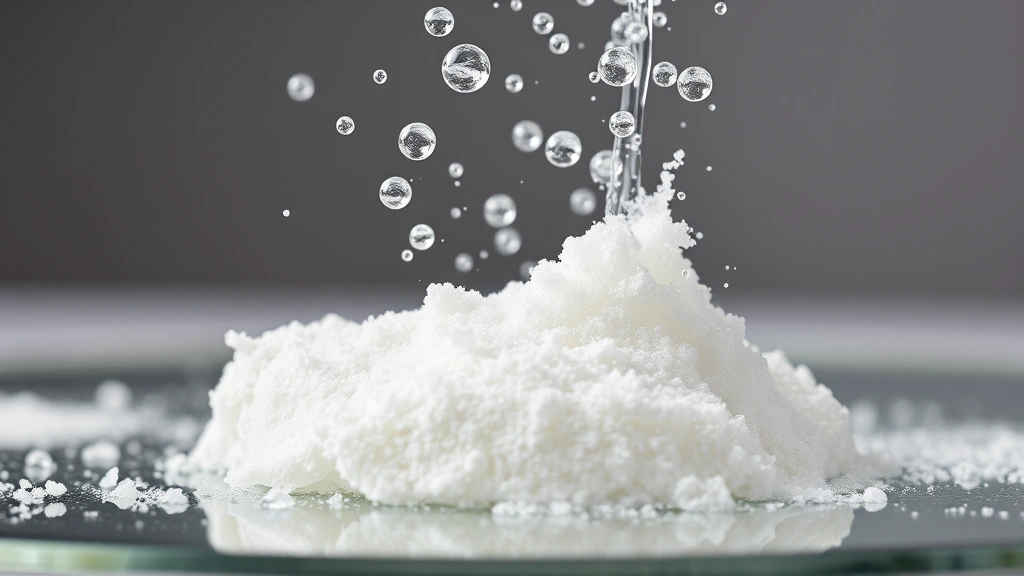
Now spray white vinegar directly onto the baking soda paste. You’ll see it immediately fizz and bubble—that’s the chemical reaction that does the heavy lifting. The vinegar reacts with the alkaline baking soda, creating a foaming action that lifts dirt and grime right off the surface.
Let this sit for another 5-10 minutes while the fizzing continues. You don’t need to do anything—the chemistry is working for you. This is why the baking soda and vinegar combo beats expensive cleaners. It’s science, not marketing.
Step 5: Final Polish and Shine
Grab a damp microfiber cloth and wipe away all the paste and residue. Use circular motions and multiple passes if needed. The paste should come away easily now because you’ve done the chemical work. Rinse your cloth frequently in warm water to avoid just moving the paste around.
Once the paste is gone, do a final wipe with a clean, damp cloth to remove any vinegar smell. Then dry immediately with a soft, dry towel. This prevents water spots from forming. For extra shine, you can buff with a paper towel or clean cloth—the surface should gleam.
Preventing Future Buildup
The best cleaning is the one you don’t have to do. Wipe spills immediately when the cooktop cools—don’t let them sit overnight. A quick wipe with a damp cloth takes 30 seconds and prevents baked-on messes.
Use splatter guards when cooking bacon or anything that splatters aggressively. Keep pot lids on when simmering to minimize steam and splatters. And here’s something most people miss: never drag pots across the glass. Lift and place them. Dragging scratches the surface and can trap debris underneath.
Do a quick maintenance clean once weekly, even if the cooktop looks okay. A light baking soda paste and vinegar spray takes 10 minutes and keeps buildup from ever accumulating. Prevention beats remediation every time.
What NOT to Do
I’ve seen people make mistakes that damage their cooktops permanently, so here’s what to absolutely avoid:
- Metal scrapers or steel wool—they scratch permanently
- Abrasive powders like scouring powder or pumice—too harsh for glass
- Oven cleaner—it’s too strong and can damage the surface coating
- Cleaning a hot cooktop—thermal shock cracks glass
- Ammonia-based cleaners on certain cooktop types—read your manual first
- Letting spills dry completely—they bond stronger and become harder to remove
Also, don’t assume all glass cooktops are the same. Some have special coatings or are made from different materials. Check your manual or manufacturer’s website for specific recommendations. What works for one brand might not be ideal for another.
Frequently Asked Questions
Can I use commercial glass cleaners on my stovetop?
Commercial glass cleaners like Windex aren’t ideal for cooktops because they leave streaks and don’t cut through cooking grease effectively. They’re better for windows. For cooktops, stick with the baking soda and vinegar method or use a cleaner specifically formulated for glass cooktops like Cerama Bryte or Bar Keeper’s Friend.
How often should I clean my glass stove top?
Do a light maintenance clean weekly and a deep clean monthly. If you cook daily, you might need weekly deep cleans. The key is not letting buildup accumulate. A cooktop that’s cleaned weekly never gets to the point where it needs an hour of scrubbing.
What if baking soda and vinegar don’t work on old stains?
For really stubborn stains, try Bar Keeper’s Friend. It’s a powder cleanser that works similarly to baking soda but is slightly more aggressive. Make a paste, let it sit 5-10 minutes, then scrub gently with a soft cloth. It’s still gentler than metal scrapers and actually works on mineral deposits that baking soda might miss.
Can I use a dishwasher tablet on my cooktop?
Some people swear by dampening a dishwasher tablet and using it to scrub their cooktop. The concentrated detergent and mild abrasive can work, but it’s not necessary. Stick with baking soda and vinegar—it’s cheaper, works just as well, and you probably already have both at home.
Why does my cooktop have permanent-looking marks?
Those marks are usually mineral deposits from hard water or heat discoloration, not actual damage. The baking soda and vinegar method should remove most of them. If they persist after multiple cleanings, they might be etching from acidic spills left too long, which is permanent. Prevention is the only cure there.
Is it safe to use vinegar on all glass cooktops?
Vinegar is safe on standard glass cooktops. However, some specialty cooktops or those with special coatings might have manufacturer restrictions. Always check your manual first. When in doubt, test the vinegar method on a small, inconspicuous area first.
Final Thoughts
Knowing how to clean glass stove top surfaces properly saves you money, time, and frustration. The baking soda and vinegar method works because it’s based on chemistry, not marketing hype. You’re using two inexpensive, safe ingredients that most kitchens already stock.
The real secret isn’t the cleaning method—it’s consistency. Weekly maintenance prevents the nightmare of deep cleaning a neglected cooktop. Spend 10 minutes weekly, and your cooktop stays pristine. Ignore it for months, and you’re looking at serious work.
For more kitchen maintenance tips, check out our guides on how to keep apples from browning to preserve your ingredients properly, or explore our healthy overnight oats recipe for easy morning prep. If you’re interested in kitchen ambiance, our article on how to use a diffuser can help create a pleasant cooking environment.
Start with your cooktop today. Gather the supplies, follow the five steps, and you’ll see results in 30 minutes. Your future self will thank you every time you cook on a clean, gleaming surface.


