
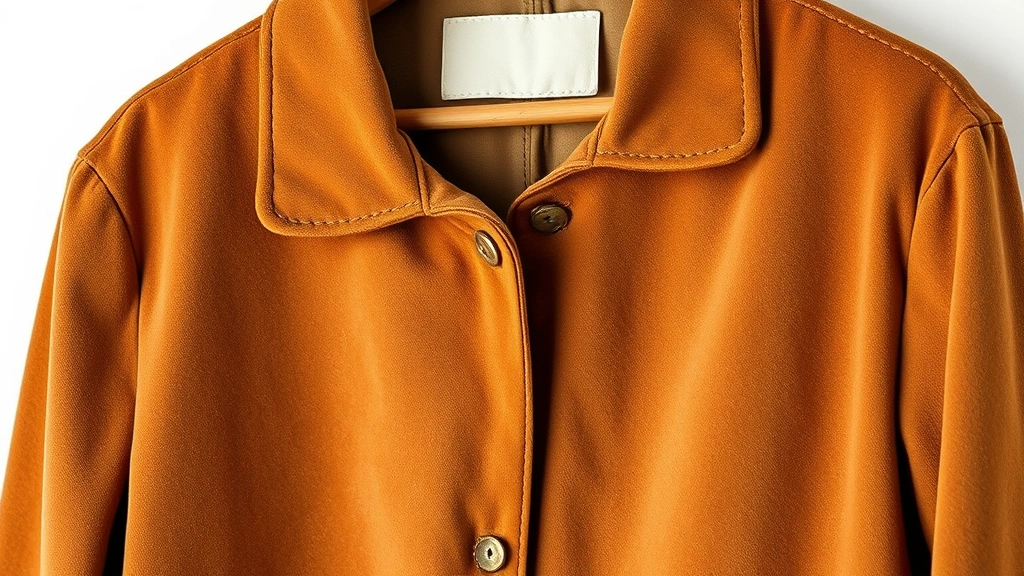
Learning how to clean gamuza is one of those skills that separates people who keep their suede looking fresh from those who watch it deteriorate into a sad, matted mess. Gamuza—that’s Spanish for suede—is a delicate material that demands respect, but once you nail the technique, you’ll keep your jackets, shoes, and accessories looking showroom-ready for years.
Table of Contents
Understanding Gamuza Material
Gamuza is basically suede—a soft, napped leather that comes from the underside of animal hides. It’s got this velvety texture that feels amazing to touch, but that same quality makes it vulnerable to dirt, water, and oils. The nap (those tiny fibers standing up) is what gives suede its characteristic look and feel, but it’s also what traps dust and shows stains like a spotlight.
The reason gamuza needs special treatment compared to regular leather is simple: those surface fibers are exposed. Regular leather has a protective finish; suede doesn’t. That’s why your favorite gamuza jacket can look dingy after a season of wear if you’re not maintaining it properly. But here’s the good news—with the right approach, you can restore that original softness and color.
Gather Your Cleaning Supplies
Before you touch your gamuza with anything, you need the right tools. This isn’t the time to improvise with whatever’s in your junk drawer. Here’s what you actually need:
Essential tools: A suede brush (the soft-bristled kind, not a wire brush), a gum eraser made specifically for suede, and a suede cleaning solution. You can find quality suede brushes at most shoe stores or online—they’re usually around $10-15 and last forever. Grab a gum eraser too; these are magic for light marks and scuffs.
For deeper cleaning, pick up a commercial suede cleaner from a reputable brand. Family Handyman has solid recommendations for leather care products that work on suede too. You’ll also want white cloths or microfiber towels—never colored ones, since dyes can transfer.
Optional but helpful: a suede protector spray (apply this after cleaning to prevent future stains), a soft sponge, and distilled water. Distilled water matters because tap water has minerals that can leave marks on suede.
The Dry Brush Method
This is your first line of defense and should happen regularly—like every week or two if you wear the item frequently. The dry brush method removes surface dust and restores the nap without introducing any moisture.
Start by brushing in one direction, following the natural grain of the suede. Use gentle, consistent strokes. You’re not scrubbing; you’re coaxing those fibers back to standing at attention. If you’ve got stubborn matted areas, brush against the grain lightly, then brush back with the grain to reset the nap. This technique works surprisingly well for keeping your gamuza looking fresh between deeper cleanings.
For scuffs and light marks, grab your gum eraser. Rub it gently over the affected area in circular motions. The eraser crumbles slightly as it works, and those crumbles lift away the marks. Brush away the eraser debris when you’re done. It’s low-risk and effective for everyday wear marks.
Spot Cleaning Stains
The moment you get a stain on gamuza, time matters. Fresh stains are way easier to deal with than ones that have set in. Here’s the protocol:
For wet stains (spills, rain): Blot immediately with a clean, dry cloth. Don’t rub—blotting only. Let it air dry naturally. Once it’s completely dry, use your brush to restore the nap. This simple approach handles most liquid spills.
For oily or greasy stains: Sprinkle cornstarch or talcum powder on the spot and let it sit for several hours. The powder absorbs the oil. Brush it away, then assess what’s left. If there’s still a mark, use a small amount of suede cleaner on a cloth and gently dab the area.
For mud or dirt stains: Let it dry completely first. Trying to clean wet mud spreads it around. Once dry, brush the area thoroughly. Most mud will flake off. If residue remains, use a barely damp cloth with a tiny bit of suede cleaner.
For stubborn stains, This Old House offers detailed stain-removal techniques that work across different materials. The key principle: always start gentle and escalate only if needed.
Deep Cleaning Process
When surface cleaning isn’t cutting it anymore, you need to do a proper deep clean. This is the full reset for your gamuza item.
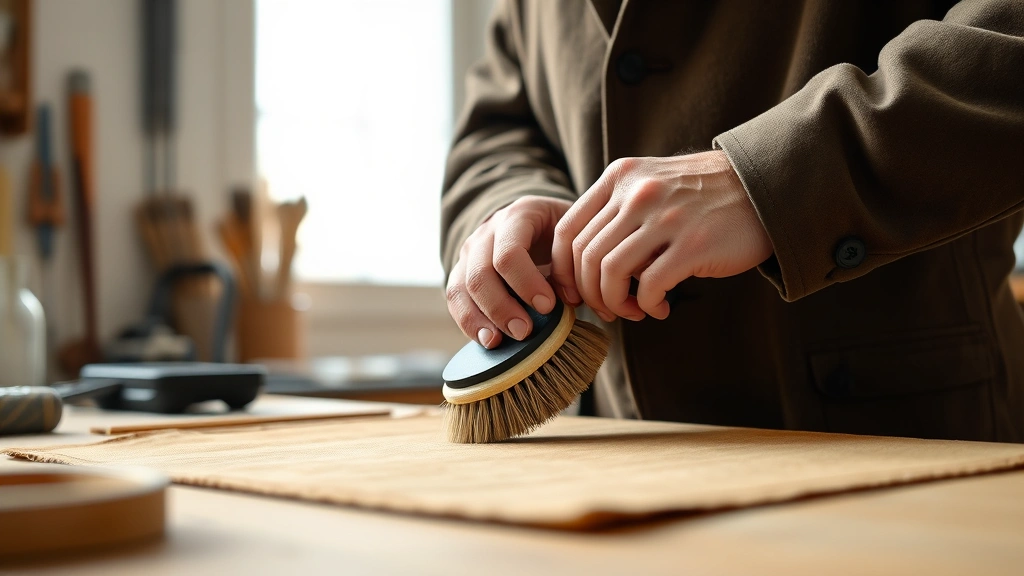
Step 1: Dry brush thoroughly. Get all the loose dust and debris out first. Spend a solid minute on this step—it matters.
Step 2: Mix your cleaning solution. Follow the instructions on your suede cleaner, or mix one part white vinegar with four parts distilled water if you’re using a DIY approach. (Vinegar is acidic enough to lift stains but weak enough not to damage suede.)
Step 3: Test on a hidden area. Always. Before you treat the whole garment, test your solution on an inconspicuous spot—inside a cuff, the back of a collar, somewhere nobody will see if something goes wrong.
Step 4: Apply the solution. Dampen a soft cloth or sponge with your cleaning solution. Wring it out so it’s barely wet—you want damp, not soaked. Gently rub the cloth over the stained areas in circular motions. Work in small sections.
Step 5: Rinse. Use a cloth dampened with distilled water only to remove cleaner residue. Again, barely damp—not wet.
Step 6: Restore the nap. Once everything is dry, use your suede brush to bring back the texture. Brush in the direction of the nap.
Drying and Restoration
Drying is where most people mess up. You can’t just throw wet gamuza in the sun or near a heat source. That’ll shrink it, crack it, and ruin the material permanently.
Air dry only, at room temperature, away from direct sunlight and heat sources. Stuff shoes with newspaper to help them hold their shape and absorb moisture from the inside. Change the newspaper every few hours if it’s really wet. For jackets and larger items, lay them flat on a clean towel or hang them loosely on a padded hanger.
This process takes patience—usually 24-48 hours depending on humidity. Yes, it’s slow. That’s the point. Rushing the drying is how you damage suede.
Once it’s completely dry, brush the entire surface with your suede brush. Brush with the grain, using firm but gentle strokes. You’re resetting those nap fibers and bringing back the soft, velvety finish. If the color looks a bit dull after drying, this brushing usually restores it.
Now’s the time to apply a suede protector spray if you want to prevent future stains. Follow the product instructions—usually you spray lightly from about 6 inches away, let it dry, and you’re golden for another few months.
Prevention Tips
An ounce of prevention beats a pound of cure with gamuza. These habits keep your items looking better longer:
Wear it smart: Don’t wear the same gamuza item every single day. Rotation lets the material rest and recover. If you’ve got a suede jacket, alternate it with other jackets.
Protect from elements: Gamuza and rain aren’t friends. Keep your items away from wet weather when possible. If you get caught in rain, let it dry naturally—don’t use heat.
Store properly: Keep gamuza items in a cool, dry place. Use dust bags if you have them. Don’t store in plastic—it traps moisture. Cedar blocks or lavender sachets keep moths away without chemicals.
Brush regularly: Even if there are no visible stains, brush your gamuza items weekly if you wear them regularly. This prevents dirt from embedding and keeps the nap healthy.
Avoid problem areas: Keep gamuza away from rough fabrics that cause pilling, away from sharp objects that snag, and away from eating or drinking situations where spills happen. It’s a material that demands a bit of respect in how you treat it.
When to Call Professionals
Some situations are beyond DIY territory. If you’ve got a major stain that won’t budge after multiple attempts, significant water damage, color fading, or damage to the structure of the item (like a torn seam or puncture), take it to a professional cleaner who specializes in suede and leather. Bob Vila’s guide to finding quality dry cleaners can point you toward specialists in your area.
Professional cleaners have access to industrial-strength solutions and specialized equipment that can handle situations your home setup can’t. It costs more upfront, but it’s better than destroying an expensive jacket or pair of shoes trying to fix it yourself.
Also, if you’re unsure about the material—maybe it’s a specialty suede or a blend—ask the professional before they start work. Some materials need different approaches.
Frequently Asked Questions
Can you wash gamuza in the washing machine?
Absolutely not. Machine washing will destroy suede. The agitation, water exposure, and detergent will ruin the nap and potentially shrink the item. Always hand-clean gamuza using the methods described above.
What’s the difference between gamuza and regular suede?
Gamuza is just the Spanish word for suede. They’re the same material. The cleaning methods are identical whether you call it gamuza, suede, or chamois (though chamois is technically slightly different—it’s sheepskin leather). The principles are the same: gentle, dry-first, minimal moisture.
How often should you clean gamuza items?
Light dry brushing should happen weekly if you wear the item regularly. Deep cleaning depends on how much you wear it and how much it gets soiled. Most people deep clean gamuza items 2-4 times per year. If you wear something daily and it’s visibly dirty, clean it more often.
Can you use a regular brush on gamuza?
No. A regular brush or wire brush will damage the nap. You need a soft-bristled suede brush specifically. They’re inexpensive and worth the investment. This is one place where using the right tool actually matters.
What if gamuza gets wet?
Stay calm. Let it dry naturally at room temperature, away from heat. Don’t use a hair dryer or put it near a radiator. Once it’s completely dry, brush it to restore the nap. Most water exposure isn’t permanent if you handle the drying correctly.
Does suede protector spray really work?
Yes, when applied properly. Suede protector creates a water-resistant barrier that repels liquids and prevents stains from setting. It doesn’t make gamuza waterproof, but it buys you time to blot spills before they soak in. Reapply every few months or after cleaning.
Final Thoughts
Cleaning gamuza doesn’t require special skills or expensive equipment—just patience, the right tools, and a willingness to do things properly instead of taking shortcuts. The dry brush method handles 80% of your maintenance needs. For the other 20%, follow the deep-clean steps outlined here, and you’ll restore your gamuza to like-new condition.
The investment in a quality suede brush and some decent cleaner pays for itself the first time you save an expensive jacket or pair of shoes from permanent damage. Treat your gamuza well, and it’ll look sharp for years. Neglect it, and you’ll watch it deteriorate into something you’d rather hide in the back of your closet.
Start with prevention and regular maintenance. When stains happen, act fast and use the right technique. Your future self—the one wearing a perfectly maintained suede jacket—will thank you.


