
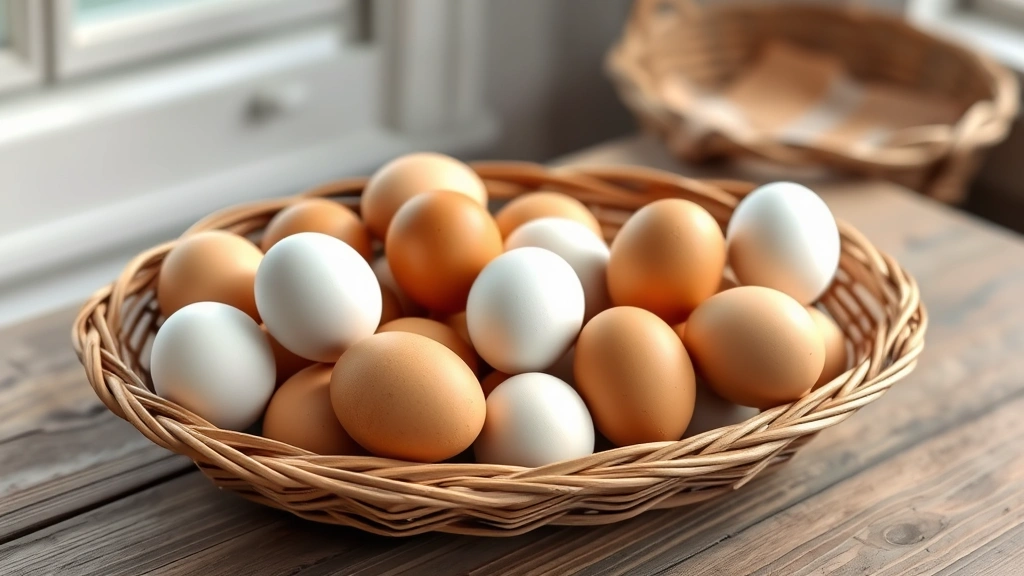
Learning how to clean fresh eggs is one of those simple skills that makes a real difference whether you’re raising backyard chickens or buying farm-fresh eggs from a local market. Unlike store-bought eggs that have been industrially washed and sanitized, fresh eggs often come with a bit of dirt, dust, or debris on the shell—and that’s completely normal. The good news? Cleaning them properly takes just a few minutes and keeps your eggs safe for cooking without damaging that protective outer layer.
Table of Contents
Why Clean Fresh Eggs?
Fresh eggs straight from the coop or farm come with a natural protective layer called the cuticle or bloom. This waxy coating seals the pores in the eggshell and prevents bacteria from entering. When you collect eggs, they might have dirt, bedding material, or chicken droppings on them—not because anything’s wrong with the egg, but simply because that’s the farm environment.
You don’t need to remove every speck of dust, but cleaning off visible debris makes your eggs more pleasant to handle and cook with. The key is doing it in a way that doesn’t strip away that protective bloom or allow bacteria to penetrate the shell. This is why the method you choose matters more than how aggressively you scrub.
Dry Cleaning Method
The dry cleaning method is your first line of defense and often the best choice for lightly soiled eggs. Grab a soft, dry cloth—a clean kitchen towel, paper towel, or even a soft-bristled brush works great. Gently rub the egg’s surface to remove loose dirt and dust. This takes about 30 seconds per egg and works surprisingly well for most situations.
For stubborn dried-on debris, use a soft-bristled vegetable brush or a dedicated egg brush. The bristles are gentle enough not to damage the shell but firm enough to dislodge stuck material. Think of it like brushing off a potato before cooking—you’re not trying to remove the skin, just the surface grime. This method preserves the bloom completely and is perfect for eggs you’ll use within a few days.
Wet Cleaning Approach
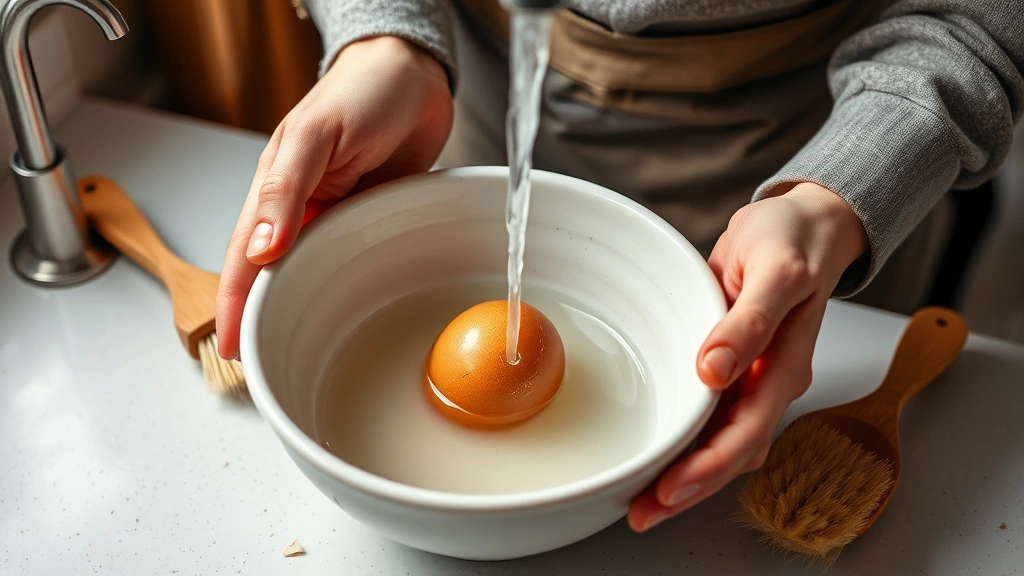
When dry cleaning isn’t enough, wet cleaning is your next step. Here’s where most people make mistakes, so pay attention. Fill a bowl with warm water—not hot, not cold, but comfortably warm to your touch, around 90-100°F. The water should be warmer than the egg itself. This temperature difference creates a slight pressure that helps push water away from the pores rather than pulling it in.
Dunk the egg briefly into the warm water and gently rub it with a soft cloth or sponge. You’re not scrubbing hard; you’re just helping the water loosen the debris. Keep it submerged for no more than a few seconds. Once the visible dirt is gone, remove the egg and place it on a clean towel to air dry. The entire process should take less than a minute per egg.
Some folks add a tiny drop of mild dish soap to the water, which can help with particularly grimy eggs. If you go this route, make sure to rinse thoroughly under running water afterward. The goal is clean eggs, not soapy ones.
Water Temperature Matters
This is the critical detail that separates safe egg cleaning from risky egg cleaning. Cold water is a no-go because it creates a vacuum effect—as the egg cools inside the shell, it pulls water and any bacteria with it through the pores. Hot water, on the other hand, can cook the egg white slightly and damage the shell. That’s why warm water—warmer than the egg but not steaming—is the sweet spot.
Think of it this way: warm water on a warm egg maintains equilibrium. There’s no pressure gradient pulling contaminants inward. This is backed by food safety guidelines from the USDA, which specifically recommends water that’s at least 20°F warmer than the egg’s interior temperature. If your eggs have been sitting in a cool coop, room-temperature water works fine. If they’re freshly laid and still warm, use slightly warmer water.
Tools You Need
You don’t need fancy equipment to clean fresh eggs properly. Here’s what actually works:
- Soft-bristled brush: A vegetable brush or dedicated egg brush is ideal. Avoid anything with stiff synthetic bristles.
- Clean cloth or sponge: Microfiber cloths work great because they’re gentle and absorbent.
- Bowl for water: Any clean bowl that fits an egg works fine.
- Paper towels or clean towel: For drying after washing.
- Thermometer (optional): If you want to be precise about water temperature, a quick-read thermometer takes the guesswork out.
That’s it. You don’t need commercial egg washers or special solutions. Keep your tools clean by washing them in hot soapy water before and after use, especially if you’re handling a large batch of eggs.
Common Cleaning Mistakes
People mess up egg cleaning in predictable ways. The biggest mistake is using cold water, which we’ve already covered—it pulls bacteria in rather than keeping it out. The second mistake is scrubbing too hard or using abrasive materials. Rough scrubbing damages the cuticle and actually makes eggs less safe, not more.
Another common error is letting eggs soak for extended periods. A quick dunk is fine; leaving eggs submerged for 5-10 minutes is asking for trouble. Water will eventually penetrate the shell, and you’re just giving bacteria more time to work. Related to this is using dirty water or reusing the same bowl of water for multiple eggs without changing it. Use fresh water for each batch or at least change it every 3-4 eggs.
Some people also make the mistake of washing eggs and then storing them at room temperature, thinking clean eggs don’t need refrigeration. Wrong. Once you’ve washed an egg, the protective bloom is compromised, and refrigeration becomes essential. Store cleaned eggs in the coldest part of your fridge, ideally at 35-40°F.
Storage After Cleaning
After cleaning, let eggs dry completely before storing them. Moisture on the shell can encourage bacterial growth. Place cleaned eggs on a clean towel or paper towel and let them air dry for 10-15 minutes. Once dry, store them in a carton or container in the refrigerator.
Here’s a practical tip: keep cleaned eggs separate from uncleaned ones in your fridge. Use the cleaned eggs first—they have a shorter shelf life than unwashed eggs because you’ve removed that protective bloom. Unwashed eggs can last 3-4 weeks in the fridge; cleaned eggs are best used within 2 weeks. If you’re planning to cook a recipe like a Cornish Game Hen Recipe or prepare Best Summer Recipes, cleaned eggs are perfect for immediate use.
When Not to Wash Eggs
Believe it or not, there are times when you shouldn’t wash eggs at all. If an egg is visibly cracked or has a thin shell, skip washing. You’re just introducing bacteria into a compromised egg. If you’re storing eggs long-term and don’t plan to use them for several weeks, leave them unwashed. The bloom is your best protection for extended storage.
Also, if you’re selling eggs or giving them away in some regions, check your local regulations. Some areas have specific rules about egg washing. In the European Union, for example, washing eggs is actually prohibited because it can remove the protective cuticle. In the United States, commercial operations must wash eggs, but home producers often don’t need to.
Frequently Asked Questions
Can I use vinegar to clean eggs?
Some people swear by a diluted vinegar solution, but it’s not necessary. Plain warm water works just fine and is safer. If you want to use vinegar, mix one part white vinegar with nine parts warm water, but stick to the warm water temperature rules—don’t use cold vinegar water.
What if an egg has dried poop on it?
Dried droppings are the toughest debris to remove. Start with dry brushing using a soft-bristled brush. If that doesn’t work, use the warm water method and let the egg soak for just 10-15 seconds before gently rubbing. Don’t scrub aggressively—patience and gentle pressure work better than force.
How long can I store cleaned eggs?
Cleaned eggs last about 2 weeks in the refrigerator at 35-40°F. Unwashed eggs with the bloom intact can last 3-4 weeks. Always store eggs in the coldest part of your fridge, not in the door where temperature fluctuates.
Is it safe to eat unwashed eggs?
Yes, completely safe. The protective bloom on unwashed eggs actually makes them safer for long-term storage. If you’re cooking with them immediately, washing is optional—it’s more about personal preference and appearance than food safety.
Do I need to clean brown eggs differently than white eggs?
No, the color doesn’t matter. The cleaning method is the same regardless of shell color. Brown eggs might show dirt more visibly, but they clean just as easily as white eggs.
Can I use a dishwasher to clean eggs?
Not recommended. Dishwashers get too hot, and you lose control over the process. Hand cleaning with warm water gives you much better control and keeps eggs safer.
Wrapping It Up
Knowing how to clean fresh eggs properly means understanding that gentle is better than aggressive, and warm is better than cold. Start with dry cleaning for lightly soiled eggs, move to warm water for stubborn debris, and always remember that the goal is removing visible dirt while protecting that invisible but crucial protective bloom.
Whether you’re collecting eggs from your own backyard flock or buying them fresh from a farmers market, these methods work every time. Most eggs need just a quick dry brush, and the whole process becomes second nature within a few attempts. Your eggs will look cleaner, feel better in your hands, and be just as safe—or safer—than any commercially washed egg you’d buy at the grocery store.
For more kitchen prep tips, check out guides on How Long to Fry Fish and Aroma Rice Cooker Recipes to round out your cooking knowledge. And if you’re looking for broader household cleaning tips, our article on How to Clean a Wool Rug covers similar gentle-cleaning principles that apply across different materials.


