

Learning how to clean electric kettle is one of those simple maintenance tasks that keeps your appliance running like new and your morning tea tasting fresh. Over time, mineral deposits and buildup accumulate inside kettles, especially in hard water areas, making them less efficient and affecting water quality. The good news? You don’t need fancy chemicals or hours of scrubbing—just a few household items and proven methods that work fast.
Table of Contents
Why Cleaning Matters
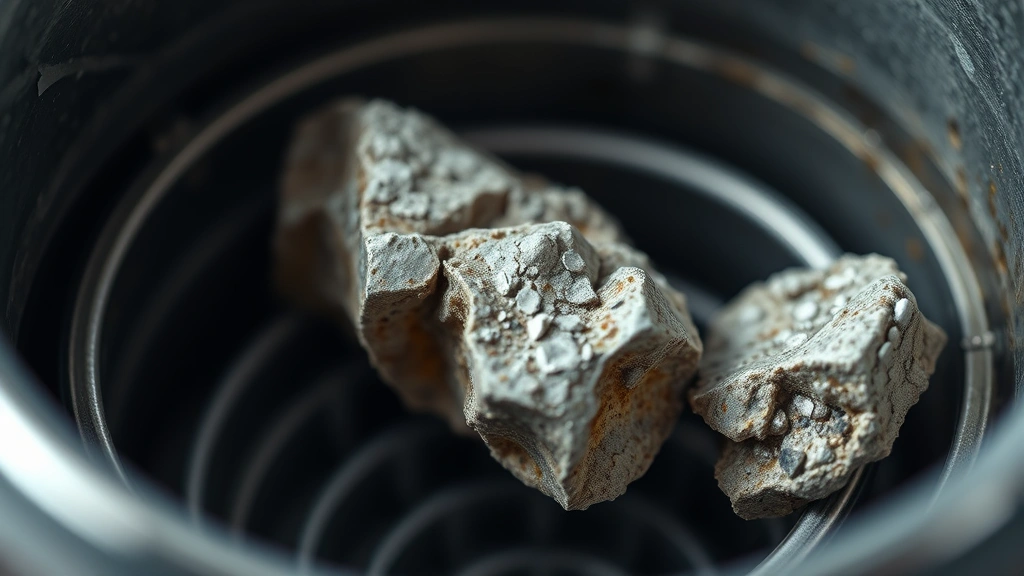
Your electric kettle works hard every single day, heating water for tea, coffee, and cooking. But hard water minerals—calcium and magnesium—build up on the heating element and inside walls. This scaling reduces heating efficiency, makes the kettle noisier, and can affect water taste. Think of it like the buildup that happens inside your plumbing or on shower heads; it’s the same process. Regular cleaning extends kettle life and ensures optimal performance. Just like maintaining other household appliances such as how to clean your washing machine, a few minutes of maintenance prevents bigger problems down the road.
The Vinegar Solution
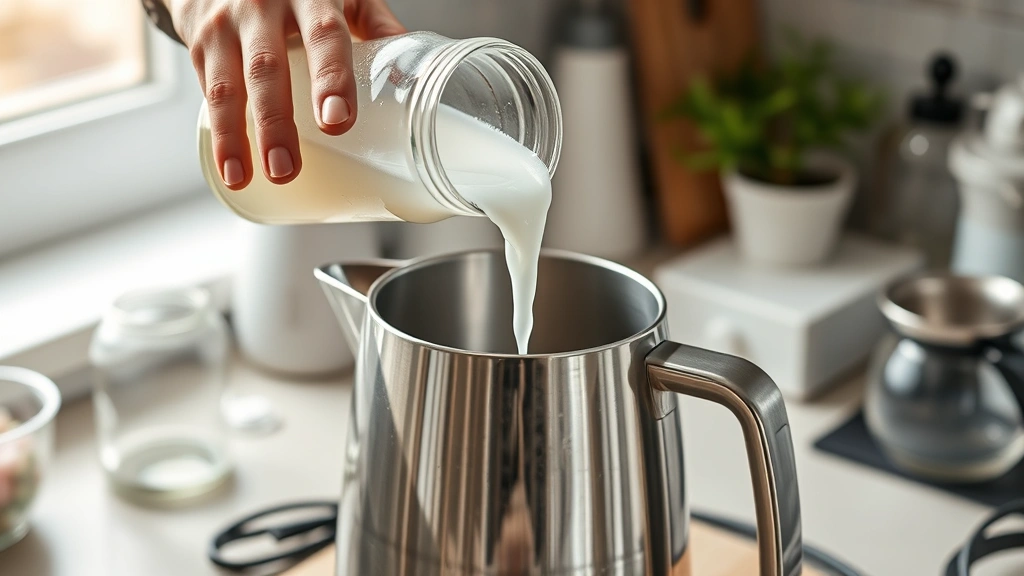
White vinegar is your go-to weapon for kettle cleaning. The acetic acid dissolves mineral deposits without harsh chemicals. Here’s the straightforward process: Fill your kettle halfway with white vinegar (standard 5% acidity works fine). Add water to fill it nearly to the top. Turn it on and let it boil completely. Once boiling, unplug it and let the vinegar solution sit inside for 15-20 minutes. This soaking time lets the acid work on stubborn deposits. Pour out the vinegar solution, then fill with fresh water and boil again—this rinses away vinegar smell and any loosened particles. Repeat the rinse boil one more time if your kettle was heavily scaled. This method typically takes 30-45 minutes total and handles light to moderate buildup effectively.
Baking Soda Technique
Baking soda offers a gentler alternative for kettles with lighter scaling or if you prefer avoiding vinegar smell. Fill your kettle three-quarters full with water and add 2-3 tablespoons of baking soda. Boil the mixture and let it sit for 10-15 minutes without draining. The mild alkaline properties help lift mineral deposits. Pour out the solution and use a soft bottle brush or cloth to gently scrub the interior walls if you can reach them. Rinse thoroughly with fresh water, boil clean water twice to remove any baking soda residue, and you’re done. This method works best on newer kettles with lighter deposits and takes about 25-30 minutes. For stubborn spots, you can make a paste with baking soda and water, apply it to deposits, and let sit before rinsing.
Lemon Juice Descaling
Fresh lemon juice contains citric acid that cuts through mineral buildup while leaving a pleasant smell. Squeeze 3-4 lemons into your kettle and fill with water. Boil the mixture, then let it cool and sit for 20-30 minutes. The longer soak time allows citric acid to penetrate deposits. Pour out the lemon water and scrub interior surfaces with a soft cloth or brush. Rinse with fresh water and boil clean water twice. This method smells better than vinegar and works particularly well if you enjoy lemon-scented appliances. It’s slightly slower than vinegar but equally effective for moderate scaling. You can also use bottled lemon juice if fresh lemons aren’t available—use about 1/2 cup for a full kettle.
Citric Acid Method
Citric acid powder is concentrated descaling power. Mix 1-2 tablespoons of citric acid powder with water to fill your kettle three-quarters full. Boil and let sit for 15-20 minutes. This method works faster than lemon juice because the acid concentration is higher. The powder dissolves completely, leaving no residue or smell. After soaking, rinse thoroughly with fresh water and boil clean water at least twice to ensure no powder particles remain. This approach is ideal if you descale frequently or have very hard water. You can find citric acid powder in the cleaning section of most grocery stores or online. It’s economical and stores indefinitely, making it perfect for regular maintenance. One container typically lasts months of regular use.
Commercial Descalers
If natural methods don’t appeal to you, commercial kettle descalers work efficiently. Products like Durgol or Dezcal are specifically formulated for electric kettles. Follow package instructions exactly—they typically involve mixing the descaler with water, boiling, soaking for specified time, then rinsing thoroughly. Commercial options often work faster than natural methods and handle heavy scaling effectively. However, they cost more and require proper rinsing to avoid any chemical taste. Always use according to directions and rinse multiple times. These are excellent choices if you have extremely hard water or severe scaling. Many people alternate between natural methods for routine cleaning and commercial descalers for deep cleaning once or twice yearly.
Prevention and Maintenance
The best cleaning strategy is preventing heavy buildup in the first place. Empty your kettle completely after each use—don’t leave standing water inside. This simple habit dramatically slows mineral accumulation. If you have very hard water, descale monthly using your preferred method. For moderate water hardness, quarterly cleaning usually suffices. Store the kettle with the lid open when not in use to allow air circulation. Consider using filtered water in your kettle, which reduces mineral content and scaling significantly. Some people keep a small note on their kettle as a reminder schedule. This proactive approach means lighter, faster cleaning sessions instead of wrestling with heavy buildup. It’s the same principle as regular maintenance on other appliances—small efforts prevent big problems.
Cleaning the Exterior
Don’t forget the outside! Exterior surfaces collect dust, fingerprints, and mineral residue from steam. Unplug your kettle first—safety always comes first. For stainless steel kettles, wipe with a damp cloth and dry immediately. For stubborn spots, use a cloth dampened with white vinegar or a specialized stainless steel cleaner. Never use abrasive scouring pads that scratch the finish. For plastic kettles, a damp cloth with mild dish soap works perfectly. Clean the power base and cord carefully around the electrical components. If your kettle has brass accents or trim, check out our guide on how to clean brass for specialized techniques. The exterior should be cleaned monthly or as needed, while interior descaling happens less frequently. A clean-looking kettle on your counter motivates regular maintenance and looks more inviting for guests.
Frequently Asked Questions
How often should I clean my electric kettle?
In moderate water areas, quarterly cleaning works fine. Hard water requires monthly descaling. If you notice mineral buildup, cloudy water, or reduced heating speed, it’s time to clean regardless of schedule. Empty the kettle after each use to slow buildup.
Is vinegar safe for electric kettles?
Yes, white vinegar is completely safe for electric kettles. It’s food-grade and won’t damage the heating element or plastic components. Always rinse thoroughly afterward to remove vinegar smell and taste. Never mix vinegar with other cleaning products.
Can I use bleach to clean my kettle?
No—never use bleach in your kettle. Bleach is toxic if ingested and can damage heating elements. Stick with food-safe options like vinegar, baking soda, lemon juice, or citric acid. These work effectively without safety risks.
What if my kettle still has a smell after cleaning?
Boil fresh water several times and discard it. The repeated boiling removes lingering odors. You can also fill the kettle with water and a tablespoon of baking soda, boil, let sit overnight, then rinse thoroughly. For persistent smells, try the lemon juice method.
Will descaling damage my kettle?
No—descaling actually protects your kettle by removing damaging mineral buildup. The natural methods recommended here (vinegar, baking soda, lemon, citric acid) are gentler than mineral deposits themselves. Regular descaling extends kettle lifespan significantly.
Can I descale while the kettle is plugged in?
Always unplug your kettle before adding cleaning solutions. Only plug it in when you’re ready to boil. Never leave a kettle with vinegar or cleaning solution plugged in unattended. Safety first—electricity and cleaning chemicals don’t mix.
What’s the fastest cleaning method?
Citric acid powder or commercial descalers work fastest, typically 20-30 minutes total. Vinegar takes slightly longer at 30-45 minutes. For light cleaning, baking soda takes about 25 minutes. The method you choose depends on scaling severity and your preference for natural versus commercial products.
Should I clean battery terminals differently than kettles?
Yes—battery terminals require different cleaning approaches. Check out how to clean battery terminals for specific techniques. Never use the same cleaning solutions for both applications, as battery corrosion requires specialized treatment.
Final Thoughts
Knowing how to clean electric kettle properly means you’ll enjoy better-tasting water, faster heating, and a longer-lasting appliance. Pick whichever method appeals to you—vinegar for power, baking soda for gentleness, lemon for pleasant smell, or citric acid for efficiency. The key is consistency: descale regularly before heavy buildup occurs, empty the kettle after use, and maintain the exterior. These five proven methods cover every situation from light maintenance to heavy scaling. Your kettle will thank you with years of reliable service, and your morning tea will taste fresher than ever. Start with whichever method you have on hand right now—you’ve probably got vinegar or baking soda in your kitchen already.


