
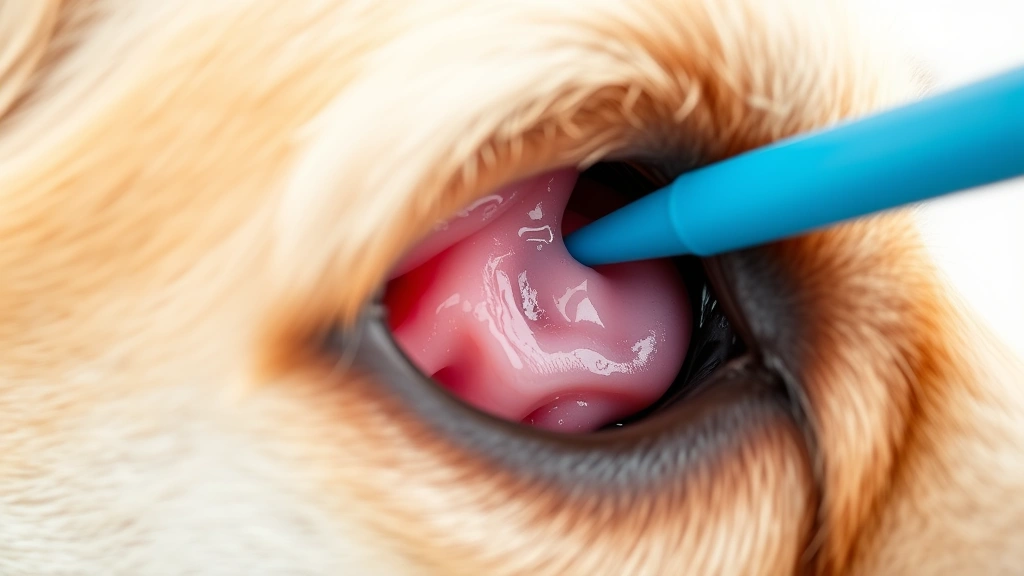
Learning how to clean dogs ears is one of those skills that separates casual pet owners from folks who really take care of their furry friends. I’ve been doing this for years, and I can tell you it’s not rocket science—but it does require a steady hand, the right supplies, and a dog who trusts you. The good news? Once you nail the technique, it becomes second nature, and your pup’s ears stay healthier for it.
Table of Contents
Why Ear Cleaning Matters
Dogs’ ears are different from ours. Their ear canals are L-shaped, which means moisture, wax, and debris get trapped way down there where you can’t see them. This creates the perfect breeding ground for yeast and bacterial infections. I’ve seen dogs shake their heads constantly, scratch until they bleed, and develop serious infections—all because nobody was cleaning their ears regularly.
Certain breeds are especially prone to ear problems. Floppy-eared dogs like Cocker Spaniels, Basset Hounds, and Labs trap moisture because air can’t circulate properly. Dogs that swim a lot or spend time in humid environments face extra risk. Even short-eared breeds benefit from regular cleaning, though. Think of it like brushing your teeth—preventive care beats dealing with infections any day.
Gather Your Supplies
Before you start, get everything ready on a table next to where your dog will sit. You’ll need a quality ear cleaning solution (ask your vet for recommendations—they’re the experts here), cotton balls or gauze pads, and a towel. Some people use cotton swabs, but I avoid them because they can push debris deeper into the canal. You might also want treats handy to reward your dog for sitting still.
The cleaning solution is crucial. Don’t use water, vinegar, or oil unless your vet specifically recommends it. Commercial ear cleaning solutions are formulated to break down wax and kill bacteria without irritating the delicate skin inside the ear. Your vet can recommend specific brands, or you can find veterinary-approved options at most pet supply stores.
Step 1: Inspect the Ears
Start by looking at your dog’s ears in good lighting. Healthy ears should be pink, clean, and free of odor. If you see redness, swelling, discharge, or smell something funky, that’s a sign of infection—don’t proceed with cleaning. Instead, contact your vet. Trying to clean an infected ear yourself can make things worse.
Check both ears, even if only one seems problematic. Dogs often develop issues in both ears at the same time. Look for excessive wax buildup, dark discharge, or crusty spots. The amount of wax varies by breed and individual dog, so don’t panic if you see some—that’s normal. You’re looking for anything unusual or excessive.
Step 2: Apply the Cleaning Solution
This is where most people hesitate, but it’s straightforward. Gently pull your dog’s ear flap upward to open the canal. Hold the bottle of cleaning solution a few inches away and squeeze it in until the canal is full. Don’t shove the bottle tip into the ear—just let the solution flow in. Your dog might shake immediately, and that’s fine. You want them to shake; it helps loosen debris.
Some dogs love this part, others hate it. If your dog is nervous, do one ear at a time and give them a treat between ears. The key is staying calm and confident. Dogs pick up on your anxiety, so if you’re tense, they’ll be tense. Talk to them in a reassuring voice and keep the process moving.
Step 3: Massage and Loosen Debris
After you’ve filled the canal with solution, gently massage the base of the ear. You’ll feel a little pocket at the base—massage right there in circular motions for about 20-30 seconds. This helps the solution work its way down and breaks up the wax and debris. Your dog might shake during this, which is exactly what you want.
Don’t be aggressive. You’re not trying to hurt your dog or force anything. Gentle, circular motions are all you need. If your dog pulls away or seems uncomfortable, stop and try again later. Building trust during ear cleaning makes future sessions much easier.
Step 4: Wipe and Extract Debris
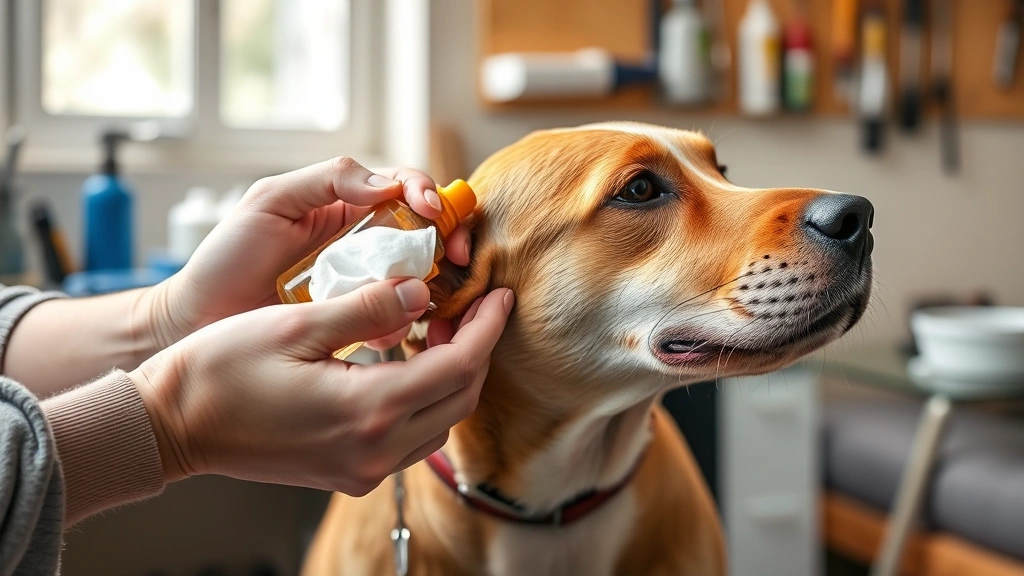
Now grab your cotton balls or gauze pads and gently wipe out the ear canal. You can reach surprisingly far into the ear with a cotton ball wrapped around your index finger. Wipe the visible parts of the canal and the flap. You’ll probably pull out some nasty-looking gunk—that’s the whole point. Don’t be squeamish; this stuff was causing problems.
Keep wiping until the cotton comes out mostly clean. You might need 5-10 cotton balls per ear depending on how much buildup there was. If you’re getting a lot of discharge or the ear smells terrible, stop and call your vet. That’s a sign of infection that needs professional treatment.
Step 5: Dry Thoroughly
Moisture in the ear canal invites infection, so drying is critical. Use a clean, dry cotton ball or gauze pad to absorb remaining moisture. You can also use a soft cloth, but cotton works better because it reaches into the canal. Let your dog shake a few times—they’re actually helping with the drying process.
If your dog just swam or got a bath, take extra time drying the ears. This is especially important for floppy-eared breeds. Some people use a pet-safe ear drying solution after cleaning, which helps speed up the process and prevents moisture from being reabsorbed.
Common Mistakes to Avoid
The biggest mistake I see is using cotton swabs. They push debris deeper into the canal instead of removing it. Stick with cotton balls and your finger. Another common error is cleaning too aggressively or too often. Most dogs need ear cleaning every 2-4 weeks, not daily. Over-cleaning can irritate the ear and disrupt the natural balance of bacteria.
Don’t use water or homemade solutions unless your vet approves. Water can cause infections, and vinegar isn’t strong enough to clean effectively. People also panic when they see wax buildup and assume infection. Some wax is normal and healthy. Finally, don’t ignore signs of infection. If your dog has redness, swelling, odor, or discharge, see your vet before cleaning. Cleaning an infected ear can spread the infection deeper.
When to Call Your Vet
Contact your vet immediately if you notice redness, swelling, discharge, or a bad smell. If your dog is scratching excessively, shaking their head constantly, or seems to have pain when you touch their ears, that’s also a sign to call. Don’t try to push through—infections need professional treatment. Your vet might prescribe medicated ear drops or recommend a professional cleaning.
Also reach out if your dog has a history of ear infections and you’re not sure whether home cleaning is appropriate. Some dogs with chronic issues need prescription-strength solutions or professional veterinary cleaning. Your vet can advise on the best approach for your specific dog.
Maintenance Schedule Tips
Most healthy dogs benefit from ear cleaning every 2-4 weeks. Dogs that swim frequently or have floppy ears might need weekly cleaning during summer. Keep a simple calendar to track when you last cleaned each ear. This helps you spot patterns and catch problems early.
If you’re learning how to clean dogs ears for the first time, consider asking your vet to demonstrate the technique. Many vets are happy to show you the proper method during a regular visit. You might also want to have your vet do a professional cleaning first, so you know what healthy, clean ears look like. This makes it easier to spot problems between cleanings.

Frequently Asked Questions
How often should I clean my dog’s ears?
Most healthy dogs need ear cleaning every 2-4 weeks. Dogs with floppy ears, those that swim regularly, or those prone to infections might need weekly cleaning. Ask your vet for a recommendation based on your dog’s breed and health history.
Can I use hydrogen peroxide to clean dog ears?
No. Hydrogen peroxide can damage the delicate skin inside the ear canal and create an environment for infections. Stick with veterinary-approved ear cleaning solutions.
What if my dog won’t let me clean their ears?
Start slowly with positive reinforcement. Let your dog get used to having their ears touched during regular petting sessions. Use high-value treats and keep early cleaning sessions very short. If your dog is extremely resistant, ask your vet about the best approach or whether professional cleaning is necessary.
Is it normal for dog ears to smell?
Healthy ears should have no odor or only a faint waxy smell. A strong, unpleasant odor is a sign of infection or yeast overgrowth. Contact your vet if your dog’s ears develop a noticeable smell.
Can I use olive oil to clean dog ears?
Not as a cleaning solution. While some vets recommend a small amount of mineral oil or specialized ear oil after cleaning to help with drying, regular olive oil isn’t formulated for this purpose and can trap bacteria. Always use products recommended by your vet.
What’s the difference between earwax and infection discharge?
Normal earwax is light tan to brown and waxy. Infection discharge is often dark brown or black, may have a foul smell, and can be thick or crusty. If you’re unsure, have your vet take a look.
Final Thoughts
Learning how to clean dogs ears properly is a skill that pays dividends in your dog’s health and comfort. It’s not complicated, but it does require consistency and attention to detail. Start with a good ear cleaning solution from your vet, gather your supplies, and take your time with the process. Your dog will appreciate the care, and you’ll catch potential problems before they become serious infections.
If you’re ever unsure whether your dog’s ears are healthy or if cleaning is appropriate, reach out to your vet. That’s what they’re there for. In the meantime, keep up with regular cleaning on a schedule that works for your dog’s breed and lifestyle. Your dog’s ears will thank you.
For more pet care guidance, check out resources like Family Handyman for general home and pet maintenance tips, or consult the American Veterinary Medical Association for professional veterinary advice. You might also find it helpful to learn how to cure gum disease without a dentist for your own health while you’re taking care of your pet’s wellness. Understanding preventive care across different areas—whether it’s how to prevent apples from browning in your kitchen or preventing ear infections in your dog—builds a comprehensive approach to health and maintenance.


