

Learning how to clean discolored jade is easier than you’d think, and you don’t need fancy equipment or expensive treatments to restore that gorgeous stone back to its original luster. Whether your jade has yellowed from age, picked up surface grime, or developed stubborn stains, I’ve got five battle-tested methods that actually work—no guesswork required.
Table of Contents
Why Jade Gets Discolored
Before diving into solutions, let’s talk about what actually causes jade to lose its shine and develop those frustrating discolorations. Jade is a porous stone—more porous than most people realize—which means it absorbs oils, dust, and moisture from your hands and environment over time. This buildup creates a dull, murky appearance that makes even high-quality jade look neglected.
The yellowing you see often comes from oxidation and mineral deposits. If your jade sits in direct sunlight, UV exposure can also trigger discoloration. Think of it like how your car’s clear coat fades—it’s a natural process, but totally reversible with the right approach. The good news? Most discoloration is surface-level, which means you’ve got excellent odds of bringing back that jade’s natural beauty without professional restoration.
Method 1: Gentle Water & Soap
This is your starting point, and honestly, it solves about 60% of jade discoloration problems. Fill a bowl with lukewarm water—not hot, because extreme temperatures can crack jade—and add a few drops of mild dish soap. Think Dawn or similar, nothing with harsh chemicals.
Submerge your jade piece and let it soak for 5-10 minutes. Use a soft toothbrush (not electric, not stiff bristles) to gently scrub the surface in circular motions. Pay extra attention to carved areas and crevices where dust collects. Rinse thoroughly under running water until all soap residue is gone, then pat dry immediately with a lint-free cloth.
The key here is patience and gentleness. You’re not trying to scrub off the stone—you’re just removing surface grime. If discoloration persists after this method, move to the stronger techniques below. This approach works great as regular maintenance too, keeping your jade looking fresh between deeper cleanings.
Method 2: Vinegar Soak Treatment
White vinegar is a powerhouse for tackling mineral deposits and oxidation stains on jade. The acidity breaks down buildup without being aggressive enough to damage the stone itself. Mix equal parts white vinegar and distilled water in a bowl—distilled water matters here because tap water contains minerals that can leave new deposits.
Soak your jade for 15-30 minutes depending on how stubborn the discoloration is. For heavily stained pieces, you can go up to an hour. While it’s soaking, the vinegar works on dissolving mineral crusts and oxidized layers. After soaking, use that soft toothbrush again to gently work the surface, then rinse multiple times with distilled water to remove all vinegar smell and residue.
This method is particularly effective for jade that’s been exposed to hard water or has developed that brownish tint over years of display. The smell fades quickly once the piece is dry, and you’ll often see noticeable improvement in clarity and color. If you’re working on antique jade or pieces with sentimental value, this is my go-to approach because it’s effective yet conservative.
Method 3: Baking Soda Paste
For more stubborn stains and deeper discoloration, baking soda paste gives you gentle abrasive action without scratching. Mix baking soda with just enough distilled water to create a thick paste—think toothpaste consistency. You want it thick enough to stay on the jade without running off.
Apply the paste directly to discolored areas and let it sit for 10-15 minutes. This gives the baking soda time to work on the stains. Then use a soft cloth or soft-bristled brush to gently rub the paste in small circles. The mild abrasive action lifts stains while the alkaline nature of baking soda neutralizes acidic deposits.
Rinse thoroughly with distilled water and dry completely. This method works especially well on jade carvings and ornamental pieces where you need more aggressive cleaning than soap alone provides. The baking soda won’t harm the stone, and you can repeat this process multiple times if needed. Many collectors use this as their standard deep-clean method for jade collections.
Method 4: Hydrogen Peroxide Rinse
When you’re dealing with stubborn stains that other methods haven’t touched, 3% hydrogen peroxide—the standard drugstore stuff—can work wonders on jade. This method is particularly effective for organic stains like mold spots or discoloration from prolonged moisture exposure. You might want to reference how long it takes for mold to grow to understand if moisture damage is your issue.
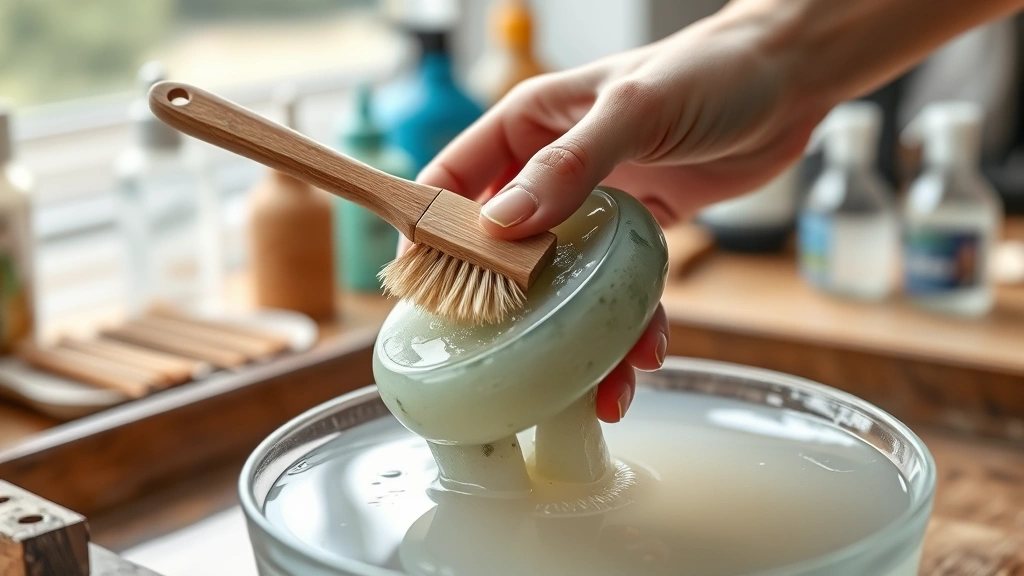
Soak your jade in a 50/50 mixture of hydrogen peroxide and distilled water for 20-30 minutes. Don’t use higher concentrations—stick with the 3% solution you find at any pharmacy. The peroxide gently oxidizes stains without being harsh enough to damage jade. You’ll sometimes see bubbling action as the peroxide works on deposits, which is exactly what you want to see.
After soaking, use a soft brush to gently work the surface, then rinse thoroughly with distilled water multiple times. This method requires patience but delivers results on stains that seem permanent. The bonus? Hydrogen peroxide evaporates completely, leaving no chemical residue behind like some other cleaners might.
Method 5: Professional Polishing Compound
If you’ve tried the other methods and still have discoloration, it’s time for jade-specific polishing compound. Unlike generic stone polishes, jade-specific compounds are formulated to work with this stone’s unique mineral composition. Brands like Jade Polish or similar specialized products are available online and at rock and mineral shops.
Apply a small amount of compound to a soft cloth and buff the jade in circular motions, working section by section. The compound contains ultra-fine abrasives that remove the outermost discolored layer without gouging the stone. This is the closest thing to professional restoration you can do at home, and the results are often impressive.
After polishing, wipe away all compound residue with a clean cloth and rinse with distilled water. Your jade should emerge noticeably brighter and more translucent. This method takes more elbow grease than the others, but it’s still far cheaper than sending pieces to a professional restorer. Many serious jade collectors keep polishing compound on hand for regular maintenance.
Prevention & Long-Term Care
Once you’ve got your jade looking beautiful again, keeping it that way is half the battle. Store jade pieces away from direct sunlight, which causes fading and yellowing over time. A display case or cabinet with UV-filtering glass is ideal, but even a drawer works fine if you don’t have a fancy setup.
Handle your jade with clean hands, and avoid touching it with oily or dirty fingers—this is the primary cause of surface buildup. If you wear jade jewelry, clean it weekly with the gentle soap method to prevent oil accumulation. Keep jade away from extreme temperature changes, which can cause stress fractures in the stone.
Store jade pieces individually or wrapped in soft cloth so they don’t bang against each other. Humidity fluctuations are fine, but try to keep pieces away from extremely dry environments. Think of jade care like caring for fine furniture—not complicated, just consistent attention. Many collectors do a gentle soap cleaning once a month and a deeper vinegar soak quarterly, which keeps pieces in pristine condition indefinitely.
Mistakes to Avoid
Don’t use hot water—ever. Thermal shock can crack jade, especially if you go from cold storage to hot water. Room temperature or lukewarm water is always the right choice. Avoid harsh chemicals like bleach, ammonia, or commercial stone cleaners not specifically formulated for jade. These can etch the surface and cause permanent damage.
Never use an ultrasonic cleaner on jade, despite what you might read online. The vibrations can cause internal stress in the stone and crack it from the inside out. Similarly, steam cleaners are a no-go for the same reason. Stick with gentle, manual cleaning methods.
Don’t scrub with stiff-bristled brushes or abrasive materials like steel wool. You’re trying to clean the surface, not sand it down. And here’s a common mistake: don’t let jade air-dry. Always pat it dry with a cloth immediately after rinsing, because water spots and mineral deposits can form as water evaporates. Finally, avoid storing jade in plastic bags or non-breathable containers where moisture can get trapped.
Frequently Asked Questions
Can I use regular dish soap on jade?
Yes, mild dish soap like Dawn is perfect for jade. Avoid antibacterial soaps or anything with harsh chemicals. A few drops in lukewarm water is all you need. The same gentle approach you’d use for fine china works great for jade.
How often should I clean my jade?
For jewelry worn regularly, a gentle soap cleaning weekly keeps it fresh. For display pieces, monthly cleaning maintains appearance. Deep cleaning with vinegar or baking soda paste every 3-6 months is ideal for pieces showing discoloration. Adjust frequency based on how quickly your jade picks up dust and oils.
Will cleaning remove the patina from old jade?
Gentle cleaning methods won’t remove authentic patina—the natural aging that adds character to antique jade. You’re removing surface grime and deposits, not the stone’s natural patina. If you’re concerned about antique value, test cleaning on a small area first.
What if my jade has cracks?
Avoid soaking jade with visible cracks, as water can seep inside and cause damage. Stick to damp cloth cleaning only. For valuable pieces with cracks, consult a professional restorer before attempting any cleaning method.
Can I use distilled water instead of tap water?
Absolutely—in fact, I recommend it. Distilled water prevents mineral deposits from forming during cleaning. Tap water works in a pinch, but distilled water gives better results and prevents new staining.
How do I know which cleaning method to use?
Start with the gentle soap method. If that doesn’t work, try vinegar soak next. Move to baking soda paste for tougher stains, then hydrogen peroxide for stubborn discoloration. Save the polishing compound for the final step if needed. This progression prevents over-cleaning.
Is jade safe to wear while doing housework?
Jade is fairly durable, but I’d remove it during heavy cleaning or yard work. Exposure to harsh chemicals and potential impacts increases discoloration risk. It’s like asking if you should wear your wedding ring while gardening—technically possible, but not ideal for longevity.
Can I use these methods on carved jade?
Absolutely. In fact, carved pieces benefit most from these methods since dust collects in crevices. Use a soft toothbrush to gently work into carved areas during cleaning. The techniques work beautifully on intricate pieces.
Final Thoughts on Jade Care
Cleaning discolored jade doesn’t require special skills or expensive treatments. Start simple with soap and water, escalate to vinegar or baking soda if needed, and save the heavy-duty polishing compound for stubborn cases. Most discoloration comes right off with these proven methods, and your jade will look like new again.
The real secret to keeping jade beautiful long-term is prevention—clean hands, proper storage, and regular gentle maintenance. Think of it like maintaining any valuable possession: consistent care beats emergency restoration every time. Your jade collection is worth the investment of a few minutes each month, and these straightforward techniques make that maintenance effortless.
Whether you’re restoring a family heirloom or maintaining a recent purchase, these methods have worked for collectors, jewelers, and homeowners for years. You’ve got this, and your jade will thank you for the attention.


