
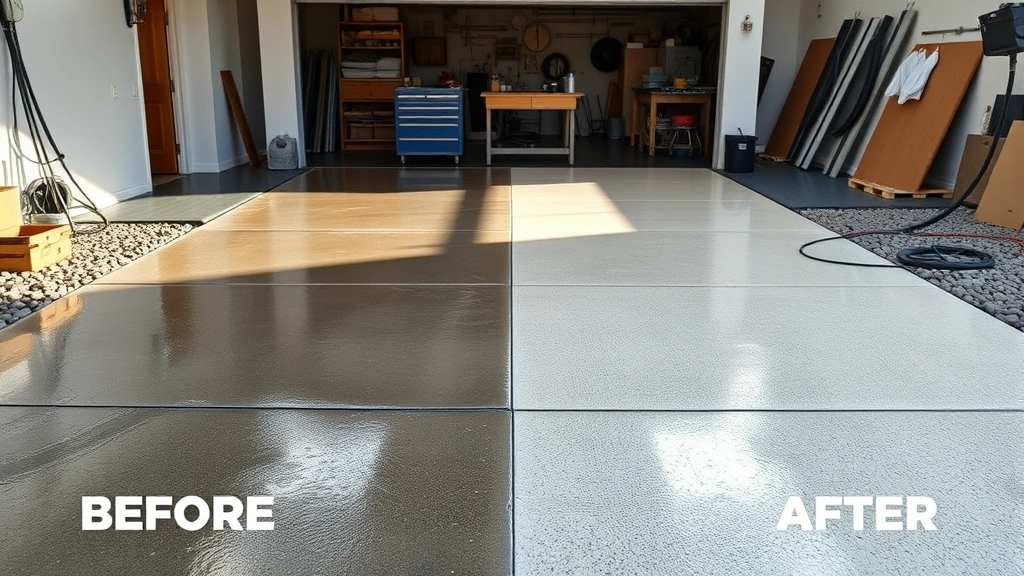
Learning how to clean concrete doesn’t require expensive equipment or professional services—you’ve got this. Whether you’re dealing with a grimy driveway, a stained patio, or a garage floor that’s seen better days, concrete cleaning is one of those satisfying DIY projects where you’ll see dramatic results in just a few hours. I’m going to walk you through five proven methods that actually work, from simple soap-and-water solutions to power washing techniques that’ll make your concrete look brand new.
Table of Contents
Pressure Washing Method
This is the heavyweight champion of concrete cleaning methods. Pressure washers blast away years of dirt, algae, and grime with water force alone—no chemicals required. You can rent a pressure washer from most hardware stores for about $50-75 per day, which makes it affordable for a weekend project.
Start with a 3000 PSI (pounds per square inch) machine for general cleaning. If you’ve got delicate surfaces or you’re working on a deck, drop down to 1500-2000 PSI to avoid damage. Hold the nozzle about 12 inches from the concrete and work in overlapping strokes, moving at a steady pace. Don’t linger in one spot—that’s a rookie mistake that creates uneven cleaning marks. Work from the highest point downward so dirty water flows away from you and doesn’t re-contaminate cleaned areas.
For stubborn stains, apply a concrete cleaner or degreaser before pressure washing. Let it sit for 10-15 minutes, then blast it away. The combination of chemical action and water pressure handles almost anything nature throws at you.
Soap and Water Scrubbing
Sometimes you don’t need fancy equipment. A good old-fashioned scrub with soap and water works surprisingly well for light to moderate dirt. Mix a solution of one part dish soap to ten parts water, or use a commercial concrete cleaner diluted per instructions.
Grab a stiff-bristled brush—a deck brush or concrete brush works perfectly—and scrub in circular motions. For larger areas, you might want to invest in a long-handled brush to save your back. This method takes more elbow grease than pressure washing, but you’ve got precise control and it’s gentler on the concrete surface.
This approach is ideal for patios, entryways, and anywhere you want to avoid the noise and expense of equipment rental. It’s also perfect if you’re dealing with corrosive substances where you need to be cautious about runoff.
Chemical Cleaners Explained
Commercial concrete cleaners are formulated specifically to break down the bonds between dirt and concrete. They work through chemical action rather than just mechanical scrubbing. Look for products labeled for your specific problem: oil stains, rust stains, general grime, or mold and mildew.
Apply the cleaner according to label directions—usually you spray it on, let it dwell for 15-30 minutes, then scrub and rinse. Some products are strong enough that you don’t need to scrub at all; the chemical does the work. Always test on an inconspicuous area first, especially if your concrete is sealed or has a special finish.
The advantage here is speed and effectiveness. The disadvantage is cost and the need to handle chemicals safely. Wear gloves, eye protection, and ensure good ventilation. These products range from $15-40 per bottle depending on strength and specialty.
Baking Soda and Vinegar
Want an eco-friendly option? Baking soda and vinegar are your friends. This combination creates a gentle fizzing action that lifts dirt without harsh chemicals. Mix equal parts baking soda and white vinegar to form a paste, or use them separately—vinegar first to cut through grime, then baking soda for scrubbing.
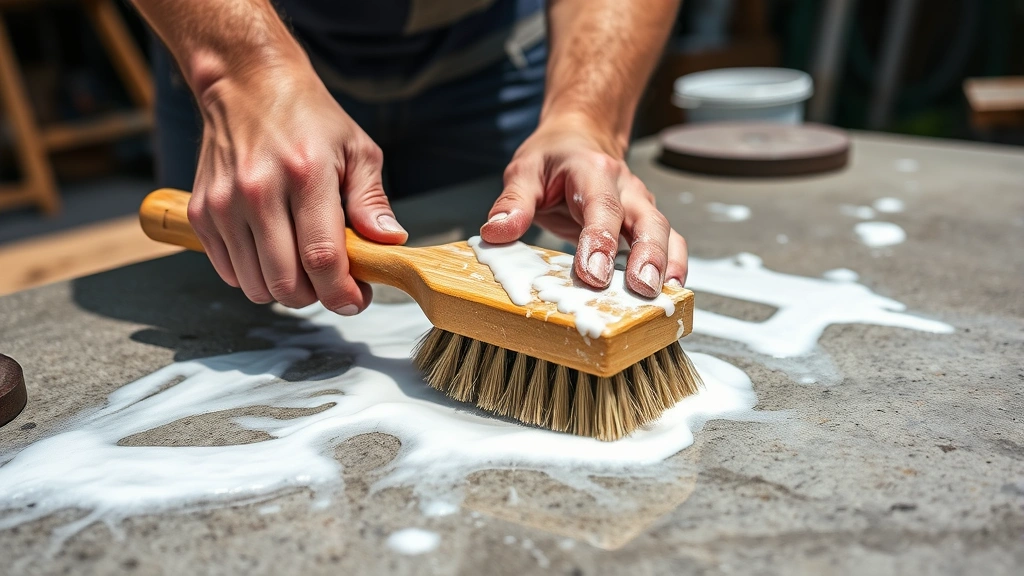
Spread the paste on the stained area, let it sit for 30 minutes to an hour, then scrub with a brush. The fizzing action does most of the work. Rinse thoroughly with water. This method works great for light stains and is completely safe for pets and plants. It’s slower than chemical cleaners or pressure washing, but it’s cheap and environmentally sound.
This is also the method I reach for when I’m cleaning concrete near garden beds or anywhere runoff matters. No toxic chemicals means no guilt about what’s flowing into your landscaping.
Degreaser for Tough Stains
Oil stains, grease spots, and automotive fluid are concrete’s worst enemies. Standard cleaners won’t touch them. You need a degreaser—either a commercial concrete degreaser or even a simple dish soap designed to cut grease.
For serious oil stains, use a commercial degreaser rated for concrete. Apply it generously, let it soak for the time specified (usually 30 minutes to several hours for tough stains), then scrub hard with a stiff brush. You might need to repeat this process for deeply embedded stains. Some people swear by letting the degreaser sit overnight for maximum penetration.
After scrubbing, pressure wash or rinse thoroughly. Sometimes you’ll need to apply the degreaser multiple times—oil stains are stubborn. This is where patience pays off. Rushing the process means the stain comes back as soon as the concrete dries.
Safety Gear You Need
Before you start any concrete cleaning project, gear up properly. This isn’t paranoia; it’s smart workshop practice. You’ll want safety glasses to protect against splashing chemicals or pressure washing spray, especially around your face and eyes. Wear chemical-resistant gloves—regular latex gloves won’t cut it with harsh cleaners. Steel-toed boots are smart if you’re using heavy equipment, and long sleeves protect your arms from splashing.
If you’re pressure washing, wear closed-toe shoes with good grip and consider wearing ear protection—pressure washers get loud. For chemical cleaners, ensure you’re working in a well-ventilated area. If you’re in an enclosed space like a garage, open all doors and windows. Never mix cleaning chemicals; that’s how you create toxic fumes. Stick to one product per session.
Keep a first aid kit nearby and know where your water source is. If you splash chemicals in your eyes, flush immediately with water and seek medical attention if irritation persists.
Keeping Concrete Clean
The best concrete cleaning is prevention. Once you’ve got your concrete looking pristine, keep it that way with basic maintenance. Sweep regularly to remove dirt and debris before it gets ground in. This simple habit prevents buildup and keeps your concrete looking fresher longer.
Address spills immediately. Oil, grease, and other substances are easier to clean when fresh. If you’ve got a driveway, place cardboard under vehicles that leak to catch drips before they stain the concrete. Seal your concrete every 2-3 years with a quality concrete sealer—this creates a protective barrier that makes future cleaning easier and prevents stains from penetrating deeply.
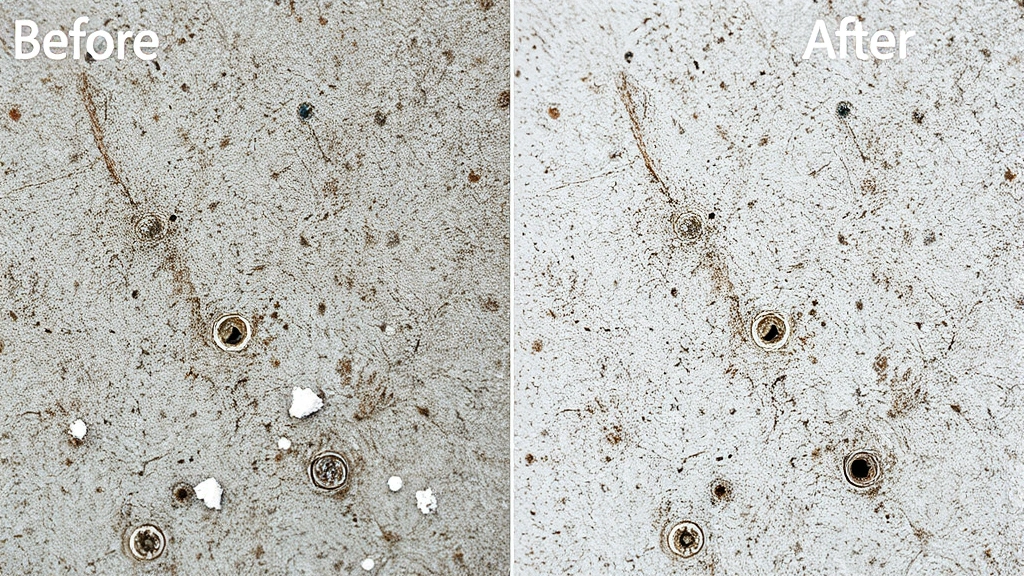
In winter climates, use calcium chloride or magnesium chloride for ice melt instead of rock salt, which damages concrete. Regular light cleaning beats occasional heavy cleaning in terms of both effort and results. A quick pressure wash or scrub once a month keeps things manageable.
When to Call a Professional
Most concrete cleaning is DIY-friendly, but some situations warrant professional help. If you’ve got extensive damage, deep structural stains, or concrete that’s sealed with specialty finishes, professionals have equipment and expertise you might not. They also handle large commercial spaces efficiently.
If you’re unsure about your concrete’s condition or finish, ask a professional for an assessment before you start cleaning. It might cost $100-200 for a consultation, but it beats ruining a sealed or specialty surface.
Frequently Asked Questions
What’s the cheapest way to clean concrete?
Soap and water with a stiff brush costs almost nothing and works for light cleaning. For slightly tougher jobs, baking soda and vinegar is incredibly cheap and effective. Both methods require only elbow grease and materials you probably have at home.
Can I use bleach to clean concrete?
Yes, but carefully. Bleach works for mold and mildew but can damage concrete with repeated use. Mix one part bleach to ten parts water, apply, let sit 15 minutes, scrub, and rinse thoroughly. Never mix bleach with other cleaners. Test on a hidden area first to ensure it doesn’t discolor your concrete.
How often should I clean my concrete driveway?
Light cleaning monthly keeps buildup minimal. Deep cleaning annually or every other year maintains appearance and prevents permanent staining. In areas with heavy traffic or weather extremes, you might clean more frequently.
What’s the difference between concrete cleaning and sealing?
Cleaning removes dirt and stains from the surface. Sealing applies a protective coating that prevents future stains from penetrating. Clean first, then seal for best results. Sealing doesn’t replace cleaning—it’s a preventive maintenance step.
Will pressure washing damage my concrete?
Not if you use proper technique and appropriate pressure. Stay above 12 inches from the surface, use 3000 PSI or less for most applications, and keep the nozzle moving. High pressure held close to the surface can etch or damage concrete, especially if it’s old or already compromised.
How do I remove rust stains from concrete?
Use a rust-specific concrete cleaner or a solution of white vinegar and baking soda. For heavy rust stains, commercial rust removers work faster. Apply, let sit 30 minutes to several hours, scrub, and rinse. Rust stains are stubborn and might need multiple applications.


