
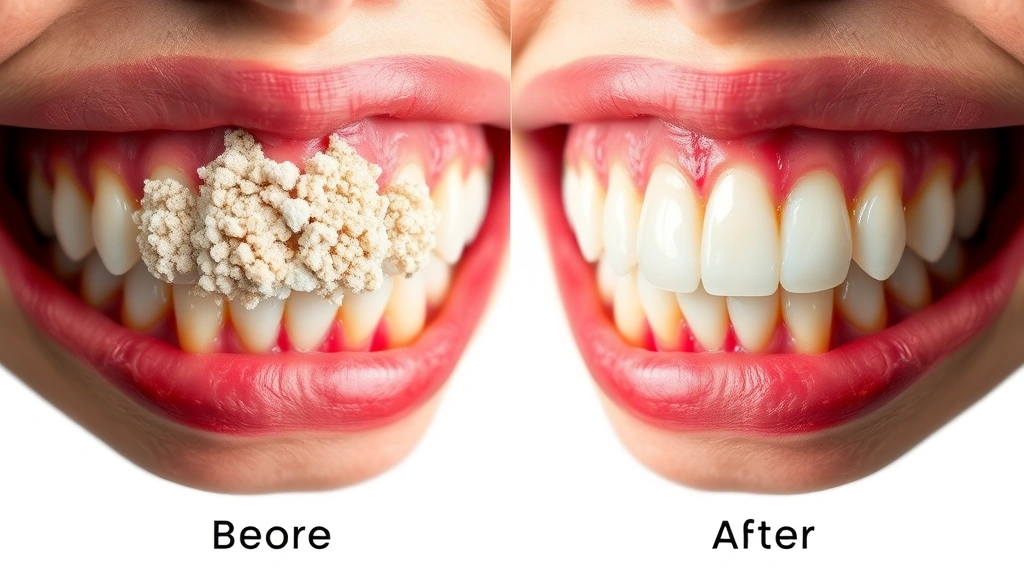
Figuring out how to clean calculus from teeth is one of those things that separates people who actually take care of their smile from those who just hope for the best. Calculus—that hard, crusty buildup on your teeth—isn’t just ugly; it’s a breeding ground for bacteria and gum disease. The good news? You’ve got options, and most of them don’t require a trip to the dentist’s chair (though that’s still your best bet for heavy buildup).
Table of Contents
What Is Dental Calculus?
Let’s get real: calculus is basically hardened plaque. When you don’t brush or floss properly, plaque builds up on your teeth. Over time, minerals in your saliva harden that plaque into calculus—also called tartar. Once it hardens, you can’t just brush it away like regular plaque. It sticks to your teeth like barnacles on a boat hull.
The stuff typically shows up along your gum line and between teeth. You’ll notice it as yellow, brown, or black deposits. If you’ve got a lot of it, your breath probably isn’t great either. That’s because calculus traps bacteria that produce sulfur compounds—the smell of neglect, basically.
Why Calculus Matters for Your Health
This isn’t just cosmetic. Calculus creates an environment where bacteria thrive, leading to gingivitis and periodontitis. Your gums start bleeding, your teeth get loose, and eventually you could lose them entirely. Plus, research links gum disease to heart disease and other systemic problems. So cleaning calculus from teeth isn’t vanity—it’s health maintenance.
Think of it like rust on a car. You can ignore it for a while, but eventually it eats through the metal. Same concept with your teeth and gums.
Professional Dental Cleaning
Let’s be honest: your dentist is your best weapon against calculus. Professional cleanings remove buildup that home methods simply can’t touch. Dentists use specialized tools and training to scale away calculus without damaging your tooth enamel or gum tissue.
During a professional cleaning, your dentist will:
- Use ultrasonic scalers to vibrate calculus loose
- Manually scale away stubborn deposits
- Polish your teeth smooth
- Apply fluoride treatments
- Check for underlying gum disease
Most people should get professional cleanings twice yearly. If you’ve got heavy calculus buildup or gum disease, you might need them more often. It’s not cheap, but it beats paying for implants later.
Ultrasonic Scaler Tools at Home
If you’re serious about tackling calculus between dental visits, ultrasonic scalers designed for home use can help. These devices vibrate at frequencies that break up calculus without the power of professional equipment. Think of them as a middle ground between brushing and professional cleaning.
Popular home ultrasonic scalers include brands like Tartar Remover and similar devices you’ll find online. Here’s how to use them safely:
- Start gently: Don’t jam the tip into your gums. Let the vibration do the work.
- Focus on the gum line: This is where calculus loves to hide.
- Use water: Keep your mouth wet while scaling to protect your gums.
- Don’t overdo it: A few minutes per area is enough. Excessive use can damage enamel.
- Follow up with floss: Remove loosened debris with dental floss.
Important caveat: home scalers aren’t as effective as professional ones, and you can damage your gums if you’re too aggressive. Watch some tutorials before you start, and consider this a supplement to professional care, not a replacement.
Manual Scaling Methods
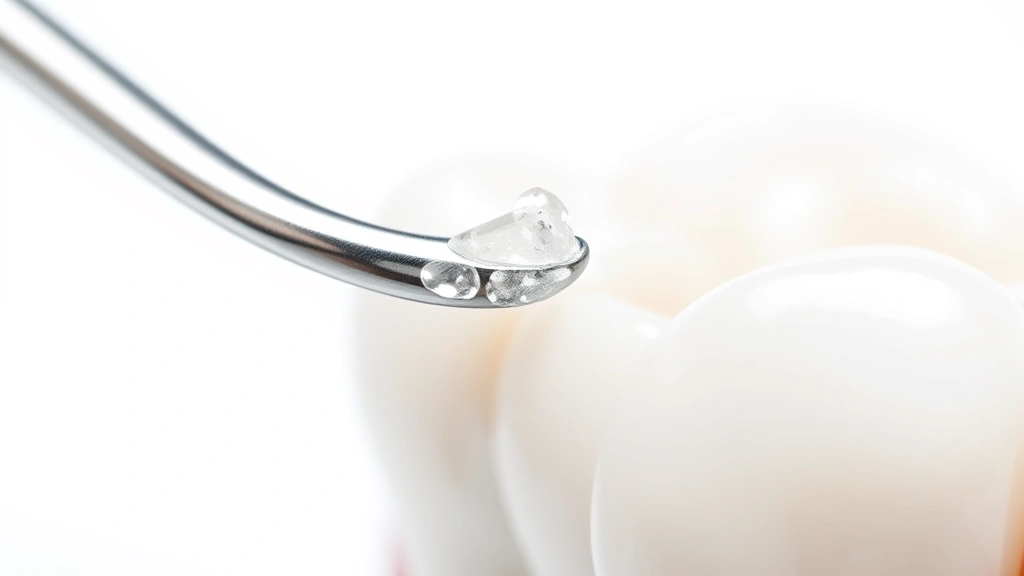
Your grandmother probably knew about this method: using a dental pick or scaler to manually remove calculus. It works, but requires patience and a gentle touch.
You can buy dental picks and scalers online or at any pharmacy. Look for stainless steel instruments designed specifically for this purpose. Here’s the technique:
- Angle the pick: Hold it at a 45-degree angle to your tooth surface, not perpendicular.
- Use light pressure: Let the sharp edge do the work. Don’t force it.
- Work from gum toward tip: This prevents driving calculus deeper into the gum line.
- Take breaks: Your gums will tell you if you’re being too rough (they’ll bleed).
- Rinse frequently: Keep your mouth rinsed so you can see what you’re doing.
The downside? This takes forever and you’ll only remove surface calculus. Deep deposits between teeth and below the gum line are nearly impossible to reach safely at home. Still, it’s better than nothing if you’re between dental appointments.

Natural Remedies That Work
Some natural approaches can help prevent calculus buildup and support your overall oral health. While none of these will dissolve existing calculus, they work as preventive measures when combined with proper brushing and flossing.
Baking Soda: Mix baking soda with water to make a paste and brush with it a few times weekly. It’s mildly abrasive and helps neutralize acids in your mouth. Some research suggests it can slow plaque formation, which prevents calculus.
Oil Pulling: Swishing coconut oil in your mouth for 15-20 minutes daily has some supporters, though scientific evidence is limited. The theory is that it reduces bacteria that cause plaque. Can’t hurt if you’ve got the time.
Vitamin C: Deficiency in vitamin C weakens gum tissue. Eating citrus fruits, berries, and leafy greens supports gum health. If you’re interested in high-protein recipes that also support oral health, check out our high protein recipes guide.
Cranberry Juice: Some research suggests cranberry compounds prevent bacteria from sticking to teeth. Try our cranberry juice recipe for a fresh approach to this remedy.
Salt Water Rinses: Simple and effective. Mix half a teaspoon of salt in warm water and rinse after meals. It reduces bacteria and supports gum healing.
These remedies support oral health but won’t remove existing calculus. Think of them as maintenance, not treatment.
Prevention Strategies
The real winning move is preventing calculus in the first place. Once you’ve dealt with existing buildup, focus on these habits:
Brush Twice Daily: Use a soft-bristled toothbrush and fluoride toothpaste. Brush for two minutes, paying special attention to your gum line where calculus starts.
Floss Every Day: This is non-negotiable. Floss removes plaque between teeth where your toothbrush can’t reach. That’s exactly where calculus loves to form.
Use an Electric Toothbrush: Studies show electric toothbrushes remove more plaque than manual ones. If you’re serious about prevention, it’s worth the investment.
Rinse After Meals: Water rinses remove food particles and acids. If you’re dealing with tooth sensitivity while managing oral health, understanding how long it takes ibuprofen to work might help during recovery from aggressive cleaning.
Watch Your Diet: Sugary foods and drinks feed the bacteria that create plaque. Limit sodas, candy, and processed foods. Eating real foods—like making your own homemade butter—ensures you know what you’re putting in your body.
Stay Hydrated: Saliva is your mouth’s natural defense. Drinking plenty of water keeps your mouth moist and helps wash away food debris.
When to See a Dentist
Be honest with yourself about when professional help is necessary. You should schedule a dental appointment if:
- You have visible calculus buildup (especially below the gum line)
- Your gums are red, swollen, or bleeding
- You have persistent bad breath
- You haven’t had a professional cleaning in over a year
- Your home cleaning efforts aren’t making a dent in the problem
- You have any pain or sensitivity
Don’t try to be a hero. Aggressive at-home scaling can damage your gums permanently and expose the root of your tooth, causing sensitivity and further decay. Your dentist has the right tools and training to do this safely.
Frequently Asked Questions
Can calculus fall off on its own?
No. Once plaque hardens into calculus, it’s bonded to your tooth. It won’t come off through brushing, flossing, or any home method. You need mechanical removal through scaling or professional cleaning.
Is calculus the same as plaque?
No. Plaque is soft and sticky—you can brush it away. Calculus is hardened plaque that’s stuck permanently. Calculus forms when plaque isn’t removed and minerals in saliva harden it over days or weeks.
Can you remove calculus with vinegar?
Apple cider vinegar is sometimes suggested, but there’s no scientific evidence it removes calculus. It might help prevent plaque formation, but existing calculus requires mechanical removal. Don’t waste your time with this one.
How long does professional calculus removal take?
A standard cleaning takes 30-60 minutes depending on how much buildup you have. If you need a deep cleaning (scaling and root planing) due to gum disease, plan on 2-3 visits of 30-45 minutes each.
Will calculus come back after cleaning?
Yes, if you don’t change your habits. That’s why prevention is everything. Brush, floss, and get professional cleanings regularly. Most people need cleanings every 6 months to prevent significant buildup.
Can calculus cause tooth loss?
Absolutely. Calculus harbors bacteria that cause gum disease. Untreated gum disease leads to bone loss and eventually tooth loss. This is serious stuff, not just a cosmetic issue.
What’s the difference between scaling and root planing?
Scaling removes calculus from the crown of your tooth (above the gum line). Root planing smooths the root surface below the gum line to remove calculus and bacteria. Root planing is a deeper procedure used when gum disease is present.
Final Thoughts
Learning how to clean calculus from teeth gives you options, but let’s be real: professional dental cleaning is your best bet for serious buildup. Home methods can help with maintenance and prevention, but they’re not a substitute for professional care.
Start with the basics: brush twice daily, floss every single day, and see your dentist regularly. If you’ve got existing calculus, book an appointment. The longer you wait, the worse it gets and the more expensive treatment becomes. Your future self will thank you for taking action now.
Remember, your mouth is the gateway to your whole body. Take care of it like you mean it.


