

Learning how to clean bathroom sink drain is one of those essential home maintenance skills that’ll save you hundreds in plumber bills. A clogged or slow-draining sink is annoying, but the good news? Most of the time you can fix it yourself with stuff already under your sink or a quick trip to the hardware store.
Table of Contents
Why Bathroom Drains Clog
Before we jump into solutions, let’s talk about what causes bathroom sink drain problems in the first place. Your drain is basically a magnet for hair, soap scum, toothpaste residue, and mineral deposits. Over time, these materials build up and create a nasty clog that slows water drainage to a crawl. Understanding the root cause helps you pick the right cleaning method.
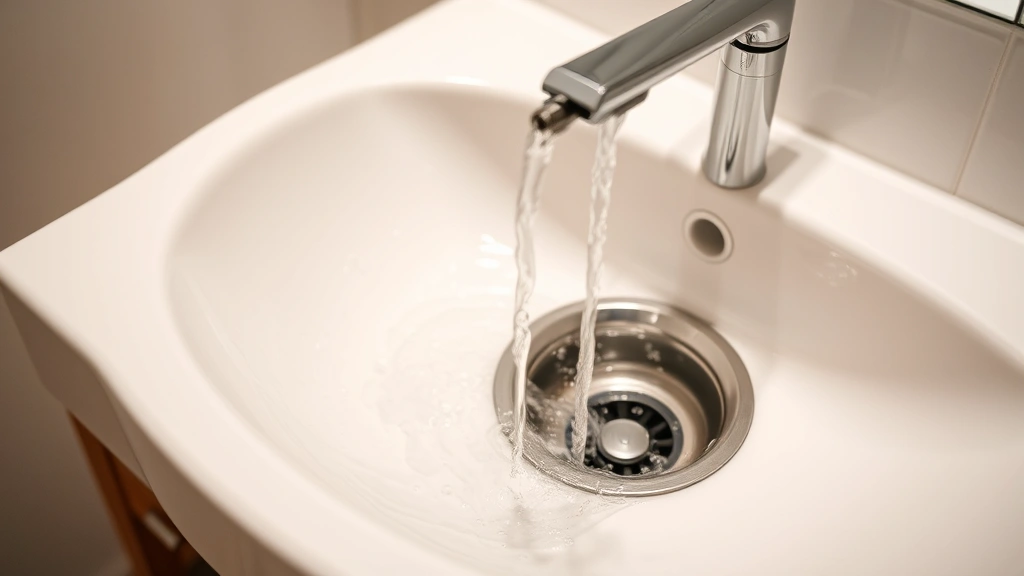
Hair is the biggest culprit in bathroom sinks. A single shower can shed 50-100 hairs, and they don’t just disappear down the drain—they catch on the drain stopper and trap other debris. Combined with soap buildup, you’ve got a recipe for a slow drain that gets worse every week.

The Plunger Method Works
Start simple. A basic cup plunger is your first line of defense when learning how to clean bathroom sink drain. Fill the sink with a few inches of water, place the plunger over the drain opening, and pump vigorously for 15-20 seconds. The suction and pressure can dislodge minor clogs without chemicals or special tools.
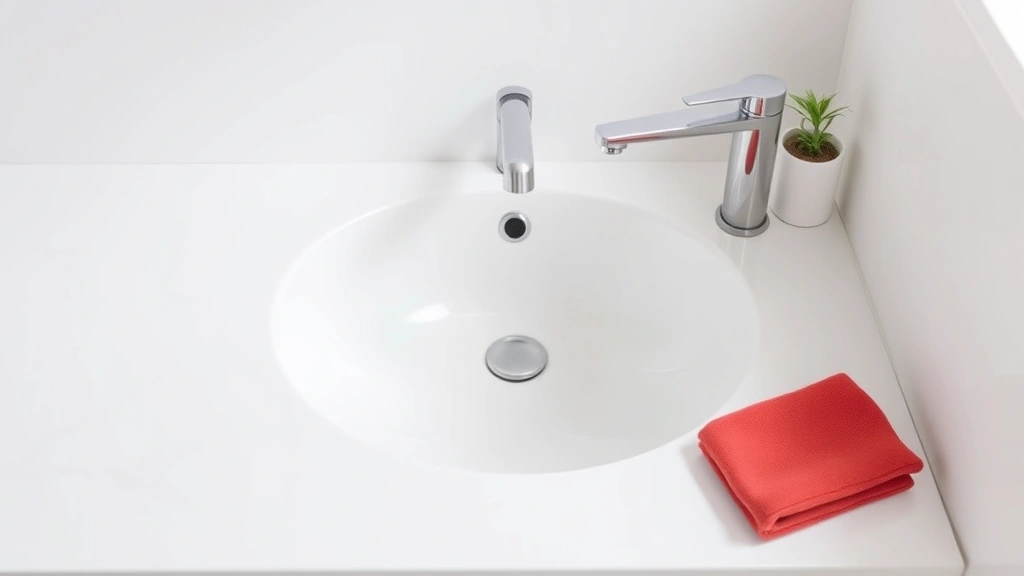
Pro tip: If your sink has an overflow hole, block it with a wet cloth while plunging. This creates better suction and increases your chances of success. Do this 3-4 times before giving up on the plunger method.
Baking Soda & Vinegar Magic
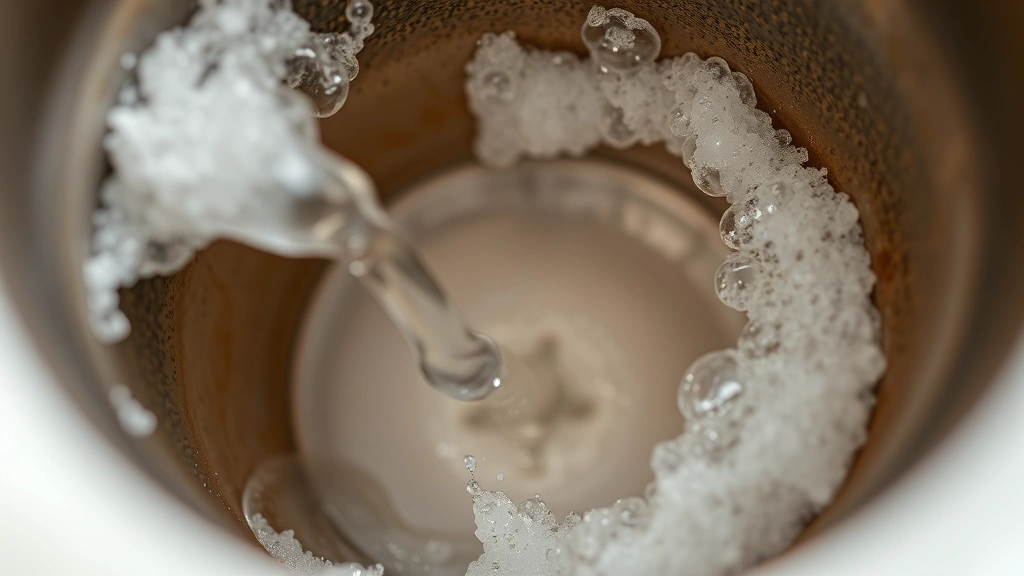
This is the go-to method for most DIYers because it’s safe, effective, and uses ingredients you probably already have. Remove any visible debris from the drain opening, then pour about half a cup of baking soda directly down the drain. Follow it immediately with one cup of white vinegar. You’ll see fizzing and bubbling—that’s the chemical reaction breaking down buildup.

Let it sit for 30 minutes to an hour, then flush with hot water. The combination of baking soda and vinegar creates carbon dioxide bubbles that help lift debris and dissolve soap scum. It’s not just folklore—this method actually works for moderate clogs and is gentler than commercial drain cleaners.

For stubborn clogs, repeat the process two or three times. Some homeowners swear by adding a pinch of salt to the baking soda for extra grit, though the vinegar reaction is what does most of the heavy lifting.

Using a Drain Snake
When baking soda and vinegar don’t cut it, a drain snake (also called a plumbing auger) is your next weapon. These flexible tools are designed to reach deeper into your pipes and physically break apart clogs. You can grab a basic hand-crank snake for $15-30 at any hardware store.

Insert the snake into the drain and turn the handle clockwise while pushing forward gently. You’ll feel resistance when you hit the clog. Keep cranking and pushing—the snake will either break the clog apart or pull hair and debris back up. Pull the snake out slowly and rinse away whatever comes up. This method is incredibly effective for hair clogs.
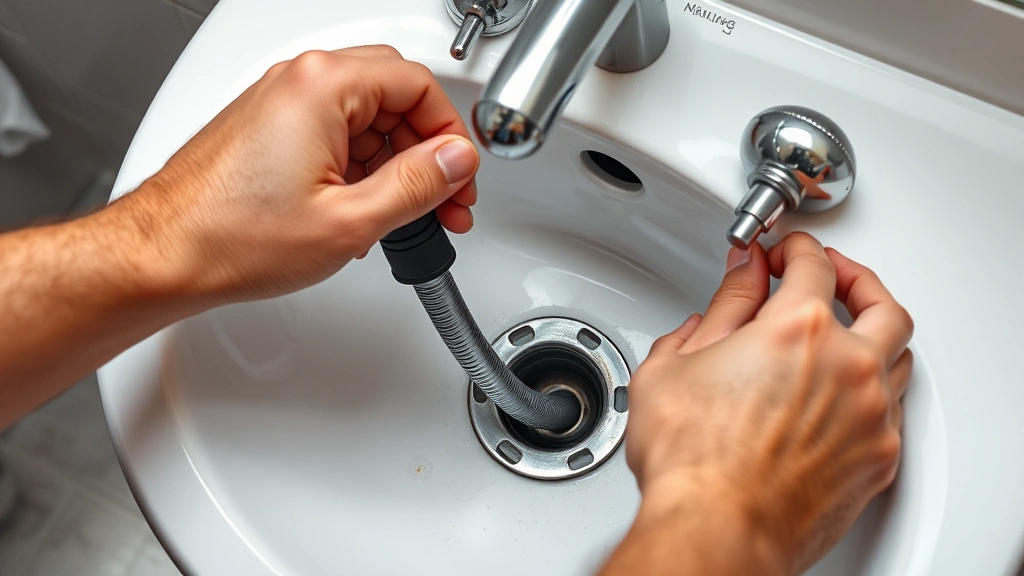
Electric drain snakes exist too, but they’re overkill for bathroom sinks. Save those for floor drains or serious blockages. A manual snake gives you better control and costs way less.
Boiling Water Technique
Sometimes the simplest solution is the best one. Boil a kettle of water and carefully pour it down the drain in stages. Wait 30 seconds between pours. The heat can melt soap buildup and mineral deposits, allowing them to wash through.
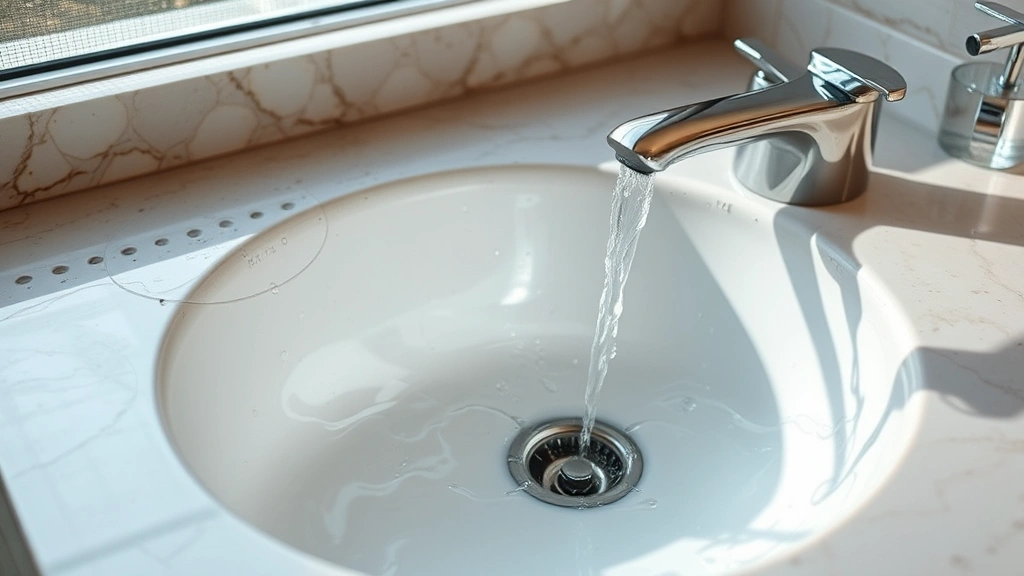
This method works best on fresh clogs caused by soap and grease rather than hair. It’s also the fastest method—you’ll know within minutes if it’s going to work. Just be careful not to splash yourself with boiling water, and make sure your sink can handle the heat (most modern plumbing can, but older pipes might be more fragile).

Chemical Drain Cleaners
Chemical drain cleaners are powerful but should be your last resort before calling a plumber. Products like Drano and Liquid-Plumr use caustic chemicals that dissolve organic material. They work, but they’re harsh on pipes, dangerous to handle, and bad for the environment.

If you go this route, follow the instructions exactly. Wear gloves, ensure good ventilation, and never mix different drain cleaners—toxic fumes can result. Pour the chemical down the drain, wait the recommended time, and flush with hot water. Don’t plunge after using chemicals; the mixture can splash back and burn your skin.

Honestly, try the other methods first. Chemical cleaners should be your nuclear option, not your first move.

Prevention is Your Friend
Now that you know how to clean bathroom sink drain, let’s talk about keeping it clean. Install a drain strainer or catch basket—these $5 devices catch hair before it enters the pipe. Empty it weekly. This single step prevents 80% of bathroom sink clogs.
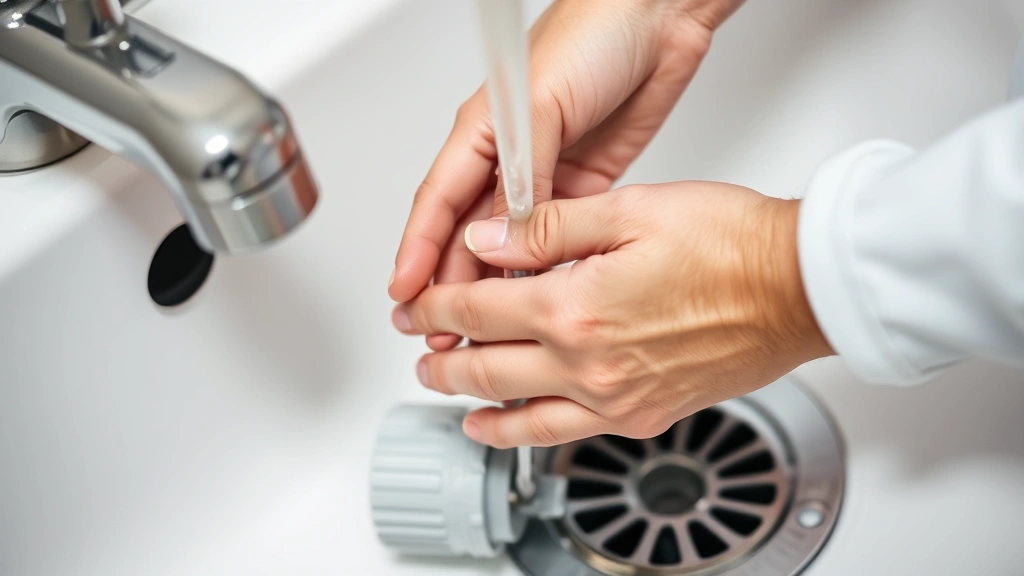
Run hot water down your drain for 30 seconds after brushing your teeth or washing your face. This keeps soap and toothpaste from building up. Once a month, do a preventive baking soda and vinegar treatment even if your drain seems fine. It’s way easier than dealing with a full clog.
Avoid pouring anything solid down the sink. Dental floss, cotton swabs, and hair should go in the trash, not down the drain. This seems obvious, but you’d be surprised how many clogs start with people being careless.

When to Call a Professional
If you’ve tried all five methods and your drain still moves like molasses, it’s time to call a plumber. You might have a clog deeper in your plumbing system, or there could be a structural issue with your pipes. Professional plumbers have equipment like motorized snakes and camera systems that can diagnose and fix problems you can’t reach.

Also call a pro if you notice multiple drains backing up simultaneously—that’s a sign of a main line clog that’s beyond DIY territory. And if you have old galvanized pipes or cast iron drains, be extra careful with harsh chemicals and snakes; you might damage the pipes themselves.

For more information on plumbing maintenance, check out Family Handyman’s drain unclogging guide or This Old House’s comprehensive plumbing resources. You can also find EPA-approved drain cleaning methods at EPA.gov.
Final Thoughts on Drain Cleaning
Learning how to clean bathroom sink drain is a practical skill that pays dividends. Start with the gentlest method (plunger or baking soda), work your way up to more aggressive solutions, and only use chemicals as a last resort. Most clogs respond to the plunger or baking soda method within the first try.

The real win is prevention. A drain strainer and monthly maintenance keep your drains flowing freely year-round. You’ll save money, avoid emergency plumber calls at midnight, and keep your bathroom running smoothly. Now get out there and tackle that drain—you’ve got this.
Frequently Asked Questions
Can I use baking soda and vinegar on a completely blocked drain?
Baking soda and vinegar work best on slow drains and partial clogs. For completely blocked drains, try the plunger first or move to a drain snake. The chemical reaction needs some water flow to be effective.
How often should I clean my bathroom sink drain?
With a drain strainer in place, once monthly is plenty. If you don’t use a strainer, do a preventive cleaning every two weeks. This keeps buildup from accumulating and causing problems.
Is it safe to use a drain snake on PVC pipes?
Yes, PVC pipes are durable and handle drain snakes well. Just be gentle and don’t force the snake if you feel strong resistance. Cast iron and old galvanized pipes are more fragile, so take extra care with those.
What’s the difference between a drain snake and a plumbing auger?
They’re basically the same thing. “Drain snake” is the general term, while “auger” refers to the rotating mechanism. Both work the same way—you feed them down the drain to break up clogs.
Can I pour bleach down my drain?
Avoid it. Bleach doesn’t effectively clear clogs and can damage pipes over time. It’s also dangerous when mixed with other chemicals. Stick with baking soda, vinegar, or commercial drain cleaners designed for the job.


