
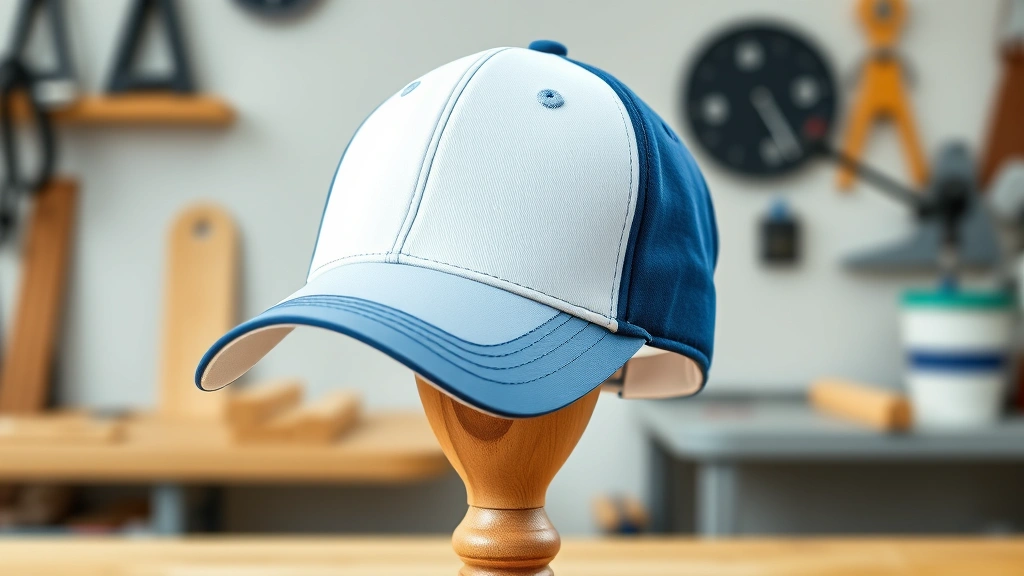
Learning how to clean baseball caps is one of those skills that saves you money and keeps your favorite headwear looking fresh for years. Whether you’ve got a treasured vintage cap, a team memento, or just a well-worn daily driver, knowing the right techniques makes all the difference between a cap that stays crisp and one that falls apart in the wash.
Table of Contents
Hand Washing Method
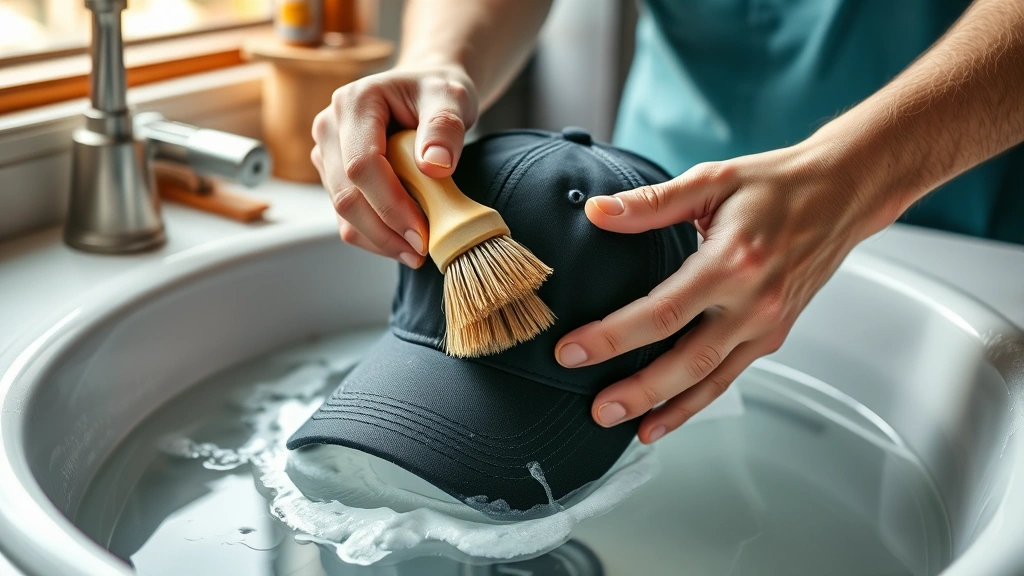
The safest way to clean most baseball caps is by hand. Fill a sink or bucket with lukewarm water and add a small amount of mild detergent—the kind you’d use for delicate clothing works great. Submerge the cap and let it soak for about 10-15 minutes. This gives the soap time to break down sweat, dirt, and grime without aggressive scrubbing.
Use a soft-bristled brush or an old toothbrush to gently work the soapy water into the fabric, paying special attention to the sweatband inside where most of the buildup happens. Avoid the visor if it has a cardboard insert—you don’t want to saturate it. Rinse thoroughly under cool running water until all soap residue is gone. This method works beautifully for cotton, wool, and most synthetic blends.
Washing Machine Gentle Cycle
If your cap is made from sturdy material and you want a more thorough clean, the washing machine can work—but use caution. Place the cap inside a mesh laundry bag or even a clean pillowcase tied at the open end. This protects the shape during the wash cycle. Knowing how to clean your washing machine first ensures you’re not adding any residual gunk to your caps.
Use the gentlest cycle available, cold water, and mild detergent. Avoid bleach unless the cap is white and specifically designed to handle it. Run the cycle and remove the cap immediately when finished—don’t let it sit wet in the machine. The mesh bag method prevents the cap from getting twisted or deformed during the spin cycle, which is crucial for maintaining that structured look.
Spot Cleaning Stains
For localized stains without washing the entire cap, spot cleaning is your best friend. Mix a small amount of mild detergent with water to create a paste. Apply it directly to the stained area using a soft cloth or old toothbrush, working gently in circular motions. Let it sit for 5-10 minutes to break down the stain, then dab with a damp cloth to rinse.
For tough stains like grass or blood, a solution of one part white vinegar to two parts water works wonders. Apply it to the stain, let it sit briefly, and gently scrub. Rinse thoroughly with clean water. The beauty of spot cleaning is that it takes just minutes and keeps your cap fresher between full washes. For sweat stains on the visor, this targeted approach is often all you need.
Sweatband Care
The sweatband is ground zero for buildup—it’s where your forehead meets the cap, creating the perfect storm of sweat, salt, and bacteria. This is the area that needs the most attention when you’re learning how to clean baseball caps properly. Flip the cap inside out and focus your cleaning efforts here with a soft brush and soapy water.
For particularly grimy sweatbands, soak the cap with the band submerged in a solution of equal parts white vinegar and water for 20-30 minutes. This breaks down mineral deposits and kills odor-causing bacteria. If the sweatband is removable, take it out and wash it separately. Some vintage caps have leather sweatbands that require special care—use a leather-specific cleaner and conditioner to maintain their integrity.
Drying and Reshaping
Never throw a wet baseball cap in the dryer. High heat warps the visor, shrinks the fabric, and can damage any embroidery or logos. Instead, gently squeeze out excess water—don’t wring it—and place the cap on a clean towel. Reshape it while damp so it dries to its original form. You can stuff the crown with clean, dry towels to help maintain shape.
Air drying takes 4-8 hours depending on humidity and fabric thickness. Place it in a well-ventilated area away from direct sunlight, which can fade colors. If you have a cap stand or even a clean jar that’s roughly cap-sized, you can drape it over that to dry. This keeps the structure intact and prevents flat spots. Once fully dry, your cap should look nearly as good as new.
Removing Stubborn Odors
Sometimes a cap smells even after washing. Baking soda is your secret weapon here. Sprinkle it inside the cap, seal it in a plastic bag overnight, and let the baking soda absorb odors. Shake out the powder in the morning. For really persistent smells, crumple up newspaper or activated charcoal inside the cap and let it sit for 24-48 hours.
Another trick: spray the inside lightly with a mixture of one part white vinegar to three parts water, let it air dry completely. The vinegar smell dissipates as it dries, taking the odor with it. If your cap still smells after these methods, it might be time to accept that some odors are permanent—but this rarely happens with proper cleaning and storage.
Material-Specific Tips
Cotton and cotton-blend caps are the easiest to clean and most forgiving. They handle both hand washing and gentle machine washing well. Wool caps require more delicate care—use cool water and wool-specific detergent to prevent felting. Synthetic materials like polyester are durable and can handle slightly warmer water and more vigorous scrubbing.
Suede or nubuck caps need special attention. Use a suede brush to gently raise the nap, then spot clean with a damp cloth. Never soak suede. For caps with leather visors or accents, clean the leather separately with appropriate leather cleaner. Embroidered logos should be cleaned gently around—not directly on—the embroidery to prevent thread damage. Check the care tag if your cap has one; manufacturers often provide specific guidance.
Storage and Maintenance
Proper storage keeps your cap clean longer between washes. Store it on a cap rack or in a breathable bag in a cool, dry place. Avoid plastic bags that trap moisture and encourage mildew. If you store caps in a closet, ensure good air circulation. A cedar block or baking soda packet inside the storage area helps prevent odors and keeps the cap smelling fresh.
Regular maintenance extends the life of your caps significantly. Brush off surface dust with a soft-bristled brush every few weeks. This prevents dirt from settling into fibers and keeps the fabric looking newer longer. Spot clean small stains immediately rather than letting them set. With these habits, you’ll find that your caps need full cleaning much less frequently, which means they last longer and maintain their appearance better.
Frequently Asked Questions
Can I put my baseball cap in the dishwasher?
While some people swear by this method, it’s risky. The high heat and harsh detergent can damage the cap’s structure, fade colors, and warp the visor. Stick with hand washing or a gentle machine cycle in a protective bag for better results.
How often should I clean my baseball cap?
It depends on how often you wear it and the conditions. If you wear it daily during sports or outdoor activities, aim for a full cleaning every 2-3 weeks. For occasional wear, monthly cleaning is sufficient. Spot clean stains as they appear regardless of the full wash schedule.
What’s the best way to remove sweat stains from the visor?
Mix equal parts white vinegar and water, apply to the stain, let sit for 10 minutes, then gently scrub with a soft brush. Rinse thoroughly and air dry. For stubborn stains, a paste of baking soda and water left on for 15-20 minutes works well too.
Will cleaning my cap shrink it?
Using cold water and mild detergent minimizes shrinkage. Hot water is the main culprit, so avoid it. Air drying rather than machine drying also prevents shrinkage. If your cap does shrink slightly, you can sometimes stretch it back to shape by wearing it while slightly damp or using a cap stretcher.
How do I clean a vintage or collectible cap?
Vintage caps require extra care. Hand wash only using cool water and very mild detergent. Avoid scrubbing directly on logos or embroidery. Dry flat or on a cap form to preserve shape. If the cap is particularly valuable, consider professional dry cleaning to avoid damage.
Can I use bleach on my baseball cap?
Only on white caps that are specifically designed to handle bleach, and even then, dilute it heavily—one part bleach to ten parts water maximum. Always test on an inconspicuous area first. Bleach can yellow some fabrics and damage synthetic materials, so it’s generally better to avoid it.
Conclusion: Mastering how to clean baseball caps keeps your favorite headwear looking sharp and smelling fresh. Whether you choose hand washing, gentle machine cleaning, or spot treatment depends on your cap’s material and condition, but the core principles remain the same: use mild detergent, cool water, gentle handling, and air drying. The sweatband deserves special attention since it takes the most abuse, and proper reshaping while damp ensures your cap maintains its structure. With these five proven methods in your arsenal, you’ll extend the life of your caps significantly and keep them game-ready or street-ready for years to come. Regular maintenance between washes—simple brushing and immediate spot cleaning—makes the job easier and keeps your caps fresher longer.


