
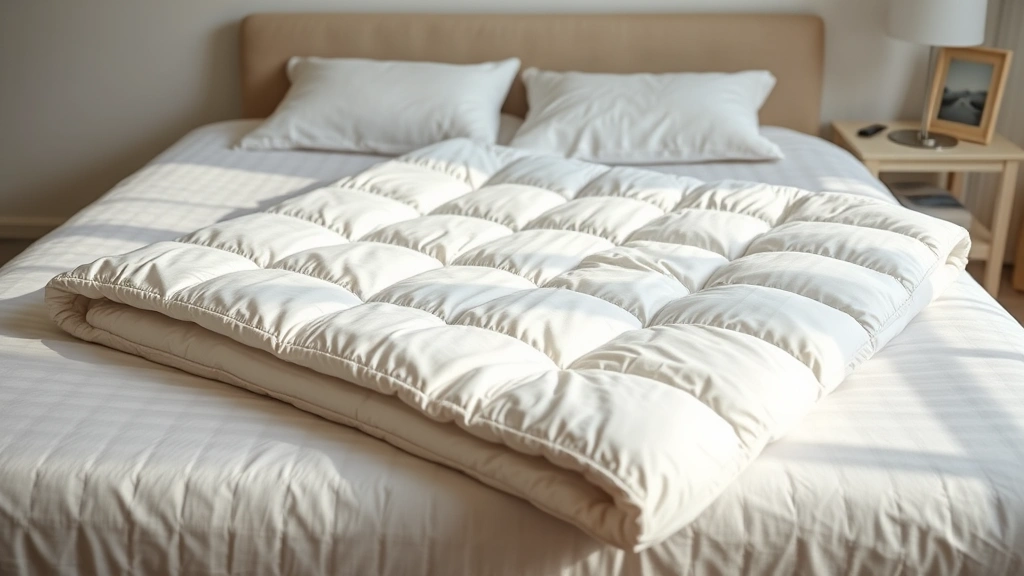
Knowing how to clean an electric blanket properly keeps your cozy companion fresh, hygienic, and working safely for years to come. Electric blankets accumulate dust, dead skin cells, and body oils over time, which can reduce their effectiveness and create an unhygienic sleep environment. The good news? Cleaning one isn’t complicated—you just need to follow a few critical safety rules and best practices to avoid damaging the heating elements or electrical components.
Table of Contents
Check Your Manufacturer Instructions
Before you do anything else, pull out that instruction manual or find it online. Seriously—this is non-negotiable. Different blanket manufacturers have wildly different recommendations. Some newer models are machine-washable on gentle cycles, while older ones absolutely cannot handle any water exposure beyond careful hand-washing. Your blanket’s warranty might also depend on following specific cleaning guidelines. Spend five minutes reading the manual; it’ll save you from ruining a $100+ investment.
Always Disconnect Power First
This is the golden rule of electric blanket cleaning: unplug it from the wall outlet before you do anything. Don’t just turn it off—physically disconnect it. This eliminates any risk of electrical shock, especially if water accidentally contacts the power cord or control unit. Wait at least 30 minutes after unplugging before you start cleaning, allowing any residual electrical charge to dissipate completely. If your blanket has a detachable controller, remove it and set it aside—the controller should never get wet.
Spot Clean the Surface
For light dirt, dust, and minor stains, spot cleaning is your first move. Use a soft-bristled brush or a lint roller to remove surface dust and debris. For actual stains, mix a small amount of mild dish soap with cool water to create a cleaning solution. Dip a clean cloth into the mixture (don’t soak it—you want damp, not dripping), and gently dab the stained area. Work from the outside of the stain toward the center to prevent spreading. Use another damp cloth with plain water to rinse away soap residue. Pat dry immediately with a towel. This method works great for most everyday messes and eliminates the need for full washing.
Hand Wash Method for Blankets
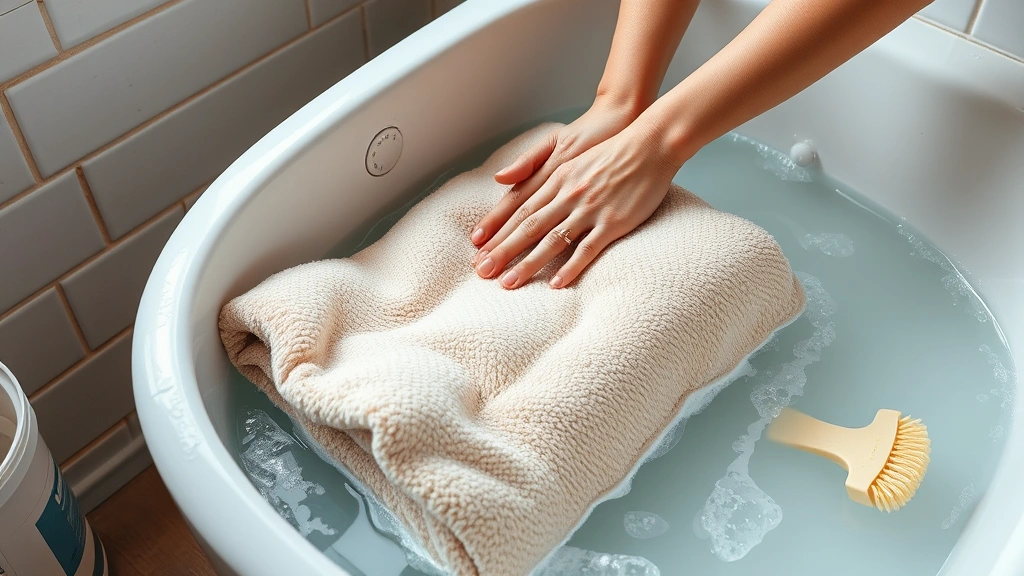
If your blanket needs more thorough cleaning, hand washing is the safest approach. Fill a bathtub or large basin with cool water and add a small amount of mild detergent—we’re talking a teaspoon or two, not a cup. Submerge the blanket and gently agitate it with your hands for several minutes. Pay extra attention to areas that contact your body directly: the top surface, edges, and any visibly soiled spots. Drain the soapy water and refill the tub with fresh cool water. Rinse the blanket thoroughly, changing the water 2-3 times until no soap residue remains. This is crucial because leftover soap can damage the fabric and heating elements over time. Gently squeeze out excess water—never wring or twist the blanket, as this can damage internal wiring.
Drying Without Damage
Proper drying is just as important as proper washing. Lay your blanket flat on a clean, dry surface or hang it over a clothesline in a well-ventilated area. Avoid direct sunlight, which can fade colors and degrade synthetic fabrics. Never use a clothes dryer—the heat can damage electrical components and the fabric. Air drying takes 24-48 hours depending on humidity and airflow, but it’s the only safe method. You can speed things up slightly by placing a fan nearby to increase air circulation. Make sure the blanket is completely dry before plugging it back in and using it. Any residual moisture near the electrical components could create a safety hazard.
Can You Machine Wash Electric Blankets?
Some newer electric blankets are labeled as machine-washable, but proceed with extreme caution. Always check your manual first. If machine washing is approved, use the delicate or gentle cycle with cold water only. Place the blanket in a mesh washing bag to provide extra protection. Use minimal detergent—again, just a teaspoon or two. Never use bleach, fabric softener, or any harsh chemicals. Skip the dryer entirely; air drying is mandatory. Many experts recommend sticking with hand washing even if machine washing is technically allowed, since hand washing gives you more control and reduces the risk of damage to the heating elements and wiring.
Removing Stubborn Stains
For tough stains like blood, wine, or chocolate, you’ll need a more targeted approach. Create a paste using baking soda and a small amount of water. Apply this paste directly to the stain and let it sit for 15-20 minutes. Gently scrub with a soft brush or cloth, then rinse thoroughly with cool water. For protein-based stains (blood, sweat), use cold water only—hot water can set these stains permanently. If baking soda doesn’t work, try white vinegar diluted with water (1:1 ratio). Test any cleaning solution on a hidden corner of the blanket first to ensure it won’t damage the fabric or cause discoloration. Avoid commercial stain removers, which often contain harsh chemicals incompatible with electric blankets.
Storage and Maintenance Tips
Between deep cleanings, maintain your blanket with regular light care. Use a lint roller weekly to remove dust and pet hair. Store your blanket in a cool, dry place when not in use—never crumple it into a tight ball, as this can damage internal wiring over time. Fold it loosely or roll it gently. Keep it away from sharp objects, excessive heat, and moisture. Inspect the cord and controller regularly for signs of damage, fraying, or discoloration. If you notice any issues, stop using the blanket immediately and contact the manufacturer. Many electric blankets have a lifespan of 5-10 years; if yours is older and showing wear, replacement might be safer than continued use. For additional cleaning tips on delicate fabrics, check out our guide on how to take out acrylic paint from clothes, which covers gentle fabric-care techniques.
Frequently Asked Questions
Is it safe to wash an electric blanket?
Yes, it’s safe to wash an electric blanket if you follow proper procedures: always unplug it first, avoid soaking the control unit, use cool water and mild detergent, and air dry completely. The key is preventing water from reaching the electrical components and heating wires.
How often should I clean my electric blanket?
Light surface cleaning with a lint roller should happen weekly or bi-weekly. Spot cleaning can be done as needed for stains. A thorough hand wash is recommended 1-2 times per year, depending on usage and how quickly it gets soiled. If you have allergies or sleep hot, you might want to increase this frequency.
Can I use bleach on my electric blanket?
No, never use bleach on an electric blanket. Bleach is too harsh and can damage the fabric, degrade synthetic materials, and potentially corrode electrical components. Stick with mild dish soap, baking soda, or white vinegar for stain removal.
What if my electric blanket has a removable cover?
If your blanket has a removable, washable cover, check the manufacturer’s instructions for cleaning it separately. Often these covers can be machine washed on a gentle cycle, which makes maintenance much easier. The blanket itself should still be hand washed or spot cleaned only.
How do I know if my blanket is damaged after washing?
Before using your blanket again, inspect it carefully for any visible damage: fraying, discoloration, odors, or wet spots inside the fabric. Test it on a low setting for 5-10 minutes while you’re awake and nearby. If you notice any burning smells, sparks, or unusual sounds, unplug it immediately and contact the manufacturer.
Final Thoughts
Cleaning an electric blanket doesn’t require special skills or expensive products—just common sense, patience, and respect for the electrical components inside. Start with spot cleaning for minor messes, graduate to hand washing for deeper cleaning, and always prioritize safety by unplugging before you start. Your blanket will reward you with years of cozy, hygienic warmth. For more household maintenance guidance, explore our article on how to turn off the water to the house, which covers essential home safety knowledge. Remember: when in doubt, check the manual or contact the manufacturer. A few minutes of caution beats a ruined blanket every single time.


