

Learning how to clean a whiteboard properly keeps your writing surface looking crisp and extends its lifespan by years. Whether you’re dealing with stubborn permanent marker stains, dried-out dry-erase residue, or just everyday dust buildup, I’ve got battle-tested methods that actually work without damaging the board’s surface.
Table of Contents
Why Cleaning Matters
Your whiteboard is an investment. Whether it’s hanging in your home office, classroom, or workshop, keeping it clean isn’t just about aesthetics—it’s about functionality. A grimy, stained board makes it harder to read what you’ve written and looks unprofessional. More importantly, neglecting proper cleaning can permanently damage the glossy surface, making it impossible to erase future writing cleanly. The key is knowing which cleaning methods won’t strip away the board’s protective coating.

I’ve seen boards that looked totally ruined turn back to pristine condition with the right approach. The trick is understanding that whiteboards have a delicate surface that requires gentleness, not aggressive scrubbing.
Method 1: Dry-Erase Marker Trick
This sounds counterintuitive, but it’s genuinely one of the most effective methods I’ve discovered. Grab any dry-erase marker—even one that’s nearly empty—and scribble over the stained areas of your board. Let it sit for 10-15 seconds, then wipe it away with a soft cloth or felt eraser. The solvent in the fresh marker reactivates the dried residue, making it lift right off.

Here’s why it works: dry-erase markers contain solvents specifically designed to work on whiteboard surfaces without damaging them. When you layer fresh marker over old residue, you’re essentially using the board’s intended chemistry against the stains. This method is perfect for everyday marks and light discoloration. For stubborn stains, you might need to repeat the process 2-3 times.
The best part? You don’t need any additional supplies beyond what most people already have nearby. Just make sure you’re using actual dry-erase markers, not permanent ones.

Method 2: Isopropyl Alcohol Solution
Isopropyl alcohol is your heavy-duty option for when lighter methods don’t cut it. Mix equal parts 70% isopropyl alcohol and water in a spray bottle. Spray the solution onto the stained areas and let it sit for 20-30 seconds—don’t let it dry completely. Wipe with a soft, lint-free cloth using gentle circular motions.

This method tackles permanent marker stains that dry-erase markers can’t touch. The alcohol dissolves ink compounds without harming the board’s surface coating. I typically use this approach when someone’s accidentally written on a whiteboard with a Sharpie or similar permanent marker.
A word of caution: avoid using 100% isopropyl alcohol, as it can be too harsh. The 70% solution is diluted enough to be safe while still being effective. Also, make sure your workspace is well-ventilated since you’ll be working with chemical fumes.

Method 3: Commercial Whiteboard Cleaner
Sometimes the simplest solution is buying a product designed specifically for the job. Commercial whiteboard cleaners like Expo or Clorox make sprays formulated to break down marker residue without damaging the board’s surface. Just spray, wait a minute, and wipe clean.
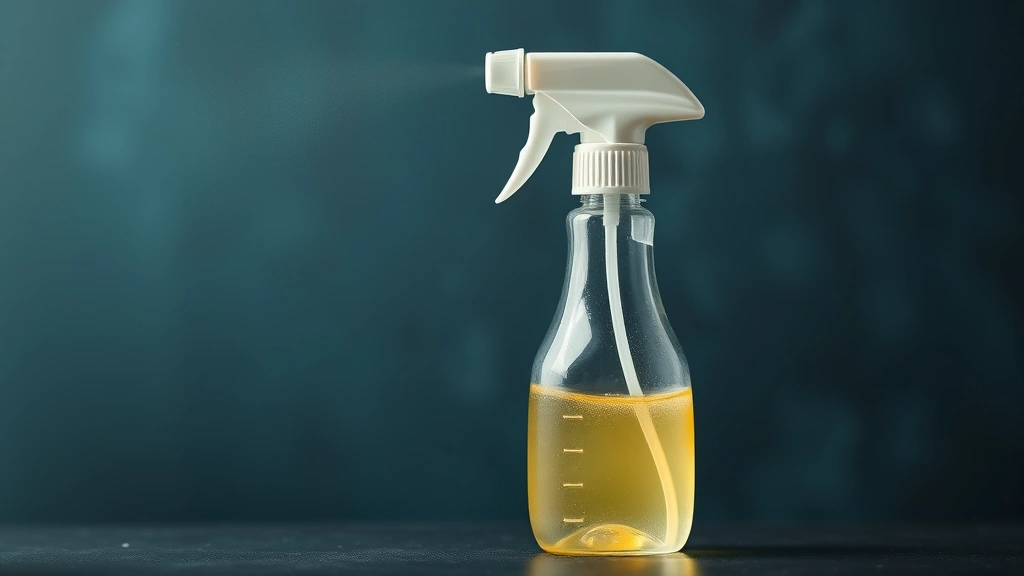
These products are convenient and reliable, especially if you’re cleaning boards regularly in an office or educational setting. They’re also less harsh than alcohol solutions, making them safer to use around kids. The downside is cost—you’re paying for convenience and branding. For occasional home use, the DIY methods work just as well.
When using commercial cleaners, always follow the manufacturer’s instructions and test on an inconspicuous area first if your board is older or has a sensitive finish.

Method 4: Vinegar and Water Mix
White vinegar is a household staple that works surprisingly well on whiteboards. Mix one part white vinegar with two parts water. Spray this solution onto the board, let it sit for 30 seconds, then wipe with a soft cloth. The acidity in vinegar helps break down stubborn marker stains without being as harsh as pure alcohol.

This method is great for people who prefer avoiding chemical solvents. It’s also incredibly cheap—most homes already have vinegar in the kitchen. The smell is a bit strong, but it dissipates quickly. For best results, use a microfiber cloth rather than paper towels, which can leave lint behind.

One advantage of the vinegar method is that it’s safe around children and pets, making it ideal for classroom whiteboards or family planning boards. It also has natural antimicrobial properties, so you’re getting a slight sanitizing benefit alongside the cleaning.
Method 5: Baking Soda Paste
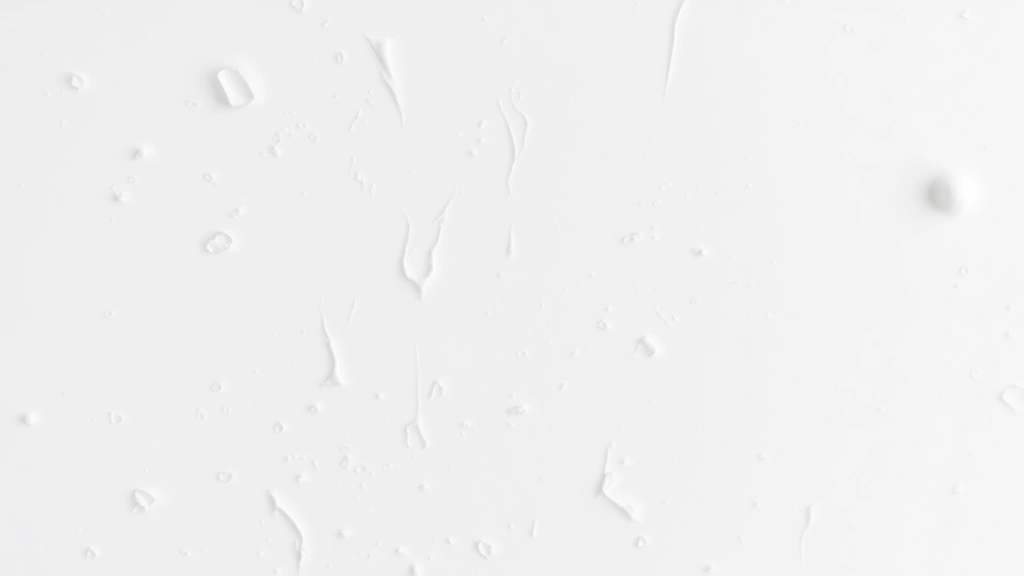
For really stubborn, dried-on stains, baking soda paste is your secret weapon. Mix baking soda with just enough water to create a paste with the consistency of peanut butter. Apply it to stained areas and gently rub with a soft cloth using circular motions. Rinse with a damp cloth afterward.
Baking soda is mildly abrasive, which helps lift stubborn residue without scratching the board surface. This method works particularly well on boards that haven’t been cleaned in months and have built-up layers of marker dust and dried ink. The key word here is “gentle”—you’re not trying to sand the board, just provide enough texture to help the paste work.

After using this method, always do a final wipe-down with plain water to remove all baking soda residue. Any powder left behind will show up as white streaks when you start writing again.
Preventing Permanent Damage
The best cleaning strategy is prevention. Here’s what I’ve learned about keeping whiteboards in top condition long-term. First, never use permanent markers on a whiteboard—seriously. Once permanent ink bonds with the surface, it’s nearly impossible to fully remove without risking board damage. Establish a clear rule that only dry-erase markers are acceptable.

Second, clean your board regularly rather than waiting for massive buildup. A quick weekly wipe-down with a dry cloth prevents residue from setting in. This is similar to how regular maintenance cleaning keeps appliances functioning properly—small efforts prevent big problems.
Third, never use abrasive scrubbers, scouring pads, or harsh chemicals like bleach. These can strip away the board’s protective coating, making it impossible to erase cleanly in the future. Stick with soft cloths and gentle solutions. Finally, avoid excessive moisture. Your board shouldn’t be dripping wet after cleaning—damp is fine, but standing liquid can seep into the board’s edges and cause damage.
Regular Maintenance Schedule
Develop a cleaning routine that matches your usage. For a home office whiteboard used daily, a quick dry-wipe with a cloth each evening takes 30 seconds and keeps things looking sharp. Once weekly, do a deeper clean using one of the methods above—even if the board looks clean, you’re removing accumulated dust and preventing residue buildup.
For classroom or office boards with heavy use, I recommend a thorough cleaning every Friday afternoon. This resets the board for the following week and prevents the dreaded weekend accumulation where dried marker has a chance to really set in. For boards used occasionally, a monthly deep clean is sufficient.
Keep your cleaning supplies in one spot—a small caddy with your preferred cloth, eraser, and cleaning solution. This removes excuses for skipping maintenance. Much like how you’d keep tools organized for specialty cleaning tasks, having everything ready makes the job quick and painless.
Document your cleaning schedule on a small calendar or checklist. You’d be surprised how easy it is to forget when you last cleaned if you don’t track it. Some people even set phone reminders for their weekly or monthly deep clean.
Frequently Asked Questions
Can I use Windex on a whiteboard?
Technically yes, but I don’t recommend it as a primary method. Windex contains ammonia and other chemicals that can leave streaks and potentially degrade the board’s coating over time with repeated use. Stick with isopropyl alcohol, vinegar, or commercial whiteboard cleaners instead.
What’s the difference between dry-erase and permanent markers?
Dry-erase markers use solvents that keep the ink from bonding permanently to the surface, allowing it to wipe away cleanly. Permanent markers use different chemistry that creates lasting bonds with surfaces. Using permanent markers on whiteboards is a mistake you want to avoid.
Why does my whiteboard feel sticky after cleaning?
This usually means you used too much liquid during cleaning. The board’s surface is absorbing moisture, which creates that sticky feeling. Make sure you’re using a damp cloth, not a wet one, and always do a final dry wipe with a clean, dry cloth.
Can I use paper towels for cleaning?
Paper towels work in a pinch, but they leave lint and fibers behind that show up as white streaks. Microfiber cloths or soft cotton cloths are far superior. They don’t shed fibers and actually absorb moisture better than paper towels.
How do I remove permanent marker from a whiteboard?
This is tough. Try the isopropyl alcohol method first, as it’s your best chance. If that doesn’t work, you might need to accept some permanent discoloration. This is why prevention through using only dry-erase markers is so important. For future reference, check out how to handle similar stubborn stains like removing unexpected marks from other surfaces.
Is my whiteboard ruined if it won’t erase cleanly?
Not necessarily. The board’s surface might just need a deep clean. Try the baking soda paste method or isopropyl alcohol solution. If the surface is permanently damaged from aggressive scrubbing or harsh chemicals, you might need to replace the board, but this is rare with proper care.
What’s the best cloth for whiteboard cleaning?
Microfiber cloths are the gold standard. They’re soft, don’t shed fibers, and absorb moisture efficiently. You can find packs of microfiber cloths cheaply at any hardware or office supply store. Avoid rough fabrics, paper towels, and old t-shirts that shed.
Can I clean my whiteboard with just water?
Plain water works for removing dust and light marks, but it won’t tackle stubborn stains or dried residue. It’s fine for daily maintenance, but you’ll need one of the stronger solutions for periodic deep cleaning.
Conclusion: Keeping your whiteboard clean and functional doesn’t require expensive products or complicated techniques. Start with the dry-erase marker trick for daily stains, graduate to isopropyl alcohol for tougher jobs, and use vinegar or baking soda paste as gentler alternatives. The key is regular maintenance—a quick weekly cleaning prevents the buildup that makes boards look worn and tired. Establish a routine, use soft cloths, avoid harsh chemicals, and never use permanent markers. With these practices, your whiteboard will stay in excellent condition for years, remaining a useful tool whether you’re planning your week, teaching a class, or brainstorming ideas. The small investment of time in proper cleaning pays dividends in the board’s longevity and appearance.


