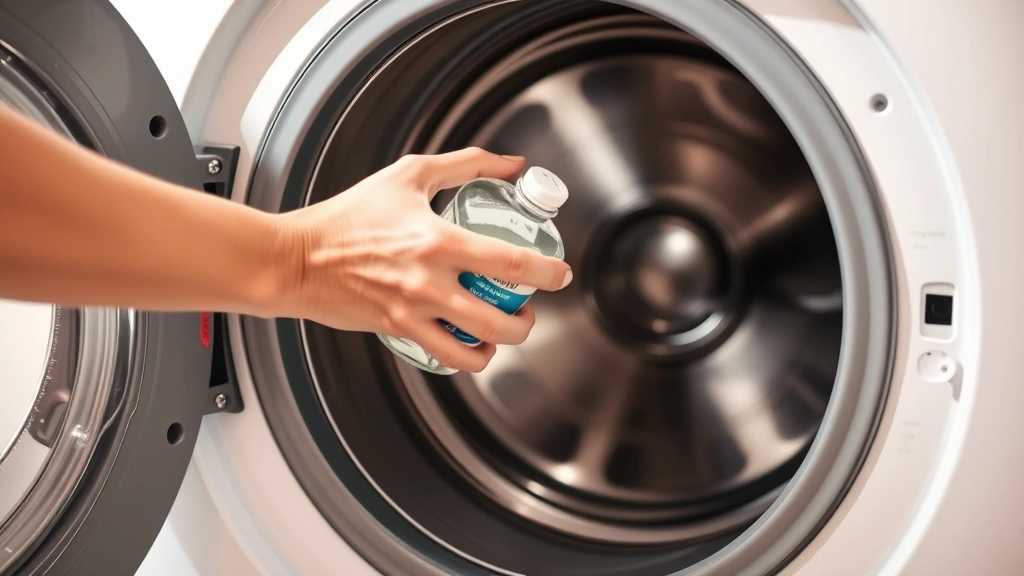
How to Clean a Washing Machine: Vet’s Tips for Pet-Safe Laundry
Your washing machine works hard every day, especially if you’re a pet owner dealing with muddy paws, shedding fur, and occasional accidents on bedding and blankets. Over time, detergent residue, fabric softener buildup, and moisture create the perfect environment for mold, mildew, and bacteria to thrive. A dirty washing machine doesn’t just smell bad—it can leave harmful residues on your clothes and, more importantly, on items your furry family members use daily.
As a veterinary professional, I’ve seen firsthand how household cleanliness impacts pet health. Washing machines that harbor bacteria and mold can transfer pathogens to pet bedding, towels, and clothing, potentially causing skin infections, respiratory issues, and allergic reactions in sensitive dogs. This comprehensive guide will walk you through professional cleaning techniques that keep your machine sanitized while ensuring your pets stay safe from harsh chemicals and residual toxins.
Why Pet Owners Need Clean Washing Machines
Pet owners face unique laundry challenges. Unlike regular households, we’re constantly washing bedding contaminated with dirt, saliva, urine, and fecal matter. We launder towels used to dry wet dogs, blankets from outdoor adventures, and clothing covered in shedding fur. This increased volume of heavily soiled items puts extra stress on washing machines and creates conditions where harmful microorganisms flourish.
According to research from the CDC, washing machines can harbor pathogenic bacteria including E. coli and Staphylococcus aureus—organisms that pose genuine health risks to pets with compromised immune systems or skin conditions. When these bacteria transfer back onto clean laundry, they can cause or exacerbate infections in your dog’s skin microbiome, leading to itching, inflammation, and secondary infections requiring veterinary treatment.
Mold and mildew present another significant concern. Dogs with allergies or respiratory sensitivities can develop symptoms from exposure to mold spores on freshly washed bedding. I’ve treated numerous cases where a pet’s chronic itching or coughing improved dramatically after their owner deep-cleaned the washing machine—a simple intervention that proved more effective than medication alone.
Regular washing machine maintenance is preventive medicine for your household. It’s one of the most overlooked yet impactful steps pet owners can take to support their dog’s overall health and reduce veterinary expenses related to skin infections and allergic reactions.
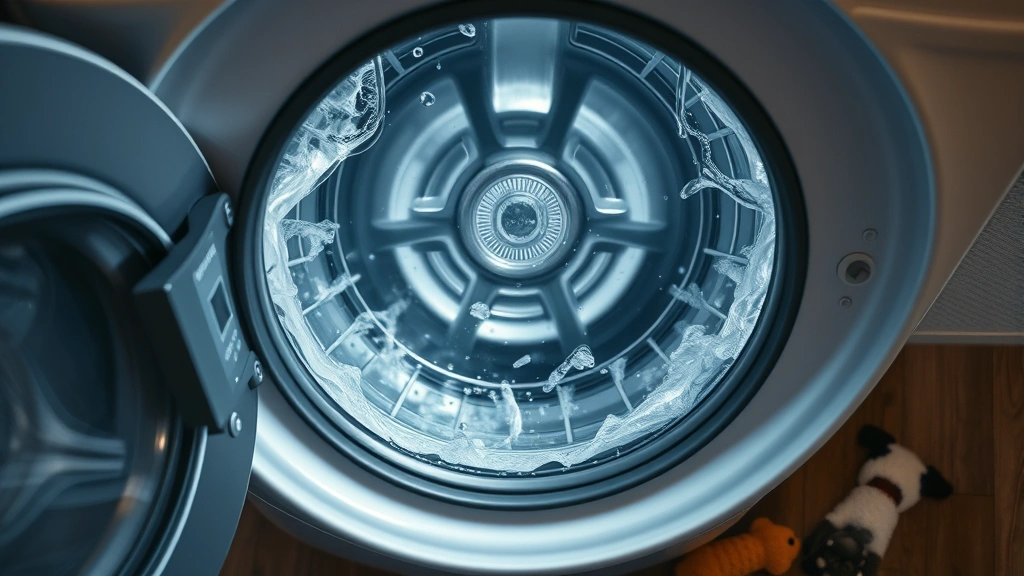
Monthly Maintenance Cleaning
Establish a monthly cleaning routine to prevent buildup before it becomes problematic. This simple 20-minute procedure keeps your machine fresh and functional without requiring harsh chemicals or extensive effort.
Hot Water and Vinegar Cycle
Start with a basic cleaning using white vinegar, a natural antimicrobial agent that’s safe for pets. Here’s the step-by-step process:
- Empty the washing machine completely and inspect the drum, seals, and detergent dispenser for visible debris
- Pour 2 cups of white vinegar into the detergent dispenser or directly into the drum
- Run the machine on the hottest water setting available with no clothes inside
- Allow the cycle to complete fully, which typically takes 35-45 minutes
- Once finished, leave the door open for at least 2 hours to allow moisture to evaporate
- Wipe down the rubber gasket and door seals with a clean cloth
White vinegar works by breaking down soap scum and mineral deposits while killing odor-causing bacteria. The high heat combined with acidity creates an inhospitable environment for mold growth. This method is completely pet-safe—vinegar is non-toxic and leaves no harmful residue on your clothing or pet bedding.
Baking Soda Freshening
After the vinegar cycle, run a second cycle using baking soda to neutralize any remaining odors and further sanitize the interior.
- Sprinkle 1/2 cup of baking soda directly into the empty drum
- Run another hot water cycle
- This combination of vinegar and baking soda creates a gentle but effective cleaning action
The chemical reaction between vinegar and baking soda produces carbon dioxide bubbles that help dislodge stubborn residue from hard-to-reach areas inside the machine. This dual-step approach is the gold standard for safe, chemical-free washing machine maintenance that veterinarians recommend.
Deep Cleaning Your Machine
Perform a deep cleaning quarterly or whenever you notice persistent odors, visible mold, or reduced cleaning performance. This more intensive process targets buildup in areas that routine cleaning misses.
Disassemble and Clean Removable Parts
Many washing machine components can be removed for thorough cleaning. Consult your machine’s manual to identify which parts are safely removable:
- Detergent dispensers—soak in hot vinegar solution for 30 minutes, then scrub with an old toothbrush
- Fabric softener compartments—same treatment as detergent dispensers
- Filter screens—rinse under running water while brushing gently to remove lint and detergent crystals
- Rubber gaskets—wipe with vinegar-soaked cloth, paying special attention to folds where mold hides
Pet bedding and towels often shed fibers that accumulate in filter screens and compartments. These fibers trap moisture and promote bacterial growth, so cleaning them thoroughly is essential for pet health.
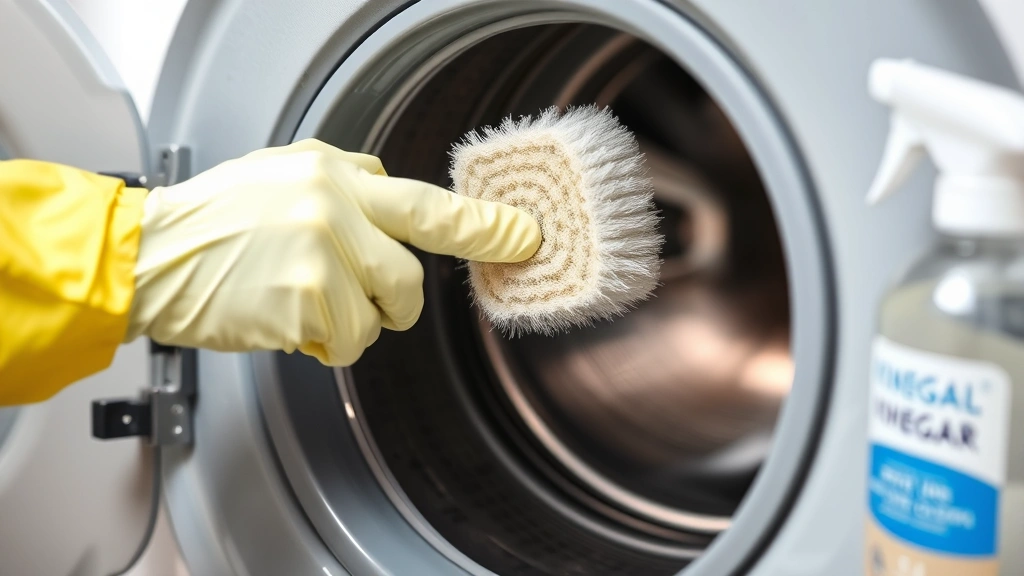
Clean the Drum Interior
Use a commercial washing machine cleaner specifically formulated to be pet-safe, or stick with the natural vinegar and baking soda method scaled up for deep cleaning:
- Pour 4 cups of white vinegar into the drum
- Add 1 cup of baking soda directly to the vinegar (it will fizz—this is normal and desired)
- Run the hottest, longest cycle available
- When the cycle completes, repeat with another 2 cups of vinegar and 1/2 cup of baking soda
- Run one final hot water cycle with no additives to rinse thoroughly
If you prefer commercial cleaners, look for products labeled as septic-safe and pet-friendly. Avoid bleach-based cleaners, which can leave residues harmful to dogs with sensitive skin and may damage certain machine components.
Removing Stubborn Mold and Mildew
Visible mold or persistent musty smells indicate more aggressive action is needed. Black or pink mold spots typically appear on rubber seals, door edges, and the underside of the door gasket.
Vinegar Soak Method
For moderate mold presence, use a concentrated vinegar treatment:
- Mix equal parts white vinegar and water in a spray bottle
- Spray affected areas generously, saturating the mold completely
- Let sit for 30 minutes without wiping
- Use an old toothbrush or soft-bristled brush to scrub gently
- Spray again and let sit for another 15 minutes
- Wipe clean with a damp cloth, then dry completely with a dry cloth
- Leave the door open for 4+ hours to ensure complete drying
Hydrogen Peroxide Treatment
For stubborn mold that doesn’t respond to vinegar, hydrogen peroxide (3% solution) offers stronger antimicrobial action while remaining pet-safe:
- Apply 3% hydrogen peroxide directly to mold spots using a spray bottle
- Allow 10 minutes of contact time
- Scrub with a soft brush
- Repeat if necessary
- Rinse thoroughly with clean water
- Dry completely
Hydrogen peroxide breaks down into water and oxygen, leaving absolutely no toxic residue. It’s the same solution used in veterinary clinics for wound cleaning, confirming its safety for pet environments.
Prevention After Mold Removal
Once you’ve eliminated mold, prevent recurrence by addressing the moisture that allowed it to grow. Run a hot water cycle weekly without clothes, keep the door open between uses, and ensure adequate ventilation in your laundry area. Consider running a dehumidifier if your laundry room is particularly damp.
Pet-Safe Cleaning Solutions
When washing your machine, prioritize products that won’t harm your pets. Here’s what veterinarians recommend versus what to avoid:
Recommended Pet-Safe Options
- White vinegar—antimicrobial, deodorizing, completely non-toxic
- Baking soda—gentle abrasive, odor-absorbing, safe for all pets
- Hydrogen peroxide (3%)—powerful antimicrobial, breaks down to water and oxygen
- Citric acid—natural descaler and cleaner, safe alternative to vinegar
- Tea tree oil-based cleaners—only if properly diluted and used in well-ventilated areas (concentrated tea tree oil is toxic to dogs)
Products to Avoid
- Bleach and chlorine products—can cause respiratory issues and skin irritation in pets
- Ammonia cleaners—toxic if ingested, irritating to respiratory systems
- Phenol-based products—extremely toxic to dogs and cats
- Essential oil concentrates—many are toxic to pets; use only properly diluted products
- Quaternary ammonium compounds—can cause skin sensitization in pets
If you choose a commercial washing machine cleaner, read the ingredient list carefully and verify it’s pet-safe. Contact the manufacturer if you’re uncertain—responsible companies will provide clear guidance about pet safety.
Preventing Future Buildup
Consistent habits prevent the need for aggressive deep cleaning. Implement these practices to maintain a clean, healthy washing machine:
Use Appropriate Detergent Amounts
Excess detergent is the primary cause of washing machine buildup. Modern detergents are highly concentrated; most people use 2-3 times the necessary amount. Using less detergent means:
- Fewer residues accumulate in the machine
- Cleaner clothes with less chemical residue
- Fewer allergens on pet bedding
- Lower cost and environmental impact
Follow your detergent manufacturer’s recommendations and consider using half the suggested amount for lightly soiled loads. Pet bedding and towels may need full strength for heavily soiled items, but regular pet clothing requires minimal detergent.
Leave the Door Open
This simple habit prevents moisture accumulation that enables mold and bacterial growth. After each load, prop the door open for at least 4 hours, or ideally overnight. This allows the drum, seals, and interior surfaces to dry completely. Many modern machines have doors that stay open easily; if yours doesn’t, use a door wedge or prop.
Clean the Gasket Regularly
The rubber door gasket is mold’s favorite hiding place. Wipe it down after every 3-4 loads using a damp cloth, paying special attention to the folds where water and detergent accumulate. A quick 30-second wipe prevents major problems later.
Run Monthly Cleaning Cycles
Even with good habits, run the hot water and vinegar cycle monthly as preventive maintenance. This takes just 20 minutes and prevents the need for intensive deep cleaning later.
Use Appropriate Washing Cycles
Different load types require different approaches. Pet bedding and heavily soiled items benefit from:
- Hot water—kills more bacteria and mold spores than cold water
- Heavy or extra-duty cycle—provides more agitation for thorough cleaning
- Extra rinse option—removes more detergent residue
Pet bedding washed in cold water with inadequate rinsing retains detergent residue that can irritate sensitive skin. Always prioritize thorough rinsing when washing items your pets directly contact.
FAQ
How often should I clean my washing machine if I have pets?
Monthly maintenance cleaning is ideal for households with pets. Deep cleaning quarterly prevents serious buildup. If you notice odors or visible mold, clean immediately rather than waiting for your scheduled maintenance.
Is it safe to use bleach in a washing machine with pet items?
Bleach is not recommended for washing machines used for pet items. Even small residues can irritate pets’ skin and respiratory systems. The vinegar and baking soda method is safer and equally effective for disinfection.
Can a dirty washing machine cause my dog’s skin problems?
Yes, absolutely. A washing machine harboring bacteria and mold transfers these organisms to pet bedding and clothing, which can cause or exacerbate skin infections, allergies, and irritation. I’ve seen numerous cases where cleaning the machine resolved persistent skin issues.
What’s the best way to eliminate washing machine odors?
Run the hot water and vinegar cycle, followed by the baking soda cycle. If odors persist, it indicates mold or bacterial growth requiring the hydrogen peroxide treatment or commercial washing machine cleaner. Always ensure complete drying afterward.
Should I use fabric softener if I have pets?
Fabric softener is generally not recommended for pet households. It leaves residues that accumulate in machines and can irritate sensitive skin. Natural alternatives like vinegar (which also softens) are safer and more effective.
How do I know if my washing machine needs deep cleaning?
Signs include persistent musty odors, visible mold or dark spots on seals, reduced cleaning performance, or pet skin issues that don’t respond to dietary or environmental changes. When in doubt, perform a deep clean—it’s preventive medicine for your household.
Can I use essential oils to clean my washing machine?
Many essential oils are toxic to dogs. If you use essential oils, ensure they’re heavily diluted, the machine is well-ventilated during cleaning, and you run multiple rinse cycles afterward. Safer alternatives include vinegar and baking soda, which have natural deodorizing properties.
What should I do if my washing machine has a persistent leak after cleaning?
If cleaning causes or reveals leaks, the gasket may be damaged. Consult your machine’s manual or contact a professional repair service. Don’t continue using a leaking machine, as water damage can be costly and mold growth accelerates in compromised seals.