
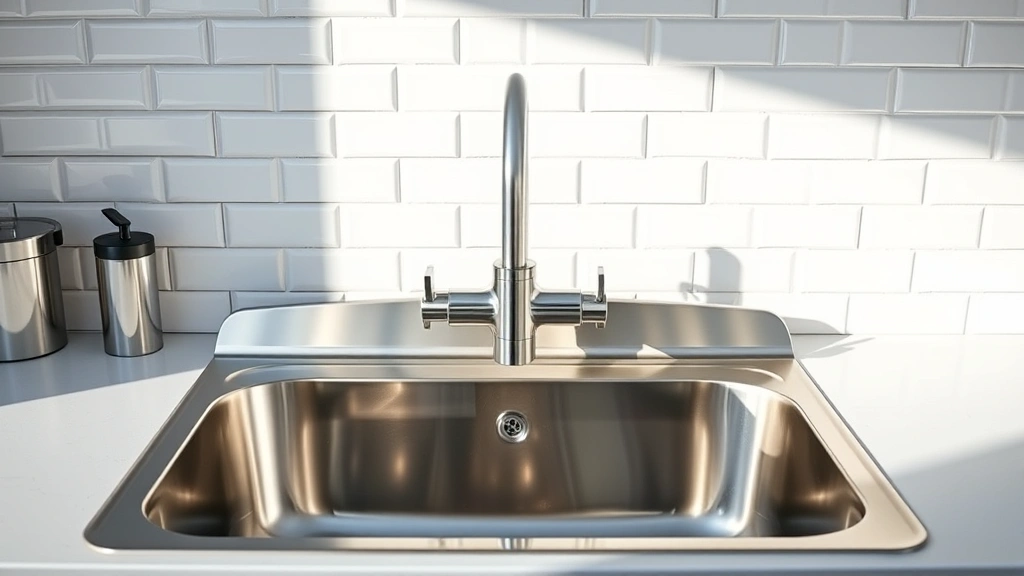
Learning how to clean a stainless steel sink is one of those skills that separates a kitchen that looks lived-in from one that looks genuinely cared for. A stainless steel sink can go from gleaming showpiece to dull, streaky mess in what feels like five minutes flat. The good news? It’s not complicated, and you probably already have most of what you need sitting under your kitchen sink right now.
Table of Contents
Daily Rinse and Dry
The easiest way to keep your stainless steel sink looking sharp is to give it a quick rinse and dry after each use. I know it sounds tedious, but trust me—this five-second habit prevents mineral deposits, water spots, and soap residue from building up into a real problem. After you finish washing dishes or prepping food, run warm water over the entire basin, then grab a soft cloth and dry it thoroughly. The grain of stainless steel runs in one direction, so always wipe along the grain, not against it. This simple routine is honestly the foundation of keeping your sink looking new.
Gather Your Supplies First
Before you tackle a deeper clean, stock your arsenal. You’ll want soft cloths or microfiber towels—never use steel wool or scouring pads that are too aggressive. A box of baking soda, white vinegar, and a small bottle of mineral oil are your best friends here. For tougher jobs, keep some dish soap and a soft-bristled brush on hand. Many people swear by commercial stainless steel cleaners, and they work fine, but honestly, the pantry staples do the job just as well for a fraction of the cost. Bar Keeper’s Friend is another powerhouse option if you want to invest in a specialty product—it’s worth having around for those really stubborn spots.
The Right Scrubbing Technique
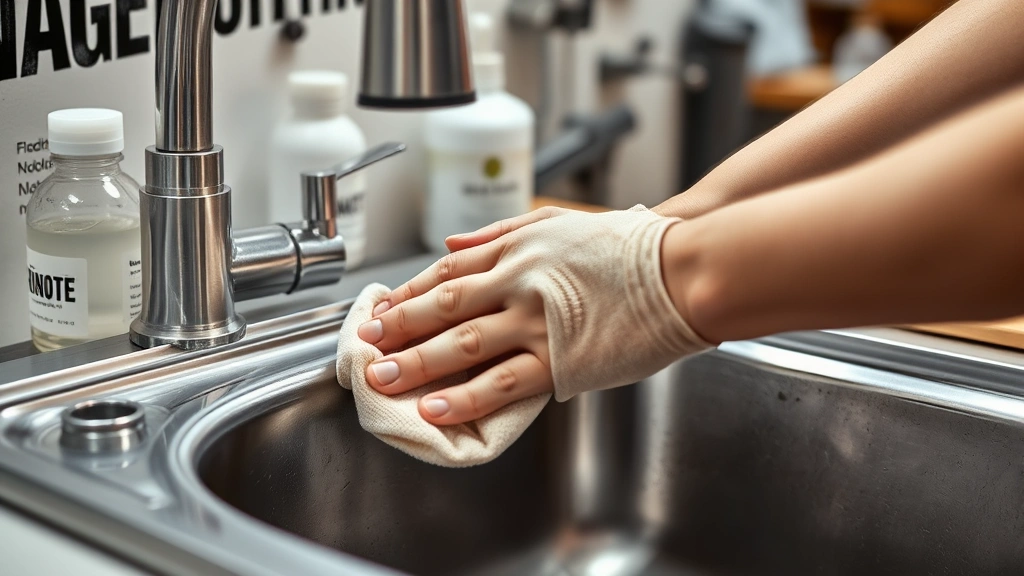
This is where most people go wrong. The grain of stainless steel is real, and it matters. Always scrub in the direction of the grain, never in circles or against it. Start by sprinkling baking soda across the damp sink basin. Use a soft cloth or soft-bristled brush to gently scrub in the direction of the grain. Work your way around the entire sink, paying extra attention to the drain area and corners where gunk accumulates. The beauty of baking soda is that it’s mildly abrasive enough to lift buildup without scratching the finish. After scrubbing, rinse thoroughly with warm water and dry immediately with a clean cloth. This method removes food particles, soap scum, and light discoloration without any harsh chemicals.
Polish for That Mirror Shine
Once your sink is clean and dry, it’s time to bring out the shine. This is the step that transforms your sink from clean to stunning. Mix equal parts white vinegar and water in a spray bottle. Spray this solution across the sink surface and wipe it down with a soft cloth, following the grain. The vinegar cuts through any remaining residue and mineral deposits. After the vinegar dries, pour a few drops of mineral oil onto a clean cloth and rub it over the entire sink surface, again following the grain. The mineral oil creates that beautiful, reflective finish that makes stainless steel look premium. Don’t oversaturate—a light coating is all you need. Some people use olive oil as an alternative, but mineral oil is safer since it won’t go rancid like food oils can.
Remove Stubborn Stains and Discoloration
For those stubborn stains that won’t budge with basic cleaning, you need a slightly more aggressive approach. Bar Keeper’s Friend is genuinely a game-changer here. Dampen the sink, sprinkle the powder directly on stains, and use a soft cloth to gently rub in circular motions—yes, circles this time—until the stain lifts. Rinse thoroughly and dry immediately. For rust spots or water stains, make a paste with baking soda and lemon juice. The acid in the lemon combined with the mild abrasive of baking soda works surprisingly well. Apply the paste to the stain, let it sit for five minutes, then scrub gently with the grain and rinse. If you’re dealing with really stubborn discoloration, a commercial stainless steel cleaner like Weiman or Sheila Shine will handle it, though these products are pricier than the DIY alternatives.
Prevent Water Spots and Mineral Buildup
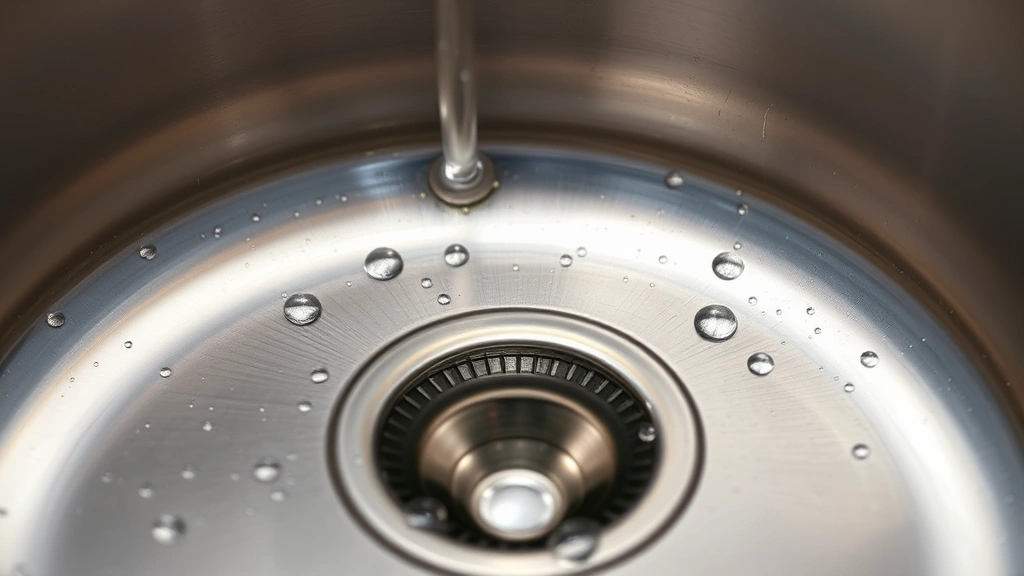
Water spots are the enemy of a shiny stainless steel sink, especially if you live in a hard water area. The best defense is drying your sink immediately after use—that’s why I keep a dedicated cloth right next to my sink. If you’re constantly battling mineral deposits, install a water softener or use filtered water for your final rinse. When you do get water spots, the vinegar and water solution mentioned earlier will dissolve them. For ongoing prevention, some people keep a small spray bottle of vinegar solution under the sink and give the sink a quick spritz and dry every evening. It sounds excessive, but if you’re someone who cares about keeping your sink looking pristine, it’s worth the effort.
Common Mistakes to Avoid
Don’t use abrasive scrubbers like steel wool, Brillo pads, or harsh scouring powders—these will scratch and dull the finish permanently. Avoid bleach or chlorine-based cleaners; they can cause pitting and corrosion in stainless steel. Never leave standing water or wet cloths sitting in the sink for extended periods, as this traps moisture and can lead to rust spots. Don’t scrub against the grain; you’ll create visible scratches that catch light and ruin the appearance. And here’s one people often miss: avoid using the same cloth you use for other kitchen surfaces on your sink. Cross-contamination can introduce grime that makes your sink look dirty faster. Also, if you’re dealing with a self-cleaning oven nearby, make sure you’re not accidentally using oven cleaner residue on your sink—that’s a recipe for damage.
Your Weekly Maintenance Schedule
Set yourself up for success with a simple routine. Daily: rinse and dry after use. Weekly: give your sink a deeper clean with baking soda and a soft cloth, followed by a vinegar rinse and mineral oil polish. Monthly: use Bar Keeper’s Friend on any stubborn spots or discoloration. If you stick to this schedule, your sink will maintain that showroom shine without requiring intense scrubbing sessions. The key is consistency—small efforts regularly beat occasional heroic cleaning attempts. Think of it like brushing your teeth; a little bit every day keeps problems from developing. Your sink will reward you with a lustrous finish that genuinely makes your whole kitchen look better maintained.
Frequently Asked Questions
Can I use vinegar on stainless steel?
Absolutely. White vinegar is one of the safest and most effective cleaners for stainless steel. It cuts through mineral deposits and soap residue without damaging the finish. Just make sure to dilute it with equal parts water and dry the sink thoroughly afterward to prevent water spots.
Is Bar Keeper’s Friend safe for stainless steel sinks?
Yes, Bar Keeper’s Friend is specifically formulated to be safe for stainless steel and is excellent for removing stubborn stains and discoloration. Use it gently with a soft cloth and rinse thoroughly. It’s one of the most trusted products by kitchen professionals.
Why does my stainless steel sink still look dull after cleaning?
You’re likely missing the polishing step. After cleaning, apply mineral oil to bring out the shine. Also, make sure you’re wiping in the direction of the grain—going against the grain can make the surface look dull and scratched. Hard water mineral deposits can also dull the finish; use the vinegar solution to address this.
What’s the best cloth material for cleaning stainless steel?
Microfiber cloths are ideal because they’re soft, lint-free, and won’t scratch the surface. Cotton cloths work fine too. Avoid paper towels, which can leave fibers behind, and never use anything rougher than a soft-bristled brush.
How often should I polish my stainless steel sink?
For daily-use sinks, a weekly polish with mineral oil keeps them looking great. If you’re meticulous about drying immediately after use, you might get away with bi-weekly polishing. If your sink gets heavy use and you want that pristine look, aim for twice weekly.
Can I use olive oil instead of mineral oil?
While olive oil will create shine temporarily, it’s not ideal because it can become sticky over time and potentially go rancid. Mineral oil is the better choice—it won’t degrade and provides a longer-lasting finish.
What causes rust spots on stainless steel sinks?
Rust typically develops when moisture sits on the surface too long or when iron particles from other sources contaminate the sink. Always dry your sink promptly, and avoid leaving wet sponges or cloths in the basin. If rust does appear, use Bar Keeper’s Friend or a baking soda and lemon paste to remove it.
Final Thoughts
Keeping your stainless steel sink looking like new doesn’t require expensive products or hours of labor. The real secret is consistency and using the right technique. Dry it daily, clean it weekly with baking soda, polish it with mineral oil, and address stains promptly with targeted treatments. Your sink will become one of the most attractive features in your kitchen—the kind of thing guests actually notice and compliment. And honestly, there’s something genuinely satisfying about looking down at a sink that gleams like a mirror. Start with this routine this week, and I guarantee you’ll notice the difference. For related kitchen maintenance, you might also want to check out our guide on how to clean a self-cleaning oven to keep your entire kitchen in top shape. Your future self will thank you for putting in the effort now.


