

Learning how to clean a shower head is one of those quick wins that transforms your morning shower without calling a plumber. Over time, mineral deposits, hard water buildup, and gunk accumulate inside and around your shower head, reducing water pressure and creating uneven spray patterns. The good news? You’ve got this, and you probably already have what you need in your kitchen.
Table of Contents
Why Your Shower Head Gets Dirty
Mineral deposits are the main culprit. Hard water contains calcium and magnesium that crystallize and clog those tiny spray holes. If you’ve noticed weak water pressure or uneven spray patterns, that’s your shower head crying for help. The buildup isn’t just cosmetic—it actually impacts water flow and can harbor bacteria if left unchecked. Think of it like the difference between a clear windshield and one covered in road grime; you’re not getting the full experience until you clean it up.
Gather Your Supplies
Here’s what you’ll need, and most of this is already in your home:
- White vinegar (the MVP of this operation)
- Plastic bag or container (large enough to submerge the head)
- Rubber bands or twist ties (to secure the bag)
- Old toothbrush or soft-bristled brush
- Wrench or adjustable pliers (if needed for removal)
- Cloth or sponge (for drying)
- Small needle or paper clip (optional, for stubborn holes)
You don’t need expensive cleaners or harsh chemicals. White vinegar is your secret weapon—it’s acidic enough to dissolve mineral deposits without damaging most finishes. If you prefer, you can also use a commercial descaling product, but vinegar is cheaper and safer for your plumbing.
Remove the Shower Head
Most shower heads unscrew by hand. Stand in the tub or shower and grip the shower head firmly, then turn counterclockwise. Apply steady, even pressure—don’t jerk it or you might damage the threads. If it’s stuck tight (common with older installations), wrap a cloth around it for better grip and try again. Still stubborn? Use an adjustable wrench, but wrap the cloth around the fitting first to avoid scratching the chrome or finish.
Once it’s off, check the rubber washer inside the connection. If it’s cracked or deteriorated, this is the perfect time to replace it. A worn washer can cause leaks, so grab a replacement from any hardware store for a couple bucks.
The Vinegar Soak Method
This is where the magic happens. Fill your plastic bag about halfway with white vinegar, then submerge the entire shower head. Use rubber bands or twist ties to secure the bag around the shower arm so the head stays completely submerged. You want full contact between the vinegar and all the mineral deposits.
Let it soak for at least 2-4 hours. For heavy buildup, leave it overnight—vinegar won’t damage anything, so longer is fine. The acetic acid in the vinegar dissolves calcium and magnesium deposits, making the next step easier. You’ll actually see the water in the bag get cloudy as deposits start breaking down. That’s your cue it’s working.
Scrub and Clean Thoroughly
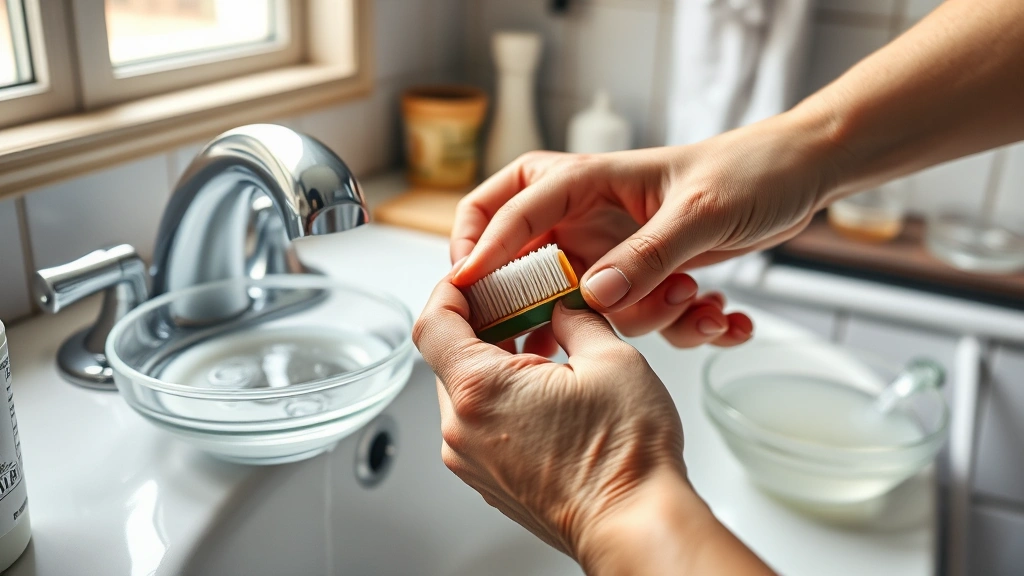
After soaking, remove the bag and take your old toothbrush to those spray holes. Scrub gently but firmly, working the brush in small circles. You’ll feel the deposits breaking away. Pay special attention to the holes around the perimeter—they tend to clog first.
For stubborn deposits, use a small needle or paper clip to gently poke through each hole. Don’t force it, but a light probing motion helps dislodge stuck mineral crystals. Rinse under running water as you work, and you’ll see the difference immediately. The spray pattern should start looking more uniform.
If your shower head has a removable aerator (that screen inside), unscrew it and soak it separately in vinegar. Use the toothbrush on it too. This component traps a lot of debris and deserves special attention. Once clean, rinse thoroughly and let it dry before reassembling.
Reassemble and Test
Screw the shower head back onto the arm, turning clockwise until snug. Don’t overtighten—hand-tight is perfect. If you replaced the rubber washer, make sure it’s seated properly before screwing it back on.
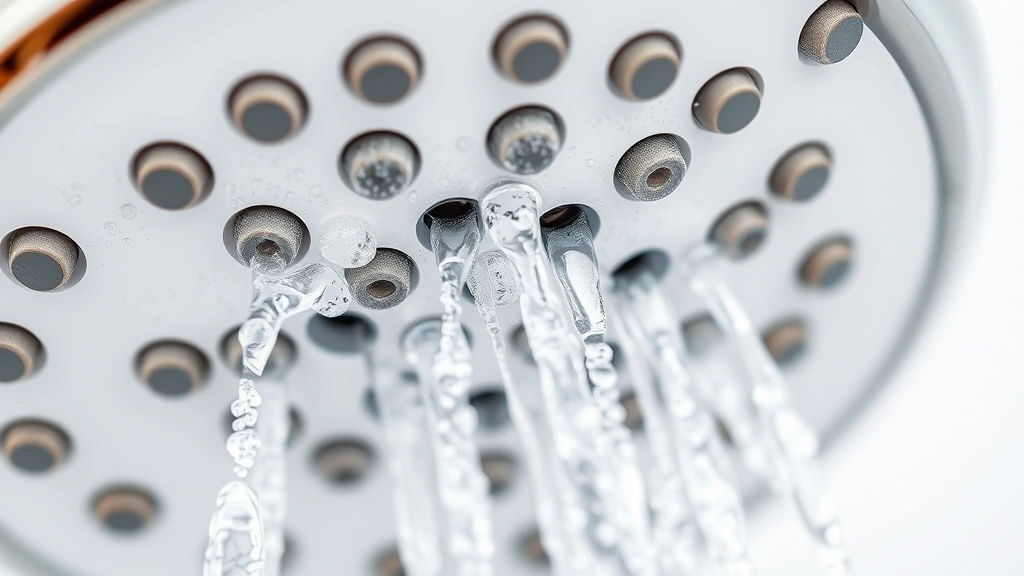
Turn on the water and test the spray pattern. You should notice immediately improved pressure and more even coverage. Run the water for 30 seconds to flush out any remaining vinegar smell (though it’ll dissipate quickly). If you still see weak spots or uneven spray, repeat the vinegar soak for another 2-4 hours.
Prevent Future Buildup
Keep your shower head cleaner longer with these simple habits:
- Monthly rinse: Once a month, do a quick 30-minute vinegar soak as maintenance
- Wipe after use: Dry the shower head with a cloth after each use to reduce water spots and mineral accumulation
- Water softener: If you have very hard water, consider installing a water softener system (this helps your whole house, not just the shower)
- Filter attachment: Some shower heads have built-in filters; replace them according to manufacturer specs
Think of it like brushing your teeth—a little preventive work beats major cleaning later.
Caring for Chrome Finishes
While vinegar is safe for most finishes, some delicate coatings need extra care. If your shower head has a brushed nickel, oil-rubbed bronze, or specialty finish, test the vinegar on a small area first. Most modern shower heads handle vinegar fine, but older or high-end finishes might benefit from a gentler approach.
For chrome, vinegar is perfect. After cleaning, dry it thoroughly with a soft cloth to prevent water spots. You can also use a microfiber cloth and a tiny bit of mineral oil to restore shine if desired. Avoid abrasive scrubbers that scratch the finish—your old toothbrush is exactly the right tool.
If you’re concerned about finish damage, check the manufacturer’s recommendations or use a commercial descaler designed for your specific finish type.
Troubleshooting Common Issues
Weak pressure even after cleaning: The problem might be deeper in your plumbing. Check if other fixtures have weak pressure too. If they do, you might have a water pressure regulator issue or sediment in your main line. That’s beyond shower head territory.
Vinegar smell lingering: Run hot water through the head for a minute. The smell dissipates quickly. If it persists, soak in water (no vinegar) for 30 minutes.
Shower head won’t unscrew: Apply heat with a hair dryer to expand the metal slightly, then try again. Alternatively, soak the connection with vinegar for an hour to help loosen mineral buildup at the threads.
Holes still blocked after cleaning: Some deposits are stubborn. Try a second vinegar soak, or use a commercial descaling product if vinegar isn’t cutting it. For really tough cases, a small drill bit (by hand, not powered) can carefully enlarge clogged holes, but this is a last resort.
Frequently Asked Questions
Can I use apple cider vinegar instead of white vinegar?
White vinegar is better. It has higher acetic acid content and won’t leave staining residue. Apple cider vinegar works in a pinch, but it’s less effective and can leave brown discoloration on some finishes.
How often should I clean my shower head?
In hard water areas, every 1-2 months. In soft water areas, every 3-6 months. If you notice reduced pressure or uneven spray, that’s your signal it’s time.
Is it safe to use bleach on my shower head?
Avoid bleach. It’s too harsh and can damage finishes and rubber components. Vinegar is safer and actually more effective for mineral deposits. Bleach is better for mold and mildew on tiles, not mineral buildup.
Will cleaning the shower head affect water temperature?
No. Cleaning only removes deposits; it doesn’t affect the mixing valve or temperature settings. You’ll actually get more consistent temperature distribution with better flow.
Can I clean the shower head without removing it?
Not as effectively. You can spray vinegar directly on it, but soaking gives you the best results. If your shower head is permanently mounted, you can still use the plastic bag method by securing it around the fixture.
What if my shower head has a filter cartridge?
Check the manufacturer’s manual. Some filters are replaceable and should be changed every 3-6 months. You can soak the shower head itself, but don’t soak the filter cartridge in vinegar unless the instructions say it’s safe.
Wrap-Up
Cleaning your shower head is genuinely one of the easiest DIY wins you can tackle. Spend 15 minutes removing and soaking it, then another 10 minutes scrubbing, and you’ve solved weak water pressure and improved your whole shower experience. No special skills, no expensive tools, and no plumber bill.
The vinegar soak method works because it attacks mineral deposits at their source. Combined with a little scrubbing and preventive maintenance, you’ll keep your shower head performing like new. Plus, you’ll save money and get that satisfying feeling of fixing something yourself.
Next time you notice reduced pressure or spotty spray patterns, remember: you’ve got this. Grab some vinegar, set aside a couple hours, and enjoy a shower that actually feels like it should. If you’re already in the maintenance mindset, check out our guide on how to clean silver at home—many of the same principles apply to keeping bathroom fixtures looking sharp.
For more detailed maintenance tips around your home, explore resources like Family Handyman, which has excellent guides on bathroom upkeep. If you’re dealing with hard water issues throughout your home, This Old House has comprehensive articles on water softening systems. And for overall plumbing maintenance, Bob Vila offers solid advice on keeping your fixtures in top shape.


