
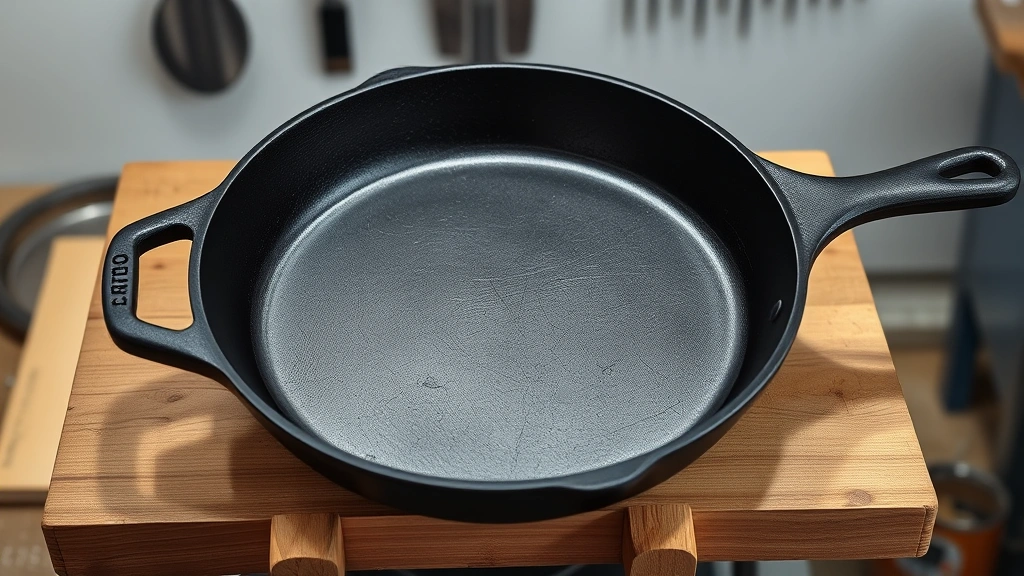
Learning how to clean a rusty cast iron skillet is one of those essential skills that separates folks who inherit their grandmother’s cookware from those who actually use it. That crusty, orange-brown mess coating your favorite pan isn’t a death sentence—it’s just a wake-up call that your cast iron needs some TLC. The good news? You can bring it back to life with methods ranging from gentle to aggressive, depending on how far gone your skillet really is.
Table of Contents
Why Cast Iron Rusts
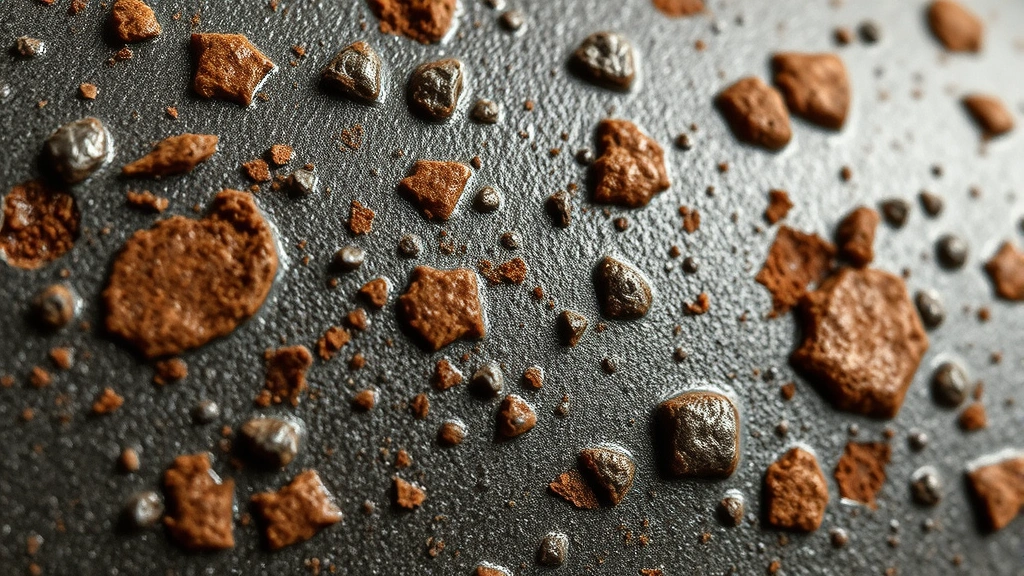
Cast iron isn’t stainless steel—it’s iron, plain and simple. When moisture hits bare iron, oxidation happens fast. That orange-brown coating you’re seeing is ferric oxide, the same stuff that forms on car parts and garden tools. The culprit is usually moisture sitting on the surface without proper seasoning to protect it. Maybe your skillet got left in the sink too long, stored in a damp basement, or inherited from someone who didn’t know cast iron maintenance. Whatever the story, understanding what caused the rust helps you prevent it from happening again.
Assess Your Rust Damage
Before you start scrubbing, figure out what you’re dealing with. Light surface rust looks like a thin orange coating that wipes off easily. Moderate rust has pitting visible to the naked eye and won’t budge with a cloth. Heavy rust creates deep pits, flaking, and sometimes structural damage. For light rust, you can use gentler methods like vinegar soaks. Moderate to heavy rust requires more aggressive approaches like wire brushes or electrolysis. Run your finger across the cooking surface—if it feels rough and pitted, you’ve got work ahead. If it’s mostly surface gunk, you caught it early.
The Vinegar Soak Method
This is the gentlest approach and works great for light to moderate rust. Fill a container large enough to hold your skillet with equal parts white vinegar and water. Submerge the entire pan and let it sit for 30 minutes to 2 hours, depending on rust severity. The acetic acid in vinegar dissolves rust without damaging the underlying metal. After soaking, pull out the skillet and scrub with a non-abrasive sponge or soft steel wool. You’ll notice the rust turning dark and loosening up. Rinse thoroughly under running water and immediately dry with a clean towel—don’t let it air dry or new rust will form instantly. This method is perfect for cast iron that’s been sitting in storage and you want to bring back without aggressive scrubbing.
Steel Wool and Elbow Grease
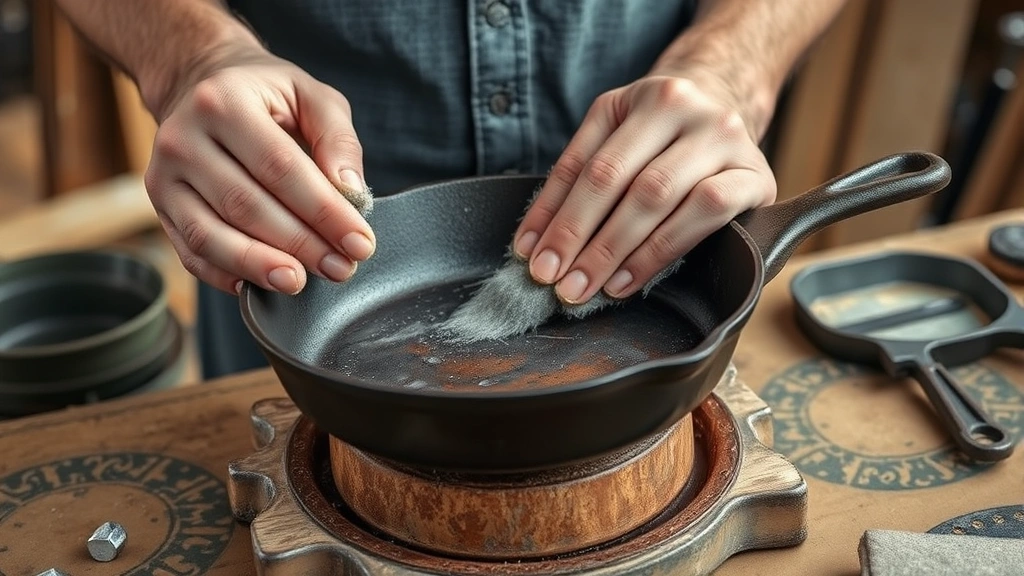
For moderate rust that won’t budge with vinegar alone, grab some steel wool (0000 grade is best—it’s fine and won’t gouge the surface). Soak your skillet in vinegar first for 30-60 minutes to soften the rust, then scrub in circular motions. The combination of chemical action from the vinegar and mechanical action from the steel wool removes rust faster than either method alone. Work methodically across the entire surface, inside and out. You’ll feel the resistance decrease as the rust breaks free. Rinse frequently to see your progress. This approach takes patience but gives you control and lets you preserve the pan’s seasoning better than more aggressive methods. After scrubbing, rinse completely, dry immediately, and apply a light coat of oil to prevent flash rust.
Baking Soda Paste Technique
Mix baking soda with a little water to create a paste—thick enough to stay on the surface but spreadable. Apply this paste directly to rusty areas and let it sit for 15-30 minutes. The mild alkalinity of baking soda helps lift rust without the smell of vinegar. Use a soft brush or non-abrasive sponge to work the paste in circular motions. This method is gentler than steel wool and works surprisingly well for light rust. It’s also safer if you’re sensitive to vinegar fumes or prefer avoiding chemicals. Rinse thoroughly and dry immediately. You can repeat this process multiple times if needed. Many folks appreciate this method because it’s non-toxic and uses something already in their kitchen.
Wire Brush Power Method
When you need serious rust removal and don’t mind some aggressive action, a wire brush attachment on a power drill is your friend. This method removes rust quickly but requires care to avoid over-abrading the surface. Start with medium pressure and let the brush do the work—don’t force it. Work in sections, checking your progress frequently. The spinning bristles tear rust away effectively, but you can also damage the underlying metal if you’re not careful. This approach works best on heavily rusted skillets where gentler methods have failed. After wire brushing, you’ll see bare metal underneath the rust, which means you’ve got good material to work with. Immediately apply oil to prevent flash rust from forming while the metal is still exposed. Wear safety glasses because rust particles fly everywhere with this method.
Electrolysis for Severe Rust
For heavily damaged cast iron that other methods won’t touch, electrolysis is the nuclear option. This process uses an electrical current to reverse the oxidation process. You’ll need a battery charger, a steel electrode, washing soda (not baking soda), and a non-metal container. Fill the container with water and dissolve washing soda in it, then set up the charger so current flows through the solution. The rusty skillet becomes the cathode (negative terminal) and the steel electrode becomes the anode (positive terminal). After 12-24 hours, the rust converts to a dark powder that wipes off easily. This method is slower but incredibly effective for severe cases and doesn’t damage the underlying metal like aggressive scrubbing can. You’ll find detailed electrolysis guides online, and it’s worth learning if you restore vintage cast iron regularly.
Seasoning After Cleaning
Once your skillet is clean and rust-free, you’ve got bare metal that needs protection immediately. This is where seasoning comes in. Apply a very thin coat of high-smoke-point oil (vegetable, canola, or grapeseed work great) all over the skillet—inside, outside, handle, everything. Use a cloth to wipe away excess oil until the surface looks almost dry. Too much oil creates a sticky, gummy finish instead of a protective layer. Bake the skillet in a 500°F oven for one hour, then let it cool completely inside the oven. This process polymerizes the oil into a hard, slick coating that prevents rust and improves non-stick properties. Repeat this seasoning process 3-5 times for a strong protective layer. Each layer builds on the last, creating that dark, shiny patina that makes cast iron legendary. After seasoning, your skillet is ready for cooking and will only get better with use.
Prevention Tips Going Forward
The best rust removal is preventing rust in the first place. Always dry your cast iron immediately after washing—don’t let it air dry or sit in the sink. Store it in a dry location, not a damp basement or under the sink where moisture accumulates. After each use, wipe the surface with a light coating of oil while it’s still warm. This maintains the seasoning and creates a moisture barrier. Avoid prolonged contact with acidic foods like tomatoes or vinegar, which can strip seasoning. If you’re storing cast iron long-term, apply a heavier coat of oil and wrap it in cloth to keep moisture away. Some folks store cast iron in the oven, which keeps it dry and out of the way. The key is treating cast iron like the living, breathing tool it is—with regular care and attention.
Frequently Asked Questions
Can I use a dishwasher to clean cast iron?
Absolutely not. Dishwashers are the enemy of cast iron. The hot water, harsh detergents, and prolonged moisture strip away seasoning and cause rust. Always hand wash cast iron with warm water and minimal soap, then dry immediately.
How long does vinegar soak take to work?
Light rust softens in 30 minutes, but moderate rust benefits from 1-2 hours of soaking. Don’t leave it longer than 8 hours, as vinegar can pit the metal if given too much time. Check progress every 30 minutes and pull it out once rust starts releasing easily.
Will cleaning rust damage my cast iron permanently?
No. Cast iron is incredibly durable. Even aggressive cleaning methods won’t permanently damage it. Once cleaned and seasoned, your skillet will perform like new. The seasoning layer is what gets damaged by rust and moisture, not the iron itself.
What’s the fastest way to remove rust?
A wire brush on a power drill removes rust fastest, followed by electrolysis for severe cases. However, speed comes with tradeoffs—power tools can over-abrade the surface, while electrolysis takes 12-24 hours. For most situations, vinegar soaking plus steel wool offers the best balance of speed and safety.
Can I use steel wool on cast iron without ruining it?
Yes, as long as you use fine-grade steel wool (0000) and work gently. Coarse steel wool can scratch and gouge the surface. Always soak the skillet first to soften rust, then use steel wool as a secondary cleaning method, not the first approach.
How often should I season my cast iron?
After cleaning, wipe with a light oil coat. Do a full seasoning cycle (oven baking) every few months or whenever the surface starts looking dull. Cast iron improves with regular use and cooking, so the more you use it, the better the seasoning becomes naturally.
Is it normal for cast iron to have some rust spots?
Light surface rust is manageable and doesn’t mean your skillet is ruined. However, any rust is a sign that seasoning is compromised or moisture got to the surface. Address it quickly before it spreads. Regular use and proper drying prevent most rust issues.
Can I cook on cast iron while it’s rusty?
No. Rust particles in your food are unsafe and unpleasant. Always remove rust before cooking. Even light rust should be cleaned immediately. Your health matters more than saving time.
Now that you know how to clean a rusty cast iron skillet, you’re ready to rescue whatever pan you’ve got sitting in the garage. Whether it’s light surface rust or heavy oxidation, there’s a method that fits your situation and skill level. Start with the gentlest approach and work up to more aggressive methods only if needed. Once cleaned and properly seasoned, your cast iron will serve you for decades—just like it did for whoever owned it before you. These pans are investments in your kitchen that only get better with time and care.


