
Learning how to clean a retainer is one of those skills that pays dividends every single day. Your retainer is basically a custom-made piece of dental hardware that keeps your teeth exactly where your orthodontist worked so hard to position them. Neglect the cleaning routine, and you’ll end up with a grimy, bacteria-laden appliance that smells like old gym socks and tastes worse. But stick with the right methods, and your retainer stays fresh, clear, and functional for years.
Table of Contents
Daily Rinse Routine Matters
Start with the absolute basics. Every single morning and night, remove your retainer and rinse it under cool running water. This isn’t fancy—just plain tap water does the job. What you’re doing here is removing loose food particles, saliva buildup, and surface debris before they calcify into stubborn deposits. Think of it like rinsing dishes right after eating instead of letting them sit in the sink for three days.
Use your fingers to gently rub the retainer under the water stream. Pay special attention to the wire components and the grooves where your teeth sit. If you can feel any sticky residue, that’s biofilm starting to accumulate. Spend 30 seconds on this daily ritual, and you’ll prevent 80% of the cleaning headaches that come later. It’s the foundation of retainer maintenance, and honestly, it’s the easiest step in the entire process.
Baking Soda Soak Method
This is the workhorse method that most dental professionals recommend. Baking soda is mildly abrasive, naturally antimicrobial, and won’t damage your retainer like harsh chemicals might. Here’s the exact process:
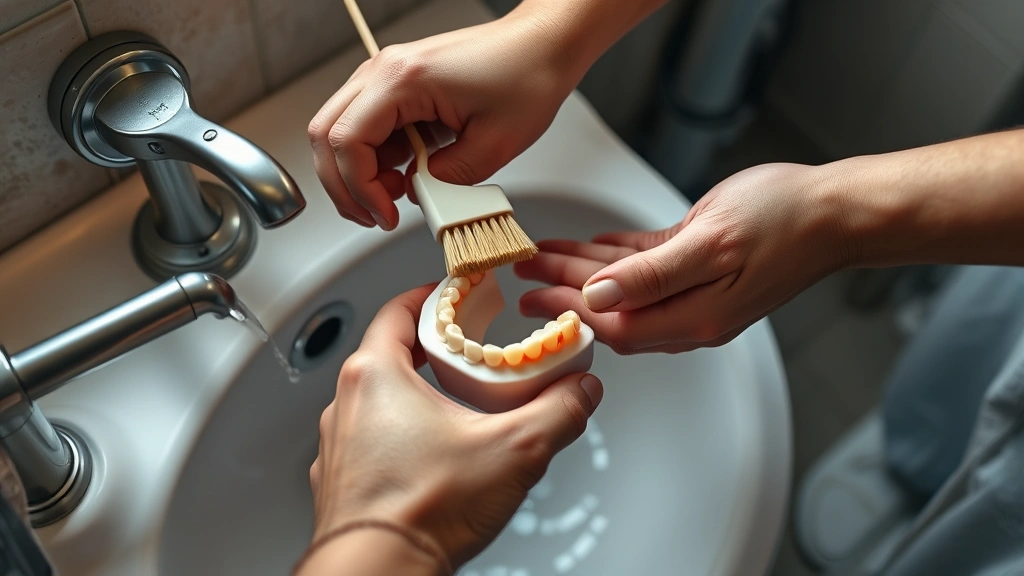
Mix one tablespoon of baking soda with eight ounces of warm water in a small cup or bowl. Drop your retainer in and let it soak for 15 to 30 minutes. The baking soda will start breaking down mineral deposits and killing odor-causing bacteria. After soaking, use a soft-bristled toothbrush—not your regular one, get a dedicated brush—to gently scrub all surfaces of the retainer. Focus on the wire areas and any textured surfaces where gunk likes to hide.
Rinse thoroughly under cool water until you don’t see any white powder residue. Do this method three to four times per week, and your retainer will stay noticeably cleaner and fresher. The beauty of baking soda is that it’s cheap, safe, and actually works better than most commercial products that cost five times as much.
Vinegar Cleaning Solution
White vinegar is acidic enough to dissolve mineral buildup and calcium deposits without being corrosive to your retainer material. This method works especially well if you have hard water or notice white crusty buildup on your retainer.
Combine equal parts white vinegar and warm water in a cup. Drop your retainer in and let it soak for 30 minutes to an hour. The vinegar will fizz slightly as it works on the deposits—that’s exactly what you want to see. For stubborn buildup, you can soak it overnight. After soaking, use that soft-bristled brush again to gently scrub away the loosened deposits. Rinse multiple times under cool water to remove all vinegar smell and residue.
Use this method once a week as part of your rotation, or more frequently if you live in a hard water area. One heads-up: vinegar does have a strong smell, so do this in a well-ventilated area if you’re sensitive to odors.
Denture Tablet Approach
Denture cleaning tablets are formulated to clean dental appliances, and your retainer qualifies. Brands like Polident or Efferdent work by releasing cleaning agents that break down biofilm and stains. This is a convenient option if you want something more hands-off than the other methods.
Drop one tablet into a cup of warm water along with your retainer. Let it sit for the time recommended on the package—usually 15 to 30 minutes. The tablet will dissolve and create a cleaning solution that works on all sides of your retainer simultaneously. No scrubbing required for this step, though you can still gently brush afterward if you want extra assurance.
The downside is cost—these tablets add up over time, and they’re not as effective on tough mineral deposits as baking soda or vinegar. Use them as an occasional convenience method, not your primary cleaning strategy. They work best in combination with your daily rinse routine.
Ultrasonic Cleaner Option
If you’re willing to invest about $30 to $50, an ultrasonic jewelry cleaner is a game-changer for retainer maintenance. These devices use high-frequency sound waves to create tiny bubbles that dislodge dirt and debris from even the most intricate surfaces.
Fill the ultrasonic cleaner with warm water and add a drop of dish soap. Place your retainer inside and run it for 5 to 10 minutes. The vibrations will clean every nook and cranny without any scrubbing effort on your part. This is especially helpful if you have a fixed retainer with lots of wire components, since the ultrasonic waves reach places a toothbrush simply can’t.
Use an ultrasonic cleaner once or twice a week as a supplement to your other methods. It’s not necessary, but if you want the cleanest possible retainer with minimal effort, this is the shortcut. Just remember that ultrasonic cleaners work best when combined with a good soak in baking soda or vinegar solution first.
What to Avoid Completely
Don’t use boiling water—it will warp acrylic retainers and damage the bonding on fixed retainers. Stick to warm water only. Don’t use toothpaste with your retainer because the abrasives are too harsh and will scratch the surface, making it cloudy. Don’t use bleach, hydrogen peroxide, or any harsh chemicals unless your orthodontist specifically recommends them.
Avoid putting your retainer in the dishwasher, microwave, or any heat source. Don’t use your regular toothbrush on it—the bristles are too stiff. Don’t let it sit in a cup without water for extended periods, as it can dry out and crack. And definitely don’t wrap it in a napkin and leave it on a restaurant table—that’s how thousands of retainers end up in the trash each year.
Storage Best Practices
When you’re not wearing your retainer, store it in a dedicated case with a small amount of water or a retainer-specific soaking solution. This keeps it moist and prevents warping. Never store a dry retainer for more than a few hours. The case itself should be cleaned regularly—rinse it out daily and let it air dry completely before putting your retainer back inside.
Keep your retainer case away from heat sources, direct sunlight, and pets. Store it in a cool, dry place like a bedroom drawer or bathroom cabinet. If you’re traveling, bring your retainer case with you—don’t improvise with napkins or plastic bags. A proper case is inexpensive insurance against losing or damaging your retainer.
Professional Cleaning Timeline
Even with perfect home care, schedule a professional cleaning with your orthodontist every six months to a year. They have specialized equipment and solutions that can remove buildup you can’t access at home. Professional cleanings also let them inspect your retainer for cracks or damage that might need repair.
If you notice any discoloration that won’t come off with home methods, staining that’s getting worse, or any odor that persists even after thorough cleaning, that’s a sign to call your orthodontist. Sometimes what looks like permanent damage is actually just mineral buildup that requires professional treatment. Don’t ignore these signs—address them early before they affect the retainer’s function.
Frequently Asked Questions
Can I use mouthwash to clean my retainer?
Mouthwash isn’t ideal because it’s designed for your mouth, not for soaking dental appliances. Some formulas contain alcohol or staining agents that can damage retainer material over time. Stick with baking soda, vinegar, or denture tablets instead. If you want to use mouthwash occasionally, dilute it heavily with water and limit soaking time to 5 minutes.
How often should I deep clean my retainer?
Aim for a deep clean three to four times per week using baking soda or vinegar methods. Daily rinsing under water is your baseline maintenance. If you notice buildup or odor developing, increase frequency to daily deep cleaning until it clears up. Everyone’s saliva chemistry is different, so adjust based on what works for your situation.
Why does my retainer smell bad even after cleaning?
Persistent odor usually means bacteria are colonizing inside microscopic scratches or cracks in the retainer material. Try soaking in vinegar for a full hour, then baking soda for another hour. If the smell returns quickly, your retainer might have internal damage that requires professional assessment. Don’t ignore this—bacteria buildup can affect your oral health.
Is it safe to soak my retainer overnight?
Yes, overnight soaking in baking soda solution or vinegar solution is completely safe and actually beneficial. It gives the cleaning agents extra time to work on stubborn deposits. Just make sure you’re using cool or warm water, not hot, and rinse thoroughly in the morning. Overnight soaking is one of the most effective methods for weekly deep cleaning.
Can I use a regular toothbrush on my retainer?
No—regular toothbrushes have bristles that are too stiff and will scratch your retainer, making it cloudy and creating tiny grooves where bacteria can hide. Get a soft-bristled brush specifically designated for your retainer, or use an old toothbrush with very soft bristles. The investment in a dedicated brush is worth it for protecting your retainer.
What’s the difference between fixed and removable retainer cleaning?
Removable retainers can soak in solutions and be brushed easily. Fixed retainers bonded to your teeth require careful flossing around the wire and gentle brushing, but can’t be soaked. For fixed retainers, maintain excellent oral hygiene and follow your orthodontist’s specific cleaning instructions. Both types benefit from professional cleaning appointments.
For more detailed guidance on maintaining dental appliances and equipment, check out resources like Family Handyman’s home care section, This Old House’s maintenance guides, and Bob Vila’s expert advice. For orthodontic-specific information, consult the maintenance guides in your orthodontist’s office or ask during your next appointment.


