
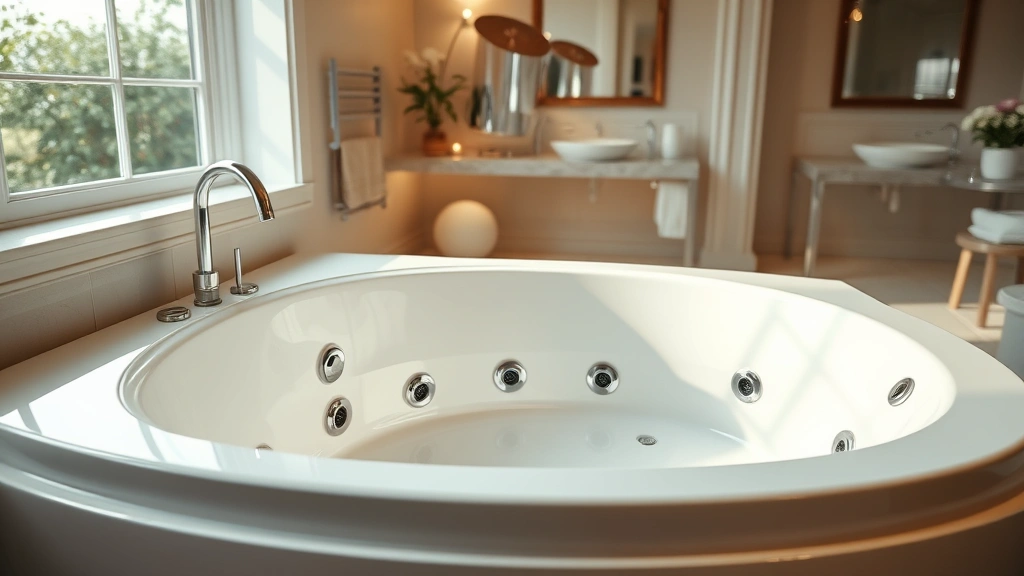
Learning how to clean a jetted whirlpool tub is one of those skills that separates the spa-like relaxation from a grimy, bacteria-laden nightmare. These luxury tubs are fantastic for soothing sore muscles, but they’re also notorious for trapping debris, soap scum, and mold inside those hidden jet lines. The good news? It’s totally doable with the right approach, and I’m going to walk you through every step.
Table of Contents
Why Jetted Tubs Need Special Care
Here’s the thing about jetted whirlpool tubs: they’re basically water circulation systems with all the complexity that entails. When you use your tub, water gets forced through those jets at high pressure, and that means debris, hair, soap residue, and bacteria get sucked into the internal plumbing. Over time, this buildup creates a biofilm—basically a slimy layer of microorganisms that can cause odors, discoloration, and even health issues. Unlike a regular bathtub where you just wipe down the surface, a jetted tub requires you to actually clean the internal jet system. Think of it like cleaning your car’s engine versus just washing the exterior.
Supplies You’ll Actually Need
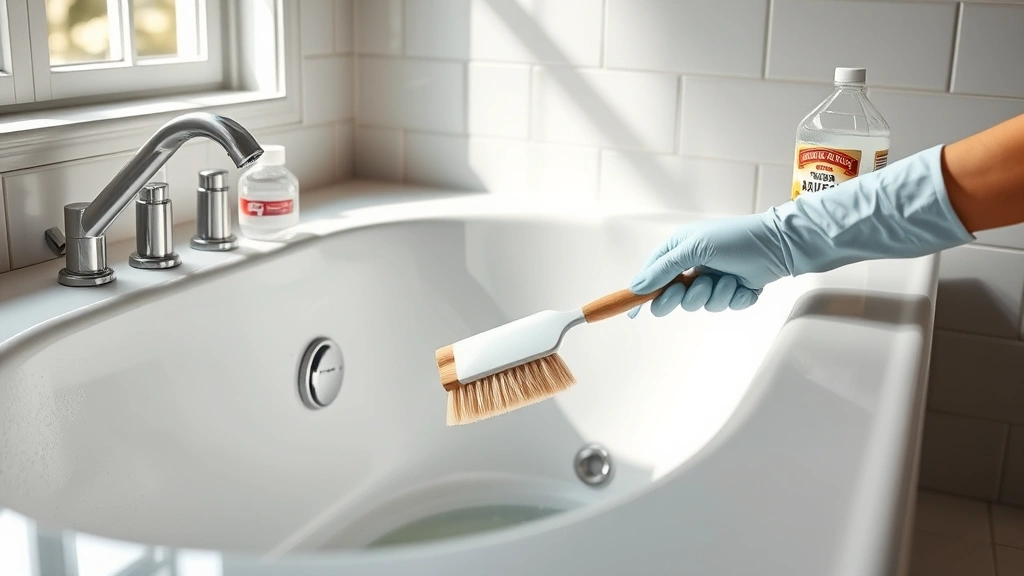
Before you start, gather these essentials. You’ll want white vinegar (the acidity breaks down mineral deposits and kills bacteria), baking soda (a gentle abrasive that deodorizes), dish soap (cuts through grease), and a good all-purpose bathroom cleaner. For deeper work, grab some jet tub cleaner—brands like Jacuzzi make dedicated products specifically formulated for this job. You’ll also need a soft-bristled brush (don’t use anything too abrasive or you’ll damage the tub surface), clean towels, and optionally, a small handheld scrub brush for tight spaces. Some folks swear by denture tablets or powdered oxygen cleaners too, which can be surprisingly effective.
Basic Cleaning Process
Start with the simplest approach: drain the tub completely and let it air dry for at least an hour. This prevents water from diluting your cleaning solutions. Once dry, use your soft brush to gently scrub the entire tub surface with a mixture of warm water and dish soap. Pay special attention to the jet openings—these are where gunk accumulates fastest. Rinse thoroughly with clean water, making sure no soap residue remains. Now fill the tub about halfway with hot water and add one cup of white vinegar. Run the jets for 15-20 minutes to let the vinegar circulate through the entire system. This is a game-changer for breaking down mineral deposits and killing odor-causing bacteria. Drain and rinse again with fresh water, running the jets briefly to clear out any remaining vinegar.
Deep Cleaning the Jet Lines
For a truly thorough cleaning, you’ll want to tackle the internal plumbing more aggressively. Fill the tub with hot water (as hot as your system allows) and add two cups of white vinegar plus half a cup of baking soda. The combination creates a fizzing action that helps dislodge stubborn buildup. Run the jets continuously for 30 minutes. Yes, thirty minutes—this isn’t a quick fix, but it works. After the jets have run, let the mixture sit in the tub for another 30 minutes without running the jets. This allows the cleaning agents to penetrate deeper into the lines. Then run the jets again for another 15 minutes before draining. Refill with fresh water and run the jets one more time to rinse out all the vinegar and baking soda residue. You might notice some discoloration or debris coming out—that’s exactly what you want to see.
Vinegar and Baking Soda Method
The vinegar and baking soda combo is my go-to because it’s non-toxic, inexpensive, and actually works. The science is simple: vinegar’s acidity dissolves mineral buildup and kills bacteria, while baking soda acts as a mild abrasive and deodorizer. For a standard cleaning, mix equal parts white vinegar and water in a spray bottle and spray down the entire tub surface. Let it sit for 10 minutes, then scrub with your soft brush and rinse thoroughly. For the jets themselves, fill the tub halfway with hot water, add two cups of vinegar, and run the jets for 20 minutes. If you’re dealing with stubborn odors or visible buildup, make a paste of baking soda and water, apply it directly to the jet openings, let it sit for 15 minutes, then run the jets to flush it out. This method is safe for all tub materials and won’t damage rubber seals or internal components.
Commercial Jet Cleaners
Sometimes you need the heavy artillery. Commercial jet tub cleaners are specifically formulated to dissolve biofilm and mineral deposits. Brands like Jacuzzi, Clorox, and others make products designed for this exact purpose. Follow the manufacturer’s instructions carefully—typically you’ll fill the tub, add the recommended amount of cleaner, run the jets for the specified time (usually 15-30 minutes), then drain and rinse thoroughly. The advantage of commercial products is that they’re tested and proven to work on stubborn buildup. The downside is they’re pricier and contain chemicals, though most are relatively safe when used as directed. If you go this route, make sure your bathroom is well-ventilated and consider wearing gloves. Never mix different cleaning products—that’s a chemistry experiment you don’t want to conduct in your bathroom.
Monthly Maintenance Routine
The key to keeping your jetted tub clean is consistent maintenance. Once a month, run a cleaning cycle. Fill the tub halfway with hot water, add one cup of vinegar, and run the jets for 20 minutes. This prevents buildup from accumulating and keeps odors at bay. After every few uses, do a quick rinse: fill the tub with hot water, run the jets for 5 minutes without any cleaning solution, then drain. This flushes out debris and soap residue before it has a chance to solidify. Also, drain the tub completely after each use rather than letting water sit in the lines. Standing water is a breeding ground for bacteria and mold. If your tub has a drain plug, leave it open for at least an hour after your last soak to ensure the lines dry out. Think of it like how you’d maintain any other home system—a little regular care beats major repairs down the road.
Prevention Tips That Actually Work
Here’s where you save yourself from future headaches. First, use less soap than you think you need. Excess soap creates residue that accumulates in the jets. Second, shower before using the tub—this reduces the amount of body oils and dirt entering the system. Third, avoid bath bombs, bubble bath, and oils in your jetted tub. These products are designed to stay suspended in water and create buildup in jet lines. If you want that luxurious soak, use them in a regular tub instead. Fourth, if your tub has a filter (some do), clean or replace it according to the manufacturer’s schedule. Fifth, consider using filtered or softened water if you live in a hard water area—mineral deposits are a major culprit in jet blockages. Finally, never run the jets without water in the tub. This can damage the pump and create air locks that prevent proper circulation. For more details on how long does grout take to dry in your bathroom, check that guide if you’re doing any tile work around your tub.
Troubleshooting Common Issues
Jets not working? First, check if they’re clogged. Run a cleaning cycle with vinegar and see if water pressure returns. If one jet is weaker than others, it might have a debris blockage. Some tubs have removable jet covers—if yours does, remove them and clean out any visible gunk. No water coming out at all? Make sure the tub is filled to the proper level (usually marked with a line) and that the pump is actually running. You should hear it kick on. If you hear the pump but no water flows, there might be an air lock in the system—try turning the pump off, waiting 10 minutes, then turning it back on. Foul odors despite cleaning? You might need a more aggressive cleaning cycle or a commercial product. Discoloration around the jets? This is usually mineral deposits or mold. A vinegar soak should handle it. For more comprehensive troubleshooting, check your tub’s manual or contact the manufacturer—sometimes issues require professional service.
Frequently Asked Questions
How often should I clean my jetted tub?
At minimum, once a month with a vinegar soak. If you use it daily, consider doing a light cleaning cycle weekly. The more frequently you use it, the more often you should clean it.
Can I use bleach in my jetted tub?
You can, but I don’t recommend it as a primary cleaner. Bleach can damage rubber seals and gaskets over time. If you use it, dilute it heavily (1 part bleach to 10 parts water), run it through the jets for only 10 minutes, then rinse extremely thoroughly.
What’s that smell coming from my jets?
That’s biofilm—bacteria and mold growing in the lines. Run a deep cleaning cycle with vinegar and baking soda. If the smell persists, you might need a commercial jet cleaner or professional service.
Are denture tablets effective for cleaning jets?
Yes, actually. Drop 2-3 denture tablets in a tub of hot water, run the jets for 20 minutes. The effervescent action helps break up debris. It’s a gentler alternative to vinegar if you prefer.
Can I damage my tub by cleaning it too aggressively?
Yes. Avoid abrasive scrubbers, harsh chemicals, or excessive force. Stick with soft brushes and mild solutions. Your tub’s acrylic or fiberglass surface scratches easily.
Do I need to hire a professional?
Not usually. Regular maintenance with vinegar and baking soda prevents most problems. Professional service is only necessary if the pump fails, jets are completely blocked, or you have internal plumbing issues.
Final Thoughts
Cleaning a jetted whirlpool tub isn’t complicated—it just requires understanding that you’re maintaining a small water circulation system, not just wiping down a surface. The vinegar and baking soda method is your best friend for regular maintenance, and monthly cleaning cycles keep everything running smoothly. Stick to the prevention tips (less soap, shower first, no oils), and you’ll avoid most problems before they start. Your tub will reward you with years of relaxing soaks and consistent performance. For related home maintenance tasks, you might also want to explore how to fix other common household issues or check out general how do I connect my phone to my TV for bathroom entertainment setups. And if you’re tackling bathroom renovations, understanding how long does grout take to dry is essential knowledge. Now get out there and give that tub the spa treatment it deserves.


