
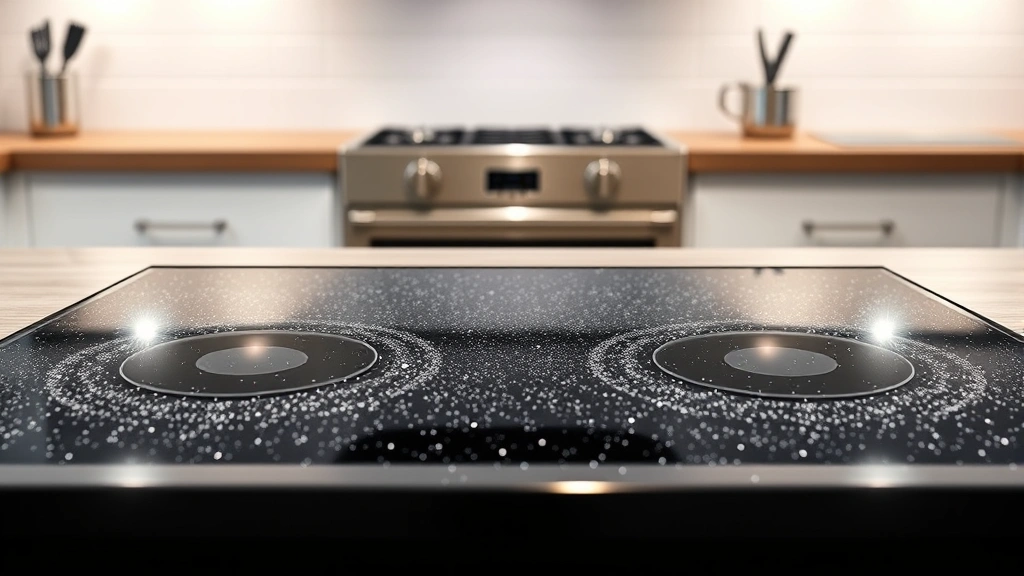
Learning how to clean a glass top stove is one of those skills that saves you money, keeps your kitchen looking sharp, and honestly makes cooking feel less like a chore. I’ve scrubbed plenty of glass cooktops over the years—some looking like they survived a food explosion, others just needing a quick refresh—and I’ve picked up some solid tricks that actually work without damaging the surface.
Table of Contents
Why Glass Tops Matter
Glass cooktops look modern and sleek, but they’re also sensitive to scratches, thermal shock, and stubborn burnt-on gunk. Unlike traditional coil burners where spills just sit underneath and nobody judges you, a glass top sits right there showing every smudge, fingerprint, and cooking casualty. The good news? They’re actually easier to clean once you know the right approach. Regular maintenance takes about five minutes and keeps your stove looking like new.
Gather Your Supplies
Before you tackle the job, grab these essentials from around your house or a quick store run. You don’t need fancy specialty products—I’ve found that basic household items work just as well as pricey branded cleaners. Here’s what works:
- Baking soda – the workhorse of kitchen cleaning
- White vinegar – cuts through grease like nothing else
- Dish soap – your everyday kitchen helper
- Soft microfiber cloths – won’t scratch the glass
- Plastic or silicone scraper – metal scrapers are the enemy here
- Warm water – essential for every step
- Optional: commercial glass cooktop cleaner – brands like Weiman work well if you prefer it
Pro tip: Skip the steel wool, abrasive sponges, and anything that feels rough. Your glass top will thank you by staying scratch-free for years.
Step One: Cool Down First
This is non-negotiable. Never clean a hot glass cooktop. Not only will you burn yourself—and trust me, that hurts—but the temperature difference between your cleaning liquid and the hot surface can cause thermal shock, potentially cracking the glass. Turn off all burners and wait at least 15-20 minutes. I usually start cleaning right after dinner prep, giving the stove time to cool while I eat. If you’re impatient, open a window or turn on a fan to speed up cooling.
Step Two: Remove Dry Debris
Once the stove is completely cool, grab a dry microfiber cloth and wipe away loose crumbs, dust, and dried food particles. This step prevents you from pushing debris around when you apply liquid cleaners. Just use a light touch—you’re sweeping, not scrubbing. If there’s a lot of buildup, use a soft brush or the edge of a plastic scraper to gently dislodge stubborn bits. This prep work takes 30 seconds and makes the rest of the job way faster.
Step Three: Scrape Stuck-On Food
Here’s where patience pays off. For burnt-on food, baked spills, or crusty spots, use a plastic or silicone scraper at a shallow angle—about 30 degrees to the glass surface. Press down gently and push away from you in smooth strokes. Don’t dig or apply heavy pressure; let the tool do the work. If something’s really stubborn, spray it with a little warm water first to soften it up, wait two minutes, then scrape again.
Never use a metal scraper, knife, or razor blade on glass cooktops. One slip and you’ve got a permanent scratch that catches light and drives you crazy every time you cook. I learned this the hard way watching a friend try to speed up the process.
Step Four: Apply Your Cleaner
Now for the actual cleaning. You’ve got options depending on what you have on hand:
Baking Soda Method (Best for burnt spots): Mix baking soda with a little water to create a paste. Spread it over problem areas and let it sit for 5-10 minutes. The mild abrasive action combined with moisture works magic on stubborn spots without scratching. Wipe away with a damp cloth.
Vinegar and Dish Soap Method (Best for grease and grime): Mix equal parts white vinegar and warm water in a spray bottle, add a squirt of dish soap. Spray the entire surface and let it sit for 2-3 minutes. This combo cuts through grease better than anything I’ve found. The vinegar smell fades as it dries.
Commercial Cleaner Method: If you prefer a dedicated product, follow the label instructions. Most glass cooktop cleaners work similarly—spray, wait briefly, wipe clean. They often leave a nice shine and are convenient if you’re cleaning regularly.
Step Five: Polish and Shine
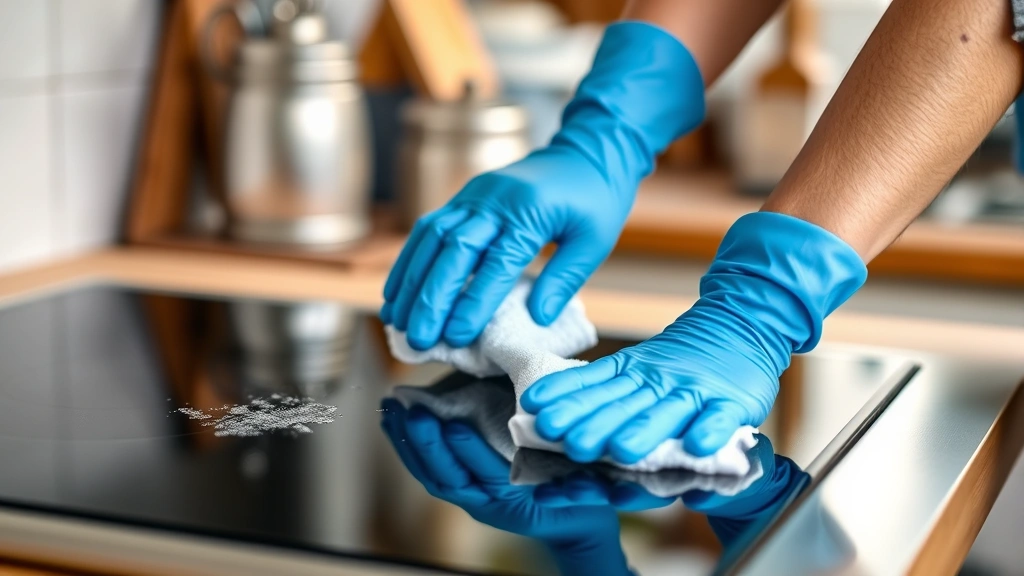
After your chosen cleaner sits for a minute or two, use a clean, damp microfiber cloth to wipe everything down. Use circular motions and don’t be shy about applying a little elbow grease here—you’re not going to scratch it with a soft cloth. Wipe in one direction to avoid streaks, then do a final pass with a dry cloth to buff away any remaining moisture and reveal the shine underneath.
The whole process from cool-down to final shine takes about 10-15 minutes for routine cleaning. Heavily soiled stoves might need 20-25 minutes, but it’s still faster than scrubbing a traditional range.
Prevent Future Buildup
The best cleaning is the one you don’t have to do. Here’s how to keep your glass top looking fresh longer:
- Wipe spills immediately – once the stove cools, of course. Fresh spills take seconds to clean; burnt-on messes take minutes.
- Use lids on pots and pans – reduces splattering dramatically. You know how long it takes water to boil, so cover it to speed things up and keep your stove cleaner.
- Keep burners dry – water spots happen, but moisture sitting on glass can leave mineral deposits. Quick wipe with a cloth prevents this.
- Use the right cookware – flat-bottomed pots and pans heat more efficiently and don’t tip or slide around as much.
- Weekly light cleaning – five minutes with a damp cloth once a week beats one massive cleaning session once a month.
Common Mistakes to Avoid
I’ve made most of these mistakes myself, so I’m sharing the lessons learned:
Cleaning a hot stove: Impatience leads to burns and potential glass damage. Wait those 15-20 minutes.
Using abrasive tools: Steel wool, scouring pads, and stiff brushes scratch glass permanently. Stick with soft cloths and plastic scrapers.
Applying cleaner to hot glass: Temperature shock can crack the surface. Always wait until it’s cool.
Ignoring the manual: Some glass cooktop manufacturers recommend specific products. Check your stove’s manual to avoid voiding any warranty.
Oversaturating with water: Excess moisture can seep into gaps around the burners and cause electrical issues. Use damp cloths, not soaking wet ones.
Scrubbing in circular motions on stubborn spots: This pushes grime around. Use directional strokes instead—push or pull, not circles.
Frequently Asked Questions
Can I use oven cleaner on my glass cooktop?
No. Oven cleaner is too harsh and can damage the glass surface and the heating elements beneath. Stick with gentler options like baking soda, vinegar, or products specifically designed for glass cooktops.

What’s the best commercial cleaner for glass cooktops?
Weiman Glass Cooktop Cleaner and Bar Keeper’s Friend are both solid choices. They’re affordable, effective, and widely available. Always follow the product instructions and make sure it’s specifically rated for your cooktop type.
How often should I clean my glass cooktop?
For best results, do a light wipe-down weekly and a thorough cleaning every two weeks. If you cook frequently or have spill-prone household members, you might need more frequent touch-ups. Daily spill cleanup prevents buildup though.
Will vinegar damage my glass cooktop?
No. Vinegar is safe for glass cooktops and actually helps cut through grease and mineral deposits. The smell is temporary and fades as it dries. Dilute it with water as recommended to avoid any issues.
Can I use a steam cleaner on glass cooktops?
Not recommended. Steam can seep into the gaps around burners and damage electrical components. Stick with manual cleaning methods using cloths and gentle cleaners.
What causes those white hazy spots on my glass top?
Usually mineral deposits from hard water or residue from cleaning products. A vinegar solution or a paste of baking soda and water removes these effectively. Regular wiping prevents them from building up.
Is it normal for my glass cooktop to have small scratches?
Minor hairline scratches are cosmetic and won’t affect performance. They’re hard to avoid completely with regular use. Deep scratches or cracks need professional repair or replacement though.
Can I cook on my cooktop right after cleaning it?
Yes, once it’s dry. Just make sure all moisture is gone before turning on the burners. A quick buff with a dry cloth ensures this. Some people prefer to wait a few minutes for complete air drying.
Pro tip: If you’re dealing with a really stubborn mess, check out resources like Family Handyman or This Old House for additional kitchen maintenance advice. The Bob Vila site also has solid appliance care guides worth bookmarking.
Final Thoughts
Knowing how to clean a glass top stove properly keeps your kitchen looking great and your appliance functioning smoothly for years. The five-step process is straightforward: cool down, remove debris, scrape stuck spots, apply cleaner, and polish. Most cleanings take 10-15 minutes, and the maintenance prevents expensive repairs down the road. Start with supplies you probably already have—baking soda and vinegar work just as well as anything else—and adjust your approach based on what you’re dealing with. Consistency beats intensity; regular light cleaning beats occasional heavy scrubbing. Your stove will look better, you’ll feel more in control of your kitchen, and you’ll actually look forward to cooking instead of dreading the cleanup.


