
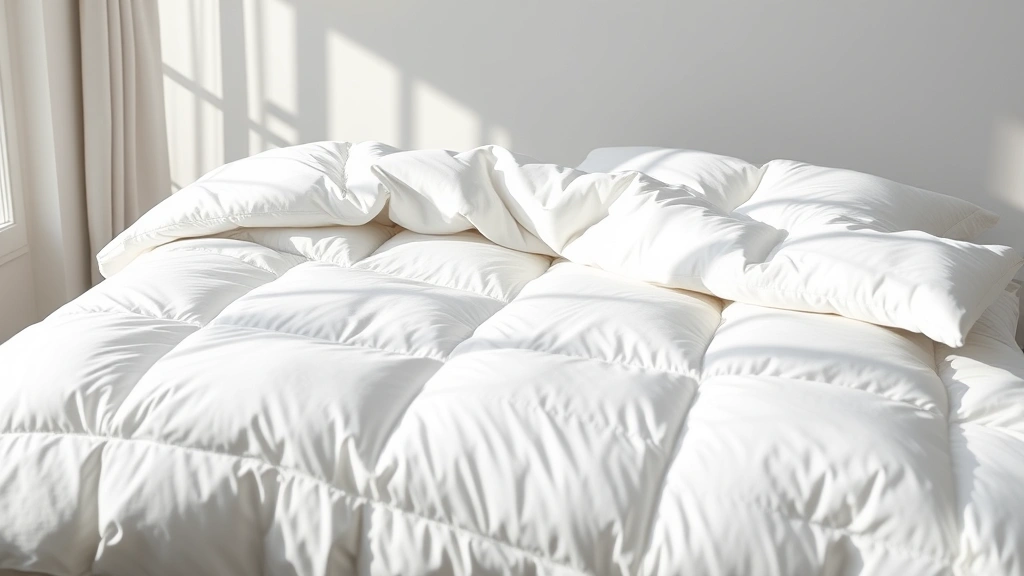
Learning how to clean a down comforter is one of those skills that’ll save you hundreds on replacement bedding and keep your sleep sanctuary fresh for years. Down comforters are an investment—they’re luxurious, warm, and built to last—but they need proper care to maintain that loft and performance. The good news? It’s not complicated, and you don’t need fancy equipment. I’m going to walk you through the exact process I use, from pre-wash inspection to drying techniques that’ll have your comforter feeling like new.
Table of Contents
Check the Care Label First
Before you do anything, flip that comforter over and find the care label. This is your blueprint. Manufacturers include specific instructions for a reason—they know their product’s limits. Some down comforters are machine washable, others require dry cleaning only, and some fall somewhere in between. If the label says dry clean only, respect that. If it’s machine washable, note the water temperature and cycle recommendations. I’ve seen people destroy quality comforters by ignoring this simple step, so don’t skip it.
Inspect for Damage or Stains
Look the entire comforter over under good lighting. Check for small holes, tears, or weak seams. Down feathers will escape through even tiny openings during washing, and you’ll end up with a deflated comforter and a washer full of feathers. If you spot damage, repair it first with needle and thread using a small ladder stitch—it takes five minutes and saves your comforter. For stains, identify what you’re dealing with. Fresh stains come out easier than set-in ones, so if you’ve got a coffee spill or similar, address it sooner rather than later. Pre-treat with a gentle stain remover, letting it sit for 15-20 minutes before washing.
Gather Your Cleaning Supplies
You’ll need a few specific items for success. Get a gentle, down-specific detergent—this matters because regular laundry detergent can strip the natural oils from down feathers and reduce loft. A large capacity washer is essential; a standard home machine won’t give your comforter enough room to move freely. If you don’t have access to a commercial washer, a laundromat with oversized machines is your best bet. You’ll also want wool dryer balls or clean tennis balls for the drying phase. Skip fabric softener and bleach entirely—they damage down. For hand washing, grab a large basin or bathtub and use the same gentle detergent.
Machine Wash Method
Load your comforter into a commercial-grade or extra-large capacity washer. Fill the machine about halfway—the comforter needs space to move. Use cold or warm water (check your care label), and add the recommended amount of down-specific detergent. Run a gentle or delicate cycle. This is not the time to use heavy-duty settings. The cycle should last 30-45 minutes. You want thorough cleaning without aggressive agitation that could damage the baffle box structure. Start the wash and let it do its thing. If you’re using a laundromat machine, many have a dedicated gentle cycle perfect for delicate items like down comforters.
Hand Wash Option
If you prefer a gentler approach or have a smaller comforter, hand washing works well. Fill your bathtub with lukewarm water and add a small amount of down-specific detergent. Submerge the comforter and gently press the soapy water through the fabric for 10-15 minutes. Don’t wring, twist, or scrub aggressively. Work in sections, paying extra attention to areas with stains or visible soil. Once you’ve worked through the whole comforter, drain the tub and refill with clean water for rinsing. This method takes longer but gives you complete control and is ideal for vintage or particularly delicate pieces.
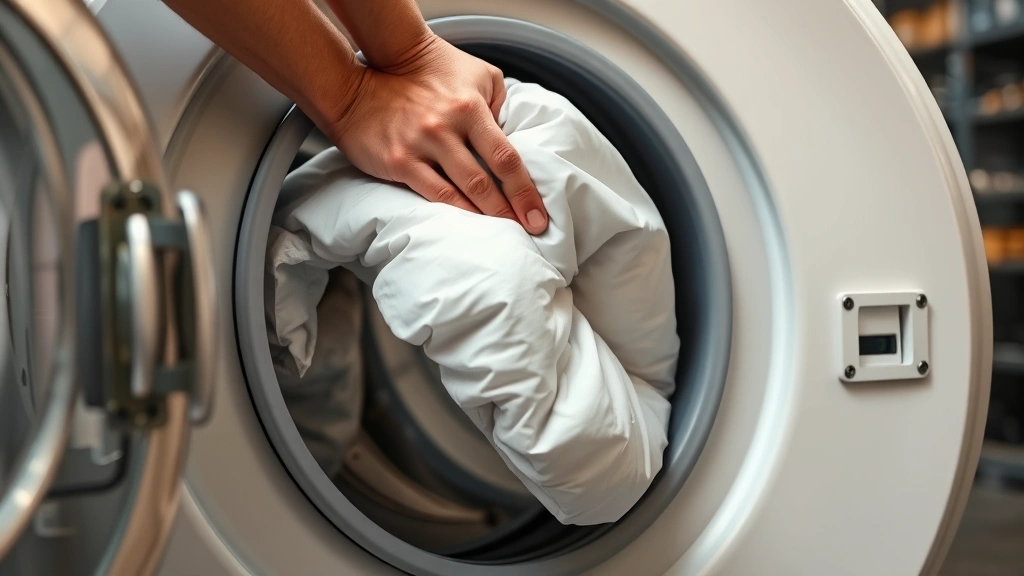
Rinse Thoroughly
Rinsing is where most people rush and regret it. Soap residue left in down will cause clumping and reduce loft permanently. If you’re machine washing, run at least two additional rinse cycles. Check the water after each cycle—it should be completely clear before you move to drying. For hand washing, drain and refill your tub 3-4 times, gently pressing clean water through the comforter each time. You’ll know you’re done when the water runs clear and you don’t see any soap suds. Yes, it takes time, but this step determines whether your comforter comes out fluffy or flat.
Drying Process Matters Most
This is the critical phase. Never hang-dry a down comforter—gravity will pull all the down to one end, creating permanent clumping. Instead, use a large capacity dryer on low heat. Add two wool dryer balls or clean tennis balls to the load; they’ll bounce around and break up clumps as the comforter dries. Run the dryer on the lowest heat setting available. The whole process takes 1-2 hours depending on your dryer’s size and power. Check progress every 20-30 minutes, removing the comforter to fluff it by hand and redistribute the down. This manual intervention is essential—it prevents the down from settling into one area. If your dryer has a “air dry” or “delicate” setting with no heat, use that instead. The goal is gentle, even drying that restores loft without heat damage.
Storage and Maintenance Tips
Once your comforter is completely dry and fluffy, store it properly to maintain that investment. Use a breathable cotton storage bag rather than plastic—down needs air circulation to stay fresh. A cedar chest or under-bed storage works great, but avoid plastic bins that trap moisture. Keep it away from direct sunlight and damp areas. For regular maintenance between washes, air your comforter outside in sunlight for a few hours every 6-12 months. Sunlight naturally refreshes down and kills odors without chemicals. Spot-clean small stains as they appear rather than waiting for a full wash. A mixture of gentle detergent and water applied with a soft cloth works for most minor marks. Vacuum the surface occasionally with an upholstery attachment to remove dust and skin cells that accumulate over time.
Frequently Asked Questions
Can I wash a down comforter in my home washing machine?
It depends on your machine’s capacity. Standard home washers are too small and won’t allow proper cleaning or rinsing. Commercial machines or oversized capacity models work, but if you have a regular machine, the laundromat is your better option. Cramming a comforter into a small washer leads to incomplete cleaning and potential damage.
How often should I wash my down comforter?
Once or twice per year is typical for most people. If you use a duvet cover (which I recommend), you’re protecting the comforter and can wash less frequently. Allergy sufferers or people in humid climates might wash more often. Spot-clean stains as they happen rather than waiting for a full wash.

What temperature water should I use?
Cold or warm water both work well. Check your care label for the manufacturer’s recommendation. Warm water (around 85-90°F) can be slightly more effective at removing soil, but cold water is gentler on the down and uses less energy. Avoid hot water, which can damage feathers and reduce loft.
Why is my comforter still clumpy after drying?
Inadequate rinsing or insufficient drying are the main culprits. Soap residue causes permanent clumping that no amount of fluffing will fix. Make sure you’re doing multiple rinse cycles until water runs completely clear. During drying, manually fluff every 20-30 minutes and ensure you’re using low heat with dryer balls to break up clumps as they form.
Can I use regular laundry detergent?
Technically yes, but I don’t recommend it. Regular detergent is harsher and can strip natural oils from down feathers, reducing loft and warmth. Down-specific detergents are formulated to clean while preserving the feathers’ natural properties. The small extra cost is worth it for the better results and longer comforter lifespan.
Final Thoughts
Cleaning a down comforter isn’t rocket science, but it does require patience and attention to detail. The key takeaway: use gentle products, provide plenty of rinsing, and dry low and slow with manual fluffing. When you follow these steps, your comforter will come out looking and feeling like the day you bought it. I’ve been using the same down comforter for eight years following this process, and it’s still fluffy and warm. That’s the kind of longevity you get when you treat your bedding right. Your sleep quality and your wallet will both thank you.


