
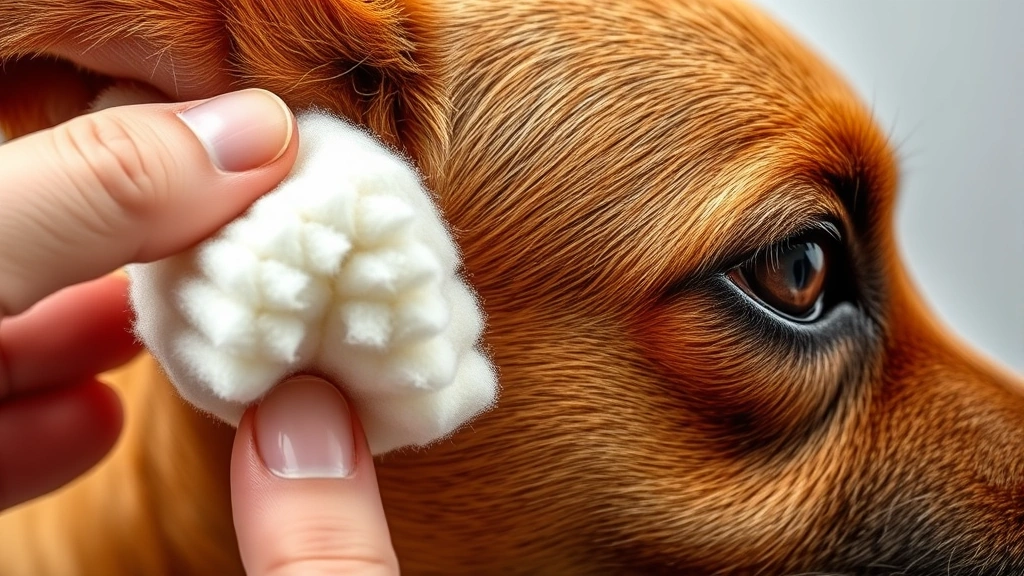
Learning how to clean a dog’s ears is one of those pet care skills that separates the casual dog owner from someone who really takes charge of their pup’s health. Most folks don’t think about ear cleaning until their dog starts scratching like crazy or you catch a whiff of something funky. But here’s the thing—regular ear maintenance prevents infections, reduces odor, and keeps your dog comfortable. I’m going to walk you through exactly what you need to do, what tools matter, and how to handle a dog that’s not thrilled about the process.
Table of Contents
Why Dog Ears Matter
Dog ears are basically warm, moist caves—perfect breeding grounds for bacteria and yeast if you’re not paying attention. Unlike human ears, a dog’s ear canal is L-shaped, which means debris and moisture get trapped down there. This is especially true for dogs with floppy ears like Labs, Spaniels, and Beagles. Even short-eared breeds benefit from regular cleaning. The American Veterinary Medical Association recommends checking your dog’s ears weekly, and cleaning them as needed based on what you find. Think of it like maintaining your car—a little preventive work saves you from expensive repairs later.
Gather Your Supplies First
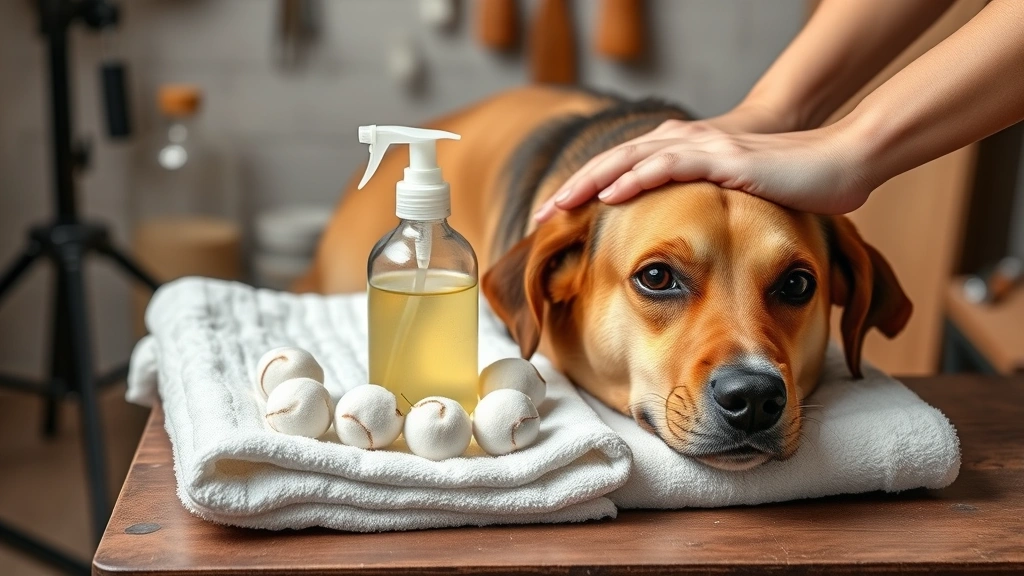
Before you even think about touching your dog’s ears, get your toolkit ready. You’ll need a dog ear cleaning solution (your vet can recommend one, or you can use a gentle commercial product), cotton balls or gauze pads, and possibly some treats for positive reinforcement. Skip the cotton swabs—they push debris deeper into the canal instead of removing it. A towel nearby helps contain the mess because once you start loosening that wax, it comes out. Some folks use a warm compress first to soften buildup, which honestly makes the whole process easier. Having everything within arm’s reach means you won’t fumble around and frustrate your dog.
Inspect Before You Start
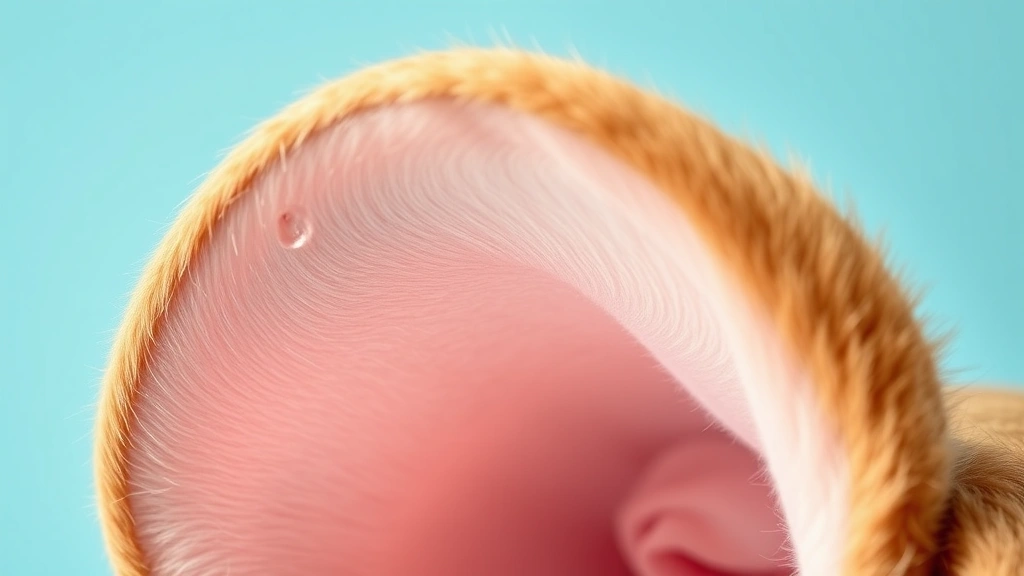
Take a good look inside your dog’s ear before you do anything. A healthy ear is light pink, relatively dry, and doesn’t smell bad. If you see redness, swelling, dark crusty stuff, or smell something funky, that’s a sign of infection—call your vet before cleaning. You don’t want to mess with an active infection because it can be painful and you might push bacteria deeper. Sometimes what looks like normal wax buildup is actually yeast or a bacterial infection that needs medication first. This inspection step takes 30 seconds and saves you from making things worse.
Step-by-Step Cleaning Process
Here’s where the actual work happens. Start by having your dog in a comfortable position—sitting or lying down, whatever they prefer. Gently pull the ear flap up and back to open the canal. Fill the ear with cleaning solution—don’t be shy, you want it to reach down into the canal. Now massage the base of the ear gently for about 30 seconds. You’ll hear a squelching sound, which means the solution is breaking up the buildup. Let your dog shake their head (and they will, so expect a mess). After they shake, use cotton balls to gently wipe out the loosened debris. Go in with the cotton ball on your finger, not jamming it deep—you’re scooping out what’s already loose, not fishing around in there.
Proper Drying Technique
This step gets overlooked but it’s crucial. Any moisture left in the ear creates the perfect environment for infection. After you’ve wiped out the solution and debris, use dry cotton balls to absorb remaining moisture. Some people use a blow dryer on the cool setting held several inches away, but honestly cotton works fine for most dogs. The goal is to get the ear canal dry without introducing new moisture. If your dog has really hairy ears, you might need to gently pluck a few hairs from inside the ear to improve air circulation—this is optional and only if the hair is really dense.
Frequency and Prevention Tips
How often you clean depends on your dog. Dogs with floppy ears need it more frequently—maybe weekly or every other week. Short-eared dogs might only need monthly cleaning. Dogs that swim or spend time in water need more frequent attention. The best approach is to check weekly and clean when you see buildup. Prevention matters too: keep your dog’s ears dry after baths or swimming, avoid getting water in them during grooming, and consider a preventive ear powder if your vet recommends it. Regular grooming and a healthy diet also help reduce ear issues. If you’re wondering how often to feed a puppy, good nutrition supports immune function which helps prevent ear problems too.
Warning Signs to Watch
Know when to call the vet instead of cleaning at home. If your dog is constantly scratching, shaking their head, or yelping when you touch their ears, there’s likely an infection. Bad odor, discharge (especially dark or yellowish), redness, or swelling all mean vet visit. Some infections need prescription medication, and cleaning at home without treating the underlying problem is pointless. Also watch for behavioral changes—if your dog suddenly seems off-balance or tilts their head consistently, that can indicate an inner ear infection. Don’t wait on these signs.
Common Mistakes to Avoid
The biggest mistake is using cotton swabs, which I mentioned but it bears repeating. They push stuff deeper. Another common error is cleaning too aggressively or going too deep into the canal—you can damage the eardrum. Some people use water or saline instead of proper ear cleaning solution, which doesn’t break up wax as effectively. Not drying thoroughly is another setup for infection. And finally, people sometimes ignore early signs of infection because they think regular cleaning will fix it. Cleaning maintains healthy ears; it doesn’t cure infections. That’s what antibiotics are for.
Frequently Asked Questions
How often should I clean my dog’s ears?
Check weekly and clean as needed based on what you find. Dogs with floppy ears typically need weekly or bi-weekly cleaning. Short-eared dogs might only need monthly attention. Ask your vet for specific recommendations based on your breed.
Can I use human ear cleaning drops on my dog?
No. Human products have different pH levels and ingredients that can irritate a dog’s ear canal. Use products specifically formulated for dogs, which your vet can recommend.
What if my dog won’t sit still?
Start with treats and positive reinforcement. Make it a calm experience, not a wrestling match. Some dogs respond better to cleaning when they’re tired. If your dog is really resistant, your vet can do it during a regular visit.
Is it normal for dogs to shake their heads after cleaning?
Absolutely. That’s actually helpful—they’re getting the remaining solution and loosened debris out. Just do it in a space where you don’t mind getting wet.
What’s the difference between wax buildup and infection?
Healthy wax is light colored and doesn’t smell. Infection presents as dark crusty buildup, redness, swelling, discharge, or bad odor. When in doubt, have your vet look at it.
Can I prevent ear infections entirely?
You can reduce risk significantly with regular cleaning and maintenance, but some dogs are prone to ear issues due to breed, allergies, or other factors. Work with your vet on a prevention plan.
Final Thoughts
Learning how to clean a dog’s ears properly takes maybe 15 minutes total once you’ve got the routine down. It’s one of those skills that pays dividends in your dog’s comfort and health. Most dogs tolerate it fine once they realize it’s not painful, especially if you make it a positive experience with treats and a calm approach. Start early with puppies so they get used to it, and you’ll have an easier time as they age. Keep an eye out for signs of infection, stick to a regular schedule, and don’t hesitate to call your vet if something seems off. Your dog will thank you with healthy, itch-free ears and better overall health. For more pet care tips, check out resources on the American Veterinary Medical Association website and consult with Family Handyman for general pet maintenance guides.


