
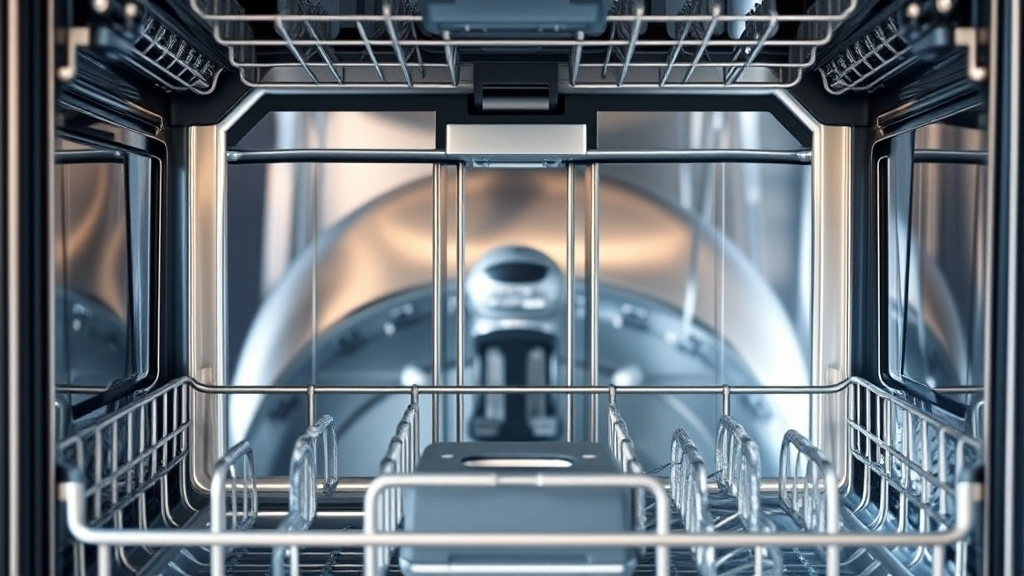
Learning how to clean a dishwasher is one of those tasks that seems simple until you realize how much gunk builds up inside. Your dishwasher works hard every day, spraying water and detergent to clean your dishes, but nobody thinks about cleaning the machine itself. Over time, food particles, grease, and mineral deposits accumulate in the filter, spray arms, and interior walls—turning your sparkling appliance into a bacteria breeding ground. The good news? It takes about 30 minutes and some basic household items to get your dishwasher running like new again.
Table of Contents
Why Your Dishwasher Needs Cleaning
Think of your dishwasher like any other appliance—it needs maintenance to perform its best. Every time you run a cycle, tiny food particles escape the filter and settle in corners, crevices, and along the spray arms. Over weeks and months, this buildup creates a biofilm that traps bacteria and causes odors. Plus, mineral deposits from hard water can clog the spray arm nozzles, reducing water pressure and leaving dishes less clean. When you’re dealing with appliance maintenance, understanding timing and processes helps you plan your cleaning schedule effectively. A clean dishwasher isn’t just about hygiene—it’s about efficiency and longevity. Regular cleaning prevents costly repairs down the road and keeps your dishes actually getting clean.
Gather Your Supplies
You don’t need fancy commercial cleaners for this job. Raid your pantry and under-sink cabinet for these essentials:
- White vinegar (the MVP of appliance cleaning)
- Baking soda (for scrubbing power)
- Dish soap (for cutting grease)
- Rubber gloves (keep your hands clean)
- Old toothbrush or small brush (gets into tight spots)
- Clean cloth or sponge (for wiping)
- Flashlight (optional but helpful for spotting gunk)
That’s it. No toxic fumes, no expensive products. Just natural ingredients that work better than you’d expect. The beauty of using vinegar and baking soda is that they’re safe around food and won’t damage your dishwasher’s interior or seals.
Clean the Filter Basket
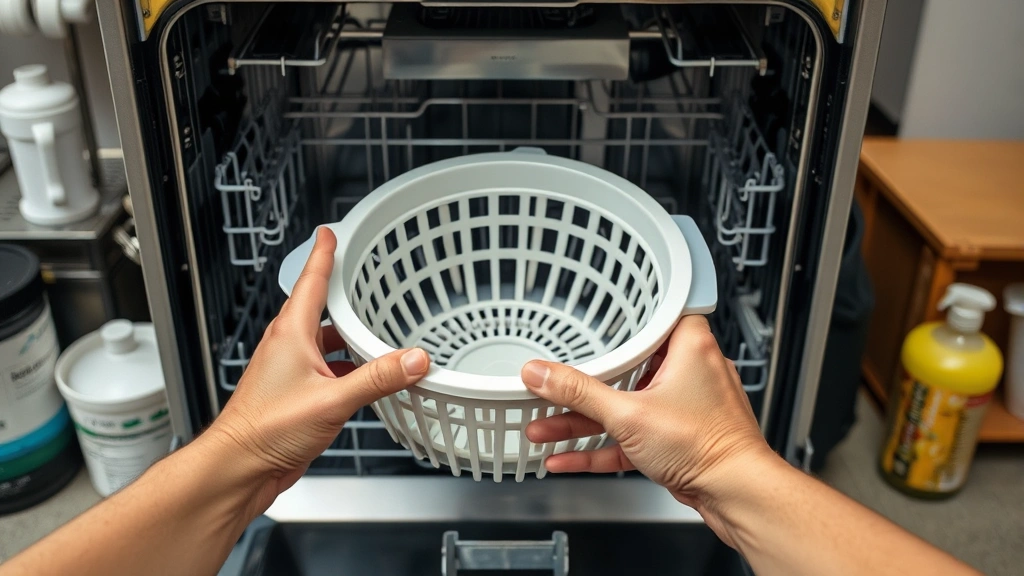
Start by pulling out the filter basket—usually located at the bottom of the dishwasher. This is ground zero for food particle accumulation. Remove any visible debris by hand (wear gloves if you’re squeamish). Then rinse it under hot running water while scrubbing with your fingers or a brush to dislodge stuck-on food and slime.
For stubborn buildup, soak the filter in hot water mixed with a squirt of dish soap for 15 minutes. Use your old toothbrush to scrub around the mesh and edges. Pay special attention to the underside—that’s where bacteria love to hide. Rinse thoroughly until the water runs clear, then set it aside to dry before reinserting.
While you’re down there, check the filter housing (the area where the filter sits) for debris. Wipe it out with a damp cloth. This prevents food from accumulating again immediately after cleaning.
Inspect and Clean Spray Arms
The spray arms are your dishwasher’s water delivery system, and they’re notorious for clogging. Most dishwashers have two spray arms—one on top and one on the bottom (or a rotating arm in the center, depending on your model). Remove them by twisting counterclockwise or pressing release tabs, depending on your machine.
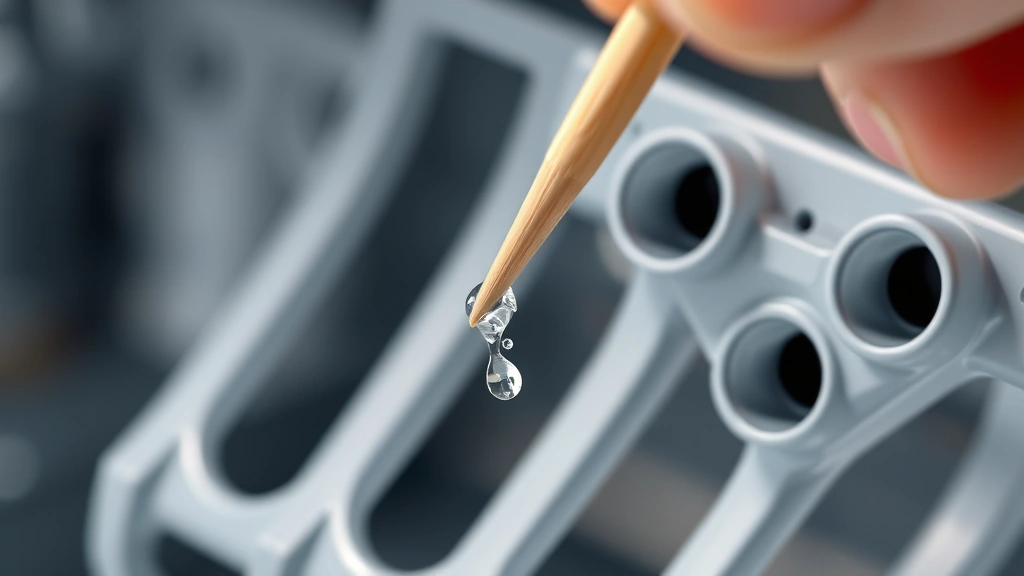
Hold each arm up to a light and look through the spray nozzle holes. You’ll probably see mineral deposits or food particles blocking them. Use a straightened paperclip or wooden toothpick to carefully poke through each hole, dislodging the blockage. Don’t use metal picks—they can damage the nozzles. Soak the arms in hot vinegar for 30 minutes to dissolve mineral deposits, then scrub with your toothbrush and rinse completely.
Reinstall the spray arms, making sure they rotate freely without hitting the dishwasher walls or racks. This is crucial for proper cleaning performance.
Run a Vinegar Cleaning Cycle
Now for the deep clean. Place a bowl filled with 2 cups of white vinegar on the top rack of your empty dishwasher. Run the hottest water cycle available (usually the sanitize or pots-and-pans setting). The vinegar will circulate through the entire machine, dissolving mineral deposits, cutting through grease, and killing odor-causing bacteria.
This cycle does the heavy lifting. The heat and vinegar combination is incredibly effective at breaking down buildup that manual scrubbing can’t reach. You’ll notice the interior looking brighter and smelling fresher after this step. If your dishwasher has a particularly strong odor, let the vinegar sit inside for 20 minutes before running the cycle.
Use Baking Soda for Extra Power
After the vinegar cycle completes, sprinkle a cup of baking soda across the bottom of the empty dishwasher. Run another hot cycle (regular wash is fine this time). The baking soda acts as a gentle abrasive, scrubbing away remaining residue and neutralizing odors. This two-punch combination of vinegar followed by baking soda is far more effective than using either alone.
The baking soda also helps polish the interior, leaving it looking cleaner and brighter. You might see some residual powder at the bottom after this cycle—that’s normal and nothing to worry about. Just wipe it out with a damp cloth.
Wipe Down Interior Walls
For the final polish, manually wipe down the interior walls, door seals, and corners with a damp cloth. This removes any remaining dust or debris and gives you a chance to inspect for mold or mildew growth. Pay special attention to the rubber gaskets around the door—they trap moisture and can develop mold if not cleaned regularly.
If you spot mold, mix equal parts vinegar and water in a spray bottle and spray the affected area. Let it sit for 15 minutes, then scrub with your toothbrush and wipe clean. This prevents future mold problems and keeps your dishwasher hygienic.
Maintenance Tips for Longevity
Now that your dishwasher is sparkling, keep it that way with these simple habits:
- Rinse dishes before loading to reduce food particle buildup
- Clean the filter weekly by removing visible debris
- Run a full cleaning cycle monthly using the vinegar-and-baking-soda method
- Check spray arm nozzles monthly for clogs
- Wipe door seals regularly to prevent mold growth
- Leave the door open after cycles to allow moisture to evaporate
These habits take minimal effort but dramatically extend your dishwasher’s lifespan and performance. Think of it like brushing your teeth—daily maintenance prevents major problems. Much like replacing a key fob battery is easier than replacing an entire fob, preventative dishwasher maintenance is easier than dealing with a broken machine.
Final Thoughts
Cleaning your dishwasher isn’t complicated, but it’s often overlooked. By following these five essential steps—cleaning the filter, inspecting spray arms, running vinegar and baking soda cycles, and wiping the interior—you’ll restore your dishwasher to like-new condition. The entire process takes about an hour (mostly hands-off machine time) and costs just a few dollars in vinegar and baking soda. Your dishes will come out cleaner, your machine will run more efficiently, and you’ll eliminate funky odors that plague neglected dishwashers. Make it a monthly habit and you’ll never deal with a grimy dishwasher again.
Frequently Asked Questions
How often should I clean my dishwasher?
Run a full vinegar-and-baking-soda cleaning cycle once a month for normal use, or every two weeks if you run your dishwasher daily. Clean the filter basket weekly by removing visible debris. This preventative approach keeps your machine running smoothly and prevents odor buildup.
Can I use bleach instead of vinegar?
No. Bleach can damage rubber seals and internal components of your dishwasher, and it’s not necessary. Vinegar is gentler, equally effective, and won’t harm your machine. Stick with vinegar for safe, reliable cleaning.
Why does my dishwasher smell bad?
Odors come from trapped food particles and bacteria in the filter, spray arms, and door seals. The vinegar cleaning cycle eliminates these odors by killing bacteria and dissolving the biofilm that harbors them. If odors return quickly, you may need to rinse dishes more thoroughly before loading or clean more frequently.
What if my dishwasher still has spots after cleaning?
Spots are usually mineral deposits from hard water. Run the vinegar cycle again, or use a commercial rinse aid designed for hard water areas. You can also try soaking the spray arms in vinegar longer (overnight) before reinstalling them.
Is it safe to use vinegar in my dishwasher?
Yes, absolutely. Vinegar is food-safe and commonly recommended by appliance manufacturers for cleaning dishwashers. It won’t damage seals, spray arms, or interior surfaces. The smell dissipates quickly after the cycle completes.
Can I clean my dishwasher with dishes inside?
No. Always run cleaning cycles with an empty dishwasher. The vinegar and baking soda need to circulate freely throughout the machine to be effective. Plus, vinegar can affect certain dish finishes, so it’s best to keep them out during the cleaning process.


