
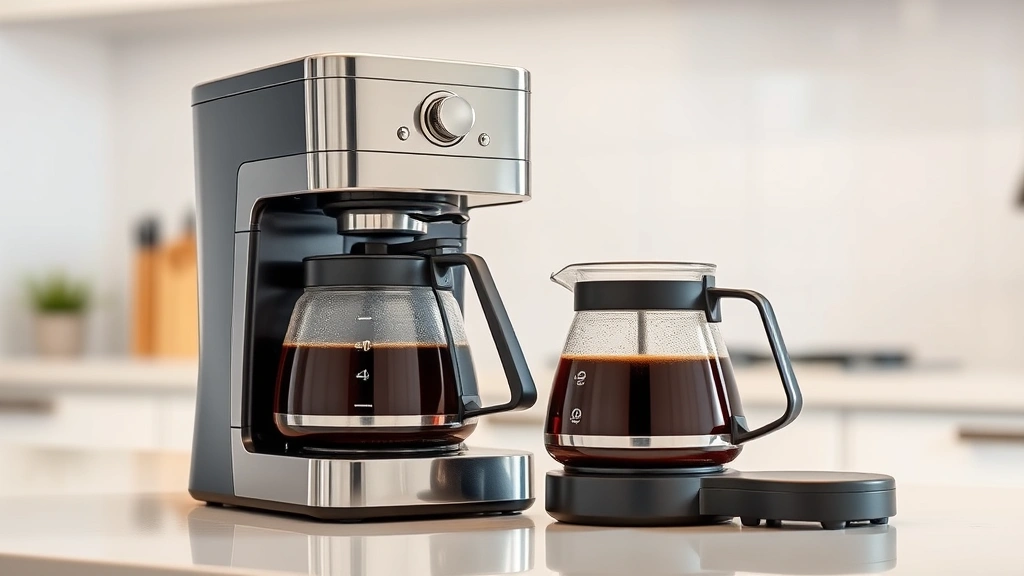
Learning how to clean a coffee maker is one of those simple maintenance tasks that’ll save you money, extend your machine’s life, and most importantly, keep your morning brew tasting fresh instead of like yesterday’s socks. Most people ignore this chore until their coffee tastes off or the machine starts acting weird. Don’t be that person.
Table of Contents
Why Regular Cleaning Matters
Your coffee maker is basically a water heating and filtering machine, which means mineral deposits, old coffee oils, and bacteria love hanging out inside. Over time, these buildup culprits slow down your machine and create a breeding ground for mold. When you don’t clean regularly, your coffee tastes stale and bitter—not the morning pick-me-up you deserve. Plus, a well-maintained coffee maker runs more efficiently and heats water faster. Think of it like changing your car’s oil; a little preventive work saves big headaches later.
The National Coffee Association recommends cleaning your coffee maker at least once a month, though if you have hard water, you might need to do it more frequently. Hard water leaves behind calcium deposits that accumulate faster than you’d think.
Gather Your Cleaning Supplies
You don’t need fancy equipment to get the job done right. Here’s what you’ll actually use:
- White vinegar – Your best friend for dissolving mineral deposits
- Distilled water – Prevents additional mineral buildup during cleaning
- Baking soda – Great for scrubbing stubborn stains
- Soft-bristled brush – Won’t scratch your machine’s interior
- Dish soap – Regular stuff works fine; skip the fancy brands
- Paper filters or mesh filter – Depending on your machine type
- Microfiber cloth – Better than paper towels for drying
If you want a commercial descaling solution, that works too, but honestly, vinegar does the same job for pennies. Many people use the same cleaning approach they’d use when learning how to install a garburator—start simple before getting fancy.
The Descaling Process Explained
Descaling is the heavy-duty cleaning that tackles mineral buildup inside your machine. Here’s the step-by-step process:
Step 1: Fill the Water Reservoir
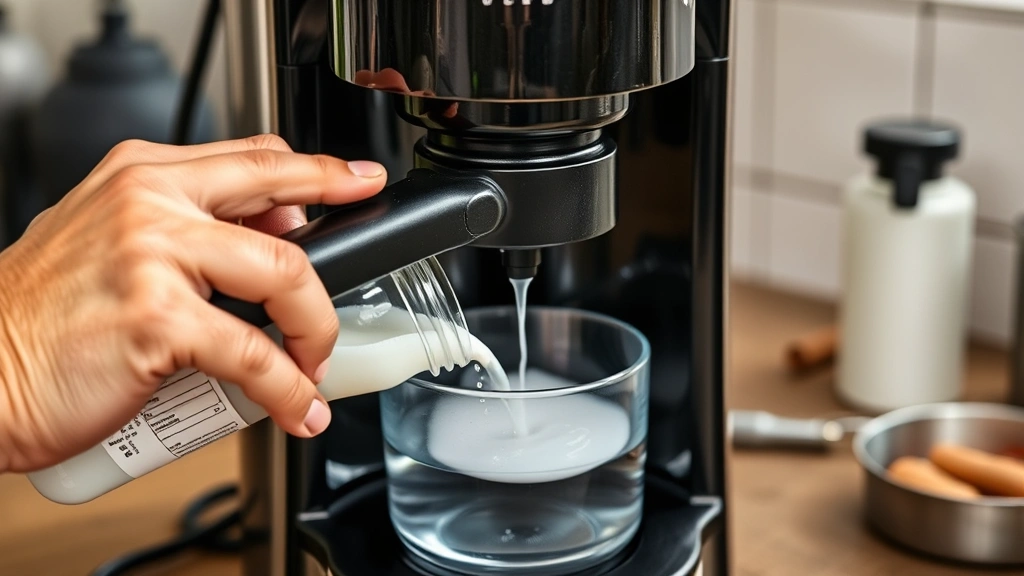
Mix equal parts white vinegar and distilled water. For a standard 12-cup coffee maker, you’ll need about 6 cups of vinegar and 6 cups of water. Pour this mixture into your water reservoir like you’re making a regular pot of coffee.
Step 2: Run the Brew Cycle
Place an empty carafe under the filter basket (no filter needed) and start the brew cycle. Let it run halfway through, then turn off the machine. This gives the vinegar solution time to sit and work on those mineral deposits. Wait about 15 minutes while the solution soaks inside the machine.
Step 3: Complete the Cycle
Turn the machine back on and let it finish brewing. The vinegar solution will drip into your carafe. This is where the real cleaning happens—that acidic vinegar dissolves calcium and magnesium deposits that have built up over months of use.
Step 4: Run Fresh Water Cycles
Empty the carafe and run at least two full cycles with just distilled water. This rinses out all the vinegar smell and taste. Some machines need three water cycles to completely eliminate the vinegar. Your nose will tell you when you’re done—no more vinegar smell means you’re good.
Step 5: Clean the Carafe and Filter Basket
While the machine is running those water cycles, wash your carafe and filter basket with warm soapy water. Use a soft brush to scrub the inside of the carafe where coffee oils accumulate.
Daily Maintenance Routine
You don’t need to descale every single day, but you should do basic maintenance after each use. Rinse out the carafe immediately after pouring your coffee—dried coffee is a nightmare to scrub later. Empty the filter basket and toss the used filter. Wipe down the exterior with a damp cloth to keep it looking sharp.
Once a week, run a deeper clean by washing all removable parts with hot soapy water. This prevents oil buildup that affects flavor. If your machine has a reusable mesh filter, make sure you’re cleaning it thoroughly; trapped coffee grounds create a breeding ground for bacteria and mold.
Think of this like how you’d approach the how to clean a mouse pad routine—small regular efforts beat one massive cleanup session.
Replace Filters Regularly
Paper filters should be replaced after each brew cycle—that’s literally their job. But if you’re using a permanent mesh filter, you need to clean it properly. Mesh filters can trap fine coffee particles that affect water flow and flavor extraction.
Rinse your mesh filter under hot running water after each use, then soak it in hot water with a bit of dish soap once a week. For stubborn buildup, use a soft-bristled brush to gently scrub the mesh. Replace mesh filters every 6-12 months depending on usage, as they eventually wear out and let more sediment through.
Some people swear by soaking mesh filters in baking soda solution overnight once a month to keep them fresh and prevent odors.
Deep Clean the Carafe
The carafe is where stains love to hide. If you’ve got stubborn brown stains that won’t come off with regular washing, here’s your fix:
Mix baking soda with a little water to create a paste. Scrub the inside of the carafe with this paste using a soft brush or cloth. The mild abrasive action of baking soda removes stains without scratching glass. For really tough stains, fill the carafe with hot water, add two tablespoons of baking soda, and let it soak for 30 minutes before scrubbing.
Another option is to fill the carafe with equal parts vinegar and water, let it sit for an hour, then scrub. Vinegar dissolves mineral deposits and stains simultaneously. Rinse thoroughly with hot water afterward.
Common Problems Solved
Your coffee maker might be telling you something’s wrong. Slow brewing usually means mineral buildup blocking the water flow—time for a descaling session. Weak or cold coffee could indicate a clogged heating element or spray head. Run a vinegar cycle to clear it out.
If your machine is leaking, check the seal around the carafe and the water reservoir. These rubber gaskets wear out and need replacement. Most manufacturers sell replacement parts cheaply.
Mold or mildew smell means bacteria has colonized inside. This requires immediate deep cleaning with vinegar and multiple water rinses. If the smell persists, you might need to replace the machine or contact the manufacturer for internal cleaning instructions.
For reference, if you ever need to troubleshoot other household appliances, the same methodical approach applies—start with the simplest solution before escalating to replacements.
Prevention Tips for Longevity
Use distilled or filtered water instead of tap water. Hard tap water accelerates mineral buildup significantly. If you live in an area with particularly hard water, you might need to descale every two weeks instead of monthly.
Empty the water reservoir after each use if you won’t be using the machine for more than a day or two. Stagnant water breeds bacteria and mold faster than you’d think. Store your machine in a dry location away from humidity.
Keep the machine unplugged when cleaning or descaling. Never submerge the main unit in water—only the carafe and filter basket should be washed this way. Always refer to your manufacturer’s manual for specific cleaning guidelines, as some machines have special requirements.
Consider keeping a maintenance log where you note when you last descaled. This simple habit prevents the “did I clean this last month?” confusion and keeps your machine running like new.
Frequently Asked Questions
How often should I descale my coffee maker?
Most manufacturers recommend descaling monthly, but if you have hard water, every two weeks is better. If you use filtered or distilled water, once every six weeks might be sufficient. Watch for slower brewing as your signal that it’s time.
Can I use regular tap water for descaling?
You can, but distilled water is better because it won’t add more minerals to the equation. If tap water is all you have, it’ll still work—the vinegar does most of the heavy lifting anyway.
Is vinegar safe for all coffee makers?
Yes, white vinegar is safe for virtually all coffee makers. However, some newer machines have specific descaling solutions recommended by the manufacturer. Check your manual first. If you’re unsure, a small vinegar test run won’t hurt anything.
Why does my coffee taste like vinegar after cleaning?
You didn’t run enough water cycles afterward. Run at least two to three full cycles with just distilled water until you can’t smell vinegar anymore. If the taste persists, run one more cycle.
Can I clean my coffee maker with baking soda alone?
Baking soda is great for scrubbing and odor removal, but it won’t dissolve mineral deposits like vinegar does. Use baking soda for surface cleaning and stain removal, but rely on vinegar for descaling.
What if my coffee maker is leaking after cleaning?
Make sure you reassembled everything correctly and the rubber gaskets are seated properly. Check that the carafe is positioned correctly on the warming plate. If leaking continues, the gaskets might need replacement.
Is it safe to drink water from a freshly descaled machine?
Not immediately. Always run at least two full water cycles after descaling before making coffee. This removes all vinegar residue. Your taste buds will tell you when it’s safe—if you can smell or taste vinegar, run more water cycles.
Wrapping It Up
Learning how to clean a coffee maker isn’t rocket science, but it’s one of those maintenance tasks that pays dividends. You’ll get better-tasting coffee, a machine that runs faster, and peace of mind knowing you’re not brewing bacteria soup every morning. The whole process takes maybe 20 minutes once a month, which is a small price for keeping your favorite appliance in top shape.
Start with a simple vinegar descaling this weekend, and you’ll immediately notice the difference in your morning cup. Your taste buds will thank you, and your coffee maker will keep running strong for years to come. For more household maintenance tips, check out resources like Family Handyman, This Old House, and Bob Vila for expert guidance on keeping all your appliances in working order.


