
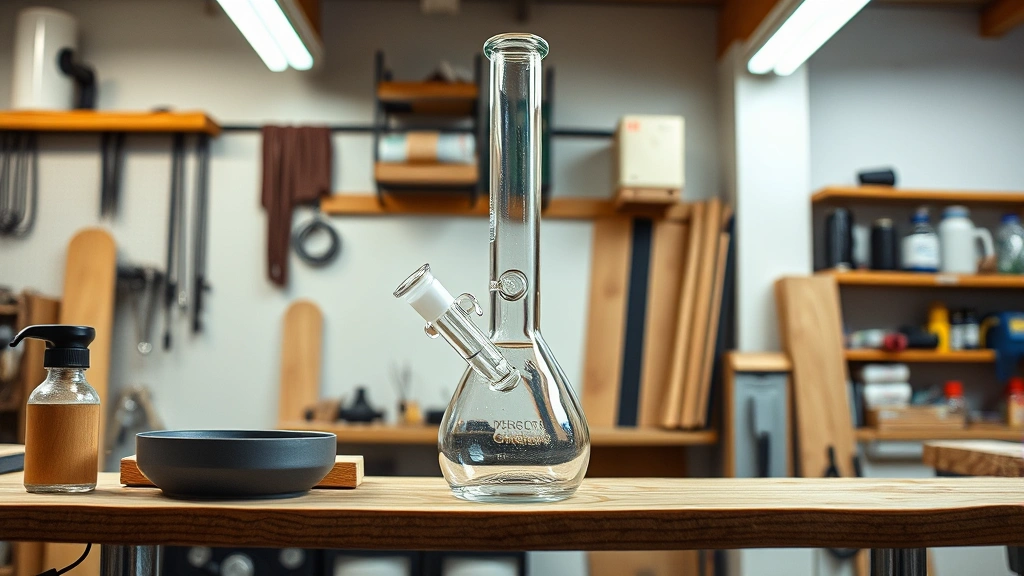
Learning how to clean a bong properly is one of those skills that separates casual users from people who actually take pride in their gear. A clean bong hits better, tastes better, and lasts way longer than one that’s been neglected. Think of it like maintaining any piece of equipment you care about—regular cleaning prevents buildup, keeps everything functioning smoothly, and honestly, it just feels better to use something that’s spotless.
Table of Contents
Why Regular Cleaning Matters
Here’s the thing about bongs—they accumulate residue fast. Every session leaves behind tar, ash, and mineral deposits that build up over time. Not only does this gunk look gross, it actually affects your experience. A dirty bong tastes stale, the smoke gets harsher, and you’re basically inhaling through a filter that’s clogged with yesterday’s sessions. Plus, bacteria and mold can grow in standing water, which is honestly kind of nasty when you think about it.
Regular cleaning—ideally after every few uses—keeps your piece fresh and functional. It’s not about being obsessive; it’s about respecting your equipment and yourself. Most people find that spending 10 minutes on maintenance beats dealing with stubborn, crusty buildup later.
Gather Your Cleaning Supplies
You don’t need fancy commercial cleaners to get professional results. Your basic arsenal should include:
- Isopropyl alcohol (90% concentration or higher—the higher the better)
- Coarse salt (rock salt or sea salt works great)
- Pipe cleaners or small brushes (the kind used for straws are perfect)
- Hot water (not boiling, just hot from the tap)
- Paper towels or clean rags
- Rubber gloves (optional but smart)
- Resealable plastic bags (for soaking smaller pieces)
That’s it. You’ve probably got most of this stuff already. If you want to get fancy, some people swear by specialized bong cleaners, but honestly, the salt-and-alcohol combo is the gold standard for a reason—it works, it’s cheap, and it’s been proven effective for decades.
Empty and Initial Rinse
Start by dumping out any old water. Don’t let it sit—that stagnant water is where bacteria party. Once it’s empty, run hot water through the entire piece. This initial rinse loosens up fresh residue and gives you a baseline to work with. Pay special attention to the bowl and the downstem, where most of the buildup happens.
Tilt and rotate your bong under the running water to hit all the angles. You’ll probably notice some stuff coming loose already. That’s good—it means you’re on the right track. If you’ve got stubborn chunks, a quick tap against the sink can dislodge them, but be gentle. These things break easier than you’d think.
Salt and Alcohol Method
This is where the magic happens. Fill your bong about one-third full with isopropyl alcohol. Add a generous handful of coarse salt—we’re talking enough that you’d see crystals coating the inside. The salt acts as an abrasive scrubbing agent while the alcohol dissolves the tar and resin.
Plug the holes with your hands or rubber stoppers (or just cover them carefully) and shake. Shake hard. This isn’t the time to be gentle. You want that salt moving around, scrubbing every surface. Shake for a solid minute, rotating the bong so the mixture hits the bowl, the downstem, and the main chamber. You’ll feel the salt grinding against the glass—that’s exactly what you want.
Let it sit for 15-30 minutes if you’ve got heavy buildup. The alcohol is working overtime, breaking down stubborn deposits. During this time, you can tackle the smaller pieces—the bowl and downstem—using the same method in a plastic bag or small container.
Scrub and Soak Technique
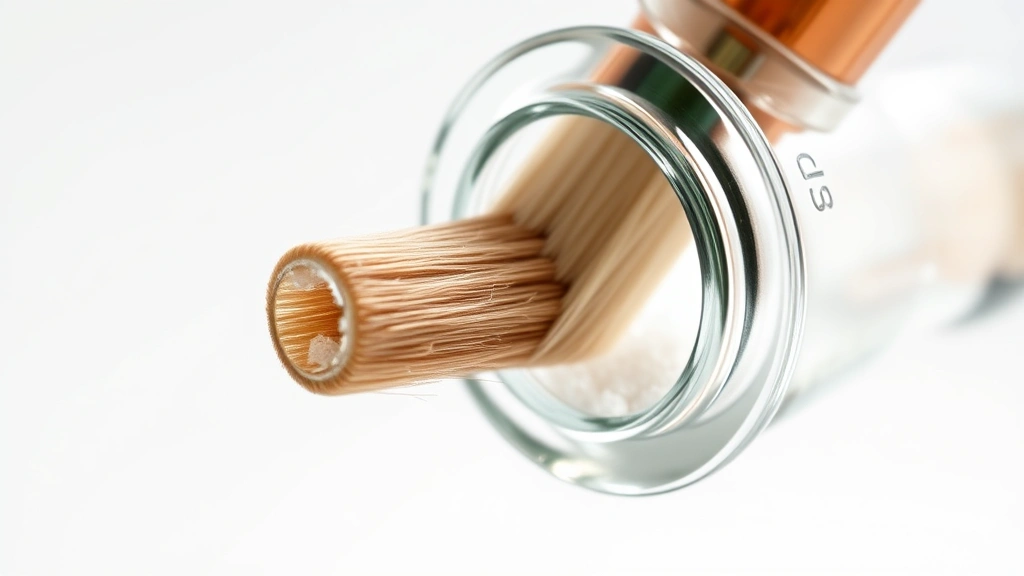
After soaking, grab your pipe cleaners or small brushes and get into the tight spots. The downstem is where most people miss spots, so pay attention there. Twist the brush around, push it in and out, really work it. You’re not trying to be gentle anymore—you’re trying to be thorough.
For the bowl, use a larger brush or even an old toothbrush. Don’t worry about scratching it; you’re using a brush, not steel wool. Work the alcohol and salt combo into every crevice. If you’ve got really stubborn spots, let it soak another 10 minutes and come back to it.
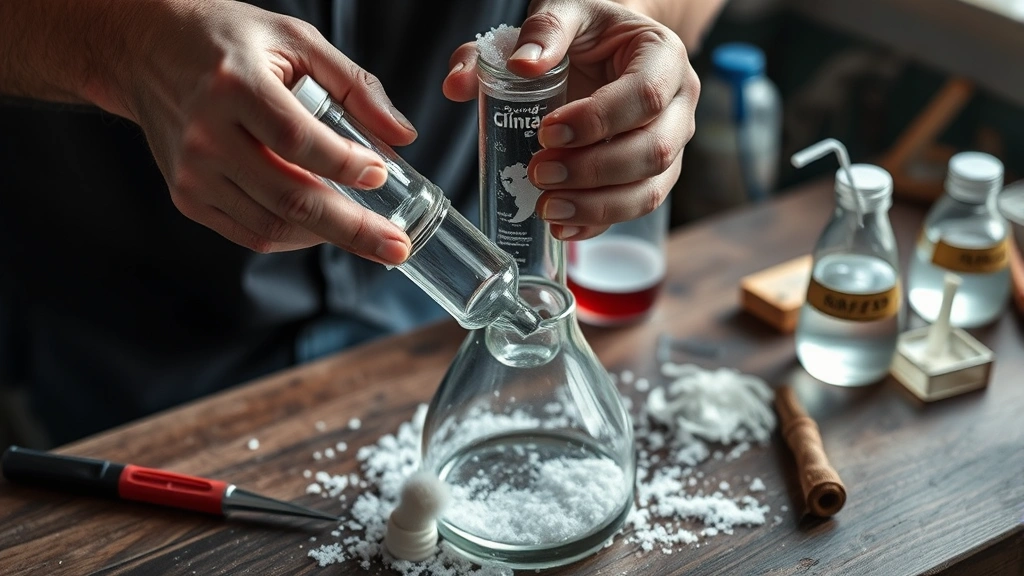
The main chamber of the bong can be scrubbed with a bottle brush if you’ve got one, but honestly, the salt-shaking method usually handles most of it. Just make sure you’re getting the bottom corners and any spots where water typically pools.
Final Rinse and Dry
Once you’re satisfied with your scrubbing, dump out the dirty salt-alcohol mixture. Run hot water through everything multiple times. This is crucial—you want to get all the salt out and flush away the alcohol smell. Keep rinsing until the water runs clear and you don’t smell isopropyl anymore.
Pay special attention to the downstem and any narrow passages. Trapped salt or alcohol residue will affect your next session. A final rinse with lukewarm water helps too, just to make sure nothing’s left behind.
For drying, stand your bong upside down (or at an angle) and let gravity do the work. You can use pipe cleaners with paper towels to help dry the inside of the downstem. Leave it for at least an hour before using it again. Patience here prevents water spots and ensures everything is completely dry.
Dealing with Tough Stains
Sometimes you skip cleaning for a few weeks and end up with basically fossilized resin. Don’t panic—there are solutions. Soak the piece in isopropyl alcohol overnight. The longer soak breaks down even the toughest buildup. In the morning, repeat the salt-and-shake method, and most of it should come loose.
For really stubborn stains on the glass itself (not residue, but actual discoloration), some people swear by soaking in a mixture of baking soda and vinegar, similar to how patience works when waiting for concrete to dry—sometimes you just need time. Let it sit overnight, then scrub gently with a soft brush. The abrasive action combined with the chemical reaction can lift stains that alcohol alone won’t touch.
Another trick: if you’ve got hard water deposits or mineral buildup, soak in white vinegar for 30 minutes, then do your normal salt-and-alcohol routine. The acid in the vinegar breaks down mineral deposits that alcohol won’t dissolve.
Maintenance Between Deep Cleans
The best way to avoid heavy buildup is simple: change your water daily and do a quick rinse. Every single day, dump the water, rinse with hot water, and let it dry. This takes 30 seconds and prevents most of the nasty stuff from accumulating.
Once a week, do a full deep clean using the salt-and-alcohol method. Think of it like brushing your teeth—daily maintenance is way easier than dealing with major problems later. If you use your bong multiple times a day, you might want to deep clean every three or four days instead.
Store your bong in a clean, dry place. Don’t leave water sitting in it overnight—that’s basically asking for mold and bacteria. If you’re traveling or storing it long-term, make sure it’s completely dry first.
Frequently Asked Questions
Can I use regular table salt instead of coarse salt?
You can, but coarse salt works better. Table salt is too fine and dissolves too quickly, losing its abrasive scrubbing power. Rock salt, sea salt, or Epsom salt are all solid choices. The grittier, the better.
Is isopropyl alcohol safe to use?
Yes, as long as you rinse thoroughly afterward. Make sure you’re using 90% or higher concentration. The higher the concentration, the better it dissolves resin. Always rinse multiple times with hot water to remove all alcohol residue before using your bong.
How often should I deep clean my bong?
Ideally, once a week if you use it regularly. Daily water changes and quick rinses extend the time between deep cleans, but weekly is the sweet spot for most people. Heavy users might need to go every 3-4 days.
What if my bong still smells like alcohol after rinsing?
Keep rinsing with hot water. The smell will fade, but it takes multiple rinses. Some people do a final rinse with room-temperature water to help the smell dissipate faster. Let it air dry for an hour or two before using it.
Can I use bleach or other harsh chemicals?
No. Bleach and other harsh chemicals can damage glass, leave toxic residue, and are just overkill. Stick with isopropyl alcohol and salt—they’re effective, safe, and way cheaper than anything else you’d buy.
My downstem is really stuck. What do I do?
Soak the whole thing in isopropyl alcohol for a few hours. The alcohol helps loosen resin buildup that’s acting like glue. Gently wiggle it back and forth—don’t force it or you’ll break the glass. If it’s still stuck, soak longer. Patience beats a broken downstem every time.
Is there a faster way to clean a bong?
Not really without compromising results. The salt-and-alcohol method is already pretty fast—maybe 15-20 minutes for a normal cleaning. The key is doing it regularly so you never have to deal with baked-on buildup that takes longer. Think of it like dishes: washing them right away takes minutes, but letting them sit for days requires serious scrubbing.
Final Thoughts
Knowing how to clean a bong properly is honestly one of those life skills that pays dividends every single time you use your piece. It’s not complicated, it doesn’t require fancy equipment, and the results are immediately noticeable. A clean bong just hits different—better taste, smoother smoke, and that satisfaction of using something that’s been properly maintained.
The salt-and-alcohol method is proven, effective, and has been the standard for good reason. Stick with it, do it regularly, and you’ll never have to deal with crusty, nasty buildup. Plus, your bong will last way longer when it’s actually being cared for. It’s a small investment of time that makes a huge difference in your experience. Just like learning to adjust sprinkler heads or any other maintenance task, the key is consistency and doing it right the first time.
Start with your next session—empty the water, grab some salt and isopropyl alcohol, and give it a proper clean. You’ll feel the difference immediately, and you’ll wonder why you didn’t start doing this sooner. For more detailed DIY guidance, check out resources from Family Handyman and This Old House for their comprehensive maintenance approaches. And if you’re looking for professional-level cleaning advice, Bob Vila has some excellent tips on maintaining household items properly.


