
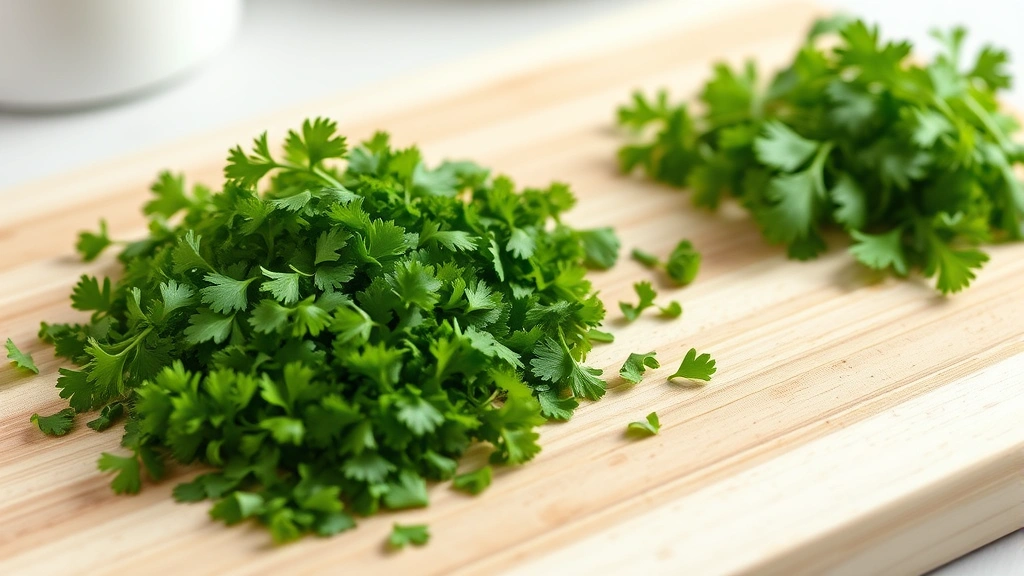
Learning how to chop parsley is one of those kitchen skills that separates the casual cook from someone who actually knows their way around a cutting board. It’s simple, it’s practical, and once you get the hang of it, you’ll be doing it faster and cleaner than you ever thought possible. Whether you’re prepping for a weeknight dinner or getting ready to make a batch of Chipotle guac, mastering parsley prep is going to save you time and frustration.
Table of Contents
Pick the Right Parsley
Before you even think about chopping, you need to grab the right herb. Fresh parsley should have bright green leaves without any browning or wilting. When you’re at the grocery store or farmers market, give the bunch a gentle squeeze—it should feel crisp and firm, not slimy or mushy. Look for bunches with thick stems and vibrant color. The fresher your starting material, the better your end result will be. This is where half the battle is won, honestly. You can’t make great corn salsa or any fresh dish without starting with quality ingredients.
Wash and Dry Properly
This step is crucial and a lot of people skip it or do it half-heartedly. Rinse your parsley under cool running water and gently rub the leaves between your fingers to remove any dirt or debris. Don’t be aggressive—parsley bruises easily. Once it’s clean, pat it dry with paper towels or a clean kitchen towel. Excess water is the enemy here. Wet parsley will clump together when you chop it, and you’ll end up with a mushy mess instead of nice, distinct pieces. Take your time with this step. Seriously, dry parsley is the foundation of everything that comes next.
Bundle and Chop Technique
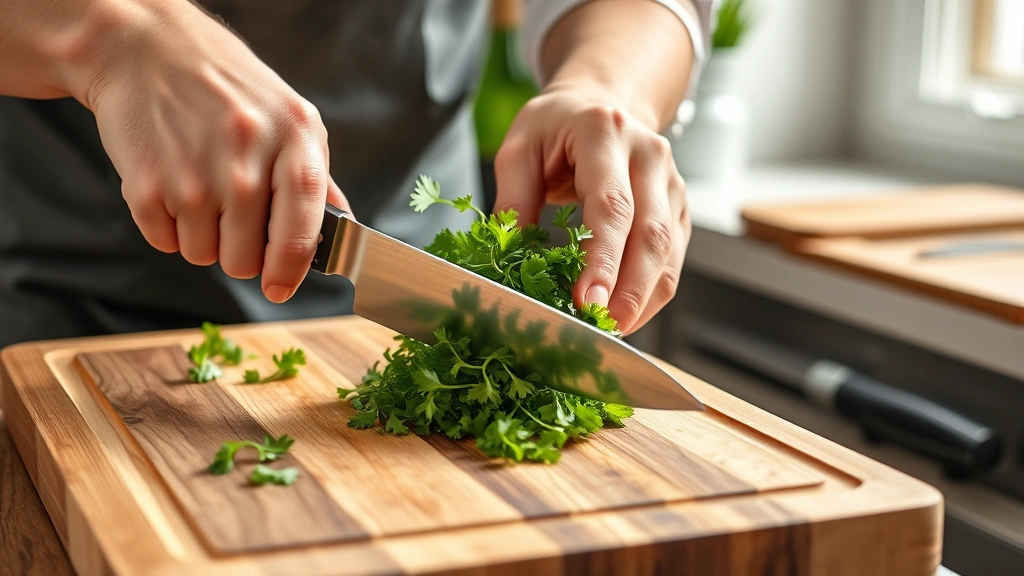
Here’s where the actual magic happens. Grab your bunch of dried parsley and hold it loosely in one hand. Using your other hand, take a sharp knife and make rough cuts through the parsley, turning the bunch as you go. You’re aiming for a loose, somewhat uniform chop. Don’t try to be perfect—this isn’t brain surgery. Once you’ve got it roughly chopped, gather it into a tight ball on your cutting board. Now comes the pro move: place your knife’s tip on the board and use a rocking motion, keeping the blade in contact with the cutting board the whole time. Rock back and forth, rotating the parsley bundle occasionally, until you reach your desired fineness. This rocking technique gives you way more control than just hacking away randomly.
Knife Selection Matters
You don’t need some fancy $200 knife, but you do need a sharp one. A dull knife will crush the parsley instead of cutting it cleanly, which damages the cell structure and makes it oxidize faster. A standard 8-inch chef’s knife works perfectly for this job. The weight and balance of a good chef’s knife make the rocking motion easier and more efficient. If your knife is getting dull, take five minutes to sharpen it on a honing steel before you start prepping. Your parsley will thank you, and your fingers will be safer too since you won’t have to apply as much pressure.
Common Mistakes to Avoid
The biggest mistake people make is chopping wet parsley. Seriously, we can’t stress this enough. Wet parsley becomes a paste, and you’ll be frustrated before you even finish. Another common error is using a dull knife, which we already covered. Don’t try to rush the drying step by wringing out your parsley like a dishrag—that bruises it and releases moisture later. Also, avoid over-chopping. You want distinct pieces, not parsley dust. And here’s a pro tip: don’t chop your parsley too far in advance. If you chop it more than a couple hours before you need it, it’ll start to brown and lose its fresh appeal. Timing matters in the kitchen.
Storage Tips for Fresh Parsley
If you’ve chopped more parsley than you need right now, store it properly. Place your chopped parsley in an airtight container lined with a paper towel to absorb excess moisture. Keep it in the coldest part of your fridge—usually the back of the bottom shelf. Properly stored chopped parsley will stay fresh for about 3-4 days. If you want to extend its life, you can freeze it in ice cube trays with a little water or olive oil. Frozen parsley works great for cooked dishes like healthy instant pot recipes, though it won’t maintain its texture for fresh applications.
Different Parsley Types
There are two main types of parsley you’ll encounter: curly parsley and flat-leaf (Italian) parsley. Curly parsley has those frilly, decorative leaves and is milder in flavor. Flat-leaf parsley has broader, flatter leaves and a more robust, slightly peppery taste. Both chop similarly, but flat-leaf parsley is generally easier to work with because the larger leaves are simpler to bundle and cut. If you’re making something where parsley is a supporting player, curly works fine. If you want parsley to really shine, go flat-leaf. The chopping technique remains the same regardless of type.
Speed Hacks for Busy Cooks
When you’re in a hurry, here are some shortcuts. If you have a food processor, you can pulse parsley for about 3-5 seconds, but watch it carefully—processors can turn parsley into mush if you’re not paying attention. Another hack is to use kitchen shears instead of a knife. Hold the parsley over your cutting board and snip away with scissors. It’s actually faster than you’d think and gives you great control. You can also buy pre-chopped parsley from the store, though it’s more expensive and won’t be quite as fresh. For something like campfire recipes where presentation matters less, pre-chopped is totally acceptable. But if you’re garnishing a nice dish, fresh chopped is worth the extra minute.
Frequently Asked Questions
Can you chop parsley the night before?
You can, but it’s not ideal. Parsley starts to brown and lose flavor within a few hours of chopping. If you absolutely must prep ahead, chop it no more than 4 hours before you need it, and store it in an airtight container in the fridge. For best results, chop it just before using.
What’s the difference between chopped and minced parsley?
Chopped parsley is cut into smaller, distinct pieces—usually about ¼ inch or so. Minced parsley is cut much finer, almost into a paste. For most recipes, chopped is what you want. Minced is typically used when you want the parsley to distribute more evenly throughout a dish and almost disappear into it.
Is it okay to use a blender for parsley?
Not really. Blenders are too aggressive and will pulverize the parsley into a wet, oxidized mess. Stick with a knife, food processor (on pulse), or kitchen shears. These methods give you much better control and results.
Why does my chopped parsley turn brown?
Parsley browns when the cell walls are damaged and it oxidizes. This happens when you use a dull knife, don’t dry it properly, or chop it too far in advance. Using a sharp knife and chopping right before serving prevents browning.
Can you freeze fresh chopped parsley?
Yes, absolutely. Freeze it in ice cube trays with a little water or olive oil. Once frozen, transfer the cubes to a freezer bag. Use them within 3 months. Frozen parsley works great for cooked dishes but won’t have the same texture for fresh applications like garnishes.
The Bottom Line
Mastering how to chop parsley is genuinely one of those skills that pays dividends every time you cook. It’s not complicated, but it does require attention to detail and the right approach. Start with fresh, quality parsley. Wash and dry it thoroughly. Use a sharp knife and employ that rocking technique. Avoid the common pitfalls, and you’ll be producing restaurant-quality chopped parsley in your own kitchen. Whether you’re making apple sauce, fresh salsas, or anything else that calls for fresh herbs, these skills will serve you well. The best part? Once you nail this, you’ll find yourself using fresh parsley way more often because it’s so quick and easy to prep.


