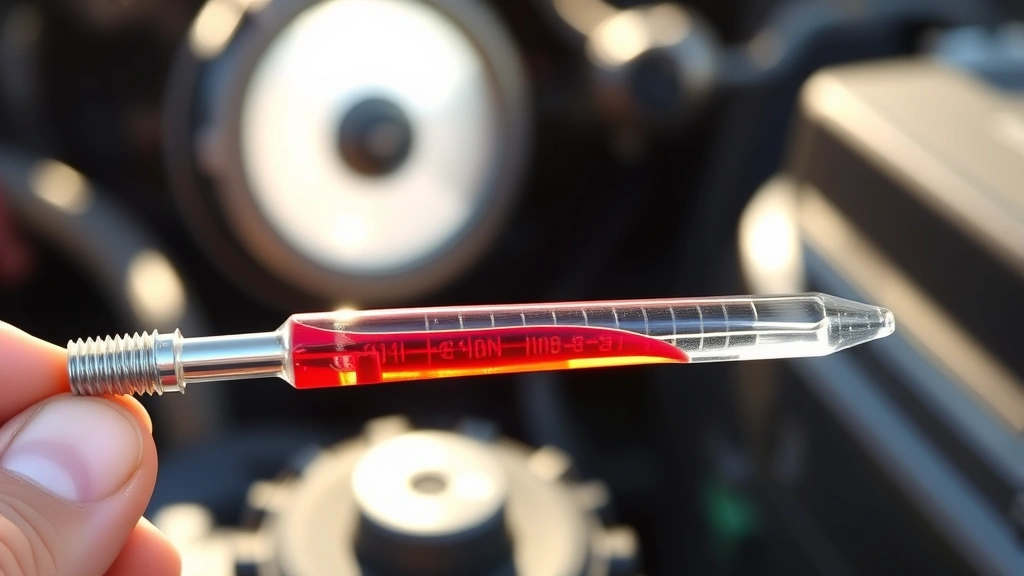
Knowing how to check transmission fluid level is one of those simple maintenance tasks that saves you thousands in repairs down the road. Your transmission is basically the middleman between your engine and wheels, and it needs clean fluid to do its job right. Think of transmission fluid as the lifeblood of your transmission—it lubricates moving parts, cools everything down, and helps transfer power smoothly. Ignore it, and you’re looking at slipping gears, overheating, and eventually a transmission that sounds like a angry robot. The good news? Checking it takes about five minutes and requires almost no tools.
Table of Contents
Gather Your Supplies First
Before you pop that hood, grab what you’ll actually need. You don’t need much—just a clean rag or paper towels, the correct transmission fluid for your vehicle (check your owner’s manual), and maybe a small funnel if you’re adding fluid. Some folks like wearing gloves too, which keeps your hands from getting stained with that reddish fluid that’s surprisingly hard to wash off. Keep everything within arm’s reach of your car so you’re not running back and forth like you forgot something important. Pro tip: have your owner’s manual handy because transmission fluid specs vary wildly between vehicles, and using the wrong type is like putting diesel in a gasoline engine—it won’t end well.

Warm Up Your Engine
This step matters more than people think. You want to check your transmission fluid when the engine is warm but not scorching hot. Start your car and let it idle for a few minutes, then drive it around the block to get everything up to operating temperature. Why? Cold fluid sits lower in the pan and gives you a false reading. Hot fluid expands and gives you another false reading. Warm fluid—that sweet spot after a short drive—gives you the accurate level you actually need. Think of it like checking your tire pressure; you do it when tires are warm from driving, not after the car’s been sitting in the garage all night. If you skip this step, you might think you need more fluid when you really don’t, and overfilling is just as bad as underfilling.

Locate the Transmission Dipstick
Pop your hood and look for the transmission dipstick. In most vehicles, it’s a long, thin rod with a yellow or red handle sticking up from the transmission housing. It usually sits near the back of the engine bay. If you can’t spot it immediately, your owner’s manual has a diagram showing exactly where it is—seriously, use the manual. Some newer vehicles, particularly automatics with sealed transmissions, don’t have dipsticks at all, which is why checking that manual first saves you frustration. If your car has one of those sealed systems, you’ll need to visit a shop to check the fluid properly. For the rest of us with traditional dipsticks, just grab that handle and prepare to pull.

Pull and Check the Fluid
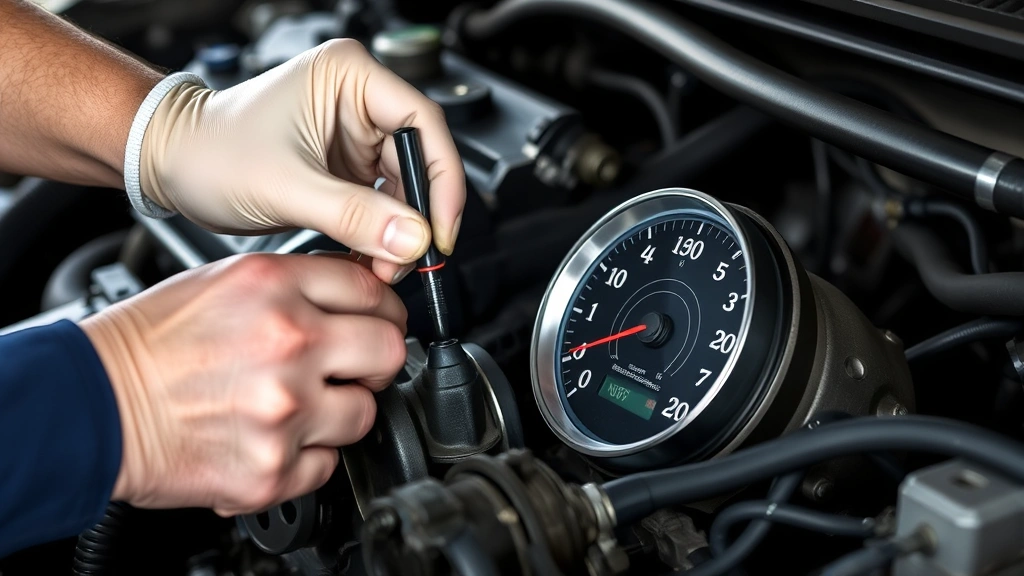
Grip the dipstick handle firmly and pull it straight out. You might feel a little resistance—that’s normal. Don’t yank it sideways or you might damage the seal. Once it’s out, wipe it completely clean with your rag or paper towels. This is crucial because any residual fluid on the stick will throw off your reading. Wipe it thoroughly, getting into the grooves if there are any. Then reinsert it all the way until you feel it seat properly—it should go in smoothly without forcing. Now pull it out again and check the level immediately. The fluid should reach the “full” mark on the stick. If it’s between the minimum and maximum marks, you’re in the acceptable range, but closer to full is better. This whole pull-wipe-reinsert routine takes about a minute and ensures accuracy.
Read the Fluid Level Markings
Transmission dipsticks have two main markings: minimum and maximum, sometimes labeled as “cold” and “hot” or just with lines. The space between these marks is your safe operating range. Ideally, you want the fluid level touching the maximum mark or just slightly below it. If the level is below the minimum mark, you’ve got a problem—either you’re losing fluid through a leak or you’ve simply burned through some over time. If it’s barely touching the minimum, add fluid right away. If it’s somewhere in the middle, you’re okay but keep an eye on it. The markings are usually etched into the stick itself or printed on a band that slides around it. Some sticks have different markings for cold and hot fluid, so make sure you’re reading the right one for your current engine temperature.

Assess Fluid Color and Smell
While you’ve got that dipstick out, take a second to look at the fluid itself. Fresh transmission fluid is bright red or pink, depending on the brand. As it ages, it darkens to a brownish-red, then eventually to a dark brown or even black. If your fluid looks like motor oil, it’s time for a transmission service. Dark fluid means the additives have broken down and the fluid isn’t protecting your transmission anymore. You should also smell it—fresh fluid has a distinctive sweet smell. If it smells burnt or acrid, that’s a sign of overheating or contamination. These visual and smell checks take literally ten seconds but give you valuable information about whether your transmission is happy or stressed. Some folks also do the “touch test” by rubbing a tiny bit between their fingers to feel for grittiness, which would indicate metal particles and internal wear.

Add Fluid If Needed
If your level is low, it’s time to top it off. Remove the dipstick again and set it aside safely—don’t let it fall into the engine bay. Position your funnel in the dipstick tube opening. Pour your transmission fluid slowly and carefully, checking the level frequently. Add a little, wait a moment, then check again. It’s way easier to add more fluid than to remove excess, so go slow. Pour until the level reaches the maximum mark on the dipstick. Wipe the dipstick clean between checks to get accurate readings. Once you’re at the right level, remove the funnel and set the dipstick aside. This is where having that owner’s manual matters because it tells you the exact fluid type and capacity. Using the wrong fluid can cause shifting problems, overheating, and transmission damage, so don’t guess or substitute.

Reinsert and Secure Dipstick
After you’ve finished adding fluid, reinsert the dipstick all the way into its tube until it seats completely. You should hear or feel a slight click or resistance as it bottoms out. Make sure it’s fully inserted because a loose dipstick can cause fluid to splash around and make a mess. Some dipsticks have a locking mechanism or a specific orientation—check your manual if you’re unsure. Once it’s secure, close your hood and you’re done. The whole process from start to finish takes about ten minutes. If you find yourself adding fluid more than once every few months, you’ve probably got a leak somewhere and should have a mechanic inspect it. Small leaks can become big problems quickly, so don’t ignore a pattern of low fluid levels.
Maintenance Schedule Tips
How often should you check your transmission fluid? Most mechanics recommend checking it every month or every time you fill up with gas. It’s part of the same routine as checking your engine oil and coolant levels. If you’re someone who likes staying on top of maintenance, make it a monthly habit. Set a phone reminder if that helps. Some vehicles with sealed transmissions don’t need regular checks, but if yours has a dipstick, use it. Think of it the same way you’d approach knowing how often to change tires—it’s preventive maintenance that keeps your vehicle running smoothly. If your transmission fluid is dark or smells burnt, schedule a transmission service right away rather than just topping it off. Fresh fluid every 30,000 to 60,000 miles keeps your transmission happy and extends its lifespan significantly. Your transmission is expensive to replace, so spending thirty minutes a year checking and maintaining it is time well spent.

Common Issues and Solutions
If your transmission fluid level keeps dropping, you’ve got a leak. Check under your car for red or pink fluid pooling on the driveway or garage floor. Leaks can happen at the pan gasket, cooler lines, or seals. A small leak might just need a new gasket, but a major leak requires professional diagnosis. If your fluid smells burnt and looks dark, your transmission is overheating. This could be from towing heavy loads, driving in stop-and-go traffic constantly, or a failing cooler. Have it inspected by a transmission specialist. If you accidentally overfill the transmission, don’t panic—just remove the excess with the dipstick tube or have a shop drain a bit out. Overfilled transmissions can cause foaming, which reduces lubrication effectiveness. If you use the wrong type of fluid, you might notice rough shifting, slipping, or hesitation. Stop driving immediately and have the transmission flushed and refilled with the correct fluid. These issues are all preventable with regular checks and maintenance.

Frequently Asked Questions
How often should I check my transmission fluid?
Check it monthly or every time you fill up with gas. Regular checks catch problems early before they become expensive repairs. If you notice the level dropping between checks, you’ve got a leak that needs professional attention.

Can I check transmission fluid when the engine is cold?
You can, but you’ll get an inaccurate reading. Cold fluid contracts and sits lower in the pan, making it look lower than it actually is. Warm the engine up with a short drive first for an accurate check.
What color should transmission fluid be?
Fresh transmission fluid is bright red or pink. As it ages, it darkens to brown or black. If it looks like used motor oil, it’s time for a transmission service. Dark fluid means the additives have broken down.

What happens if I overfill transmission fluid?
Overfilled transmission fluid can cause foaming, which reduces lubrication effectiveness and leads to overheating and shifting problems. If you overfill, remove the excess or have a shop drain some out.

Can I use any transmission fluid in my car?
No, use only the fluid specified in your owner’s manual. Different transmissions require different fluid types—using the wrong one can cause damage, poor shifting, and overheating. Check your manual before adding anything.

What does burnt-smelling transmission fluid mean?
Burnt smell indicates your transmission is overheating. This could be from heavy towing, constant stop-and-go driving, or a failing cooler. Have it inspected by a transmission specialist to prevent serious damage.

Do newer cars have transmission dipsticks?
Many newer vehicles have sealed transmissions without dipsticks. Check your owner’s manual to see if yours has one. If not, you’ll need a shop to check the fluid properly using their diagnostic equipment.

How much does transmission fluid cost?
Transmission fluid typically costs $10-$30 per quart, depending on the type and brand. You usually only need to add a quart or two if levels are low, so the cost is minimal compared to transmission repairs.
Wrapping It Up
Learning how to check transmission fluid level is honestly one of the easiest preventive maintenance tasks you can do. It takes ten minutes, costs almost nothing, and can save you thousands in transmission repairs. Make it a monthly habit like checking your oil, and you’ll catch problems early when they’re cheap to fix. Keep your transmission fluid at the proper level, watch for color changes and leaks, and use the correct fluid type specified in your owner’s manual. Your transmission will thank you by shifting smoothly and lasting the lifetime of your vehicle. If you’re comfortable doing basic maintenance like this, you might also want to learn about other routine checks. Just like knowing how to clean iPhone charging port keeps your devices working, regular transmission checks keep your car running right. The key is consistency—make it part of your routine and you’ll avoid expensive problems down the road.