
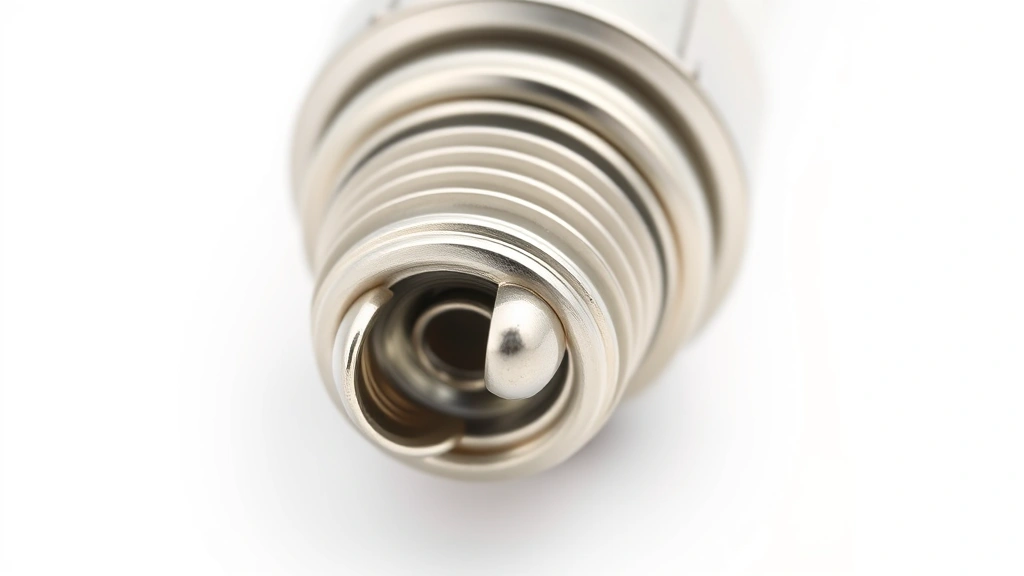
Learning how to check spark plugs is one of those skills that separates folks who actually understand their vehicles from those just hoping for the best. Your spark plugs are basically the heartbeat of your engine—they’re responsible for igniting the fuel-air mixture that makes everything run. When they start wearing out, you’ll notice rough idling, poor fuel economy, and sluggish acceleration. The good news? Checking them yourself takes about 30 minutes and costs practically nothing.
Table of Contents
Gather Your Tools First
Before you pop open that engine hood, you’ll need a few basic items. Grab a spark plug socket (usually 5/8 inch or 13/16 inch—check your manual), a ratchet wrench, a spark plug gap tool, and maybe some needle-nose pliers. A wire brush or small brass brush helps clean away carbon buildup. You might also want a flashlight since engine bays can be dark, and some compressed air to blow out debris. Don’t overthink this—you probably have most of these lying around already. The gap tool is the only specialty item, and they’re dirt cheap at any auto parts store.
Locate Your Spark Plugs
Pop your hood and look for thick wires or coils sitting on top of the engine. Those are your spark plug covers. In older vehicles, you’ll see thick wires running from the distributor to each plug. Newer cars have individual coil packs mounted directly on top. Count how many you have—that’s how many cylinders your engine has, and that’s how many plugs you’re checking. Write down the cylinder numbers so you don’t mix up the wires. Trust me, putting them back in the wrong order is a headache you don’t want. Take a photo with your phone if you’re unsure about the arrangement.
Remove One Spark Plug
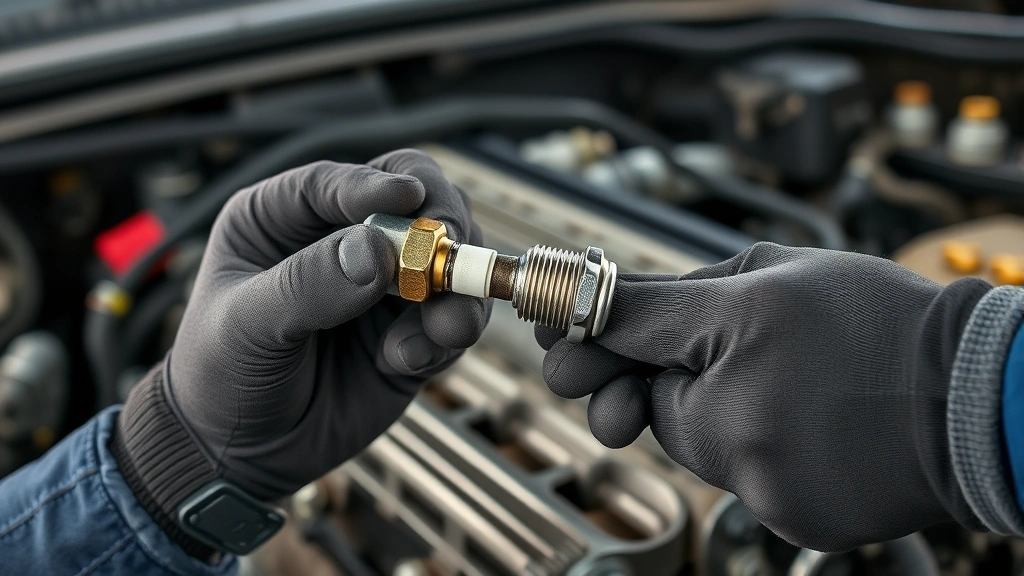
Start with cylinder number one. Gently twist the wire or coil pack back and forth while pulling it off—don’t yank straight out or you might damage the connector. Once the wire’s off, use your spark plug socket and ratchet to unscrew the plug by turning counterclockwise. It should come out pretty easily. If it’s stuck, don’t force it—a little penetrating oil and patience work better than brute strength. As you pull the plug out, notice if there’s any oil or coolant around it. That’s a red flag indicating internal engine problems beyond just checking plugs. Keep each plug organized so you know which cylinder it came from.
Inspect the Plug Condition
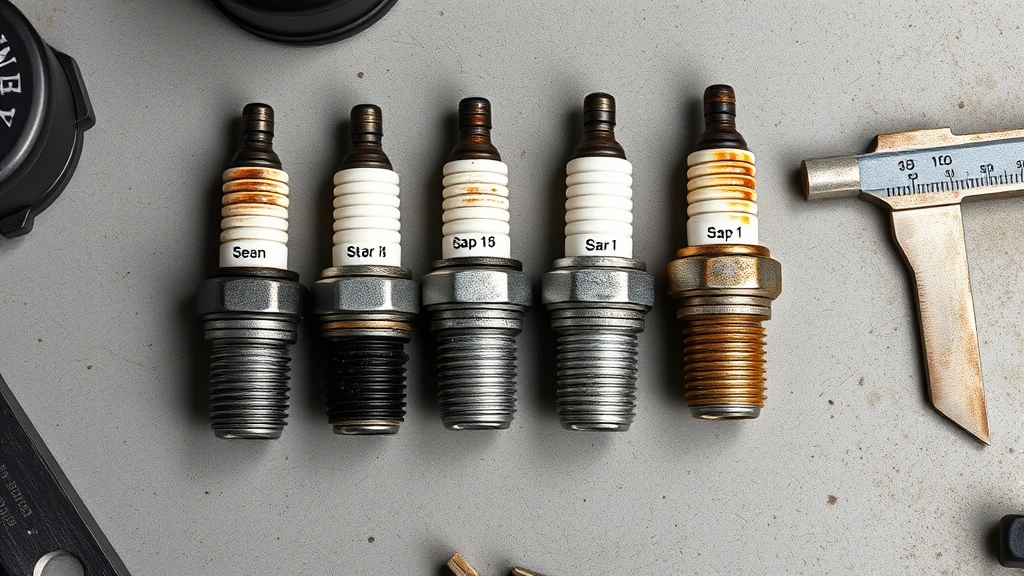
This is where you become a detective. Look at the electrode tip and the insulator (the ceramic part). A healthy plug has a light tan or gray color on the insulator. Black and sooty? That’s running too rich or fouling. White or blistered? Running too lean or overheating. Wet and oily? Burning oil. Severely worn electrodes that are rounded or melted? Time for replacement. Check if there’s excessive gap buildup or corrosion on the threads. A magnifying glass helps here, but honestly, your eyes are good enough. The plug tells you a story about how your engine’s running—learn to read it.
Check the Gap Measurement
The gap is the space between the center electrode and the ground electrode—it’s critical for proper ignition. Use your gap tool to measure this distance. Your owner’s manual specifies the exact gap (usually between 0.028 and 0.060 inches depending on the vehicle). If the gap’s too wide, the spark struggles to jump. Too narrow and you get weak ignition. If the gap’s off, you can adjust it by carefully bending the ground electrode with a small screwdriver or pliers. Some folks replace plugs instead of adjusting, which is fine too. Just make sure whatever you do, the gap matches your manufacturer’s specs. This single measurement often explains why your engine feels sluggish—a bad gap throws everything off.
Understand Wear Patterns
Different wear patterns tell different stories. If all plugs look equally worn, that’s normal aging. If one or two are much worse than others, you’ve got a specific problem in those cylinders—maybe a fuel injector issue or a weak coil pack. Black sooty buildup everywhere suggests you’re not driving hard enough or the engine’s running rich. White deposits mean you’re running lean or the plugs are overheating. Oil fouling points to worn piston rings or valve seals. These patterns help you diagnose bigger issues. You’re not just checking spark plugs anymore—you’re doing engine detective work. When you calculate your MPG, poor spark plug condition is often the culprit behind reduced fuel economy.
Reinstall and Test Drive
Once you’ve inspected and measured all your plugs, it’s time to put them back. Hand-thread each plug first to avoid cross-threading, then use your socket and ratchet to snug it down—firm but not gorilla-tight. Reconnect the wire or coil pack by pushing it back on until you hear a click or feel it seat properly. Start your engine and listen. If it fires right up and runs smoothly, you’re golden. If there’s hesitation or rough idle, double-check your wire routing. Take it for a test drive around the block and feel how it responds. A proper spark plug check often results in noticeably better acceleration and smoother running. It’s one of those maintenance items that actually makes an immediate difference.
Maintenance Schedule Tips
Most modern spark plugs last 30,000 to 100,000 miles depending on the type. Copper plugs wear out faster but are cheaper. Iridium and platinum plugs last longer but cost more upfront. Check your owner’s manual for the recommended interval. Many mechanics suggest checking them every 15,000 to 30,000 miles even if you don’t replace them yet. This habit catches problems early. If you’re doing other maintenance like replacing brake pads, it’s a perfect time to inspect your plugs too. Regular checks mean fewer surprise breakdowns and better fuel economy. Think of it as preventive medicine for your engine.
Frequently Asked Questions
How often should I check my spark plugs?
Check them every 15,000 to 30,000 miles during routine maintenance. At minimum, have them inspected annually or before long trips. If you notice rough idle, poor acceleration, or decreased fuel economy, check them immediately.
Can I check spark plugs without removing them?
Not really. You need to physically remove them to inspect the electrode condition and measure the gap accurately. Visual inspection from the outside tells you almost nothing useful.
What if my spark plugs look fine but the engine runs rough?
The plugs might be fine but the wires, coil packs, or connectors could be bad. Also check your fuel filter and air filter. Sometimes rough running comes from other ignition system components. If you’ve ruled out spark plugs, consider having a mechanic run a diagnostic scan.
Is it safe to check spark plugs myself?
Absolutely. Make sure the engine is cool before starting, wear gloves if you want, and take photos before disconnecting anything. There’s no high voltage risk if you’re just removing the plugs—the danger is only when the engine’s running.
How do I know if I need to replace them or just clean them?
If the electrodes are severely worn, rounded, or melted, replace them. If they’re just dirty or carboned up, you can clean them with a wire brush. However, most folks just replace them since new ones aren’t expensive and guarantee proper function.
What’s the difference between spark plug types?
Copper plugs are the cheapest and last 10,000-30,000 miles. Iridium plugs cost more but last 60,000-100,000 miles. Platinum plugs fall in between. Use whatever your manual recommends—using the wrong type can affect performance.
Why is my spark plug wet with oil?
That’s a sign of oil burning inside the cylinder, usually from worn piston rings or leaking valve seals. This is beyond a simple spark plug check—you need a mechanic to diagnose the underlying issue. It’ll only get worse if ignored.
Can bad spark plugs cause the check engine light?
Yes. Worn or fouled plugs can trigger misfires, which sets off the check engine light. However, the light could also indicate other issues, so have the code scanned to be sure.


