

Learning how to check if eggs are good is one of those kitchen skills that saves you from cooking disasters and food waste. Whether you’ve got a carton sitting in your fridge for weeks or you’re shopping for fresh eggs, knowing what separates good eggs from bad ones is essential. I’ve cracked open plenty of eggs over the years—some fresh, some questionable—and I’m going to walk you through the exact methods I use to test them before they hit the pan or mixing bowl.
Table of Contents
The Water Float Test
This is my go-to method for quick egg testing, and it’s based on solid science. Fill a bowl with cold water and gently place your egg in it. Here’s what happens: a fresh egg will sink straight to the bottom and lay flat. A week-old egg will sink but stand slightly upright. An older egg will float or hover near the top.
Why does this work? As an egg ages, the air cell inside grows larger because moisture escapes through the porous shell. That expanding air pocket makes older eggs more buoyant. I use this test all the time when I’m unsure about a carton I’ve had sitting around. It takes 30 seconds and gives you a reliable answer without cracking the shell.
The float test isn’t foolproof for detecting spoilage—a floating egg might still be safe to eat if it’s just old, not rotten. But combined with other methods, it’s incredibly useful. I always do this test first before moving to the next step.
Check Expiration Dates First
Before you do anything else, look at the carton. The “Sell By” date tells you when the store should stop displaying them, not when they go bad. Most eggs last 3-5 weeks past that date if stored properly in the refrigerator. The “Use By” or “Best By” date is more reliable for knowing when quality starts declining.
There’s also a Julian date—a three-digit number stamped on the carton that represents the day of the year the eggs were packed. January 1st is 001, December 31st is 365. If you see 150, those eggs were packed on May 30th. This helps you calculate exactly how old they are.
I always write the purchase date on my egg carton with a marker. It’s a simple habit that saves guessing games later. When you’re making recipes that use lots of eggs, you want to know exactly what you’re working with.
Visual Inspection Matters
Before cracking any egg, examine the shell itself. Look for cracks, leaks, or unusual stains. A cracked shell means bacteria can get inside, so toss it. Leaking eggs should go straight in the trash—no second chances there.
Check the color of the shell too. Some eggs are brown, some are white, some are speckled—that’s normal and doesn’t indicate freshness. What matters is whether the shell looks clean and intact. If there’s visible dirt or droppings, rinse it gently under cool water before testing further.
Discoloration or a chalky appearance on the shell can indicate mold growth, especially if the egg was stored in a damp environment. When I spot anything unusual, I don’t take chances. The cost of one bad egg isn’t worth the risk of foodborne illness.
The Smell Test Works
This is the most direct method: crack the egg into a clean bowl or plate and take a good sniff. A fresh egg has a neutral or slightly sweet smell. A bad egg smells distinctly sulfurous, rotten, or off in a way you can’t miss.

Your nose is incredibly sensitive to spoilage compounds. If something smells wrong, it is wrong. Don’t second-guess yourself. I’ve never encountered an egg that smelled bad but was actually safe to eat. Your instincts are reliable here.
The smell test is especially important when you’re preparing eggs for recipes where you won’t cook them thoroughly, like making fresh sauces or custards. Cooking can kill bacteria but won’t eliminate toxins already present in spoiled eggs.
Crack and Examine Inside
Once you’ve cracked the egg, look at the yolk and white. A fresh egg has a firm, rounded yolk that sits high in a thick, clear white. The white should be somewhat gelatinous and not watery.
As eggs age, the yolk flattens and the white becomes thinner and more watery. This doesn’t mean the egg is bad—it just means it’s older. You can still use it for cooking, though it won’t perform as well in applications that depend on structure, like meringues or soufflés.
If the yolk looks greenish or has a dark ring around it, that’s usually just a harmless chemical reaction from cooking, not spoilage. But if the yolk or white looks discolored, cloudy, or has any unusual appearance, don’t use it. Same goes if you see any spots of mold or blood.
Proper Storage Extends Life
Here’s how to maximize egg freshness: store them in the coldest part of your refrigerator, usually the back of a shelf, not the door. The door temperature fluctuates every time you open it, which speeds up aging. Keep them in their original carton—it protects them and helps you track the date.
Store eggs with the pointed end down. This keeps the air cell at the top, away from the yolk, which slows spoilage. The carton also prevents them from absorbing odors from other foods in your fridge.
If you’re planning to use eggs for thawing frozen proteins or other cooking projects, buying fresh eggs ensures consistent results. Old eggs can affect cooking times and texture in ways that throw off your timing.
When to Toss Eggs Out
Don’t use eggs if: they float completely in water, they smell bad when cracked, the shell is cracked or leaking, there’s visible mold or discoloration inside, or they’ve been sitting out at room temperature for more than 2 hours.
Also toss them if they’re past 5 weeks from the pack date and you’re planning to eat them raw or lightly cooked. For well-cooked applications like hard-boiling or baking, they can last a bit longer, but when in doubt, throw them out.
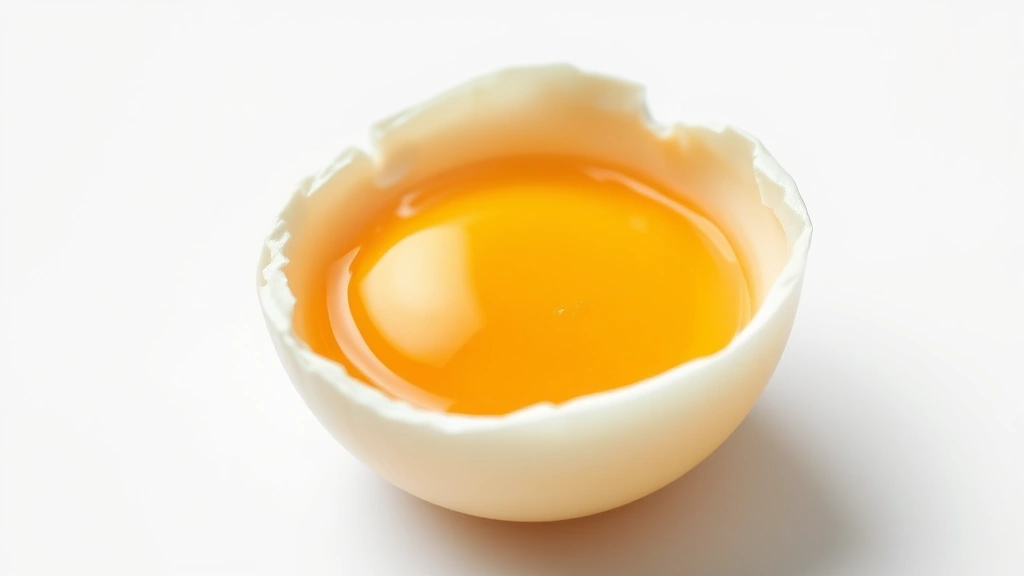
I keep a mental rule: if I’m hesitating about whether an egg is good, it’s not worth the risk. Foodborne illness from spoiled eggs isn’t pleasant, and it’s completely preventable with a little caution.
Frequently Asked Questions
Can you eat an egg that floats in water?
Not necessarily. A floating egg is old, but “old” doesn’t always mean “spoiled.” If it floats but passes the smell and visual tests, it’s technically safe to eat, though the quality will be lower. For baking or cooking, it’s usually fine. For dishes where egg quality matters—like frying or poaching—use a fresher egg.
How long do eggs last in the refrigerator?
Most eggs last 3-5 weeks in the refrigerator from the pack date, assuming they’re stored properly in the back of the fridge, not the door. Always check the “Use By” date on the carton for guidance specific to that batch.
What does a bad egg smell like?
A bad egg has a distinctly rotten, sulfurous smell—kind of like rotten cabbage or sewage. It’s unmistakable. If you crack an egg and smell anything remotely off, don’t use it. Trust your nose.
Can you cook with an old but safe egg?
Yes, if it passes all the tests. Old eggs work fine for baking, scrambling, or hard-boiling. They won’t work well for poaching or frying because the whites spread too thin. When preparing recipes that depend on structure, use fresher eggs.
Why do some eggs have blood spots?
Blood spots are just small blood vessels that broke during formation. They’re harmless and safe to eat. You can scoop them out if they bother you, but they don’t indicate spoilage or a problem with the egg.
Final Thoughts on Egg Testing
Learning how to check if eggs are good is straightforward once you know what to look for. Use the water float test for quick checks, verify expiration dates, do a visual inspection, trust the smell test, and examine the inside when you crack them. These methods work together to keep bad eggs out of your kitchen.
The investment in a few seconds of testing prevents wasted food and potential illness. I’ve made these checks automatic after years in the kitchen, and I recommend you do the same. Your future self will thank you when you’re confidently cracking eggs for breakfast knowing exactly what you’re working with.
For more kitchen prep guidance, check out our resources on working with frozen proteins and other food storage tips to keep your kitchen running smoothly.


