
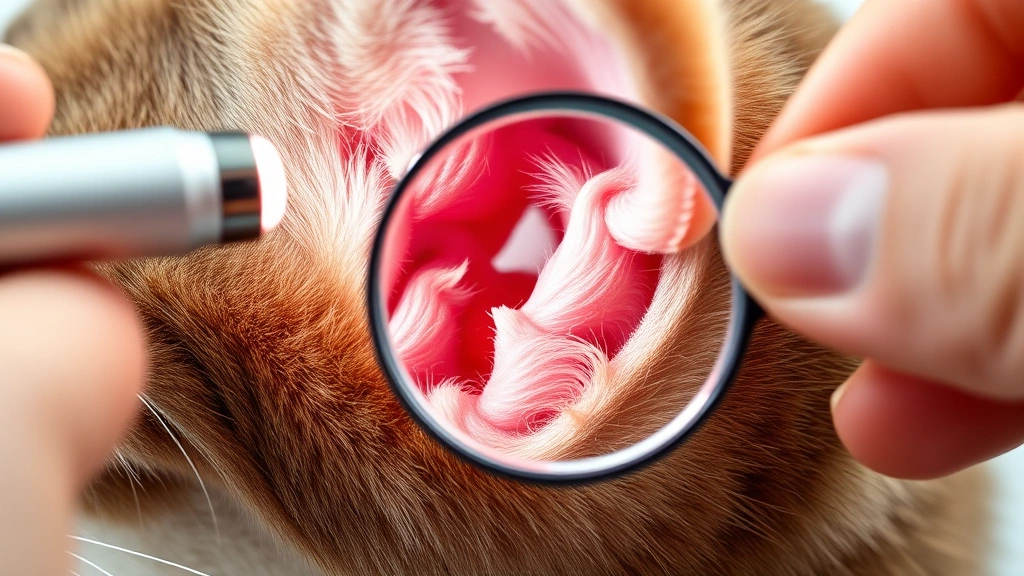
Learning how to check for ear mites in cats is one of those skills every cat owner should have in their back pocket. Ear mites are tiny parasites that can make your feline friend absolutely miserable, and catching them early makes treatment way easier. Think of it like doing a regular inspection on your home—you wouldn’t wait for major damage before checking the foundation, right? Same deal with your cat’s ears.
Table of Contents
What Are Ear Mites?
Ear mites are microscopic parasites called Otodectes cynotis. These little troublemakers live in the ear canal and feed on oils and wax buildup. They’re about the size of a grain of salt, so you won’t spot them with your naked eye, but their damage is unmistakable. Cats pick up ear mites from other infected animals—usually through direct contact with another cat, dog, or occasionally wildlife. Once they’ve got them, your cat’s immune system kicks in hard, causing inflammation and that telltale debris buildup.
The good news? Ear mites are super common and totally treatable. The bad news? If left alone, they can cause serious ear infections and hearing damage. That’s why regular checks matter more than you’d think.
Signs Your Cat Has Mites
Before you even start looking in those ears, watch for behavioral clues. A cat with ear mites will scratch at their ears constantly—like, obsessively. You might notice them shaking their head a lot, tilting it to one side, or acting generally cranky. Some cats develop crusting or scabs around the ear area from all that scratching. You might also catch a faint yeasty or musty smell coming from the ear.
Indoor cats can still get ear mites, so don’t assume your strictly indoor pet is immune. They can pick them up from contaminated bedding, toys, or even from you if you’ve been around other infected animals. Keep your eyes open for these warning signs, and you’ll catch problems before they escalate.
Gather Your Inspection Tools
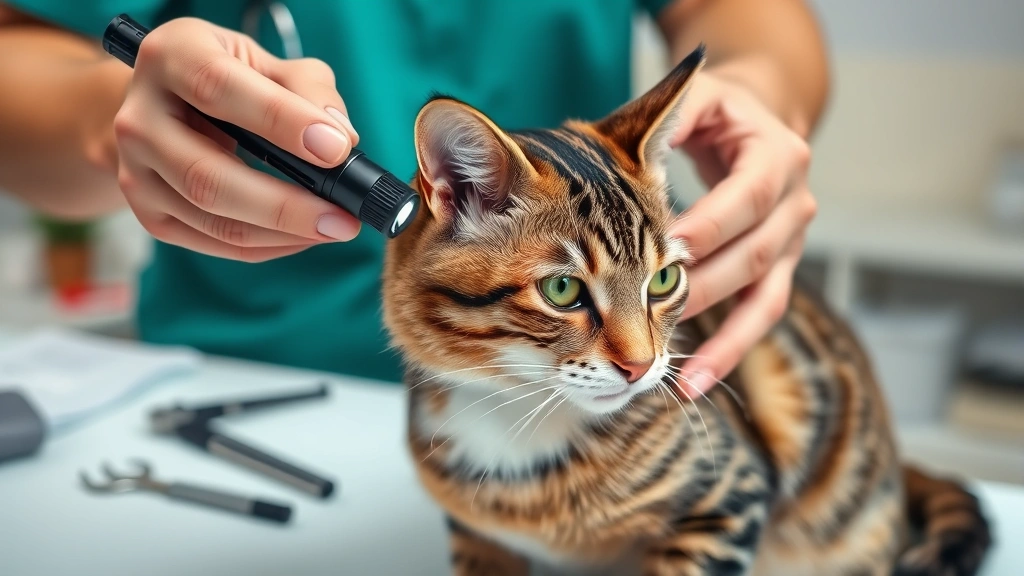
You don’t need fancy equipment for this job. Here’s what works best: a good flashlight or penlight (your phone’s flashlight works in a pinch), a magnifying glass if you’ve got decent eyesight, and some cotton balls or soft tissues. Some people like using an otoscope—that’s the same tool vets use—but honestly, a penlight and magnifying glass get the job done for initial inspection. You might also want some treats nearby to keep your cat cooperative. Trust me, a bribed cat is a cooperative cat.
Make sure your hands are clean and your nails are trimmed before handling your cat’s ears. You’re doing an inspection, not a deep cleaning, so keep things gentle and non-invasive.
Examine the Outer Ear
Start with the outer ear flap and the area just inside the entrance. Look for redness, swelling, or any visible debris. Gently fold back the ear flap and shine your light inside. Notice the color of the skin—healthy ear tissue should be pale pink. If it’s bright red or dark red, that’s inflammation talking, often a sign of mite activity or secondary infection.
Run your fingers along the outer ear gently. Feel for any crusty areas or unusual bumps. Sometimes cats with mites develop a condition called ear margin dermatitis, where the edges of the ear get all crusty and inflamed. This is a classic secondary effect of ear mite irritation.
Look Inside the Ear Canal
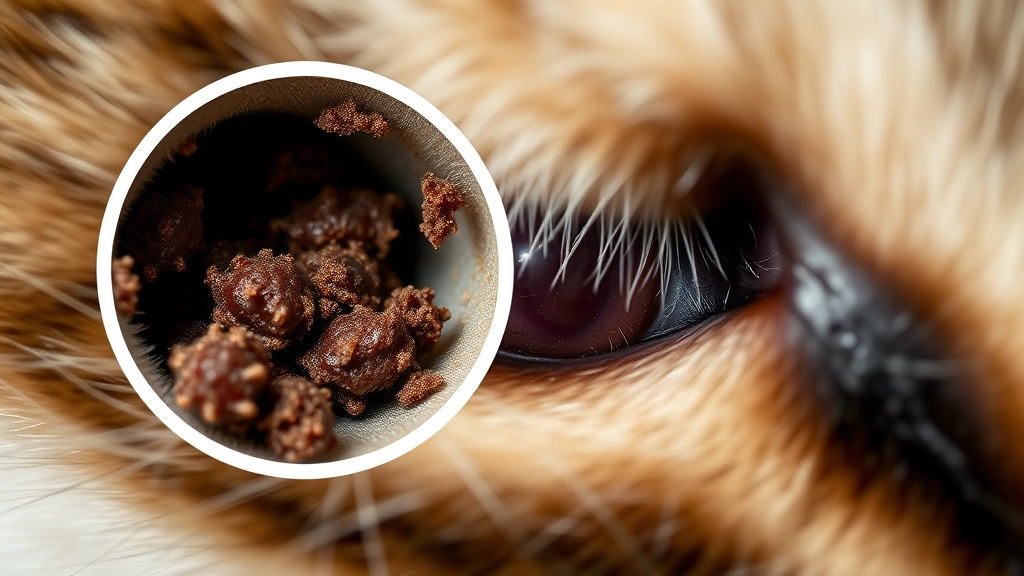
Now for the main event. Hold your cat’s ear flap up and gently angle your light into the canal. You’re looking for what’s called cerumen—that’s the waxy debris that accumulates. In a healthy ear, there’s minimal wax, and what’s there is light tan or golden. With ear mites, you’ll see a buildup that looks like dark brown or black crusty material. It’s often described as looking like coffee grounds, and once you’ve seen it, you’ll never forget the comparison.
Don’t stick anything into the ear canal itself. You’re just looking from the entrance. If your cat’s being cooperative, you might gently swab the outer canal entrance with a cotton ball to see what comes off, but that’s it. Respect those boundaries—your cat will appreciate it.
Identifying Mite Debris
The debris from ear mites has specific characteristics. It’s usually dark brown or black, crumbly, and builds up quickly. You might see it on the ear flap itself or crusted around the ear entrance. Some cats have more debris than others—it depends on how long they’ve had the mites and how intense their immune response is.
Here’s the thing though: dark ear debris isn’t always mites. Yeast infections, bacterial infections, and even just regular earwax buildup can look similar. That’s why visual inspection is just the first step. If you see anything suspicious, get your vet to confirm with a microscopic examination. They’ll take a sample and look at it under the microscope to identify what you’re actually dealing with.
When to Call Your Vet
If you spot dark debris, excessive redness, or your cat’s scratching is off the charts, call your vet. Don’t try to treat it yourself without confirmation. Your vet can do a proper otoscopic exam and take samples for microscopic analysis. They’ll also check for secondary infections, which are super common with ear mites. According to ASPCA guidelines, untreated ear mites can lead to serious complications including ruptured eardrums.
Even if you’re pretty sure it’s mites, professional diagnosis matters. Your vet will prescribe the right treatment—usually ear drops or oral medications—and give you a timeline for follow-up checks. Some cats need multiple treatments spaced out over several weeks.
Prevention Strategies
The best medicine is prevention. Keep your cat indoors if possible—that’s the biggest risk reducer. If your cat goes outside, check their ears weekly. Wash bedding regularly in hot water, and don’t share toys or bedding between cats unless you’re absolutely certain they’re mite-free. If you have multiple cats and one gets mites, treat them all, because transmission is almost guaranteed.
Some preventative products designed for fleas and ticks also cover ear mites. Talk to your vet about whether these make sense for your situation. Regular ear checks—even just a quick look once a week—catch problems early when they’re easiest to treat. Think of it like checking your home’s plumbing before you have a disaster.
Frequently Asked Questions
Can humans get ear mites from cats?
Nope, ear mites are species-specific. The type that infects cats won’t survive in human ears. You’re safe, but you should still wash your hands after handling an infected cat to avoid spreading mites to other cats.
How long does ear mite treatment take?
Most treatments take 3-4 weeks of consistent application. Your vet will likely want to recheck after a couple weeks to make sure the treatment’s working. Some stubborn cases need longer.
Can ear mites cause permanent hearing loss?
Yes, if left untreated for extended periods, ear mites can damage the inner ear and cause permanent hearing damage. That’s why catching them early matters.
Are ear mites contagious to dogs?
Absolutely. If you have both cats and dogs, and one has mites, treat them all. The mites spread easily between species.
What’s the difference between ear mites and ear infections?
Ear mites are parasites. Infections are usually bacterial or yeast-based. They can happen together, and that’s why vet diagnosis is crucial. Treatment differs depending on what you’re actually dealing with.
Final Thoughts
Checking for ear mites in cats isn’t complicated, but it does require attention and consistency. You’re basically doing a visual inspection using simple tools and your observation skills. The key is knowing what normal looks like so you can spot abnormal. Regular checks catch problems early, and early detection means easier treatment and a happier cat.
Remember, you’re not trying to be a veterinarian. You’re doing what any responsible pet owner does—staying alert and knowing when to call in the professionals. If you spot anything suspicious, don’t hesitate to reach out to your vet. According to Cornell University’s College of Veterinary Medicine, ear mite cases are among the most easily treated parasitic infections when caught early. That’s the kind of win-win situation you want. Your cat gets relief, you get peace of mind, and everyone moves forward healthier. Keep those ears clean, stay vigilant, and your feline friend will thank you.


