

Learning how to check car oil is one of the most fundamental maintenance skills every driver should master—and honestly, it takes about five minutes once you know the routine. Your engine oil is the lifeblood of your vehicle, keeping everything lubricated and running smoothly. Neglect it, and you’re looking at expensive repairs down the road. The good news? This isn’t rocket science. With just a dipstick and a rag, you can stay on top of your car’s health like a pro.
Table of Contents
Gather Your Supplies
Before you pop that hood, grab a few simple items. You’ll need a clean rag or paper towel—this is non-negotiable because you need to see what you’re doing. Keep a roll of shop towels in your garage; they’re cheap and invaluable. If your oil level is low, you’ll want the correct oil type for your vehicle. Check your owner’s manual or the label under your hood to find out whether you need 5W-30, 10W-40, or whatever your manufacturer recommends. Don’t just guess—using the wrong viscosity can affect engine performance and fuel economy. A small funnel makes adding oil cleaner, though it’s not absolutely essential if you’re careful.
Park on Level Surface
This step matters more than people realize. You need to park your car on flat, level ground—not on a slope or incline. An uneven surface gives you a false reading because the oil will pool to one side of the pan. Give the engine a few minutes to cool down after driving, but not so long that it gets completely cold. The sweet spot is checking oil when the engine is warm but not hot—usually about five minutes after you’ve shut it off. This gives you the most accurate measurement because warm oil flows better and settles properly in the pan.
Locate the Dipstick
Pop your hood and look for the dipstick. It’s typically a long, thin rod with a yellow or orange handle, though some vehicles hide it in less obvious spots. In most cars, you’ll find it somewhere near the engine block. Your owner’s manual will show you exactly where if you’re having trouble. Some newer vehicles have electronic oil sensors instead of traditional dipsticks, so check your manual first. If you’ve got an older car or a truck, the dipstick is almost always there and easy to spot. Don’t be shy about consulting your manual—it’s there for exactly this reason, and mechanics do it all the time.
Pull, Wipe, Reinsert
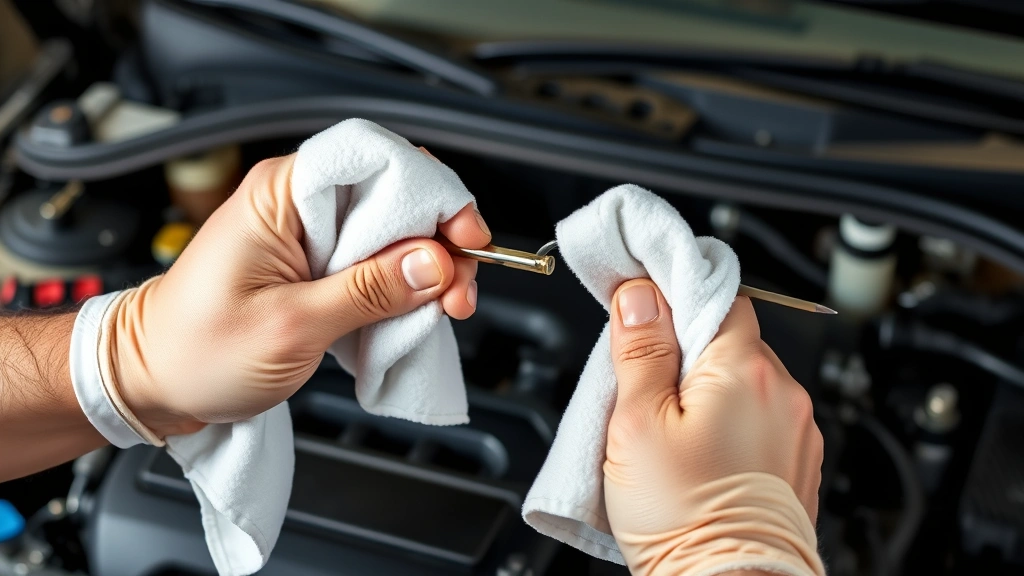
Grab the handle firmly and pull the dipstick straight out. You’ll notice it’s got oil on it from the last check—that’s normal. Here’s where the rag comes in: wipe the dipstick completely clean on both sides. This removes old oil residue so you can get an accurate reading of the current level. Once it’s clean, reinsert the dipstick all the way back into its tube until you feel it seat properly. Don’t force it; just let it slide in naturally. This is the critical step that separates people who get accurate readings from those who don’t. A half-clean dipstick will give you misleading information every single time.
Read the Oil Level
Now pull it out again, slowly and carefully. Look at the end of the dipstick where the oil has coated it. You’ll see two marks or lines—usually labeled MIN and MAX, or with crosshatched areas indicating the safe range. Your oil level should fall somewhere between these two marks. If it’s at the MAX line, you’re golden. If it’s at MIN or below, you need to add oil. Some dipsticks have a single mark in the middle of the safe zone—aim for that sweet spot. The difference between MIN and MAX is usually about one quart, so don’t panic if you’re slightly low. A little low is better than overfilled, which can cause problems of its own.
Check Oil Condition
While you’ve got the dipstick out, take a moment to examine the oil itself, not just the level. Fresh oil is typically amber or light brown in color. Dark brown or black oil means it’s getting old and needs changing soon—that’s why regular oil changes matter. If the oil looks milky or has a grayish tint, that’s a sign of water contamination, which is bad news and means you should get your car serviced immediately. Healthy oil should look relatively clean and transparent. If you notice metal particles or a gritty feeling when you rub it between your fingers, that’s another red flag worth investigating with a mechanic. These visual checks take seconds but can catch serious problems early.
Add Oil If Needed
If your level is low, locate your oil filler cap on top of the engine—it usually has an oil can symbol on it. Twist it counterclockwise to remove it. If you’re using a funnel, place it in the opening. Pour in a small amount of oil, usually a quarter to a half quart at a time. Wait a minute, then recheck with your dipstick using the pull-wipe-reinsert method again. Don’t just dump in a whole quart and hope for the best. It’s much easier to add a little more than to remove excess oil. Once you hit the right level, screw the cap back on clockwise until it’s snug—not gorilla-tight, just secure. Wipe up any spills with your rag to keep things tidy and prevent fire hazards.
Maintenance Schedule
How often should you check your oil? Most mechanics recommend checking it at least once a month, and definitely before any long road trip. If you’re driving an older vehicle or one with higher mileage, check it every two weeks. Modern cars with synthetic oil might go longer between checks, but monthly is still a safe habit. Your owner’s manual will give specific recommendations for your vehicle. Some cars burn oil faster than others—it’s not always a sign of problems, just normal wear. By checking regularly, you’ll know your car’s patterns and catch real issues before they become expensive. Just like maintaining your home, staying ahead of car maintenance saves money long-term.
Common Mistakes to Avoid
The biggest mistake people make is checking oil on an uneven surface or without wiping the dipstick properly. Both lead to false readings that send you on wild goose chases. Don’t check your oil immediately after driving—the engine’s too hot and the oil hasn’t settled. Another common error is overfilling. More oil doesn’t mean better protection; it can actually cause problems like leaks and increased pressure. Some folks forget to replace the oil cap, which is just asking for trouble. And please, don’t ignore dark or discolored oil—that’s your signal to schedule an oil change. Think of oil checks like converting measurements—precision matters, and shortcuts lead to mistakes.
When to Change Oil
Checking your oil level is different from changing your oil. Most vehicles need an oil change every 3,000 to 10,000 miles, depending on your car and oil type. Synthetic oil lasts longer than conventional, so check your manual. Dark, dirty oil is your signal that a change is overdue. Regular oil changes keep your engine running smoothly and extend its lifespan significantly. It’s one of the cheapest maintenance items that delivers huge benefits. If you’re not comfortable changing oil yourself, any quick-lube shop or mechanic can do it in 30 minutes. Just like restarting your computer, sometimes you need professional help, and that’s perfectly fine.
Troubleshooting Common Issues
If your oil level keeps dropping between checks, you might have a leak. Look under your car for spots or drips on your driveway. A small leak might just need tightening, but a significant one requires professional attention. If you’re burning oil—meaning the level drops without visible leaks—that’s often a sign of worn piston rings or valve seals, especially in older vehicles. Blue smoke from the exhaust is another telltale sign. Don’t ignore these warnings; they indicate your engine needs service. Sometimes an overfilled dipstick tube or a faulty dipstick itself can give false readings, so if something seems off, have a mechanic double-check with their equipment. Even digital car projects require understanding the basics of vehicle systems.
Frequently Asked Questions
How long does it take to check car oil?
Once you know the routine, checking your oil takes about five minutes total. Locating the dipstick, pulling it out, wiping it clean, reinserting it, and reading the level is straightforward. If you need to add oil, add another five minutes.
Can I check my oil when the engine is cold?
Technically yes, but you’ll get a more accurate reading when the engine is warm. Cold oil is thicker and doesn’t settle properly in the pan, which can give you a false high reading. Wait five minutes after shutting off the engine for the best results.
What if my dipstick doesn’t have MIN and MAX marks?
Some older dipsticks just have a single line or crosshatched area. Aim for the middle of that zone. If you’re unsure, your owner’s manual will explain your specific dipstick design.

Is it bad if my oil is slightly above the MAX line?
Yes, overfilled oil can cause problems. It increases pressure in the engine, can leak from seals, and might damage your catalytic converter. If you’ve overfilled, you’ll need to drain some out or have a mechanic do it.
How do I know if I have the right oil type?
Check your owner’s manual or look at the label inside your hood. It will specify the viscosity grade you need. Using the wrong type can affect engine performance and warranty coverage, so don’t guess.
What should I do if my oil looks milky?
Milky oil indicates water contamination, which is serious. Stop driving the car and take it to a mechanic immediately. This could mean a blown head gasket or other significant engine problems.
Can I check my oil on a slope?
No, always park on level ground. A slope causes oil to pool unevenly in the pan, giving you an inaccurate reading that’s usually too high.
What’s the difference between checking and changing oil?
Checking oil means monitoring the level and condition. Changing oil means draining out the old oil and filter, then adding fresh oil. You check much more often than you change—typically monthly versus every few thousand miles.
Conclusion
Now you know how to check car oil like you’ve been doing it for years. It’s genuinely one of the easiest and most important maintenance tasks you can do. Spend five minutes once a month checking your oil, and you’ll catch problems before they become expensive nightmares. Keep a rag in your garage, know where your dipstick is, and follow the pull-wipe-reinsert routine every time. Your engine will thank you with years of reliable service. This simple habit separates car owners who take pride in their vehicles from those who wonder why repairs keep piling up. Make it part of your routine, and you’ll never have to worry about running on empty oil again.


