
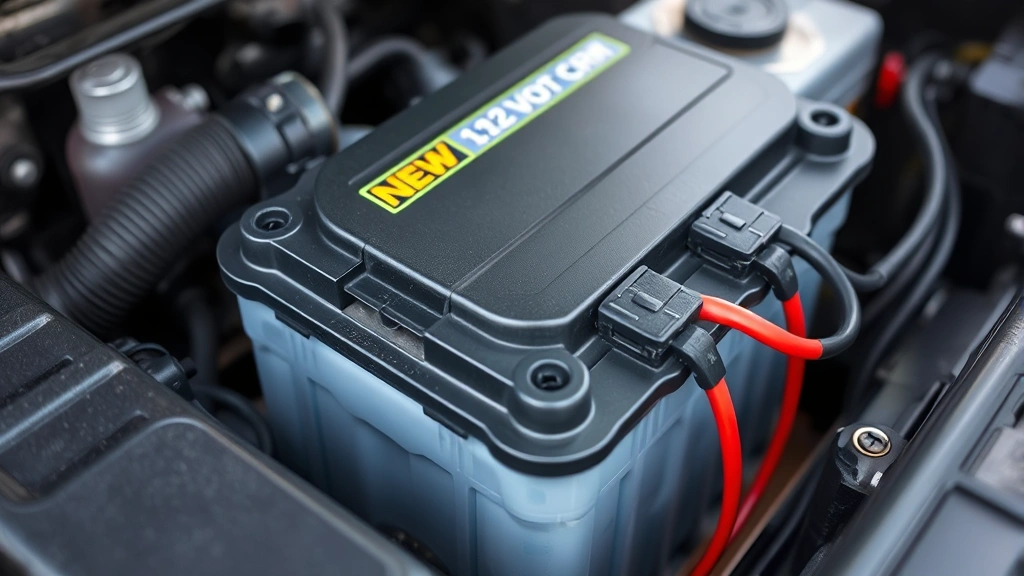
Your car won’t start. You turn the key and hear that soul-crushing click-click-click. Before you panic and call a tow truck, here’s the real talk: you probably need to know how to check car battery health yourself. A dead battery is one of the most common roadside emergencies, and honestly, it’s one of the easiest to diagnose if you know what you’re doing.
The difference between a battery that’s genuinely dead and one that just needs a charge (or cleaning) can save you hundreds of dollars. More importantly, regular battery checks can prevent you from being stranded in the middle of nowhere at 11 PM on a Tuesday.
I’ve spent years in the garage helping folks troubleshoot electrical gremlins, and I can tell you that most people never look at their battery until something goes wrong. That’s backwards. A quick 10-minute inspection every few months takes the guesswork out of whether your battery’s on its last leg or running strong.
Safety First: What You Need to Know
Before you touch anything under that hood, let’s talk safety. A car battery isn’t just a box of chemicals—it’s a 12-volt electrical device that can deliver serious current. We’re not talking electrocution-level danger here, but you can definitely cause damage to yourself or your car if you’re careless.
Safety Warning: Always wear eye protection when working near a battery. Battery acid can splash, and it will mess up your vision permanently. Wear nitrile gloves too—they’re cheap and worth it. Never smoke or create sparks near a battery because the hydrogen gas it produces is flammable.
Here’s what you’ll need before you start:
- Safety glasses (non-negotiable)
- Nitrile gloves
- A digital multimeter (around $15-30, worth every penny)
- A wrench or socket set (depending on your battery terminals)
- A wire brush or old toothbrush
- Baking soda and water (for cleaning corrosion)
- A flashlight (because engine bays are dark)
Make sure your car is parked on level ground and the engine is completely cold. Don’t attempt a battery check right after driving—wait at least 30 minutes. And if your battery is cracked, leaking, or visibly damaged, don’t mess with it. Get a replacement immediately.
Visual Inspection: The First Line of Defense
Pop the hood and take a good look at your battery. I mean really look at it. Most battery problems announce themselves before they become emergencies.
First, check the case itself. Is it cracked? Swollen? Leaking? If you see any of those things, your battery is done. Don’t try to save it—a damaged battery case is a safety hazard and a performance liability. The good news is that how to change car battery procedures are straightforward, and replacement batteries are relatively affordable.
Next, look at the battery terminals—those are the two posts sticking out of the top (or sides, depending on your car). Are they connected firmly? Give each cable a gentle tug. If they move easily, they’re loose, and that’s your problem right there. Loose terminals prevent proper charging and starting.
Check the battery tray too. Is there any evidence of battery acid damage? Battery acid is nasty stuff and will eat through metal and paint. If you see white, blue, or green crusty buildup around the terminals or on the tray, that’s corrosion—and it’s your next stop in this inspection.
Look at the condition of the cables themselves. Are they frayed? Melted? Discolored? Old cables can be as much of a problem as an old battery. If the insulation is cracked or missing, you’ve got a potential short circuit waiting to happen.
Check for Corrosion and Terminal Damage
Terminal corrosion is like rust on a car—it starts small and gets worse fast. That crusty buildup on your battery terminals is a resistance problem. Think of it like trying to drink through a straw that’s half-blocked. The liquid (in this case, electrical current) still flows, but it’s fighting against the blockage.
Here’s how to clean corroded terminals properly:
- Disconnect the negative (black) cable first. This is critical. Always negative first, always.
- Disconnect the positive (red) cable second.
- Mix baking soda with water to make a paste (roughly 3 parts baking soda to 1 part water).
- Use your wire brush or old toothbrush to scrub the terminals, the cable connectors, and the battery posts. Really get in there.
- Wipe everything clean with a dry cloth.
- Reconnect the positive (red) cable first, then the negative (black) cable second. Yes, it’s opposite order.
Pro Tip: If corrosion is really bad, you can use a commercial battery terminal cleaner. But honestly, baking soda works just as well and costs a dollar. Some folks swear by Coca-Cola for this—the acid does help—but I stick with baking soda because it’s safer and doesn’t leave sticky residue.
While you’re at it, check that the terminals aren’t damaged. If they’re cracked or broken, you might need new terminals or a new battery. If the posts themselves (the ones on the battery) are corroded down to nothing, that’s a battery replacement situation.
Loose terminal connections are one of the most overlooked battery problems. A loose connection creates resistance and can cause all sorts of electrical gremlins—dim headlights, slow cranking, even dashboard warning lights that seem to come and go randomly. Tighten those connections, and you might solve your problem without spending a dime.
Testing Voltage with a Multimeter

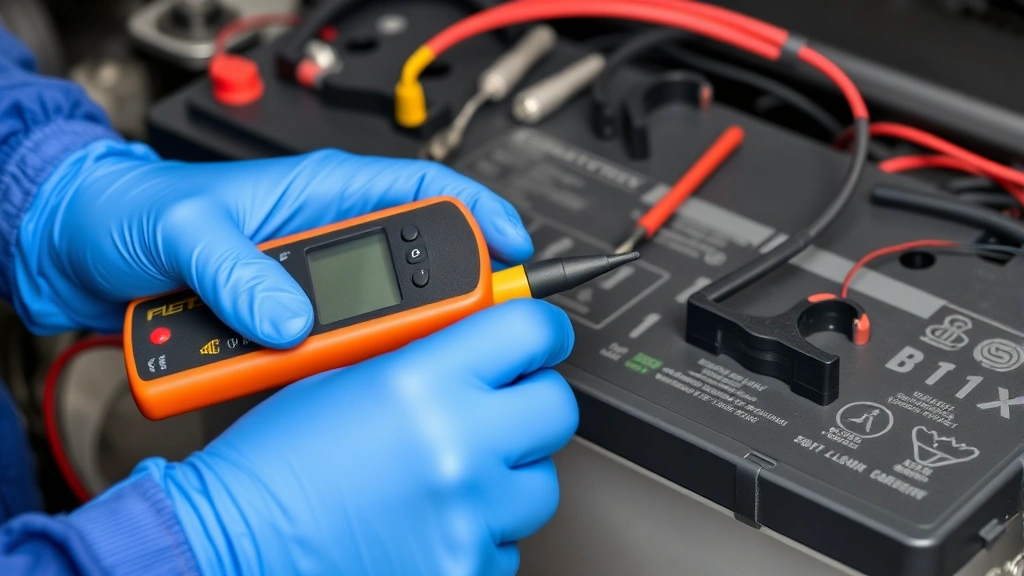
Now we get to the actual electrical testing. A multimeter is your best friend here. If you don’t own one, grab a basic digital multimeter—you’ll use it for dozens of car projects beyond just battery checks.
Here’s the step-by-step process:
- Set your multimeter to DC voltage mode (usually marked with a V with a line underneath it).
- Make sure the engine is off and has been off for at least 30 minutes.
- Touch the red probe to the positive (red) terminal and the black probe to the negative (black) terminal.
- Read the voltage on the display.
What are you looking for? A healthy car battery should read between 12.4 and 12.7 volts when the engine is off. That’s your baseline. Here’s what different readings mean:
- 12.6-12.7V: Battery is in excellent condition.
- 12.4-12.6V: Battery is good but could use a charge soon.
- 12.0-12.4V: Battery is weak and needs charging.
- Below 12.0V: Battery is severely discharged or dying.
Now start the engine and take another reading. A healthy battery should read between 13.5 and 14.5 volts while the engine is running. This is the alternator charging the battery. If the voltage drops below 13 volts or exceeds 15 volts while running, you’ve got an alternator problem, not a battery problem.
According to Family Handyman’s battery testing guide, this voltage test is the foundation of any battery diagnosis. It’s simple, non-destructive, and gives you solid data to work with.
Pro Tip: Keep a log of your battery voltage readings every month or two. If you notice the voltage dropping consistently—say, from 12.6V to 12.4V to 12.2V over a few months—your battery is aging and you should start shopping for a replacement before it dies on you.
The Load Test: The Real Battery Check
The voltage test tells you the battery’s state of charge, but it doesn’t tell you whether the battery can actually do its job under load. A battery might read 12.6 volts sitting on your workbench, but it could be completely useless when you’re trying to start a cold engine on a winter morning.
That’s where the load test comes in. This is the real deal—the test that actually matters.
You have two options here: the professional load test and the DIY load test.
Professional Load Test: Most auto parts stores (AutoZone, O’Reilly, NAPA, Advance Auto Parts) will do a free battery load test. They use a dedicated load tester that applies a specific electrical load to your battery and measures how well it holds voltage under stress. If your battery is weak, this test will expose it. This is your best bet if you want accurate, professional-grade results.
DIY Load Test: If you want to test at home, here’s a rough method: Turn on your headlights (high beams) and watch them for a few seconds. Then try to start the engine. If the headlights dim significantly when you crank the starter, your battery is struggling. If they stay bright, your battery is probably okay. This isn’t as accurate as a professional load test, but it gives you a quick reality check.
A better DIY approach is to use your multimeter while applying a load. Turn on the headlights and read the voltage. It should stay above 10 volts. If it drops below 10 volts with just the headlights on, your battery is weak.
According to This Old House’s battery testing video, the load test is especially important if your car is having starting problems but the voltage reading seems normal. Sometimes a battery can hold voltage but can’t deliver the cranking amps needed to start an engine.
Know Your Battery’s Age
Here’s something most people don’t realize: even a perfectly healthy battery has an expiration date. Most car batteries last 3-5 years, depending on climate, driving habits, and how well you maintain them.
How do you find your battery’s age? Look at the battery itself. There’s usually a sticker or stamp on top or on the side that shows the manufacturing date. It’s typically a letter (A-L, representing the month) followed by a number (the year). So if you see “C23,” that means the battery was made in March 2023.
If your battery is older than 4 years and you’re having any issues at all, seriously consider replacement. Even if it’s still technically working, an aging battery is a reliability risk. You don’t want to be stranded because your battery finally gave up the ghost at the worst possible moment.
Climate matters here too. If you live somewhere hot, your battery will age faster. Heat speeds up chemical reactions inside the battery, which degrades the internal components. If you live somewhere cold, your battery has to work harder to start your engine, which puts stress on it. Either way, extreme climates shorten battery life.
If you do need a replacement, how to install a car battery is a straightforward DIY job that takes about 15 minutes. And if your battery dies completely, how long does it take to charge a car battery depends on your charger and the battery’s capacity, but most people jump-start their car instead of waiting around.
Warning Signs Your Battery is Failing
Your battery doesn’t usually fail without warning. There are almost always signs if you’re paying attention.
Slow Cranking: The engine turns over slowly when you try to start it. This is the most common sign of a weak battery. If it’s accompanied by a clicking sound, that’s a dead giveaway.
Dim Lights: Your headlights are noticeably dimmer than they used to be, especially when the engine is off. Interior lights might also be weak.
Electrical Gremlins: Random warning lights on your dashboard. Intermittent problems with power windows, locks, or radio. These can be caused by a weak battery struggling to power everything.
Swollen Battery Case: If your battery looks puffy or bloated, it’s overcharging (usually an alternator problem) or overheating. Either way, it’s time for a replacement.
Rotten Egg Smell: A sulfur-like smell coming from under the hood is a sign of internal battery damage. This is serious—get it replaced immediately.
Corrosion Buildup: Excessive corrosion on the terminals means your battery is leaking acid internally. This is a slow death indicator.
Age Plus Problems: If your battery is over 4 years old and you’re experiencing any of the above issues, don’t even bother with repairs. Just replace it.
The key here is prevention. Regular battery checks catch problems early. If you check your battery every few months—especially before winter—you’ll almost never be surprised by a dead battery.
For more context on electrical maintenance, check out Bob Vila’s guide to choosing the best car battery, which includes solid information on battery types and maintenance.
Frequently Asked Questions
How often should I check my car battery?
– Check your battery at least once every three months, or more frequently if you’re in an extreme climate. Before winter, definitely do a check. If your car is over 4 years old or you’ve had any electrical issues, check it monthly.
Can I check my car battery without a multimeter?
– Yes, but it’s limited. You can do a visual inspection, check for corrosion, and do a basic load test by turning on the headlights and trying to start. But a multimeter gives you actual voltage data, which is much more reliable. They’re cheap—grab one.
What’s the difference between a dead battery and a weak battery?
– A dead battery has zero or near-zero voltage and won’t hold a charge. A weak battery reads lower voltage (below 12.4V) but might still have some juice. A weak battery can often be recharged and brought back to life. A dead battery is usually done for good, though sometimes a slow charge over many hours can revive it.
Why do my battery terminals keep corroding?
– Corrosion happens naturally when battery acid vapor meets the metal terminals. It’s accelerated by heat, humidity, and overcharging. Regular cleaning helps, but if corrosion keeps coming back within weeks, you might have an alternator overcharging the battery or a battery that’s leaking internally. Both are problems that need attention.
How do I know if it’s the battery or the alternator?
– Check the voltage with the engine running. If it’s between 13.5-14.5V, the alternator is charging properly. If it’s below 13V or above 15V, the alternator is the problem. Also, if your battery reads good but your car won’t start, it’s probably the alternator or starter, not the battery.
Can I jump-start a battery that reads 0 volts?
– Maybe. A completely dead battery sometimes can be jump-started back to life if the internal components aren’t damaged. But if it won’t hold a charge after jump-starting, it’s dead for real. Don’t waste time trying to revive it—just replace it.
Is it safe to charge my battery indoors?
– No. Battery charging produces hydrogen gas, which is flammable. Always charge outdoors or in a well-ventilated garage with the door open. Never charge in a closed space.
What should I do if my battery is leaking?
– Stop using it immediately and replace it. Battery acid is corrosive and dangerous. Don’t try to save a leaking battery. If acid has spilled, neutralize it with baking soda and water, then dispose of the battery at a recycling center or auto parts store.


